Source Agriculture Machinery Baler Knife Arm for Harvesting
Find and compare 30 Agriculture Machinery Baler Knife Arm options for harvesting, tillage, and planting. These parts are available in carbon steel and iron, featuring HRC52-65 hardness and customizable sizes to meet diverse agricultural processing needs; compare the available evidence and request quotations based on your requirements.
Key considerations
Products List


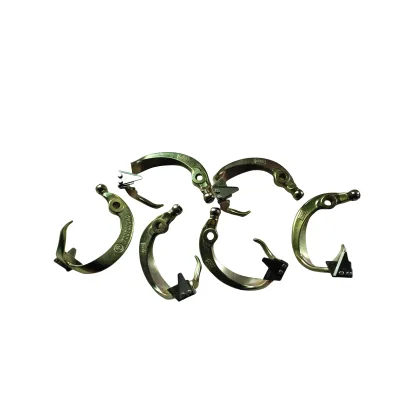
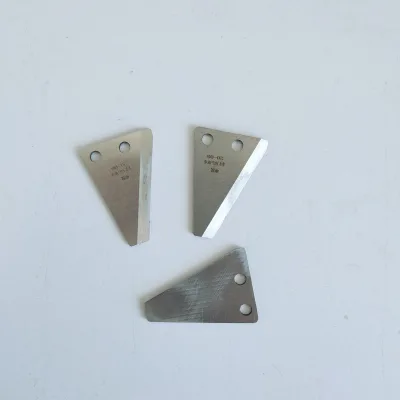
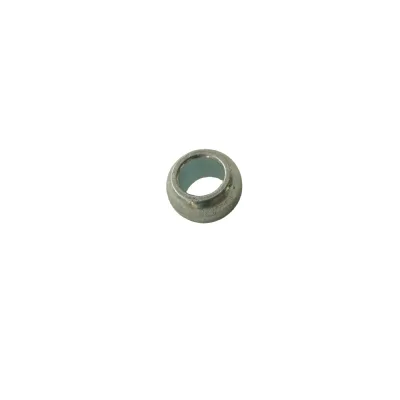
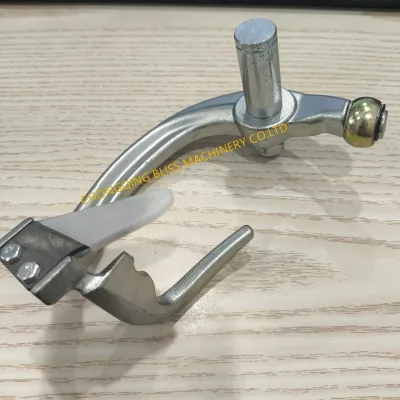
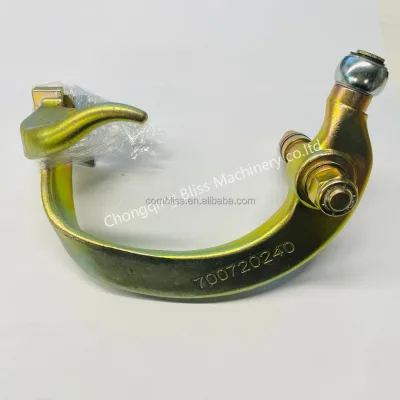
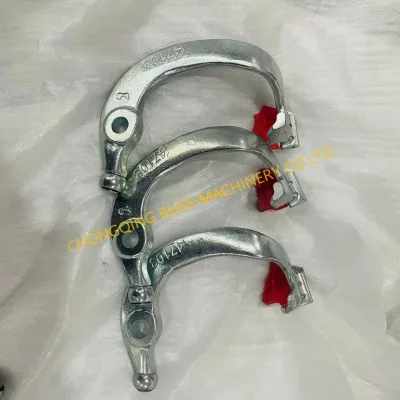
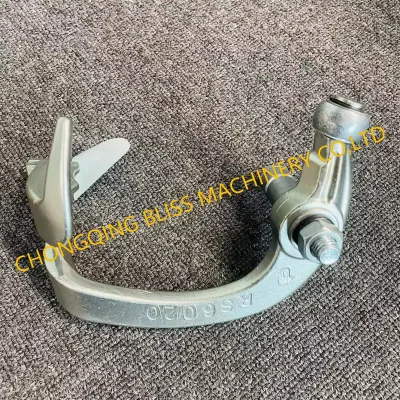
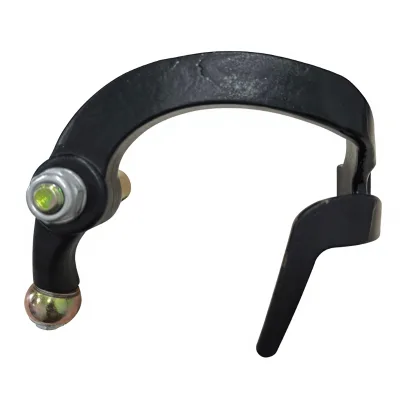
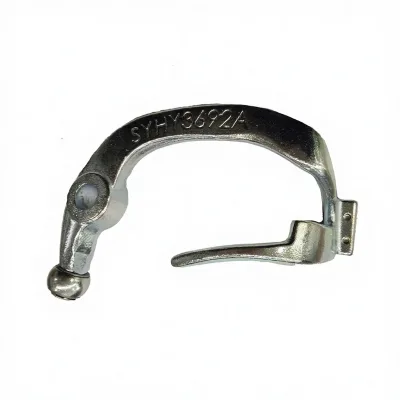


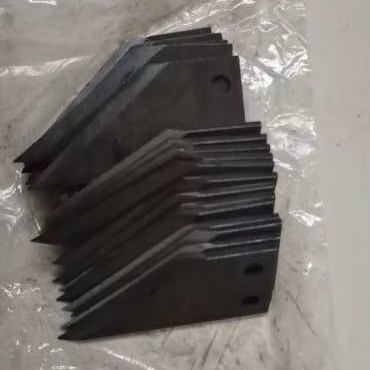
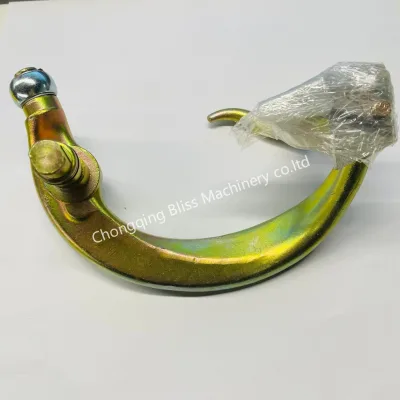


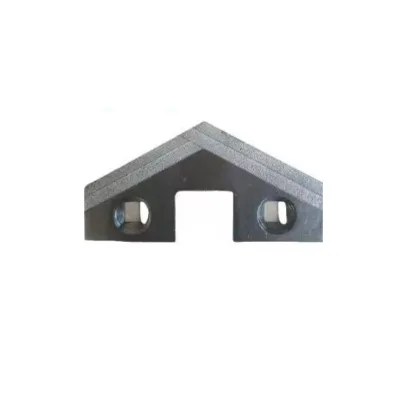
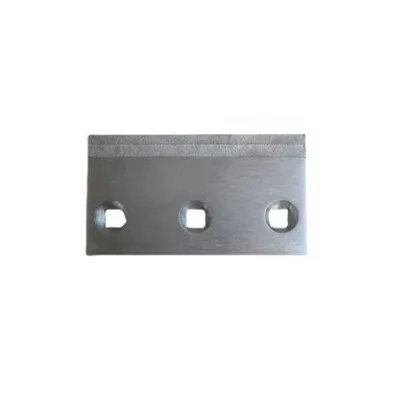


Agricultural Machinery Large Round Straw Bale Straw Picking and Baling Machine Baler
$2000.00 - $14000.00
MOQ: 1 Pieces


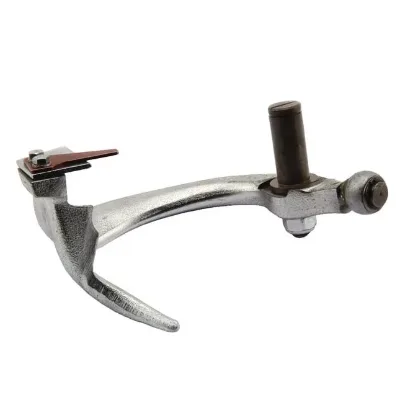
Comprehensive Sourcing Guide
Agriculture Machinery Baler Knife Arm Sourcing Guide
Procuring a baler knife arm requires careful attention to the specific operational demands of agricultural harvesting and processing environments. Buyers must verify that the component is designed for high-stress applications such as tillage, planting, fertilization, and grain threshing, as these activities impose significant mechanical loads on the machinery. The observed market data indicates that these arms are often engineered for use with harvesters and agricultural product processing equipment, necessitating a robust construction to withstand continuous field operations.
When evaluating potential listings, buyers should look for explicit mentions of the intended usage, such as compatibility with specific harvester brands or general agricultural infrastructure needs. The product attributes suggest that customization is frequently available, allowing for tailored solutions that match the unique geometry of existing machinery. It is critical to confirm that the listed item is in new condition and matches the specific model requirements, such as the BHTIE-2297 or Idler Arm designations, to ensure seamless integration into the target agricultural system.
Product Scope and Observed Listing Signals
The market for baler knife arms presents a wide variance in pricing and minimum order quantities, reflecting the diversity of manufacturing capabilities and material choices. Observed price points range significantly, suggesting that costs are heavily influenced by material selection, such as carbon steel, alloy steel, or stainless steel, and the complexity of the manufacturing process. Buyers should expect to encounter Minimum Order Quantities (MOQ) ranging from single units to several thousand pieces, which often dictates the feasibility of sourcing for small-scale operations versus large fleet replacements.
Listing signals also reveal distinct packaging standards, including wooden cases, woven bags, and plywood pallets, which are essential for protecting precision-machined components during international transit. The presence of specific model identifiers like "lp300" or "AKG" alongside generic descriptions helps buyers distinguish between standard off-the-shelf items and specialized custom-fabricated parts. Understanding these listing signals allows procurement teams to filter out irrelevant inventory and focus on suppliers who can deliver the exact specifications required for their specific agricultural machinery fleet.
Technical Specifications to Verify
Technical verification begins with confirming the material composition and hardness ratings, as these factors directly determine the durability and wear resistance of the knife arm in harsh field conditions. The available data highlights hardness ranges of HRC52-65 and materials including iron and various steel types, which are critical for maintaining cutting edges and structural integrity under heavy load. Buyers must ensure that the specified material standard, such as ASTM, AISI, or DIN, aligns with the operational requirements of their specific machinery to prevent premature failure or safety hazards.
Dimensional precision is equally vital, with observed specifications indicating tight tolerances for thickness, flatness, and concentricity. Parameters such as a thickness range of 1-20mm, flatness of 0.003, and concentricity of 0.02 are indicative of high-precision manufacturing necessary for smooth mechanical operation. Additionally, surface treatments like color-plating and anti-rust oil applications are essential for corrosion resistance, while surface roundness values around Ra 0.1um ensure minimal friction and wear during the reciprocating motion typical of baler mechanisms.
Compliance and Safety Documentation
Ensuring that the baler knife arm meets international safety and quality standards is a prerequisite for reliable procurement and operational safety. The observed certification landscape includes ISO, RoHS, and CE marks, which serve as indicators that the manufacturing process adheres to recognized environmental and safety protocols. Buyers should request proof of these certifications to verify that the supplier maintains a quality management system compliant with global standards, reducing the risk of sourcing non-compliant components that could lead to regulatory issues or equipment downtime.
Beyond general certifications, specific machinery test reports and adherence to material standards like SGS ISO9001-2008 provide further assurance of product reliability. These documents often detail the results of stress testing and quality control checks performed on the final product, offering tangible evidence of performance consistency. Procurement teams must verify that the supplier provides these reports as part of the standard delivery package, ensuring that every batch of knife arms meets the rigorous safety and performance benchmarks required for agricultural machinery.
Cost Drivers and Commercial Terms
The final cost of a baler knife arm is driven by a complex interplay of material costs, manufacturing processes, and logistical requirements. Processes such as investment casting, forging, or standard casting significantly impact the unit price, as do the choices in surface treatment and finishing. Buyers should analyze the trade-off between initial purchase price and long-term value, considering that higher-quality materials and tighter tolerances often result in a longer service life and reduced maintenance costs over time.
Commercial terms, including lead times and packaging specifications, also play a crucial role in the total cost of ownership. Observed lead times of 30-40 days suggest that production scheduling must be carefully managed to avoid delays in critical harvesting seasons. Furthermore, the choice of packaging, whether wooden cases or steel cartons, affects shipping costs and the risk of damage during transit. Buyers should negotiate clear terms regarding these variables to ensure that the total landed cost aligns with their budget constraints while maintaining the necessary quality standards.
Supplier Qualification and Quality Control
Supplier qualification requires a thorough assessment of their manufacturing capabilities and quality control infrastructure. The availability of OEM services and the ability to produce customized parts indicate a supplier's flexibility and technical competence. Buyers should verify that the supplier has a proven track record in producing agricultural components, as evidenced by their adherence to standards like BS, ANSI, JIS, and GB, which are commonly referenced in the industry.
Quality control measures must be robust, with suppliers expected to provide detailed machinery test reports and maintain consistent production standards. The observation of specific origin locations, such as Ningbo, China, suggests a concentration of manufacturing expertise in this region, but buyers must still validate the specific factory's quality systems. Ensuring that the supplier accepts OEM requests and provides comprehensive documentation, including material certificates and inspection reports, is essential for mitigating the risks associated with sourcing critical agricultural machinery parts.
Long-Term Procurement Checks
Establishing a long-term procurement strategy involves regular audits of supplier performance and product consistency over time. Buyers should implement a system for tracking the performance of the baler knife arms in the field, monitoring for issues related to wear, corrosion, or structural failure. This data-driven approach allows for the identification of potential quality drifts and ensures that the supplier continues to meet the evolving demands of agricultural machinery operations.
Continuous communication with the supplier regarding updates in standards, material availability, and manufacturing processes is also vital for maintaining a resilient supply chain. As agricultural technology evolves, the requirements for knife arms may change, necessitating ongoing collaboration to adapt designs and specifications. By maintaining a proactive relationship and regularly reviewing supplier qualifications, buyers can ensure a steady supply of high-quality components that support the efficiency and safety of their agricultural operations.
FAQs
What certifications are available for Agriculture Machinery Baler Knife Arm parts?
Available certifications include ISOGS, RoHS, and CE. These standards ensure compliance with international quality and safety requirements. Buyers can verify these credentials to confirm that the components meet specific regulatory needs for agricultural machinery operations and global trade standards.
Can the Agriculture Machinery Baler Knife Arm be customized for specific models?
Yes, customization is available for various agricultural equipment brands. OEM services are acceptable, allowing parts to be tailored for specific machinery like Macdon harvesters. Customized dimensions and specifications ensure a precise fit for different harvester and processing machine models.
What materials are used for Agriculture Machinery Baler Knife Arm components?
Materials include iron, carbon steel, alloy steel, stainless steel, and aluminum. These materials are selected for durability and hardness, often reaching HRC52-65. The choice depends on the specific application, such as tillage, planting, or harvester operations, ensuring optimal performance.
What is the typical lead time for Agriculture Machinery Baler Knife Arm orders?
The typical lead time ranges from 30 to 40 days. This duration accounts for manufacturing processes like investment casting or forging. Buyers should plan procurement schedules accordingly to ensure timely delivery for agricultural seasons and machinery maintenance requirements.
How is the Agriculture Machinery Baler Knife Arm packaged for shipping?
Packaging options include wooden cases, pallets, woven bags, and steel cartons. Some items use plywood or carton with internal plastic packaging. These methods protect the parts during transit, ensuring they arrive in new condition with surface treatments like anti-rust oil intact.
What is the minimum order quantity for Agriculture Machinery Baler Knife Arm parts?
The minimum order quantity varies, with some items requiring 50 pieces. Other products may have MOQs ranging from 1 to 5000 units. Buyers should check specific product listings to determine the exact MOQ applicable to their procurement needs and budget.