Source Air Blast Tractor Mounted Sprayer for Orchard, Vineyard, and Field Crops
Find 30 Air Blast Tractor Mounted Sprayer options from China. Compare models like XGT12 and FXS7 with capacities up to 1200L. Evaluate pump flowrates, nozzle counts, and CE/ISO standards for efficient large-scale crop application; compare the available evidence and request quotations based on your requirements.
Key considerations
Products List


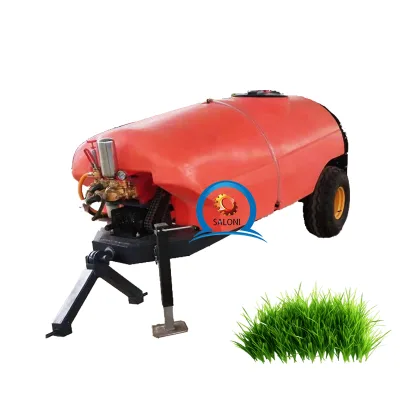


500L 800L 1000L Tractor Mounted Mist Blower Air Blast Orchard Agricultural Sprayer
$2200.00 - $3500.00
MOQ: 1 Pieces


Farm Machinery Tractor Mounted Agricultural Boom Sprayer
$550.00 - $1200.00
MOQ: 1 Pieces
Shandong Liying Agricultural Technology Development Co., Ltd.
Comprehensive Sourcing Guide
Air Blast Tractor Mounted Sprayer Sourcing Guide
Air blast tractor mounted sprayers are engineered for large-scale agricultural operations, specifically targeting crops like wheat and corn where uniform coverage is critical. These machines utilize high-volume airflow to penetrate dense canopies, ensuring that active ingredients reach the undersides of leaves effectively. Buyers should prioritize models featuring double-pole folding structures, which facilitate transport on public roads while maintaining a wide operational footprint in the field. The integration of multi-nozzle uniform mist systems allows for precise application rates, reducing chemical waste and environmental impact during large-scale treatments.
When evaluating listings, procurement teams must distinguish between general agricultural sprayers and specialized air blast units designed for tractor mounting. The observed product range includes specific models like the FXS7/340 and WFX400, which indicate varying capacities and structural designs suitable for different farm sizes. It is essential to verify that the selected unit supports the specific power compatibility requirements of existing agricultural machinery, ensuring seamless adaptation without requiring extensive modification to the tractor's hydraulic or PTO systems.
Product Scope and Observed Listing Signals
The market for these sprayers presents a diverse range of configurations, with observed capacities extending up to 1000 liters and pump flow rates varying significantly between 58 and 215 liters per minute. Buyers will encounter different nozzle counts, ranging from 12 to 44 pieces, which directly influence the width and uniformity of the spray pattern. The observed liquid contained categories include disinfectors and medicines, indicating that these units are versatile enough for both crop protection and sanitation tasks in agricultural settings.
Listing signals often highlight specific technical attributes such as working pressure ranges of 0 to 4 MPa and ventilation fan diameters of 700 to 800 mm. These parameters are critical for determining the machine's ability to handle viscous liquids or achieve high-velocity air streams necessary for air blast technology. Procurement teams should scrutinize the listed spraying shapes, noting the presence of both sector and full cone patterns, as these dictate the coverage area and droplet size distribution required for specific crop types.
Technical Specifications to Verify
Verification of the pump flow rate and working pressure is paramount to ensure the sprayer meets the specific demands of the target crop. While observed data suggests flow rates of 78 L/Min or higher, buyers must confirm that the rated flow aligns with the viscosity of the chemicals being applied to prevent clogging or uneven distribution. The structural design, often described as a mounted type with internal threaded connections, requires careful inspection to ensure compatibility with the tractor's mounting points and hydraulic output capabilities.
The boom length and nozzle configuration are equally critical, with observed specifications ranging from 2.4 meters to 22 meters in length. Buyers should verify that the folding spray rod mechanism operates smoothly and locks securely to prevent damage during transport. Additionally, the material composition, often involving PE or PVC components, must be checked for chemical resistance to ensure longevity when exposed to harsh agricultural chemicals and varying environmental conditions.
Compliance and Safety Documentation
Safety compliance is a non-negotiable aspect of sourcing agricultural machinery, with CE and ISO standards frequently cited in product listings. Buyers must request valid certification documents to confirm that the sprayer meets international safety requirements for pressure vessels and mechanical components. The presence of these standards indicates that the manufacturer has undergone rigorous testing for structural integrity and operational safety, which is essential for protecting operators and minimizing liability risks.
Documentation should also include detailed manuals covering installation, operation, and maintenance procedures, particularly for complex systems like the ventilation fans and pressure regulators. Buyers should verify that the product origin, often listed as China or specific regions like Linyi, Shandong, is accompanied by clear export documentation. Ensuring that all safety labels and warning stickers are present and legible on the final unit is crucial for maintaining compliance with local agricultural regulations and insurance requirements.
Cost Drivers and Commercial Terms
The final cost of an air blast sprayer is heavily influenced by the tank capacity, pump flow rate, and the complexity of the nozzle system. Larger capacities, such as the 1200L options observed, typically command higher prices due to the increased material usage and robust structural requirements. Buyers should also consider the cost implications of specialized packing methods, such as iron frames or wooden boxes, which add to the overall shipping expenses but provide necessary protection during transit.
Commercial terms regarding minimum order quantities (MOQ) and lead times vary significantly across suppliers, with observed ranges from 1 to 1500 units. Procurement teams must negotiate clear terms regarding customization availability, as many manufacturers offer tailored solutions for specific agricultural needs. It is advisable to clarify whether the quoted price includes the cost of standard export packing or if additional fees apply for specialized packaging requirements like pallets or irion crates.
Supplier Qualification and Quality Control
Supplier qualification should focus on manufacturers with a proven track record in producing agricultural machinery that adheres to international standards. Buyers must verify the supplier's ability to provide consistent quality control, particularly regarding the welding of iron frames and the assembly of hydraulic systems. The presence of specific product models like the PXX6 or PXI8 in a supplier's catalog can serve as an indicator of their manufacturing capabilities and experience in this specific niche.
Quality control processes should include rigorous testing of the pump flow rates and working pressures before shipment to ensure they match the advertised specifications. Buyers should request evidence of factory audits or third-party inspection reports to validate the manufacturing processes. Additionally, verifying the supplier's experience with export standards and their ability to handle complex logistics, such as shipping heavy machinery in iron frames, is essential for a smooth procurement experience.
Long-Term Procurement Checks
Establishing a long-term relationship with a supplier requires ongoing verification of product consistency and after-sales support capabilities. Buyers should monitor the performance of the sprayers in the field, paying close attention to the durability of the folding spray rods and the reliability of the ventilation fans. Regular maintenance checks on the pump flow rates and nozzle conditions will help identify any potential issues early, ensuring that the equipment remains operational throughout its intended lifespan.
Procurement teams must also maintain open communication channels with suppliers to address any emerging technical challenges or updates in agricultural regulations. It is advisable to establish a protocol for spare parts availability, ensuring that critical components like nozzles and pumps can be sourced quickly when needed. By maintaining a proactive approach to supplier management, buyers can mitigate risks and ensure a steady supply of high-quality air blast sprayers for their agricultural operations.
FAQs
What models are available for air blast tractor mounted sprayers?
Available models include XGT12, PXX6, PXI8, PXI10, PXI12, PXL22, FXS7/340, FXS7/680, FXS8/680, SX500, WFX400, WFX500, and 3WFSX-400. These units support various boom lengths from 2.4 to 22 meters and feature different nozzle counts ranging from 10 to 44 pieces. Buyers can select configurations based on specific field crop requirements and tractor compatibility needs.
Can these sprayers handle disinfectors and medicine liquids?
Yes, the equipment is designed to contain and spray disinfectors and medicine. The systems utilize self-adhesive label technologies and precise multi-nozzle uniform mist systems. Working pressures range from 0 to 4 MPa, ensuring effective application. The liquid contained is managed through robust pumping systems with flow rates up to 215 L/Min for efficient coverage.
What certifications do the air blast sprayers meet?
The sprayers meet CE and ISO standards. These certifications ensure compliance with international safety and quality regulations for agricultural machinery. The products originate from China, specifically Linyi, Shandong, and undergo rigorous testing. Buyers can rely on these standards for market entry and operational safety in various global regions requiring certified agricultural equipment.
What is the typical packaging for these sprayers?
Packaging options include Iron Crate Packing, Pallet, Standard Export Packing, Export Standard Packing, and Iron Frame with Wooden Box. The specific method depends on the model and size. For instance, some units use Iron Crate Packing while others utilize Pallet configurations. This variety ensures safe transport and protection during international shipping to various destination ports.
What is the chemical tank capacity range?
Chemical tank capacities are available in 300, 400, 600, 800, and 1200 liters. Some models feature a maximum capacity of 1000 liters. These volumes support large-scale field crops such as wheat and corn. The capacity selection allows farmers to optimize refueling frequency and operational efficiency during extensive spraying operations across vast agricultural lands.
How is the power supply managed for these sprayers?
The power supply is pressure-based, utilizing agricultural machinery mounting and adaptation. The systems feature ventilation fans with diameters of 700 or 800 mm. Pump flow rates vary from 58 to 215 L/Min. This design ensures consistent pressure delivery for sector or full cone spraying shapes, enabling effective dispersion of liquids across target crop areas.