Source Air-Cooled Four-Stroke Gasoline Engine for Generators, Pumps, and Welders
Find and compare 30 air-cooled four-stroke gasoline engine models from Chinese manufacturers. Evaluate specifications such as displacement, power output, and cylinder arrangement to select the right unit for your industrial or commercial application needs.
Key considerations
Products List


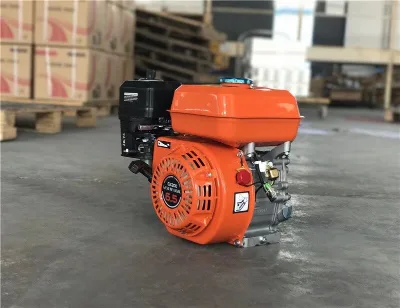
Good Quality Generic Air-Cooled 4-Cycle Gasoline Engine 15HP Gasoline Engine
$38.00 - $60.00
MOQ: 1 Pieces




Comprehensive Sourcing Guide
Air-Cooled Four-Stroke Gasoline Engine Sourcing Guide
Sourcing air-cooled four-stroke gasoline engines requires a disciplined approach to technical verification and supplier qualification. These engines are widely utilized in small machinery, agricultural equipment, and portable power generation due to their simplicity and reliability. Buyers must navigate a market characterized by significant variation in manufacturing standards, particularly when sourcing from major production hubs in China. The following guide provides evidence-based procurement strategies to ensure that the selected engines meet operational requirements and commercial expectations.
The procurement process begins with a clear definition of technical parameters, as the market offers diverse configurations ranging from single-cylinder to V-type arrangements. Buyers should prioritize engines that align with their specific power and speed requirements, noting that observed listings frequently highlight high-speed variants with four-stroke cycles. Understanding the distinction between continuous and maximum power ratings is critical for matching the engine to the intended load profile, ensuring that the machinery operates within safe thermal and mechanical limits.
Product Scope and Observed Listing Signals
The current market landscape for air-cooled four-stroke gasoline engines reveals a broad spectrum of product offerings, with observed price points ranging from approximately $29.8 to $300 USD. This wide variance reflects differences in build quality, brand reputation, and included accessories. Buyers should interpret these price signals as indicators of tiered product segments, where lower-cost options may prioritize basic functionality while higher-priced units often include enhanced durability features or certified compliance documentation.
Minimum Order Quantities (MOQs) observed in the market range from 1 to 800 pieces, indicating flexibility for both prototype testing and large-scale industrial procurement. Suppliers with lower MOQs are ideal for initial validation phases, allowing buyers to assess performance before committing to bulk orders. Conversely, suppliers requiring higher MOQs, such as 800 pieces, typically cater to established distributors or OEMs seeking economies of scale. Understanding these commercial thresholds helps buyers align their purchasing volume with supplier capabilities and inventory constraints.
Technical Specifications to Verify
Verification of core engine architecture is paramount, with single-cylinder configurations being the most prevalent in the observed data. Buyers must confirm the cylinder arrangement, as options include inline, V-type, and H-type layouts, each affecting the engine's footprint and balance. The cooling method is consistently air-cooled across the observed listings, which simplifies maintenance but requires adequate ventilation in the final equipment design. Ensuring that the engine is a four-stroke type is essential for meeting emissions standards and fuel efficiency expectations in many jurisdictions.
Power output and displacement metrics require careful cross-referencing with the intended application. Observed specifications include models with continuous power ratings around 4.3 kW (5.8 HP) and maximum power up to 4.8 kW (6.5 HP), with displacements such as 193cc. Buyers should verify the bore and stroke dimensions, such as 68x54mm, to ensure compatibility with existing mounting systems and accessory drives. Additionally, confirming the ignition mode and intake pressure impulse, typically naturally aspirated, ensures that the engine will perform as expected under various operating conditions.
Fuel and lubrication capacities are critical for operational longevity and maintenance planning. Observed data indicates fuel capacities around 3.6 liters and engine oil capacities near 0.6 liters, which influence the frequency of refueling and oil changes. Buyers should also note the net weight of the engines, which can vary significantly from 13 kg to 31 kg depending on the model and construction materials. These physical attributes impact the overall weight distribution of the host machinery and the logistics costs associated with shipping and handling.
Compliance and Safety Documentation
Compliance with international standards is a non-negotiable aspect of engine procurement, particularly for export markets. Buyers must verify that suppliers can provide relevant certification documents, such as CE marking, which indicates conformity with health, safety, and environmental protection standards for products sold within the European Economic Area. The absence of such documentation can lead to customs delays, product recalls, or legal liabilities in regulated markets.
Environmental and emissions regulations vary by region, requiring buyers to confirm that the engine meets local exhaust emission standards. While specific emission ratings were not explicitly detailed in the observed listings, buyers should request test reports or compliance certificates from the supplier. Ensuring that the engine's design, including its ignition and fuel systems, adheres to these regulations is essential for market access and brand reputation.
Cost Drivers and Commercial Terms
Several factors influence the total cost of ownership beyond the initial unit price. The choice of cylinder arrangement, such as V-type or H-type, can affect manufacturing complexity and cost. Similarly, the inclusion of additional features like electric start systems or specific mounting configurations may increase the unit price. Buyers should evaluate these features against their operational needs to avoid paying for unnecessary capabilities.
Packaging and logistics costs are significant components of the procurement budget. Observed packaging methods include standard cartons, brown cartons with pallets, and cardboard boxes, each with different protection levels and shipping efficiencies. Buyers should assess the carton dimensions, such as 37x33x37cm, to optimize container loading and reduce freight costs. Additionally, understanding the supplier's origin, whether from Zhejiang, Jiangsu, or other regions, can provide insights into supply chain reliability and potential transit times.
Supplier Qualification and Quality Control
Supplier qualification involves assessing the manufacturer's production capabilities and quality management systems. Buyers should prioritize suppliers who demonstrate consistent production standards and have a track record of fulfilling orders with the specified MOQs. Verification of the supplier's location, such as Yancheng Jiangsu or Taizhou, can help in evaluating the local industrial ecosystem and supply chain maturity.
Quality control measures should be established to ensure that delivered engines meet the agreed-upon specifications. Buyers should request sample units for rigorous testing before placing bulk orders. Key performance indicators, such as durability and efficiency, should be validated through real-world application tests. Establishing clear acceptance criteria and inspection protocols helps mitigate the risk of receiving substandard products and ensures that the engines perform reliably in the field.
Long-Term Procurement Checks
Long-term procurement success depends on the supplier's ability to provide consistent quality and support over time. Buyers should establish a framework for ongoing performance monitoring, including regular audits of production quality and delivery reliability. Maintaining open communication channels with the supplier facilitates quick resolution of any issues that arise during the operational life of the engines.
Continuous improvement and adaptation to market changes are essential for sustained procurement effectiveness. Buyers should stay informed about advancements in engine technology and regulatory requirements, adjusting their sourcing strategies accordingly. Building a strong partnership with qualified suppliers ensures access to the latest products and competitive pricing, supporting the long-term success of the buyer's operations.
FAQs
What is the maximum power output of the GYE-168 engine?
The maximum power output is 6.5HP or 4.8kw. This engine operates as a single-cylinder, four-stroke unit with air cooling and a displacement of 193cbm, suitable for high-speed applications requiring reliable combustion performance.
Can I customize the engine specifications for my needs?
Yes, customization is available for this engine model. Buyers can request specific adjustments to meet unique operational requirements while maintaining the core four-stroke gasoline design and air-cooled structure provided by the manufacturer.
What is the minimum order quantity for the HL225 model?
The minimum order quantity for the HL225 model is 30 pieces. This unit features a reciprocating piston movement and is packaged in a carton box, originating from Fuzhou, China, with a net weight of 13kg.
Which engine model has a V cylinder arrangement?
The engine model with a V cylinder arrangement is the SL420. It is a combustion engine with a speed rating of Speed, originating from Yancheng Jiangsu, and is packaged using a brown carton with a pallet.
What is the fuel capacity of the engine with 3.6L capacity?
The fuel capacity is 3.6 liters for the specified engine unit. This model also holds 0.6 liters of engine oil and features a bore stroke of 68 by 54cm, packaged in a carton with dimensions of 37 by 33 by 37cm.
How much does the 168F-1 engine model weigh?
The 168F-1 engine model weighs 31kg net. It is a single-cylinder, four-stroke gasoline engine with high-speed capabilities, packaged as one set per carton, and originates from Taizhou with CE standard compliance.