Source Transmission Oil Pan for Cars Trucks and Tractors
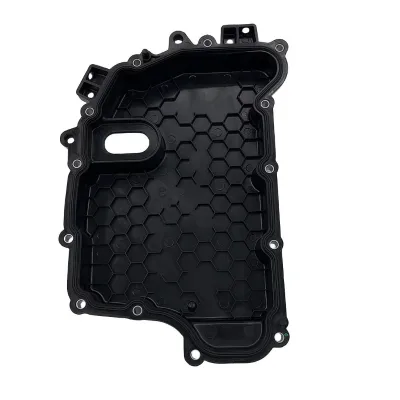
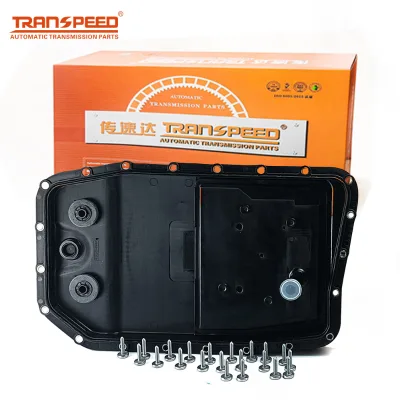
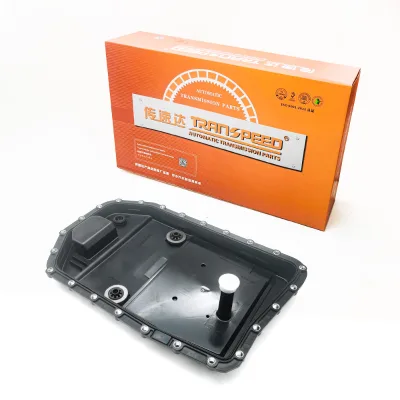
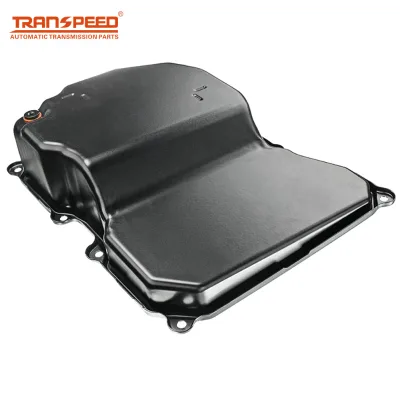
Find 30 verified options for the Transmission Oil Pan suitable for automotive, truck, and tractor applications. Buyers can compare specifications including material, surface treatment, and certification standards to select the right component for their machinery needs.
Key considerations
Products List


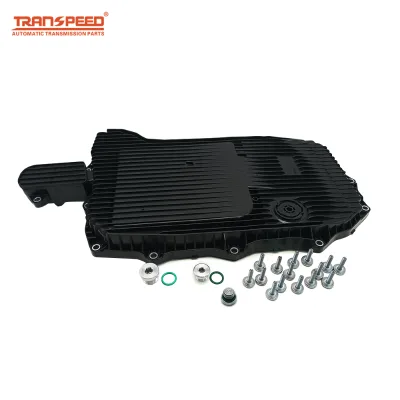
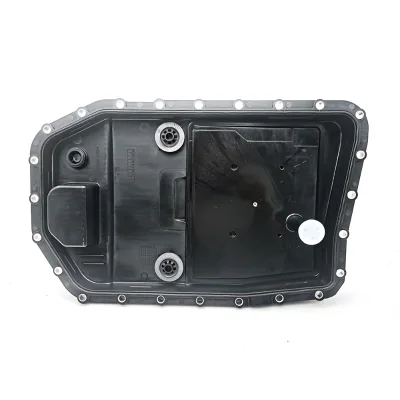
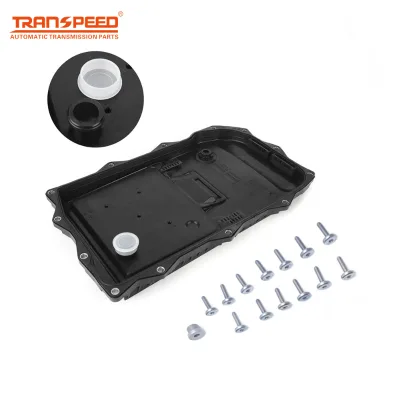

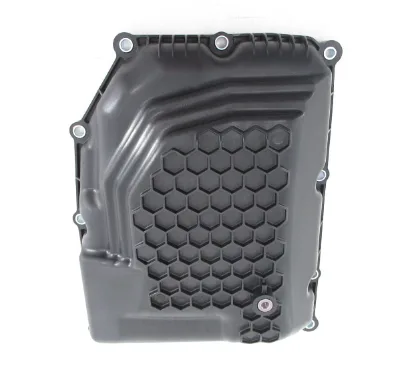
Comprehensive Sourcing Guide
Strategic Sourcing Guide for Transmission Oil Pans
Procuring transmission oil pans requires a rigorous approach that balances mechanical precision with supply chain reliability. As a critical component in automotive and heavy machinery systems, the oil pan serves as the reservoir for lubrication, protecting the transmission from contamination and ensuring optimal thermal management. Buyers must navigate a complex landscape of material variations, manufacturing processes, and certification requirements to secure components that meet stringent OEM standards. This guide outlines the essential factors for evaluating potential suppliers and validating product specifications based on observed market data and industry best practices.
Material Selection and Manufacturing Processes
The foundation of a reliable oil pan lies in the selection of raw materials and the precision of the manufacturing process. Market observations indicate a diverse range of materials utilized in this sector, including aluminum, steel, iron, and plastic. Aluminum is frequently cited for its lightweight properties and corrosion resistance, making it a preferred choice for applications where weight reduction is critical. Conversely, steel and iron variants, often sourced as cold-rolled steel or seamless tube and steel sheet plates, offer superior structural integrity and durability under high-stress conditions. The choice between these materials often depends on the specific application, such as automotive, truck, or tractor usage, where load-bearing requirements vary significantly.
The production methods employed by suppliers are equally critical to the final product's performance. Data suggests that press drawing, bending, stamping, and braze processes are standard techniques for fabricating these components. For instance, cold-rolled steel components often undergo press drawing to achieve the necessary depth and shape, while aluminum variants may utilize different forming techniques to maintain material strength. Surface treatment is another vital consideration; anodic treatment is observed for aluminum parts to enhance corrosion resistance, whereas electrophoresis and zinc coating are common for steel components to prevent rust. Buyers must verify that the supplier's chosen process aligns with the intended operating environment of the vehicle or machinery.
Technical Specifications and Dimensional Tolerances
Precision engineering is non-negotiable for transmission oil pans, as even minor deviations can lead to leaks, improper fitment, or transmission failure. The observed market data highlights a tolerance level of 0.01mm, indicating a high degree of manufacturing precision required for these parts. This level of accuracy ensures that the oil pan mates correctly with the transmission housing, maintaining a seal that prevents fluid loss. When evaluating suppliers, buyers should request detailed technical drawings that explicitly state dimensional tolerances and verify that the production equipment can consistently achieve these standards.
Standard component dimensions also play a role in compatibility. Observed specifications include various standard component sizes, such as 212015 and 363225, which likely correspond to specific model requirements or packaging constraints. Additionally, the product models themselves, ranging from specific alphanumeric codes like 09G321361A to 31390-80X06, suggest a high degree of customization and model-specific engineering. Buyers must ensure that the supplier can provide parts that match the exact model number of their target vehicle or machinery. The ability to support non-standard components is also a key indicator of a supplier's flexibility and capability to handle unique design requirements.
Compliance, Certification, and Quality Standards
Navigating the regulatory landscape is essential for B2B procurement, particularly in the automotive industry where safety and reliability are paramount. The observed data points to several key certifications and standards that suppliers should possess. ISO certification is frequently mentioned, alongside specific industry standards such as TSM (Toyota Supplier Standard) and ISO TS. These certifications indicate that the supplier adheres to rigorous quality management systems and automotive-specific production processes. Furthermore, compliance with international standards like GB, ASTM, and DIN is observed, suggesting that the products are designed to meet global engineering requirements.
Buyers must verify that the supplier's certification status is current and covers the specific production lines used for the oil pans. The presence of a warranty, observed as ranging from 12 to 24 months, serves as an additional layer of assurance regarding product quality and supplier confidence. However, warranties should be viewed as a reflection of the supplier's quality control rather than a substitute for independent verification. It is crucial to confirm that the supplier's quality management system includes regular audits and that their production processes are aligned with the stated standards.
Cost Drivers and Pricing Dynamics
Understanding the cost structure of transmission oil pans is vital for effective budgeting and negotiation. The observed price range in the market spans from 0.1 to 5000 USD, reflecting the vast differences in material costs, manufacturing complexity, and order volumes. Several factors drive these costs, including the raw material type (aluminum vs. steel), the complexity of the surface treatment, and the level of customization required. Customization is a significant cost driver; while standard components may be produced at a lower unit cost, custom-designed pans require additional engineering, tooling, and setup time.
Minimum Order Quantities (MOQ) also influence the overall cost per unit. The observed MOQ range of 1 to 1000 units suggests that suppliers offer flexibility for small-batch orders but may provide better pricing for larger volumes. Buyers should analyze their production needs to determine the optimal order size that balances inventory costs with unit pricing. Additionally, packaging requirements, such as cartons, crates, or shipping pallets, can impact logistics costs. Buyers must consider the total landed cost, including shipping and handling, when comparing supplier quotes.
Supplier Evaluation and Capability Assessment
Selecting the right supplier involves a comprehensive evaluation of their capabilities, experience, and reliability. The market data indicates that many suppliers are OEM (Original Equipment Manufacturer) suppliers, meaning they have the capacity to produce parts that meet specific manufacturer specifications. This is a strong indicator of quality and reliability. Buyers should prioritize suppliers who explicitly state their OEM status and have a proven track record of supplying to major automotive or machinery manufacturers.
The application scope of the supplier is another critical factor. Observed applications include automotive, truck, tractor, and various metal processing machinery. A supplier with experience across multiple sectors may offer greater flexibility and a deeper understanding of diverse requirements. Buyers should also assess the supplier's customization capabilities, as the ability to support custom designs is a key differentiator. Additionally, the location of the supplier, with China being a prominent origin, should be considered in the context of lead times, shipping logistics, and potential trade barriers.
Quality Control and Long-Term Procurement Strategy
Implementing a robust quality control strategy is essential for mitigating risks associated with component failure. Buyers should establish clear quality acceptance criteria based on the observed specifications, such as tolerance levels and surface treatment requirements. Regular inspections, including dimensional checks and material testing, should be conducted to ensure that the supplied parts meet the agreed-upon standards. The warranty period, observed as 12 or 24 months, should be clearly defined in the contract, outlining the procedures for handling defects or failures.
Long-term procurement considerations involve building a sustainable relationship with the supplier. This includes establishing clear communication channels, agreeing on lead times, and planning for future demand fluctuations. Buyers should also consider the supplier's ability to scale production and their commitment to continuous improvement. By maintaining a strategic partnership with a reliable supplier, buyers can ensure a steady supply of high-quality transmission oil pans, minimizing downtime and production disruptions.
Summary of Key Procurement Factors
To facilitate a streamlined decision-making process, the following table summarizes the critical factors buyers should evaluate when sourcing transmission oil pans. This comparison highlights the variability in materials, standards, and capabilities observed in the market.
| Factor | Key Considerations | Observed Market Data |
|---|---|---|
| Material | Aluminum, Steel, Iron, Plastic | Aluminum, Cold Roller Steel, Seamless Tube, Plastic |
| Process | Press Drawing, Bending, Stamping, Braze | Press Drawing, Bending, Stamping, Electrophoresis |
| Surface Treatment | Anodic, Zinc, Electrophoresis | Anodic, Electrophoresis, Zinc Coating |
| Certification | ISO, TSM, ASTM, DIN, GB | ISO, ISO TS, TSM, ASTM, DIN, GB |
| Tolerance | Precision requirements | 0.01mm |
| Application | Car, Truck, Tractor, Machinery | Automotive, Metal Casting, Metal Processing |
| Customization | OEM Support, Custom Design | Available, Customized, OEM Supplier: Yes |
| Warranty | Duration and coverage | 12 Months, 24 Months |
By carefully analyzing these factors and adhering to the principles outlined in this guide, buyers can make informed decisions that ensure the quality, reliability, and cost-effectiveness of their Transmission Oil Pan procurement. The complexity of the market demands a disciplined approach, focusing on verified data and established standards to mitigate risks and achieve successful sourcing outcomes.
FAQs
What materials are used for transmission oil pans?
Transmission oil pans are manufactured using aluminum, steel, iron, or plastic. Aluminum offers lightweight properties, while steel and iron variants provide superior structural integrity for high-stress automotive and truck applications.
Which certifications should I look for in a supplier?
Suppliers should hold ISO, ISO TS, and TSM certifications. Compliance with international standards like GB, ASTM, and DIN is also observed, indicating adherence to rigorous quality management systems required for automotive components.
How precise are the dimensional tolerances for these parts?
The observed market tolerance level is 0.01mm, indicating high manufacturing precision. This accuracy ensures the oil pan mates correctly with the transmission housing to maintain a seal and prevent fluid loss.
Can suppliers provide customized transmission oil pans?
Yes, customization is available and supported by many manufacturers. Suppliers can produce non-standard components and offer OEM services to meet specific model requirements and unique design needs.
What surface treatments are applied to the oil pans?
Surface treatments include anodic coating for aluminum, electrophoresis, and zinc coating for steel. These processes enhance corrosion resistance and durability, aligning with the specific material and application requirements of the vehicle.
What is the typical warranty period for these components?
Warranty periods observed in the market range from 12 to 24 months. This duration reflects the supplier's confidence in product quality and serves as an assurance regarding the component's reliability and performance.
Which production processes are used to make oil pans?
Common production processes include press drawing, bending, stamping, and braze. These techniques are selected based on the raw material, such as cold-rolled steel or seamless tube, to achieve the necessary shape and strength.