Source All Weather Car Floor Liners for Trucks and SUVs
Compare 30 listings for all weather car floor liners designed for passenger cars and trucks. Options include TPE and PU materials with custom fit or universal types, featuring oil resistance, anti-slip bottoms, and OEM support for global sourcing needs; compare the available evidence and request quotations based on your requirements.
Key considerations
Products List


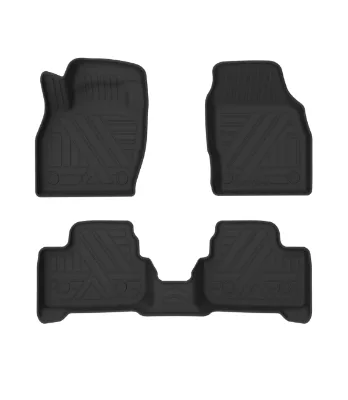
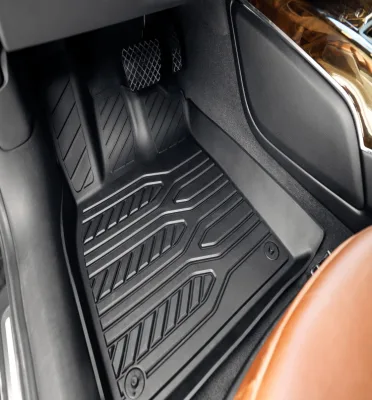


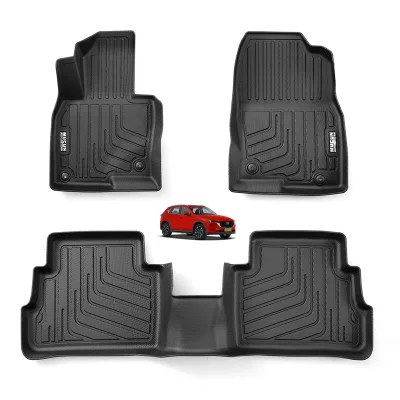
Comprehensive Sourcing Guide
All Weather Car Floor Liners Sourcing Guide
Buyers must first distinguish between universal and custom-fit options, as the observed market offers both TPE and PU materials tailored for specific vehicle models like the Suzuki Swift or BYD Song Pro DM-i. While some listings emphasize a universal type suitable for passenger cars and trucks, others specify a custom fit designed for exact vehicle contours, requiring the buyer to verify the fitment type against their specific fleet inventory before proceeding.
The material composition significantly impacts performance, with natural rubber and TPE thermoplastic elastomers offering distinct advantages in oil, heat, and aging resistance. Procurement teams should prioritize products explicitly labeled as waterproof, anti-slip, and odorless, ensuring the selected liner meets the rigorous demands of all-weather conditions while maintaining the structural integrity required for long-term vehicle protection.
Product Scope and Observed Listing Signals
The current market displays a wide price range from 1.5 to 10,000 USD, reflecting the variance between basic universal mats and high-end custom sets with advanced features like three-dimensional shaping. Buyers should analyze the listed price against the specified material type, noting that TPE products often command different pricing structures compared to PU or natural rubber alternatives due to differences in manufacturing techniques and environmental certifications.
Listing signals indicate that customization is a primary driver for many suppliers, with options available for color, logo, and specific vehicle model fitment. Procurement professionals must scrutinize the "MOQ" field, which ranges from single units to 5,000 sets, to ensure the order volume aligns with their inventory strategy and that the supplier can accommodate the requested customization without excessive minimum order constraints.
Technical Specifications to Verify
Verification of the molding technique is critical, as the observed data highlights machine molding mats that produce three-dimensional shapes for superior coverage. Buyers should confirm that the product utilizes a specific technics capable of creating the necessary depth to contain mud and water, ensuring the liner effectively protects the vehicle's carpeting from the elements while maintaining a secure fit within the footwell.
Material properties must be cross-referenced with the claimed features, specifically looking for oil resistance, heat resistance, and aging resistance in the product description. It is essential to validate that the anti-slip design includes bottom granules or similar mechanisms to prevent shifting during driving, and that the product is explicitly described as odorless and non-toxic to ensure passenger comfort and safety.
Compliance and Safety Documentation
Safety compliance requires verifying that the materials used, such as TPE or natural rubber, are certified as eco-friendly and non-toxic, which is a standard expectation for automotive interior components. Buyers should request documentation confirming the absence of harmful substances, ensuring the product meets the environmental features claimed in the listing, such as being odorless and safe for prolonged exposure to sunlight and varying temperatures.
Quality management systems should be validated through available certifications, with some suppliers listing ISO standards as part of their management certification. Procurement teams must ensure that the supplier can provide evidence of these certifications, particularly if the target market has strict regulatory requirements regarding chemical safety and material composition for automotive accessories.
Cost Drivers and Commercial Terms
The cost of all-weather liners is heavily influenced by the level of customization, including specific vehicle model fitment, color selection, and logo application. Buyers should anticipate that custom-fit models for specific cars like the Fangcheng Bao 8 or A4L will carry higher unit costs compared to universal types, and this price differential must be factored into the total procurement budget alongside the MOQ requirements.
Commercial terms vary significantly, with some suppliers offering neutral export cartons while others provide customized packaging solutions. The observed MOQ ranges from 1 to 5,000 units, meaning buyers must negotiate terms that balance inventory costs with the flexibility to order smaller batches for testing or specific model runs, ensuring the payment and delivery terms align with their cash flow and supply chain needs.
Supplier Qualification and Quality Control
Supplier qualification should focus on their ability to support OEM and ODM services, as the observed data indicates that many manufacturers offer customization supported by specific OEM numbers or drawings. Buyers must assess the supplier's capacity to handle custom requests, including the ability to produce specific shapes and colors, while maintaining consistent quality across large production runs for their target markets.
Quality control processes must be verified through the supplier's production standards, which should include checks for material consistency and dimensional accuracy. It is advisable to request samples that demonstrate the anti-slip properties and the durability of the material against oil and heat, ensuring the final product meets the performance expectations outlined in the initial product scope and technical specifications.
Long-Term Procurement Checks
Long-term success depends on establishing a reliable supply chain that can consistently deliver products matching the original specifications for various vehicle models. Buyers should monitor the supplier's ability to maintain the "All specifications" standard across different production batches, ensuring that the fitment remains precise and the material properties do not degrade over time due to manufacturing variances.
Market stability is another critical factor, as the main market for these products includes regions like North America and Eastern Europe, each with distinct regulatory and consumer expectations. Procurement teams should regularly review the supplier's performance regarding lead times and packaging consistency, ensuring that the logistics chain remains robust enough to support ongoing demand without interruptions or quality compromises.
FAQs
What materials are used for all weather car floor liners?
These liners are made from natural rubber or TPE thermoplastic elastomer. Some options also use PU material. The materials provide oil resistance, heat resistance, and aging resistance for long-term durability in various driving conditions.
Can I get custom fit all weather car floor liners?
Yes, customization is supported for both universal and custom fit types. Buyers can provide OEM numbers or drawings for specific models like Suzuki Swift or BYD Song Pro. This ensures a precise fit for passenger cars and trucks.
What is the minimum order quantity for these floor mats?
The minimum order quantity ranges from 1 to 5000 units depending on the model. Some specific sets require 100 sets as a baseline. The exact MOQ varies according to the chosen model and level of customization requested by the buyer.
Are these car floor mats waterproof and odorless?
Yes, the products are designed to be waterproof, anti-slip, and odorless. They feature easy cleaning properties and are often eco-friendly and non-toxic. These features make them suitable for all-weather use in various vehicle interiors.
Which certifications do the manufacturers hold for these mats?
Manufacturers hold management certifications such as ISO and BSCI. These standards ensure quality control and ethical production practices. The products meet all specifications required for export to major markets like North America and Eastern Europe.
Where are these all weather car floor liners manufactured?
The products originate from China, specifically Linyi City in Shandong Province. Factories utilize machine molding techniques to create three-dimensional shapes. This location supports efficient production and export logistics for global buyers seeking reliable sourcing partners.
What colors are available for customizing the floor mats?
Available colors include black, gray, beige, brown, red, and coffee. Custom colors can be arranged based on buyer requirements. The mats are designed with neutral export cartons or inner boxes for safe shipping and presentation.