Source Car Steering Wheel for Universal Fitment and Customization
Explore 30 verified listings for Car Steering Wheel options featuring leather and aluminum materials with universal fitment. Buyers can compare customization levels, cable sizes, and origin locations from suppliers in Dongguan and Ningbo to find the right component for their needs.
Key considerations
Products List


$8.30 - $10.00
MOQ: 1 Pieces

$8.30 - $10.00
MOQ: 1 Pieces
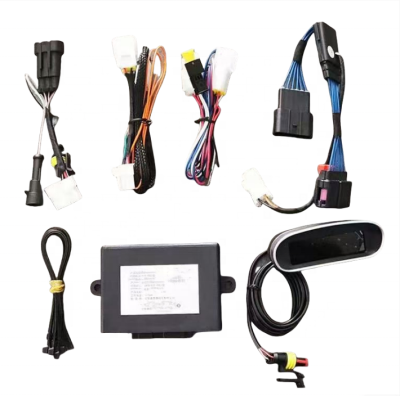
$140.00 - $160.00
MOQ: 1 pieces

$2000.00 - $2500.00
MOQ: 1 Pieces


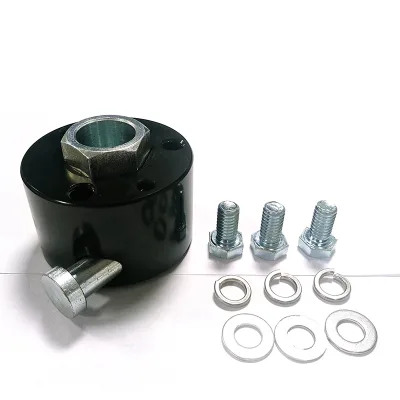
Racing Car Steering Wheel Quick Release Hub Steering Wheel Quick Release Kit
$1.00 - $20.00
MOQ: 100 Pieces




Comprehensive Sourcing Guide
Car Steering Wheel Sourcing Guide
Sourcing car steering wheels requires a clear understanding of the diverse product landscape, which ranges from universal aftermarket accessories to specialized OEM components. Buyers must first distinguish between general-purpose covers and integrated electronic systems, as the procurement strategy differs significantly for each category. The market offers items labeled as universal fitment, often constructed from materials like leather and aluminum, designed for easy installation on various vehicle models. These products typically emphasize aesthetic customization and basic ergonomic improvements rather than complex electronic integration. Procurement teams should evaluate whether the end-use case demands simple cosmetic upgrades or functional enhancements that interface with the vehicle’s existing electrical architecture.
Conversely, the supply chain also includes advanced steering solutions, such as electric steering wheels designed for specific applications like agricultural machinery or heavy-duty equipment. These systems often feature torque motors, canbus signal compatibility, and custom power outputs, requiring a more rigorous technical vetting process. Buyers must assess the compatibility of these electronic components with their target machinery, ensuring that voltage requirements and signal protocols align with the host system. Understanding this dichotomy between passive covers and active electronic controls is essential for defining accurate technical specifications and avoiding mismatches between supplier offerings and operational needs.
Product Scope and Observed Listing Signals
The observed product listings reveal a wide variance in material composition and structural design, reflecting the broad scope of available steering wheel solutions. Common attributes include the use of leather combined with aluminum frames for standard automotive applications, providing a balance of durability and tactile comfort. Some listings specify dimensions such as 35x35x10 cm, indicating standardized sizing for universal fitment products. Buyers should note that material claims vary, with some items described as stainless steel or other composites, necessitating careful verification of material certificates to ensure they meet specific durability or aesthetic requirements for the intended vehicle type.
Packaging and origin data further illustrate the fragmented nature of the supply base, with products originating from regions like Dongguan and Ningbo in China. Listings indicate diverse packaging methods, ranging from simple carton packing to specialized bag or box transportation, which impacts logistics planning and cost estimation. Some products are marked with specific model numbers like HLSW4001 or XR-F1, suggesting distinct manufacturing lines for different use cases. Buyers must correlate these model identifiers with their specific application requirements, as generic descriptions often mask significant differences in build quality, component sourcing, and intended operational environment.
Technical Specifications to Verify
Technical verification is critical when sourcing steering wheels, particularly for electronic or specialized applications. Buyers must confirm key specifications such as power source requirements, with some electric models operating on 12V DC systems. It is essential to verify the motor type, such as torque motors, and ensure that torque outputs, ranging from 6-11 N.M in observed listings, align with the mechanical demands of the target machinery. Signal compatibility, including canbus integration, must be validated to prevent communication errors with the vehicle’s control units. These technical parameters are non-negotiable for functional systems and require direct confirmation from the supplier to avoid integration failures.
Environmental and operational tolerances are equally important for long-term reliability. Buyers should verify working temperature ranges, which may span from -20°C to +70°C, and storage temperatures up to +85°C, depending on the product’s intended environment. Weight specifications, such as 1.5 lbs or 1.500 kg, influence handling and installation procedures, particularly for larger agricultural or industrial steering wheels. Additionally, cable size customization options must be clarified, as standard lengths may not suit all vehicle configurations. Ensuring these technical details are explicitly documented in the purchase order prevents costly modifications and ensures seamless installation.
Compliance and Safety Documentation
Compliance and safety documentation form the backbone of responsible procurement, ensuring that steering wheels meet regulatory standards for their intended markets. Buyers must verify that products carry relevant certifications, such as CE marking, which indicates conformity with health, safety, and environmental protection standards for products sold within the European Economic Area. For automotive applications, additional safety standards may apply, requiring suppliers to provide test reports or compliance certificates that validate the structural integrity and electrical safety of the steering wheel. These documents are essential for customs clearance and legal operation in regulated industries.
Warranty and inspection policies also play a crucial role in risk management. Some listings indicate unavailable warranty periods or lack video outgoing-inspection services, which can increase the risk of receiving defective units. Buyers should prioritize suppliers who offer transparent warranty terms and robust quality assurance processes, including third-party inspection reports. Understanding the brand name, such as XHF or Titpeor, can also provide insights into the supplier’s reputation and after-sales support capabilities. Establishing clear compliance requirements in the contract ensures that suppliers are accountable for meeting all necessary regulatory and safety benchmarks before shipment.
Cost Drivers and Commercial Terms
Cost drivers for steering wheels include material quality, customization levels, and order volume. Products with custom features, such as tailored cable sizes or specific color options, typically command higher prices due to the additional manufacturing complexity. The observed price range of $0.1 to $6000 USD reflects this disparity, with basic covers costing significantly less than integrated electronic systems. Buyers must evaluate the total cost of ownership, including shipping, tariffs, and potential rework costs, rather than focusing solely on the unit price. Understanding these cost components helps in negotiating better terms and selecting suppliers that offer the best value for specific project requirements.
Commercial terms, including minimum order quantities (MOQ) and payment methods, significantly impact procurement flexibility. MOQs can range from 1 to 5000 pieces, with some suppliers requiring a minimum of 50 pieces for custom orders. Payment methods vary, with options like L/C, D/P, T/T, Western Union, and Money Gram available, each carrying different levels of risk and convenience. Delivery times, typically ranging from 7 to 15 days, must be factored into production schedules. Buyers should negotiate terms that align with their cash flow and inventory management strategies, ensuring that commercial agreements support operational efficiency and financial stability.
Supplier Qualification and Quality Control
Supplier qualification is a critical step in mitigating procurement risks, requiring a thorough assessment of manufacturing capabilities and quality control processes. Buyers should verify the supplier’s production capacity, facility certifications, and history of fulfilling similar orders. For electronic steering wheels, it is essential to confirm the supplier’s expertise in integrating components like torque motors and canbus systems. Requesting samples before placing bulk orders allows buyers to evaluate build quality, material authenticity, and functional performance. This due diligence helps identify reliable partners who can consistently meet technical specifications and delivery timelines.
Quality control measures should be explicitly defined in the purchase agreement, including inspection points and acceptance criteria. Buyers should inquire about the supplier’s internal quality assurance protocols, such as incoming material inspections, in-process checks, and final product testing. For products lacking video outgoing-inspection services, third-party inspection agencies can provide an additional layer of verification. Establishing clear communication channels for addressing defects or non-conformities ensures that issues are resolved promptly. A robust supplier qualification process lays the foundation for a stable supply chain and reduces the likelihood of disruptions or quality-related disputes.
Long-Term Procurement Checks
Long-term procurement success depends on continuous monitoring of supplier performance and market dynamics. Buyers should establish key performance indicators (KPIs) to track delivery reliability, product quality, and responsiveness to issues. Regular audits and performance reviews help identify areas for improvement and ensure that suppliers remain aligned with evolving business needs. For customized products, maintaining open communication with suppliers facilitates ongoing adjustments and innovation. Building strong relationships with qualified suppliers fosters collaboration and can lead to better pricing, priority production, and access to new technologies.
Market trends and technological advancements in steering wheel design also require ongoing attention. Buyers should stay informed about emerging materials, electronic integration trends, and regulatory changes that may impact product specifications. Periodic reviews of the supply base help identify alternative suppliers and mitigate risks associated with single-source dependencies. By proactively managing supplier relationships and staying abreast of industry developments, buyers can ensure a resilient and efficient procurement process. This strategic approach supports long-term cost savings, operational continuity, and competitive advantage in the marketplace.
FAQs
What materials are used for Car Steering Wheel covers?
The product utilizes a combination of leather and aluminum for the cover construction. This material selection ensures durability and a premium tactile feel for the driver. The design is engineered to provide a secure grip while maintaining aesthetic appeal. These materials are chosen for their resistance to wear and tear during daily use.
Can I customize the Car Steering Wheel specifications?
Yes, customization is available for this product line. Buyers can request specific model numbers and cable sizes to match their requirements. The standard allows for customized configurations to suit different vehicle types. This flexibility ensures that the final product aligns precisely with the buyer's operational needs and preferences.
What is the typical lead time for Car Steering Wheel orders?
The delivery time is typically between 7 to 15 days after order confirmation. This timeframe allows for production and quality checks before shipment. Buyers should account for this period when planning their inventory. The lead time is consistent across standard orders unless specific customizations require additional processing time.
How is the Car Steering Wheel packaged for shipping?
The product is packaged in either a carton or a bag for transportation. This packaging method protects the item during transit and handling. The packing box ensures safe delivery to the destination. Buyers can choose the packaging type that best suits their logistics requirements and storage conditions.
What is the minimum order quantity for car steering wheels?
The minimum order quantity is 50 pieces for this product. This MOQ applies to standard orders and allows for efficient production runs. Buyers must meet this threshold to initiate the manufacturing process. The quantity ensures cost-effectiveness for both the supplier and the purchaser.
Where is the Car Steering Wheel manufactured?
The product originates from Dongguan, Guangdong, China. This location is a known hub for manufacturing automotive accessories. The production facility adheres to local standards and practices. Buyers can verify the origin for compliance with their regional import regulations and sourcing strategies.