Source Anti-Scratch Center Console Cover for Cars, Trucks, and RVs
Find and compare 30 Anti-Scratch Center Console Cover options from verified suppliers. Evaluate materials like neoprene and polypropylene, check customization features, and review specifications to select the best fit for your automotive needs; compare the available evidence and request quotations based on your requirements.
Key considerations
Products List


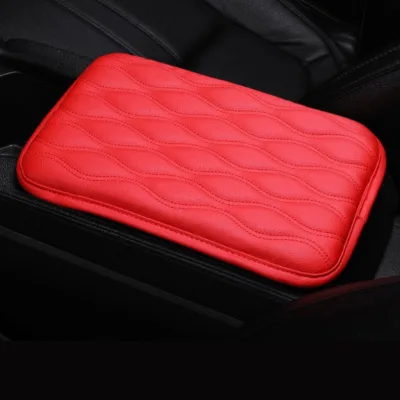

Control Room Good Quality Console Center
$460.00 - $650.00
MOQ: 1 Meters
Beijing Jingcheng Chuangxin Intelligent Technology Co., Ltd.

New Style Control Center Control Console
$460.00 - $650.00
MOQ: 1 Meters
Beijing Jingcheng Chuangxin Intelligent Technology Co., Ltd.
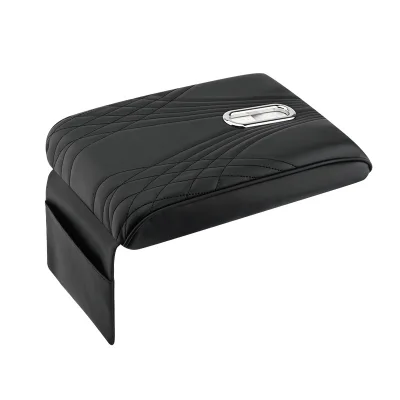

Car Center Console Cover Premium Synthetic Leather Car Armrest Cover Cushion
$1.29 - $1.43
MOQ: 700 Pieces

Car Center Console Cover Smooth Leatherette Fabric Car Armrest Cover Cushion
$2.17 - $2.41
MOQ: 420 Pieces

Car Center Console Cover Luxurious Microfiber Leather Car Armrest Cover Cushion
$1.36 - $1.50
MOQ: 700 Pieces

Car Center Console Cover Cozy Microfiber Leather Car Armrest Cover Cushion
$2.29 - $3.23
MOQ: 350 Pieces

Car Center Console Cover Shiny Microfiber Leather Car Armrest Cover Cushion
$1.90 - $2.11
MOQ: 500 Pieces
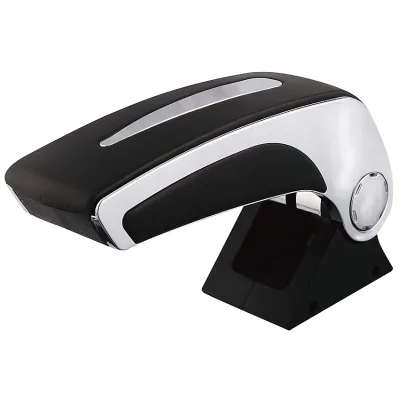
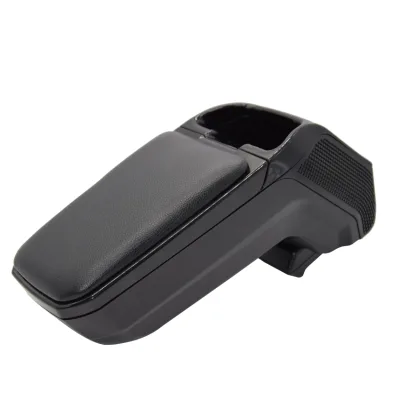


$2.15 - $3.65
MOQ: 1000 Pieces


Comprehensive Sourcing Guide
Anti-Scratch Center Console Cover Sourcing Guide
Procurement professionals seeking anti-scratch center console covers must first distinguish between rigid protective shells and flexible material liners, as the supplied data indicates a market dominated by soft, universal-fit options. The observed product attributes reveal a prevalence of neoprene and spun-bonded polypropylene materials, which offer distinct advantages in flexibility and breathability compared to traditional hard plastics. Buyers should verify whether the specific listing targets a universal fit or a custom-molded application, as the "Make to Order" and "Universal Size" specifications suggest a bifurcated supply chain where standardization varies significantly by manufacturer.
When evaluating listings, the presence of features like "Anti-Tear," "Anti-Static," and "Frost Protection" signals a focus on durability and environmental resistance rather than purely aesthetic enhancement. The "Silkscreen" logo capability and "Simple" style attributes indicate that many suppliers prioritize functional customization over complex design, catering to fleet managers or bulk buyers who require branding without high tooling costs. It is critical to confirm that the "Waterproof" and "UV Protection" claims align with the intended vehicle environment, as these properties are explicitly listed for specific material grades but may not apply to all soft cover variants in the catalog.
Product Scope and Observed Listing Signals
The current market for center console protection displays a wide variance in material composition, ranging from 100% polypropylene spun-bonded fabrics to neoprene blends, each serving different functional needs. Listings frequently cite "Disposable Supplies" or "Bag" applications alongside automotive uses, suggesting that some suppliers offer multi-purpose protective sheets that can be adapted for console covers if the dimensions and texture match the requirement. Buyers must scrutinize the "Weight Range" of 9-220GSM to ensure the selected material provides sufficient rigidity to prevent scratching while remaining flexible enough to conform to the console's contours without bunching.
Observations of "Black," "White," and "Pure" color options alongside "Optional" color availability highlight the importance of aesthetic matching in the final selection process. The "Dot" pattern and "Spunbond" technical specifications suggest a textured surface designed to reduce glare and improve grip, which are essential for preventing scratches caused by sliding objects. However, the "Leatheriness: B Class" attribute found in some seat part listings indicates that true leather-like finishes are a separate category, and buyers seeking a premium look must explicitly verify if the anti-scratch cover includes a leather backing or is strictly a fabric-based solution.
Technical Specifications to Verify
Dimensional accuracy is paramount when sourcing these covers, as the data presents conflicting standard sizes such as 25.4 x 1 x 19.05 cm and 511cm alongside "Universal Size" and "1.35m*1.5m" roll formats. Procurement teams must clarify whether the product is sold as a pre-cut insert or a roll material that requires on-site cutting, as the "Packed in Roll" and "OPP" packing methods imply different handling and installation procedures. The "Width: 58/60 inch" specification for certain materials suggests that some suppliers provide bulk fabric rolls rather than finished covers, requiring the buyer to manage the cutting and finishing process internally or negotiate a custom cutting service.
Material composition directly influences the anti-scratch performance, with "Neoprene" offering superior cushioning and "Polypropylene" providing cost-effective, lightweight protection. Buyers should verify the "Backing Material," specifically noting the "PVC" backing mentioned in seat part listings, as this layer determines the cover's ability to adhere to the console surface without slipping. The "Condition: New" and "Position: Front Row" attributes confirm that these products are intended for primary use areas, but the "Domestic" grade classification for some materials may indicate a lower durability threshold compared to international standards, necessitating a sample test for abrasion resistance before bulk ordering.
Compliance and Safety Documentation
Safety and environmental compliance are critical for automotive interior components, and the available data lists certifications such as ISO, RoHS, and CE for specific product models. While these certifications are present in the supply chain, they are not universally applied to every listing, particularly those marked with "Domestic" grade or specific to "Disposable Supplies." Buyers must request explicit documentation confirming that the anti-scratch cover meets the specific automotive interior flammability and VOC emission standards required by their target market, as the general "Eco-Friendly" and "Anti-Bacterial" claims do not automatically guarantee compliance with rigorous automotive safety regulations.
The "MOQ: 500PC" and "MOQ: 500" thresholds observed in the data suggest that smaller buyers may face challenges sourcing certified products without meeting minimum volume requirements. It is essential to verify if the "OEM Logo" acceptance includes the necessary legal disclaimers and trademark clearances, especially when the product is intended for resale or fleet branding. Additionally, the "25.4 x 1 x 19.05 cm" and "511cm" standard dimensions may imply compliance with specific packaging or shipping regulations, but buyers should confirm that the final product dimensions do not violate any regional safety standards regarding interior obstruction or airbag deployment zones.
Cost Drivers and Commercial Terms
Pricing in this sector is heavily influenced by material choice, with neoprene and PVC-backed options generally commanding higher prices than spun-bonded polypropylene alternatives. The observed price range of 0.04 to 650 USD reflects this disparity, where the lower end likely corresponds to bulk fabric rolls or simple protective sheets, while the higher end covers custom-molded, branded, or multi-functional units with advanced features like "UV Protection" and "Frost Protection." Buyers should anticipate that customization costs, such as "Silkscreen" logo application or specific color matching, will add a premium to the base unit price, particularly when the order quantity falls below the standard 500-piece threshold.
Commercial terms vary significantly based on the "Product Origin," with suppliers from Dongguan and Zhejiang offering different lead times and logistical advantages. The "40days" packing lead time noted in some listings indicates that custom orders may require extended production windows, necessitating careful inventory planning to avoid stockouts. Furthermore, the "OPP" and "Polybag" packaging options affect the final landed cost, as specialized packaging for "Color Box" delivery or roll packing may incur additional fees. Buyers must clarify whether the quoted price includes the "Universal" fit guarantee or if it is strictly for a custom dimension, as this distinction can significantly impact the total cost of ownership.
Supplier Qualification and Quality Control
Supplier qualification should prioritize manufacturers who explicitly demonstrate the ability to meet the "Make to Order" and "Customization" requirements observed in the market. The presence of "ISO, RoHS, CE" certifications in the data suggests that reputable suppliers in Dongguan and Zhejiang possess the necessary quality management systems, but buyers must verify that these certifications apply to the specific anti-scratch product line and not just general factory operations. Requesting a "New" condition sample with "B Class" leatheriness or equivalent texture is essential to validate the tactile quality and ensure the material does not degrade under UV exposure or friction.
Quality control protocols must address the specific "Feature" set of "Waterproof," "Mothproof," and "Anti-Tear" to ensure the product performs as advertised in real-world conditions. Buyers should implement a rigorous inspection process that tests the "Anti-Static" and "Anti-Pull" properties, as these are critical for preventing damage to the console surface during installation and daily use. The "Simple" style and "Dot" pattern attributes indicate that visual consistency is a key quality metric, requiring suppliers to maintain strict color control for "Black," "White," and "Pure" variants to ensure uniformity across large fleet orders.
Long-Term Procurement Checks
Sustaining a reliable supply chain for anti-scratch center console covers requires ongoing monitoring of material consistency and supplier adherence to the "Domestic" or "International" grade standards. Buyers should establish a periodic review process to verify that the "Weight Range" of 9-220GSM remains stable, as fluctuations in GSM can alter the protective thickness and durability of the cover over time. Regular audits of the "Production Origin" and "MOQ" flexibility are also necessary to ensure that suppliers can scale production up or down without compromising the "Universal" fit or the "Silkscreen" logo quality.
Long-term success depends on maintaining a relationship with suppliers who can adapt to changing automotive trends, such as the shift toward more eco-friendly materials or advanced "UV Protection" technologies. Buyers should track the performance of the "Frost Protection" and "Breathable" features in different climate zones to ensure the covers remain effective throughout their lifecycle. Finally, maintaining a clear record of "Certification" renewals and "Standard" compliance updates will help mitigate risks associated with regulatory changes, ensuring that the procurement strategy remains robust and compliant with evolving industry requirements.
FAQs
What materials are used for protective center console covers?
Protective center console covers are typically made from durable materials like neoprene or 100% polypropylene. Neoprene offers a soft, flexible fit with features such as waterproof and anti-tear properties. Polypropylene options are often spun-bonded for disposable or lightweight applications. These materials ensure the console is shielded from scratches, dust, and daily wear while maintaining a simple and functional aesthetic for universal vehicle compatibility.
Can I customize the logo on the center console cover?
Yes, customization is available for most protective center console covers. Buyers can request silkscreen logo printing to brand their products or personal items. Many suppliers accept OEM logo requests, allowing for specific branding needs. This customization option is suitable for both soft neoprene cases and polypropylene protective sheets, enabling businesses to add their identity to the product while maintaining standard protective functions like mothproof and anti-static features.
What are the standard packaging methods for these covers?
Packaging methods vary by product type and material. Soft neoprene cases are often packed in OPP bags for retail presentation. Polypropylene protective sheets are typically packed in rolls or polybags for bulk handling. Some seat parts or specific models may come in color boxes. The packaging is designed to protect the item during shipping, ensuring features like waterproofing and breathability remain intact until the product reaches the end user or installer.
What certifications do protective console covers typically have?
Protective console covers and related automotive accessories often carry ISO, RoHS, and CE certifications. These certifications indicate compliance with international quality and safety standards. While specific product attributes may vary, certified items ensure that materials like neoprene or polypropylene meet regulatory requirements for environmental and safety performance. Buyers should verify specific certification documents with suppliers to ensure the products meet their regional compliance needs and quality expectations.
What is the typical MOQ for ordering these covers?
The minimum order quantity varies significantly based on the product type and customization level. For standard protective cases or sheets, MOQs can range from 500 pieces to 10,000 units. Some suppliers may accept lower MOQs for simple items, while customized OEM orders with specific logos or specifications often require higher volumes. Buyers should confirm the exact MOQ with the supplier, as it depends on the material, size, and production capacity available.
Are these covers suitable for universal vehicle applications?
Yes, many protective center console covers are designed for universal application. They are often labeled as universal size or make-to-order to fit various console dimensions. Features like waterproofing, anti-tear, and breathability make them versatile for different vehicle types. Buyers can select from standard sizes or request custom dimensions to ensure a proper fit. These covers provide effective protection against scratches and dust for a wide range of automotive interiors.