Source Lightweight Mould-Proof Car Roof Panel for Decoration, Structure, Function
Compare 30 listings for Lightweight Mould-Proof Car Roof Panel options featuring PC and aluminum materials. Buyers can evaluate customization, fire ratings, and surface finishes for building and construction applications; compare the available evidence and request quotations based on your requirements.
Key considerations
Products List


Exterior Lightweight Composite Outdoor Wall Cladding Panel for RV
$13.80 - $40.80
MOQ: 1000 Square Meters

Sustainable Roof Panels - High Strength and Eco-Friendly for Long Durability
$12.00 - $16.00
MOQ: 500 Square Meters


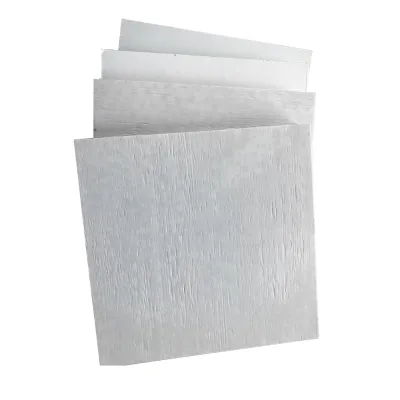


Durable Multi-Use Roofing Panels for Versatile Building Solutions
$3.00 - $4.70
MOQ: 1000 Square Meters

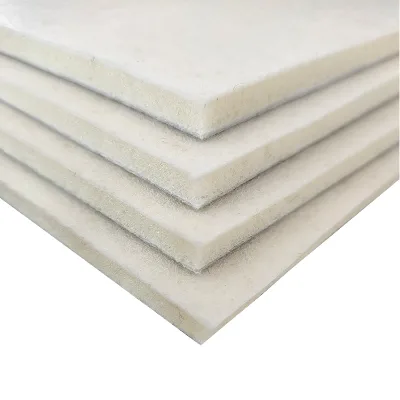
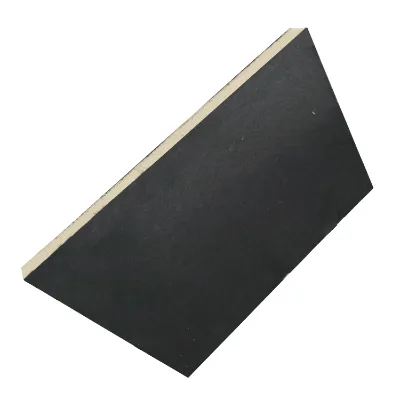


Comprehensive Sourcing Guide
Lightweight Mould-Proof Car Roof Panel Sourcing Guide
Procurement professionals seeking lightweight mould proof car roof panels must first recognize that the supplied market data primarily features architectural aluminum composite panels and polycarbonate sheets rather than automotive-specific roof components. The observed product attributes highlight materials like PC and aluminum alloys with fireproofing and anti-bacterial functions, which are critical for building facades and curtain walls. Buyers must carefully distinguish between these construction-grade materials and the specialized automotive requirements for impact resistance, vibration damping, and specific vehicle aerodynamics.
When evaluating listings, it is essential to verify that the "mould proof" and "lightweight" claims align with the intended automotive application rather than general building decoration. The available data indicates products with B1 or A2 fire ratings and anti-corrosion properties, which are valuable for vehicle safety but may not satisfy the structural load requirements of a car roof. Sourcing teams should prioritize suppliers who can demonstrate how their standard architectural specifications, such as the 1220x2440mm standard sizes, can be adapted or customized to meet the unique dimensional and performance constraints of automotive manufacturing.
Product Scope and Observed Listing Signals
The current market signals for lightweight mould proof panels are dominated by aluminum composite panels and polycarbonate extrusions designed for exterior building applications. The observed product range includes materials with core compositions of LDPE or broken/unbroken cores, offering features like high-temperature resistance and light transmittance. While these attributes suggest durability, buyers must confirm if the specific "mould proof" capability extends to the humid and variable temperature environments typical of vehicle interiors and under-hood compartments.
Listing signals also reveal a wide variety of surface finishes, including solid, glossy, metallic, and wood-grain options, alongside coating types like PE and PVDF. These finishes are optimized for architectural aesthetics and weather resistance on building exteriors. For automotive use, the buyer must verify if these coatings provide the necessary UV stability and chemical resistance against road salts and cleaning agents. The presence of "multi-color" and "customized" options indicates flexibility, but the core material composition must be validated to ensure it meets the specific weight and fire-safety standards required for vehicle roof integration.
Technical Specifications to Verify
Buyers must rigorously verify the dimensional tolerances and thickness specifications, as the observed data lists widths ranging from 760mm to 2200mm and lengths up to 5800mm. These dimensions are typical for large building panels but may require significant cutting or custom fabrication to fit specific vehicle roof geometries. The standard sizes of 1220x2440mm and 1500x3000mm are common, yet automotive applications often demand non-standard, curved, or smaller panel sizes that require precise extrusion or forming capabilities.
Technical verification must also focus on the core material integrity and fire rating, as the data specifies B1 and A2 fire-proof cores alongside aluminum alloys like AA1100 and AA3003. The "mould proof" attribute is linked to anti-bacterial and mould-proof functions, which are critical for preventing microbial growth in vehicle cabins. However, the buyer must confirm that the specific core material, whether LDPE or aluminum, maintains structural rigidity under the dynamic loads and thermal expansion cycles experienced by a car roof during operation.
Compliance and Safety Documentation
Safety documentation for these panels must address fire ratings and material toxicity, as the observed listings cite CE, ASTM, ISO, and Green Leaf certifications. The data explicitly mentions "100% Asbestos Free" status and fire ratings up to level 4, which are vital for ensuring passenger safety in enclosed vehicle spaces. Procurement teams should request specific test reports that validate these fire ratings under automotive testing protocols, as standard building certifications may not fully cover the unique fire dynamics of a vehicle roof in a crash scenario.
Compliance verification should also extend to environmental and chemical safety standards, given the "environmental" feature noted in the product attributes. Buyers need to ensure that the PE/PVDF coatings and core materials do not off-gas harmful volatile organic compounds (VOCs) when exposed to the heat generated by sunlight on a car roof. The presence of certifications like ISO suggests a baseline quality management system, but specific automotive industry standards for material safety and emissions must be requested to confirm the product's suitability for interior and exterior vehicle use.
Cost Drivers and Commercial Terms
Cost drivers for lightweight mould proof panels are heavily influenced by the customization level and the specific aluminum alloy grade selected. The observed MOQ range of 1 to 5000 units suggests that smaller orders may incur higher per-unit costs, while larger volumes could leverage the "customized" nature of the production. Buyers should anticipate that specialized automotive dimensions and surface finishes, such as metallic or brushed textures, will command a premium over standard architectural sizes and solid colors.
Commercial terms must account for the "sea worthy" and "export wooden crate" packaging requirements observed in the listings, which add to the overall landed cost. Lead times and shipping logistics are critical, as the products originate from locations like Tianjin and Shandong, China. Procurement teams should negotiate clear terms regarding the handling of custom orders, as the "customized" attribute implies a longer production cycle compared to standard stock items, and clarify who bears the risk for damage during the transport of large, lightweight panels.
Supplier Qualification and Quality Control
Supplier qualification should prioritize manufacturers with proven experience in extrusion and surface finishing processes, as the data highlights "extrusion" as a forming way and "coating" as a surface finishing method. The presence of multiple origin locations, including Tianjin and Shandong, indicates a competitive manufacturing base, but buyers must verify the specific factory's capability to produce automotive-grade components rather than just building materials. Quality control protocols must include checks for the consistency of the "lightweight" attribute and the uniformity of the "mould proof" treatment across the panel surface.
Quality control procedures must also validate the structural integrity of the "broken core" or "unbroken core" options, ensuring they meet the load-bearing requirements of a vehicle roof. Buyers should request sample testing for the "anti-corrosion" and "high temperature resistance" claims, as these properties are essential for long-term performance in automotive environments. Establishing a clear communication channel for defect resolution is crucial, given the "customized" nature of the orders and the potential for dimensional discrepancies in non-standard automotive applications.
Long-Term Procurement Checks
Long-term procurement checks must focus on the durability of the "anti-bacterial" and "mould-proof" features over the vehicle's lifecycle. Buyers should monitor the performance of the PE/PVDF coatings under prolonged UV exposure and thermal cycling to ensure they do not degrade, peel, or lose their aesthetic appeal. Regular audits of the supplier's production consistency are necessary to maintain the "lightweight" and "fireproof" characteristics that are critical for ongoing vehicle safety compliance.
Sourcing teams should also establish a feedback loop to track any field failures related to the "structural components" or "functional components" aspects of the panels. Since the data indicates a "building & construction" market focus, buyers must verify that the supplier has successfully adapted these materials for automotive use in other projects. Continuous monitoring of the supplier's certification status, particularly regarding ISO and ASTM standards, ensures that the long-term supply chain remains compliant with evolving automotive safety regulations and environmental standards.
FAQs
What materials are used for lightweight mould proof car roof panels
These panels typically use PC or aluminum alloy skins with an LDPE core. The surface often features PE or PVDF coatings to enhance durability. This construction supports lightweight structural needs while maintaining anti-corrosion and mould-proof properties for various architectural applications.
What are the standard dimensions for these car roof panels
Common standard sizes include 1220x2440mm and 1500x3000mm, with widths ranging from 760mm to 2200mm. Lengths often reach up to 5800mm. Customized dimensions are available to fit specific project requirements, ensuring flexibility for both standard and unique architectural designs.
Can these panels be customized for specific project requirements
Yes, customization is available for colors, sizes, and surface finishes. Options include solid, glossy, metallic, wood, or mirror effects. Buyers can specify exact dimensions and coating types to match their design needs, ensuring the panels integrate seamlessly into their construction projects.
What certifications do lightweight mould proof car roof panels hold
Products often hold CE, ASTM, ISO, and Green Leaf certifications. These standards verify compliance with international safety and quality requirements. Such certifications help buyers ensure the materials meet necessary regulatory and performance benchmarks for their specific construction applications.
How is the packaging handled for these car roof panels
Panels are packed in sea-worthy wooden crates, frames, or pallets to ensure safe transport. This packaging protects the surface finish and structural integrity during shipping. Proper packing is essential for maintaining product quality from the factory to the construction site.
What are the key functional features of these panels
Key features include fireproofing, anti-bacterial properties, and static resistance. The panels are lightweight and anti-corrosion, making them suitable for exterior and interior use. These attributes enhance the longevity and safety of the building structure while reducing maintenance needs.
Where are these lightweight mould proof car roof panels manufactured
Manufacturing locations include Tianjin and Shandong in China. These regions are known for producing high-quality building materials. Sourcing from these areas often provides competitive pricing and reliable supply chains for international buyers seeking consistent product quality.