Source Alloy Dresser Door Straightener for Cabinets, Drawers, and Wardrobes
Find and compare 30 Alloy Dresser Door Straightener options from verified suppliers. Evaluate materials like aluminum and zinc, finishes such as chrome plating, and customization services for home furniture applications; compare the available evidence and request quotations based on your requirements.
Key considerations
Products List


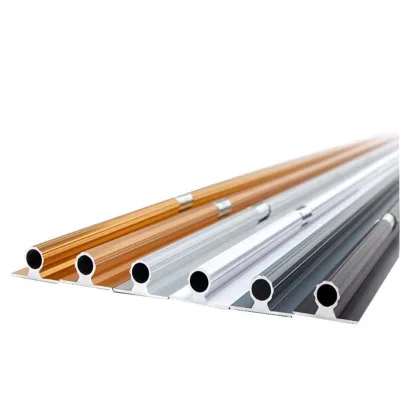


$1999.00 - $2999.00
MOQ: 1 SET




Door Hardware Lever Handle Zinc Alloy Brush Nickel Safety Lock Door Handle
$3.50 - $4.50
MOQ: 300 Pieces


Comprehensive Sourcing Guide
Alloy Dresser Door Straightener Sourcing Guide
Procuring alloy dresser door straighteners requires distinguishing between fixed hardware and customizable solutions based on specific furniture dimensions. The market offers products with standardized lengths ranging from 1600mm to 2800mm, alongside options for fully customized sizes to fit unique cabinetry. Buyers must verify whether the supplier provides fixed models or flexible customization services, as this decision directly impacts the fit and functionality within home furniture applications.
Material composition is a critical differentiator, with listings frequently citing Aluminium Alloy 6063-T5 or Zinc Alloy as primary construction materials. These metals are selected for their durability and resistance to corrosion, ensuring the straightener maintains structural integrity over time. Sourcing teams should confirm the specific alloy grade and temper, as these factors influence the weight, strength, and finish quality of the final product delivered to the assembly line.
Product Scope and Observed Listing Signals
The observed product range includes door straighteners designed specifically for cabinets, drawers, dressers, and wardrobes, often marketed under keywords like "Kitchen Hardware Cabinet Handle." Listings indicate a strong presence of OEM and ODM services, allowing buyers to request tailored branding or specific design modifications. This flexibility is essential for furniture manufacturers who need components that align with their unique aesthetic and functional requirements without compromising on structural performance.
Surface finishing processes such as chrome plating and electroplating are common observations, providing both aesthetic appeal and protective layers against wear. The availability of standard carton packing or box-carton options suggests varied logistics needs, while some suppliers offer gravity casting and CNC machining capabilities for complex geometries. Buyers should scrutinize these finishing details to ensure they meet the visual and tactile standards required for high-end furniture collections.
Technical Specifications to Verify
Dimensional accuracy is paramount, with specific open slot measurements like 12.6mm and standard sizes such as 202156mm appearing in product data. Verification of these precise measurements ensures compatibility with existing drawer slides and cabinet frames, preventing installation failures or operational friction. Buyers must cross-reference these specifications against their own design blueprints to confirm that the straightener will function seamlessly within the intended assembly.
Model numbers such as HT-24, S288, and FX-LZQ indicate distinct product lines that may vary in load-bearing capacity or mounting style. It is crucial to validate the forging tolerance, which is observed at +/-0.1mm in some listings, to guarantee consistent quality across large production batches. Confirming the machining process, whether CNC or gravity casting, helps assess the precision and repeatability of the manufacturing output for long-term reliability.
Compliance and Safety Documentation
Certification status is a primary indicator of supplier reliability, with common listings displaying CE, ISO 9001, RoHS, and CCC marks. These certifications suggest adherence to international safety and quality management standards, which is vital for exporting furniture to regulated markets. Procurement teams should request valid certificates for each batch to ensure that the materials and manufacturing processes comply with the specific regulatory requirements of the destination country.
Material safety and environmental compliance are further reinforced by the use of certified alloys and surface treatments that meet RoHS directives. Buyers must verify that the electroplating and chrome plating processes do not introduce hazardous substances that could violate environmental regulations. Ensuring that the supplier maintains up-to-date documentation for these standards protects the buyer from potential legal liabilities and supply chain disruptions.
Cost Drivers and Commercial Terms
Minimum Order Quantities (MOQ) vary significantly, with observed ranges spanning from 200 pieces to 1500 pieces depending on the customization level. Higher MOQs often correlate with lower unit costs, but buyers must balance this against their inventory turnover rates and storage capabilities. Understanding the specific MOQ for a desired model or custom finish is essential for accurate budgeting and production planning.
Lead times are another critical commercial factor, with delivery windows typically ranging from 15 to 35 days based on order complexity and current production schedules. Suppliers in Guangdong and Jiangxi, China, are common origins, and their proximity to logistics hubs can influence shipping costs and transit times. Buyers should negotiate clear delivery timelines and penalty clauses for delays to mitigate the risk of production stoppages in their own manufacturing facilities.
Supplier Qualification and Quality Control
Supplier location and origin play a significant role in the supply chain, with major manufacturing hubs identified in Guangdong and Jiangxi provinces. These regions offer established ecosystems for metal processing and hardware production, providing access to a wide range of skilled labor and raw materials. Verifying the specific factory location helps buyers assess the logistical feasibility and potential risks associated with long-distance shipping and customs clearance.
Quality control processes, including CNC machining and gravity casting, must be rigorously audited to ensure consistent product performance. Buyers should inquire about the supplier's internal testing protocols and whether they conduct random sampling or full-batch inspections before shipment. Establishing a clear quality assurance framework with the supplier is necessary to maintain the high standards required for furniture components that undergo frequent use.
Long-Term Procurement Checks
Sustaining a reliable supply chain requires regular audits of the supplier's ability to maintain consistent material grades and finish quality over time. Buyers should monitor the supplier's adherence to the specified alloy compositions and surface treatment standards to prevent degradation in product performance. Continuous communication regarding any changes in manufacturing processes or material sources is essential to maintain product integrity throughout the contract period.
Future scalability is another key consideration, as the supplier must demonstrate the capacity to increase production volumes without compromising quality or lead times. Evaluating the supplier's history of handling large orders and their flexibility in adapting to design changes ensures they can support the buyer's growth. Establishing a long-term partnership based on mutual trust and verified performance metrics will secure a stable supply of high-quality alloy dresser door straighteners.
FAQs
What materials are used for the Alloy Dresser Door Straightener?
The main product is made from aluminium alloy, with models listed in Aluminium Alloy 6063-T5 and zinc alloy options, plus iron parts produced by gravity casting. Aluminium 6063-T5 is commonly chosen for furniture hardware because it balances strength and finishing quality. Confirm the alloy grade and surface treatment, such as chrome plating or electroplating, with the supplier before ordering.
Can the door straightener be customized in size and finish?
Yes, customization is available. Listings show customized sizes, models in lengths such as 1600/2000/2400/2800mm and 1500/1800/2100/2440/2780mm, a 12.6mm open slot, and chrome plated finishing. OEM and ODM service is offered, so buyers can specify dimensions, finish, and packing. Share drawings or specifications with the manufacturer to receive a tailored quotation and production schedule.
Which certifications do the listed alloy door straightener suppliers hold?
Listed certifications include CE, ISO, RoHS, and CCC, with one listing citing ISO 9001 quality management and another showing ISO and CE. Certification coverage varies by listing, so request valid, current certificates from the specific factory you intend to work with. Ask which certificates apply to the exact model number, such as FX-LZQ or HT-24 series, that you plan to purchase.
How long is the delivery time for Alloy Dresser Door Straightener orders?
Listed delivery times range from 15-20 days to 25-35 days depending on the supplier and order details. Lead time typically depends on order quantity, customization level, and current production capacity. If your project schedule is fixed, confirm the exact lead time in writing before placing a purchase order, and factor in shipping time to your destination port.
What is the minimum order quantity for these door straighteners?
Minimum order quantities vary across listings, with observed values including 200 pieces and 500 pieces, while the overall listing range spans 1 to 1500 units. Smaller trial orders may be possible for some suppliers, and samples are available according to the listings. Contact the factory with your required quantity to confirm the applicable MOQ and per-unit pricing.
How are the products packed and shipped from the origin?
Listed packing options include standard carton packing, box-carton packing, and standard export package. The listed place of origin is Guangdong, China, with one listing showing Jiangxi. Export-grade cartons protect the chrome plated and electroplated surfaces during transit. Confirm the packing method, carton markings, and container loading arrangement with the supplier, especially if you plan mixed-product container shipments.
Which applications suit the kitchen and wardrobe hardware handles listed?
Listed usage covers cabinet, drawer, dresser, and wardrobe applications, making these handles suitable for home furniture projects. The straightener products are categorized as furniture parts for home furniture use. If your project involves commercial furniture or heavier doors, discuss load and durability requirements with the manufacturer, since specifications such as the 12.6mm open slot must match your door system.