Source Alumina Ceramic Fibre Tube Furnace for Lab, Industry, Testing
Compare 30 Alumina Ceramic Fibre Tube Furnace options with varying purity levels and dimensions. Buyers can evaluate features like high-temperature resistance and thermal insulation for specific industrial and laboratory applications.
Key considerations
Products List


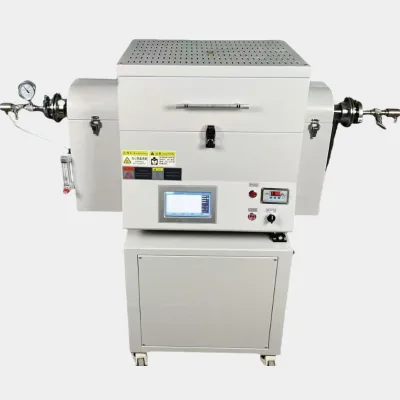


99.7% High Purity Casting Alumina Ceramic Tube for High Temperature Furnace
$2.80 - $168.00
MOQ: 1 Pieces

Comprehensive Sourcing Guide
Strategic Sourcing Guide for Alumina Ceramic Fibre Tube Furnace Components
Understanding the Technical Landscape of Alumina Ceramic Tubes
When sourcing components for a furnace system, specifically those described as alumina ceramic fibre tubes or high-purity ceramic tubes, buyers must first distinguish between the structural material and the functional application. The market offers a diverse range of products under the umbrella of "alumina ceramic," yet the specific requirements for a furnace tube differ significantly from general industrial ceramics. The core material identified in current listings is Al2O3 Ceramic, often referred to as Alumina Ceramic. This material is selected for its exceptional thermal stability and chemical inertness.
A critical observation in the current supply base is the variation in purity levels. Buyers will encounter products ranging from 40% Al2O3 up to 99.8% purity. For high-temperature furnace applications, the most common specifications observed are 95%, 99%, 99.5%, and 99% purity grades. The selection of the correct purity grade is a primary technical decision, as it directly influences the refractoriness and mechanical strength of the tube. The refractoriness for these high-alumina products is typically observed in the range of 1580°C to higher limits, depending on the specific formulation.
The physical form factor is equally important. While the core keyword mentions "fibre tube," the actual product listings predominantly feature solid ceramic tubes, rods, and furnace tubes. These are available in various shapes including round, square, oval, and half-tube configurations. The standard outer diameter (OD) ranges can extend from 10mm up to 800mm, with some manufacturers offering custom sizes up to 600mm. The inner diameter (ID) typically starts from a minimum of 1mm, and wall thicknesses are available from 1.5mm upwards. The forming methods used to create these tubes include extrusion, ISO pressing, and dry pressing, each offering different density and dimensional characteristics.
Compliance, Certification, and Regulatory Standards
In the B2B procurement of industrial heating components, verifying compliance is as critical as verifying dimensions. The supply chain for alumina ceramic tubes often involves manufacturers from China, specifically regions like Henan. When evaluating potential suppliers, buyers should look for specific certifications that indicate a commitment to quality management and environmental safety.
The most frequently observed certifications in the current market include ISO9001:2008, RoHS, and Reach. Additionally, CE certification is noted as a standard requirement for many products, indicating conformity with health, safety, and environmental protection standards for products sold within the European Economic Area. While some background data mentions ISO9000, the specific and verifiable standard appearing in product attributes is ISO9001:2008. Buyers must ensure that the supplier provides valid, current certificates rather than relying on general claims of "ISO compliance."
Beyond formal certifications, the product standards themselves must be scrutinized. Many suppliers offer "custom size" or "customized" standards, meaning the product is not bound by a rigid international standard but rather by the agreed-upon specifications between buyer and seller. However, for standard dimensions, tolerances are a key metric. The observed nominal tolerance is typically 1% of dimensions. For high-precision applications, the precision tolerance is more stringent, with outer diameters (OD) toleranced to +/-0.005mm and inner diameters (ID) to +/-0.01mm. These tight tolerances are essential for ensuring a proper fit within furnace assemblies and preventing thermal leakage or mechanical failure.
Cost Drivers and Pricing Variables
The pricing structure for alumina ceramic tubes is highly variable, influenced by a complex matrix of material composition, dimensional complexity, and processing requirements. The observed price range in the market spans from $0.30 to $25,000 USD. This wide disparity is not indicative of a single product type but rather reflects the spectrum from small, standard-sized tubes to large, custom-engineered furnace tubes.
The primary cost driver is the Al2O3 purity. A tube with 99.5% purity will command a significantly higher price than one with 95% or 75% purity due to the cost of raw materials and the energy-intensive sintering process required to achieve high density. The density of these materials is another factor, with observed values exceeding 3.65g/cm3. Higher density generally correlates with better mechanical strength and thermal shock resistance, justifying a higher price point.
Secondary processing also adds substantial cost. While basic tubes may be supplied with a standard surface finish, many applications require secondary processing such as CNC machining, polishing, glazing, or metallizing. The surface roughness requirements, such as an outer surface Ra0.1 and inner surface Ra0.4, necessitate additional manufacturing steps that increase the final unit cost. Furthermore, the minimum order quantity (MOQ) plays a role in the unit price. The observed MOQ range is 1 to 100 units. Small orders, particularly for custom sizes, often carry a premium per unit compared to bulk orders of standard models like the ACT-4 or TUBE-1700.
Typical Applications and Performance Characteristics
Alumina ceramic tubes are engineered for environments where extreme temperatures and corrosive atmospheres are present. The primary application for these components is as furnace tubes, heating elements housings, or protective liners in industrial kilns. The product attributes highlight "High-Temperature Resistant" and "Good Thermal Insulation Performance" as key features, making them ideal for use in tube furnaces where precise temperature control is required.
The material's "Low Thermal Conductivity" is a specific advantage for insulation applications, helping to maintain thermal efficiency within the furnace chamber. Conversely, for heating elements, the "High Mechanical Strength" ensures the tube can withstand the thermal expansion and contraction cycles without cracking. The color of the product, typically white, ivory, pink, or black, can sometimes indicate the presence of specific dopants or the firing atmosphere, though white is the most common for high-purity grades.
The versatility of the product extends to various shapes. While round tubes are standard, the availability of square, oval, and half-tube shapes allows for integration into non-circular furnace designs. The "Ceramic Heating Equipment" classification suggests these tubes are often integral parts of the heating assembly itself, rather than just passive liners. The "Wear Resistance" feature is particularly relevant for applications involving the movement of materials through the tube or exposure to abrasive gases.
Supplier Evaluation and Origin Verification
When selecting a supplier for alumina ceramic tubes, origin verification is a crucial step. The majority of the observed products originate from China, with specific mentions of Henan as a manufacturing hub. While this does not preclude high quality, it necessitates a rigorous vetting process to ensure the supplier has the technical capability to meet the specific purity and tolerance requirements.
Buyers should evaluate suppliers based on their customization capabilities. The market data indicates that "Customization" is widely available, with options for custom sizes, shapes, and surface finishes. A supplier's ability to handle "Customized and standard optional" models suggests flexibility in production. However, buyers must verify if the supplier has the specific machinery for the required forming methods, such as extrusion versus dry pressing, as this affects the grain structure and final strength of the tube.
Packing methods are another indicator of supplier professionalism. The observed packing options include wooden cases, wooden boxes, and cartons with EPE foam. For high-precision tubes with tight tolerances, the use of EPE foam and individual packaging is essential to prevent chipping or dimensional deformation during transit. A supplier that defaults to loose packing for precision components may indicate a lack of attention to detail in the final quality control stage.
Quality Control and Dimensional Verification
Quality control in the procurement of ceramic tubes must focus on dimensional accuracy and surface integrity. The "Norminal Tolerance" of 1% is a baseline, but for furnace applications, the "Precision Tolerance" is often the deciding factor. Buyers should explicitly request verification of OD and ID tolerances, specifically looking for the +/-0.005mm and +/-0.01mm ranges observed in high-grade listings.
Surface finish is another critical quality metric. The options of polished, glazed, or metalized finishes serve different purposes. A polished finish with a roughness of Ra0.1 is necessary for applications requiring low friction or high cleanliness. The presence of a glazed surface can enhance chemical resistance, while metallizing may be required for electrical grounding or specific thermal expansion matching. Buyers should request sample pieces to verify the surface roughness and check for defects such as micro-cracks or porosity, which can compromise the tube's performance at high temperatures.
The "Forming Methods" also impact quality. Extruded tubes generally have a more uniform grain structure along the length, while dry-pressed tubes may have different density profiles. Understanding the manufacturing process allows the buyer to anticipate potential weaknesses in the product. For instance, if the application involves rapid thermal cycling, the density and forming method must be verified to ensure the tube can withstand thermal shock without failure.
Long-Term Procurement and Lifecycle Considerations
Sourcing alumina ceramic tubes is not merely a transactional purchase but a long-term investment in furnace reliability. The "Customization" availability allows for the optimization of the tube to the specific furnace geometry, reducing the need for adapters or modifications that could introduce failure points. However, buyers must consider the lead time implications of custom orders. While standard models like the ACT-4 or TUBE-1700 may have shorter lead times, custom-sized tubes with specific tolerances and surface finishes will require longer production cycles.
The "Optional Material" list, which includes Zirconia, Aluminium Nitride, and Silicon Nitride, suggests that buyers should remain open to alternative materials if alumina does not fully meet their performance needs. For example, if the application requires higher thermal conductivity or better mechanical strength at ultra-high temperatures, these alternative ceramics might be more suitable. However, the core focus remains on the Al2O3 Ceramic for its balance of cost and performance.
Finally, the "Wooden Case" and "Cartons with EPE Foam" packing options highlight the importance of logistics in the procurement process. Buyers should factor in the cost and logistics of receiving large diameter tubes (up to 800mm OD) and ensure that their receiving facilities can handle the weight and dimensions of the wooden cases. Establishing a long-term relationship with a supplier who can consistently deliver high-purity tubes with tight tolerances is essential for maintaining the operational efficiency of industrial furnace systems. By adhering to these technical and quality standards, buyers can ensure a reliable supply chain for their critical heating applications.
FAQs
What purity levels are available for alumina ceramic tubes?
Purity levels range from 40% to 99.8%, with common grades being 95%, 99%, and 99.5%. Higher purity grades offer better thermal stability and mechanical strength for furnace applications.
Which certifications do these ceramic tube manufacturers hold?
Suppliers typically hold ISO9001:2008, RoHS, and Reach certifications. Some products also carry CE certification to ensure compliance with European safety and environmental standards.
Can I order custom sizes for these ceramic furnace tubes?
Yes, customization is widely available for size, shape, and surface finish. Buyers can specify dimensions up to 800mm outer diameter with tolerances as tight as +/-0.005mm.
How is the product packed for safe shipping?
Products are packed in wooden cases, wooden boxes, or cartons with EPE foam. Individual packaging is used for high-precision tubes to prevent chipping during transit.
What are the typical dimensions for these ceramic tubes?
Outer diameters range from 10mm to 800mm, while inner diameters start at 1mm. Wall thicknesses are available from 1.5mm upwards depending on the specific model required.
Which forming methods are used to manufacture these tubes?
Manufacturing involves extrusion, ISO pressing, and dry pressing techniques. The chosen method affects the grain structure and density, which impacts the tube's thermal shock resistance.