Source Aluminium Alloy Cutting Fishing Pliers with Safety Lock for Fishing, Crimping, and Cutting
Find 30 listings of Aluminium Alloy Cutting Fishing Pliers with Safety Lock designed for fishing, crimping, and general cutting tasks. Buyers can compare models like m110a and m831a with serrated jaws and straight or crooked shafts from suppliers in Guangdong.
Key considerations
Products List


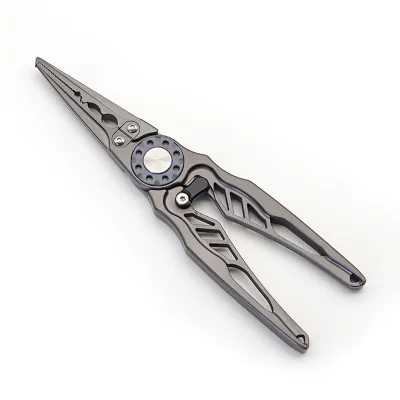
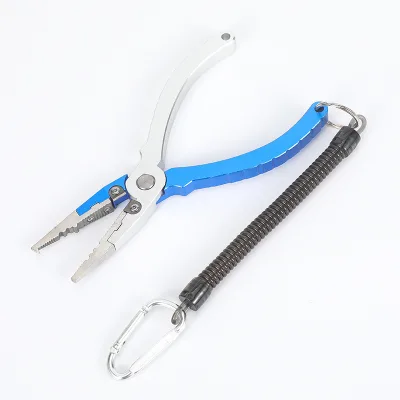


Fishing Pliers Removal Tool Split Ring Multi Hook Remover Aluminium Pliers
$1.00 - $3.00
MOQ: 500 Pieces

Fishing Pliers Long Reach Hook Remover Pliers with New Jaw-Locking Device
$1.00 - $3.00
MOQ: 500 Pieces

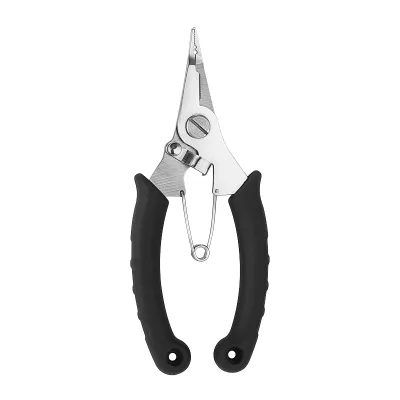
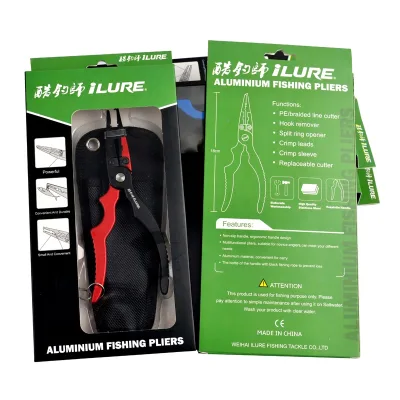


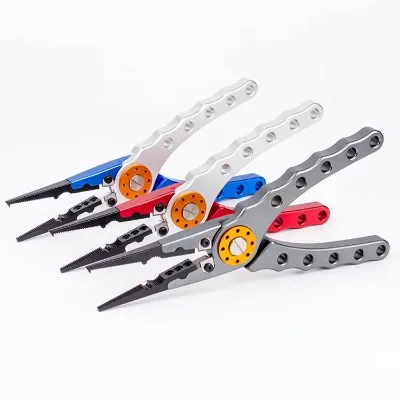
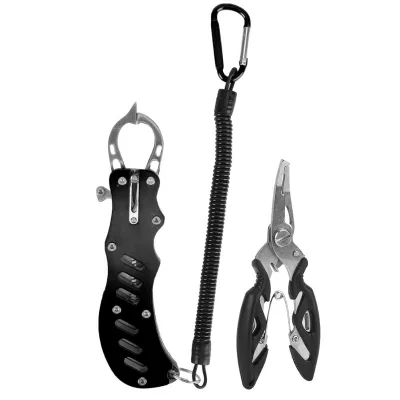

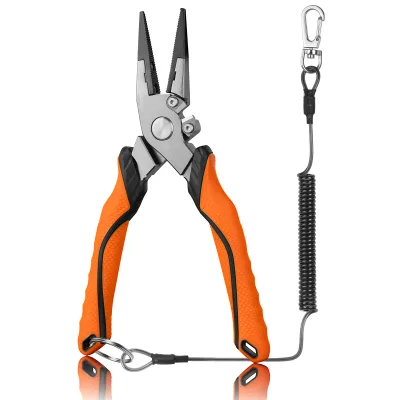
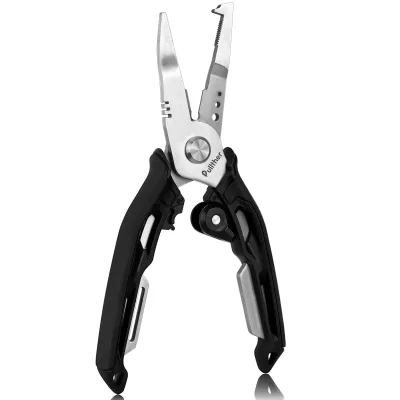
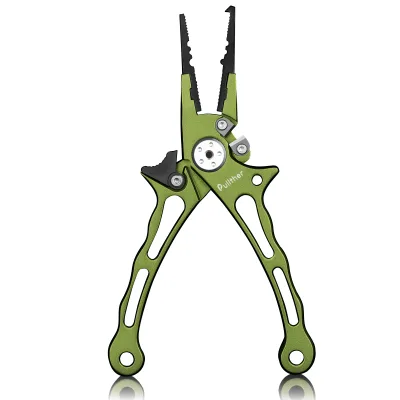
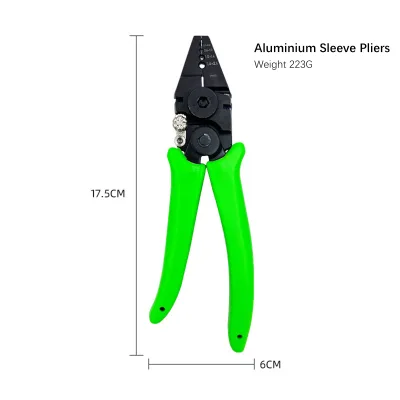
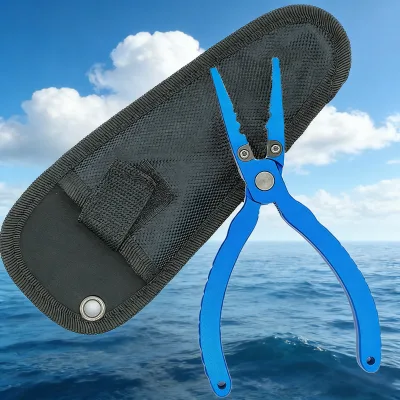
7.5-inch Fishing Crimping Tool Pliers Wire Pliers Crimping Tool Fishing Tool
$6.74 - $6.95
MOQ: 500 pieces
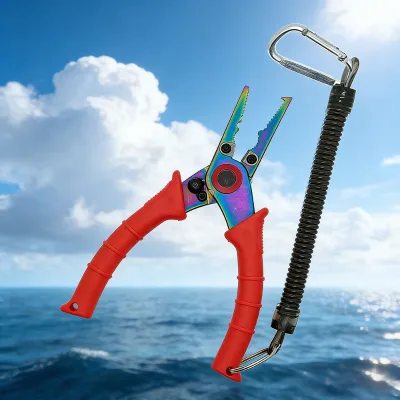
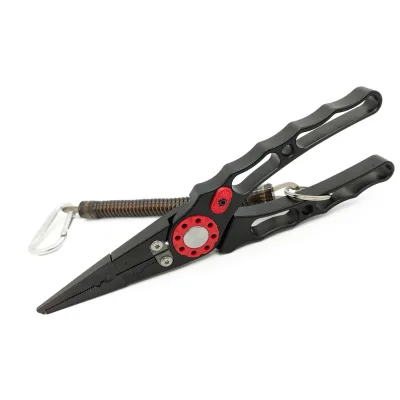
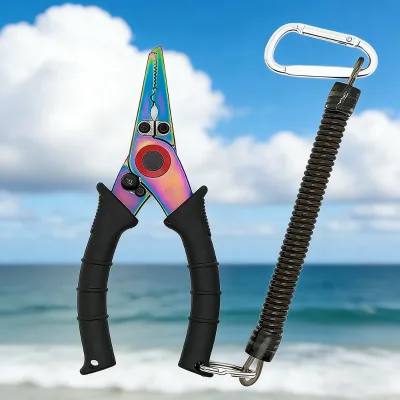

Comprehensive Sourcing Guide
Strategic Sourcing Guide for Aluminium Alloy Cutting Fishing Pliers with Safety Lock
Understanding Product Specifications and Functional Attributes
When sourcing aluminium alloy cutting fishing pliers with a safety lock, buyers must first distinguish between the core functional requirements and the specific variations found in the market. The primary utility of these tools lies in their dual capability for cutting and wire stripping, alongside specialized functions such as crimping and punching. The product category is frequently categorized under wire clippers, yet the application extends significantly into fishing, where the ability to twist and cut line is paramount. The observed market data indicates that these tools are designed for adult use and are often characterized by a long nose shape, which facilitates access to tight spaces around fish hooks and lures.
The material composition is a critical differentiator. The supplied facts confirm that the handle material is frequently an aluminium alloy, providing a balance between lightweight portability and structural integrity. In some configurations, the material specification includes a combination of aluminium and stainless steel, particularly in the jaw and cutting surfaces. This hybrid approach ensures that the cutting edges remain sharp and resistant to corrosion, which is essential for the marine environment. The jaw texture is consistently noted as serrated, a feature designed to grip slippery fish scales and lines securely without slippage during the cutting process.
A specific observation regarding the shaft style reveals a dichotomy in the market. While some models feature a straight shaft, others are designed with a crooked or bent shaft. The bent shaft design is particularly advantageous for fishing applications as it allows the user to cut line at an angle without the handle interfering with the fish or the boat's edge. The jaw bend is typically specified as 0° for straight models, but the crooked variants inherently possess a bend to accommodate ergonomic handling. The length of the tool varies, with specific models observed at 16.5 cm, 17 cm, 19 cm, and 19.5 cm. Buyers should verify the exact length required for their specific application, as the 19 cm and 19.5 cm models are often marketed specifically as aluminium fishing pliers, suggesting a standard size for professional use.
Technical Compliance and Certification Verification
In the B2B procurement of tools intended for industrial and specialized use, verifying compliance with safety and quality standards is non-negotiable. The supplied context mentions that certain products in this category are rated as "Esd-safe," which stands for Electrostatic Discharge safe. This attribute is crucial if the pliers are to be used in environments where sensitive electronic components, such as those found in modern fishing electronics or boat navigation systems, are present. However, buyers must not assume this feature is universal across all listings. It is imperative to request specific test reports or certification documents confirming the Esd-safe rating for any batch intended for such environments.
The standard designation "aluminium fishing pliers" appears in the product data, but this is often a descriptive category rather than a formal international standard like ISO or ANSI. Buyers should clarify whether the manufacturer adheres to specific national or international standards for hand tools, particularly regarding the tensile strength of the aluminium alloy and the hardness of the stainless steel jaws. The "grade" of the product is listed as both "DIY" and "Industrial," indicating a spectrum of quality. Industrial-grade tools typically undergo stricter quality control measures and are built to withstand higher stress loads than DIY versions. Procurement teams must explicitly request the grade certification for the specific model number to ensure the tool meets the durability requirements of professional operations.
Furthermore, the customization options available, including OEM, ODM, and OBM support, suggest that many suppliers offer tailored compliance solutions. If a buyer requires specific certifications for their target market, such as CE marking for Europe or UL certification for North America, these must be negotiated as part of the customization agreement. The absence of specific certification data in the general product facts means that the onus is on the buyer to verify the status of each supplier. It is recommended to audit the supplier's quality management system and request evidence of compliance with relevant safety standards before finalizing any order.
Cost Drivers and Pricing Structure Analysis
The pricing landscape for aluminium alloy cutting fishing pliers is influenced by several distinct factors, including material composition, manufacturing complexity, and customization levels. The observed price range in the market spans from 1 to 19 USD, a wide variance that reflects differences in quality, brand positioning, and feature sets. Lower-priced items in this range often correspond to the "DIY" grade and may utilize simpler manufacturing processes or lower-grade aluminium alloys. Conversely, items approaching the upper end of the price spectrum likely feature industrial-grade materials, more complex jaw geometries, and additional safety features like the safety lock mechanism.
The safety lock is a significant cost driver. While the core keyword emphasizes this feature, the provided facts do not explicitly detail the mechanical complexity of the lock across all models. A robust safety lock requires precise engineering to ensure it does not fail under pressure while remaining easy to operate. Models with a crooked shaft and serrated jaws may also incur higher manufacturing costs due to the additional machining required. The packing method, specified as "in Blister Box," adds a minor but consistent cost component. For bulk orders, the transition from blister boxes to bulk packaging or custom branded packaging can alter the unit cost significantly.
Customization is another primary variable affecting the final price. The availability of OEM, ODM, and OBM services implies that buyers can request specific branding, color schemes, or functional modifications. The handle color is noted as "colorful" or "black, blue," and customizing these colors or adding specific logos will typically increase the unit price. Additionally, the minimum order quantity (MOQ) ranges from 1 to 1000 units. Smaller MOQs often carry a higher per-unit cost due to the setup costs for production lines, while larger orders benefit from economies of scale. Buyers should analyze the total cost of ownership, including the potential savings from bulk purchasing, against the flexibility offered by lower MOQs.
Typical Applications and Operational Context
The versatility of aluminium alloy cutting fishing pliers with a safety lock extends beyond simple fishing tasks. The primary application is clearly identified as fishing, where the tool is used to remove hooks, cut monofilament lines, and crimp sinkers. The "twisting and cutting" performance capability is essential for handling various types of fishing line, including braided lines that require a sharp, serrated edge to sever cleanly. The long nose shape is particularly effective for manipulating lures and working in confined spaces on a boat or near a dock.
However, the application data also highlights "Cutting," "Wire Stripping," "Crimping," and "Punching" as core functions. This indicates that these tools are often marketed as multi-functional hand tools suitable for general maintenance, electrical work, and DIY projects. The "Use Place" attribute mentions "Building Decoration," suggesting that the pliers may be utilized in construction or renovation contexts for cutting wire or stripping insulation. The "Industrial" grade designation further supports their use in professional settings where durability and precision are required.
The distinction between "Fishing" and "Multi-functional" applications is important for procurement. A buyer sourcing for a fishing charter company will prioritize corrosion resistance, jaw serration, and the safety lock to prevent accidental injury. In contrast, a buyer sourcing for an electrical maintenance team will focus on the wire stripping and crimping capabilities, ensuring the tool meets the specific voltage and current handling requirements of their trade. The "Measurement System" is noted as Imperial (Inch), which is a critical detail for buyers operating in regions that use the Imperial system, such as the United States. Tools specified in inches must be compatible with the fasteners and components used in those regions.
Supplier Evaluation and Manufacturing Capabilities
Evaluating suppliers for aluminium alloy cutting fishing pliers requires a thorough assessment of their manufacturing capabilities and geographical location. The supply chain data indicates that the place of origin is primarily Guangdong, China, a region known for its robust manufacturing infrastructure and expertise in metalworking. Guangdong is a hub for tool production, offering a wide range of suppliers with varying levels of specialization. Buyers should verify the specific factory location within Guangdong to assess logistics and potential supply chain risks.
The customization support offered by suppliers, including OEM, ODM, and OBM, is a strong indicator of their flexibility and technical capability. A supplier that offers ODM (Original Design Manufacturing) can assist in refining the product design to meet specific buyer requirements, such as optimizing the safety lock mechanism or adjusting the shaft angle. OEM (Original Equipment Manufacturing) suppliers are capable of producing tools to the buyer's exact specifications, including branding and packaging. OBM (Original Brand Manufacturing) indicates that the supplier has its own brand but can also produce for others, which may imply a mature production process.
When evaluating suppliers, buyers should request detailed information about their production capacity and quality control processes. The "Single package size" of 20x10x10 cm and the "Single gross weight" of 1.200 kg provide baseline data for logistics planning. However, these figures may vary depending on the specific model and packaging. Buyers should confirm the packaging dimensions and weight for the specific model they intend to purchase to ensure accurate shipping cost calculations. Additionally, the "Selling Units" being listed as "Single item" suggests that the supplier is capable of handling both small and large orders, but buyers should clarify the lead times for bulk orders to avoid delays.
Quality Control and Long-Term Procurement Considerations
Ensuring consistent quality in aluminium alloy cutting fishing pliers requires a rigorous quality control (QC) protocol. The "jaw surface" is described as "SERRATED" in some contexts and "Not Rated" in others, highlighting the need for buyers to verify the texture and finish of the jaws. A consistent serration pattern is essential for the tool's performance, and any deviation can lead to slippage or damage to the line. Buyers should request samples for physical testing to verify the jaw texture, cutting edge sharpness, and the functionality of the safety lock.
Long-term procurement considerations include the durability of the aluminium alloy and the resistance to corrosion. Since these tools are often used in marine environments, the material must withstand exposure to salt water. The combination of aluminium and stainless steel is a strong indicator of corrosion resistance, but buyers should request material certification to confirm the grade of the stainless steel used. Additionally, the "Esd-safe" attribute, if required, must be maintained throughout the production run. Any deviation in the material or process could compromise this feature.
The "Customization" availability suggests that buyers can request specific improvements or modifications to the standard design. This flexibility allows for long-term partnerships where the product can evolve with the buyer's needs. However, customization also introduces complexity into the supply chain. Buyers should establish clear communication channels with the supplier to ensure that any changes in design or material are accurately reflected in the final product. Regular audits and quality checks are recommended to maintain consistency over time.
Comparative Analysis of Product Variants
To assist in decision-making, the following table compares key attributes of the observed product variants based on the supplied facts. This comparison highlights the differences in model numbers, lengths, and specific features that may influence the procurement decision.
| Feature | Model m110a | Model m831a | Model m803 | Model m108 | Model m115 | Model m831 |
|---|---|---|---|---|---|---|
| Primary Category | Aluminium Fishing Pliers | Aluminium Fishing Pliers | Aluminium Fishing Pliers | Aluminium Fishing Pliers | Aluminium Fishing Pliers | Aluminium Fishing Pliers |
| Length | 19 cm | 17 cm | 19.5 cm | Not Specified | 16.5 cm | Not Specified |
| Jaw Shape | Long Nose | Long Nose | Long Nose | Long Nose | Long Nose | Long Nose |
| Jaw Texture | Serrated | Serrated | Serrated | Serrated | Serrated | Serrated |
| Shaft Style | Crooked | Crooked | Crooked | Crooked | Crooked | Crooked |
| Handle Material | Aluminium Alloy | Aluminium Alloy | Aluminium Alloy | Aluminium Alloy | Aluminium Alloy | Aluminium Alloy |
| Application | Fishing, Cutting, Crimping | Fishing, Cutting, Crimping | Fishing, Cutting, Crimping | Fishing, Cutting, Crimping | Fishing, Cutting, Crimping | Fishing, Cutting, Crimping |
| Customization | Available | Available | Available | Available | Available | Available |
This table illustrates that while the core functionality remains consistent across models, the length varies significantly. Buyers should select the model that best fits their ergonomic needs and the specific tasks they perform. The consistent presence of the crooked shaft and serrated jaws across all listed models suggests that these are standard features for this category of fishing pliers. The availability of customization across all models indicates that buyers have the flexibility to tailor the product to their specific branding or functional requirements.
FAQs
What customization options are available for these pliers?
OEM, ODM, and OBM customization support is available for buyers. This allows for tailored branding, specific handle colors like black or blue, and functional modifications to meet unique procurement needs.
Which materials are used in the construction of these pliers?
The handles are made from aluminium alloy, while the jaws often combine aluminium and stainless steel. This material mix ensures lightweight portability alongside corrosion resistance and sharp cutting edges.
How does the shaft style affect the tool's usability?
The tools come in both straight and crooked shaft styles. The crooked design is particularly useful for fishing as it allows line cutting at an angle without the handle interfering with the boat edge.
Can these pliers be used for industrial applications?
Yes, the products are available in both DIY and Industrial grades. Industrial-grade versions undergo stricter quality control to withstand higher stress loads compared to standard DIY models.
What is the typical price range for these tools?
The observed price range spans from 1 to 19 USD. Lower prices often correspond to DIY grades, while higher prices reflect industrial-grade materials and complex features like safety locks.
Are these pliers safe for use near sensitive electronics?
Some models are rated as Esd-safe for use near sensitive electronic components. Buyers must verify specific test reports for this feature as it is not universal across all listed products.
What are the standard packaging dimensions for a single unit?
The single package size is typically 20x10x10 cm. The gross weight per unit is 1.200 kg, which is useful for calculating shipping costs and logistics planning for bulk orders.