Source Alto Tenor Saxophone Stand for Musicians, Schools, and Venues
Find reliable Alto Tenor Saxophone Stand options for diverse musical needs. Compare 30 listings featuring adjustable metal designs, durable construction, and various finishes to support professional and educational instrument storage securely; compare the available evidence and request quotations based on your requirements.
Key considerations
Products List


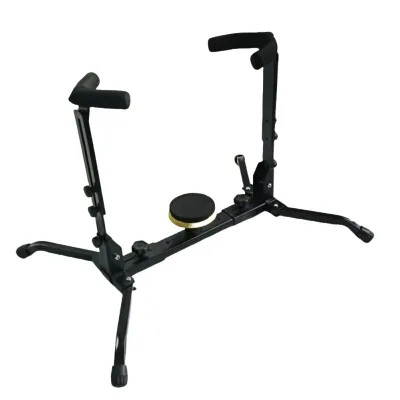
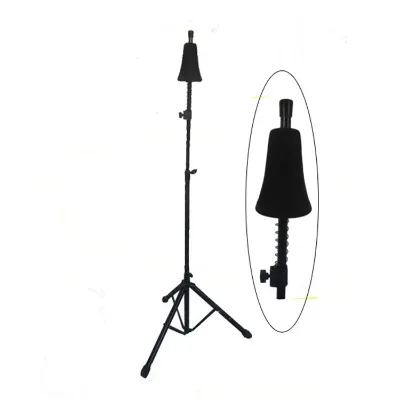
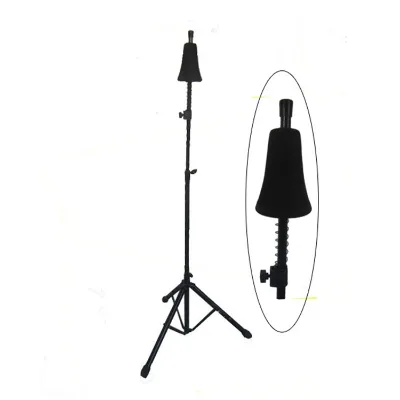
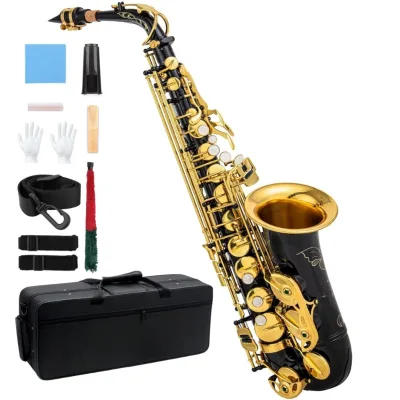
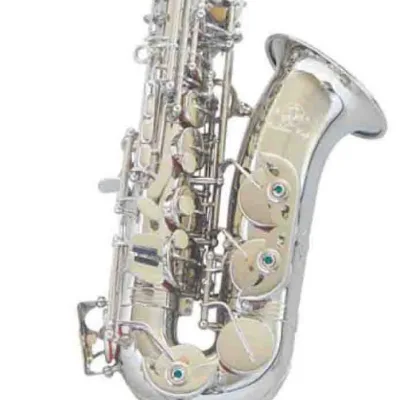
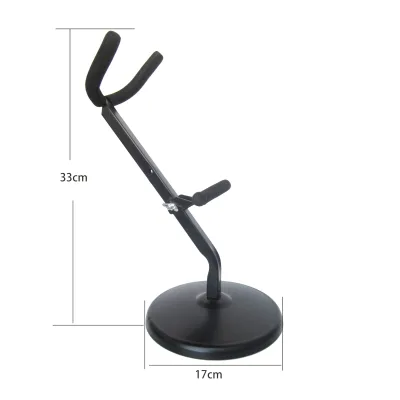
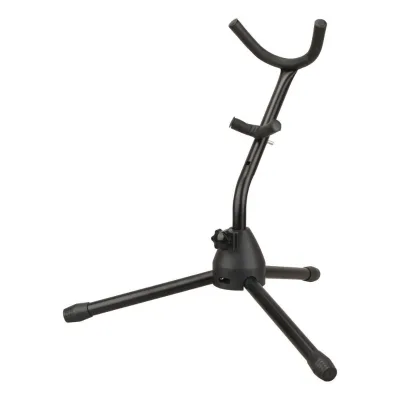
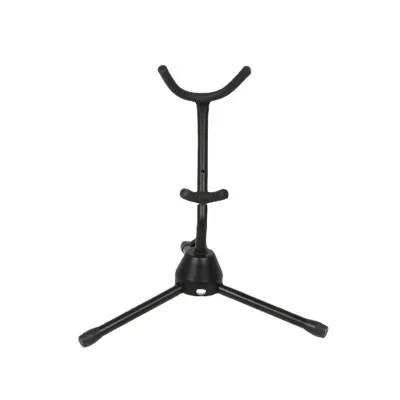
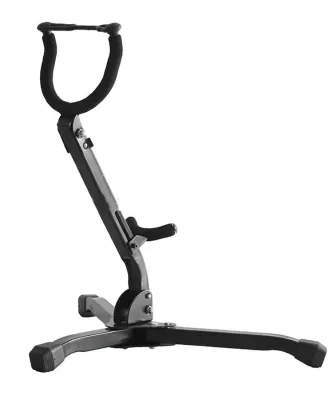
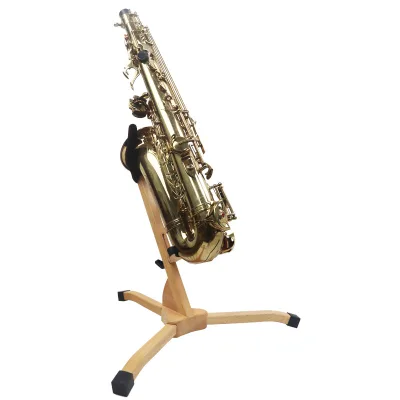


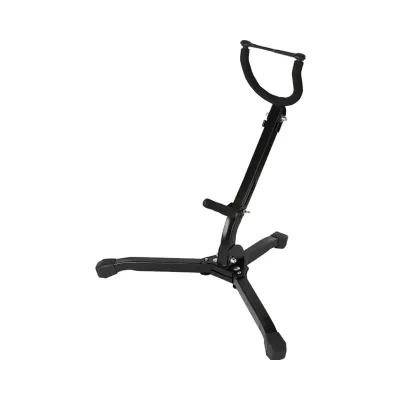
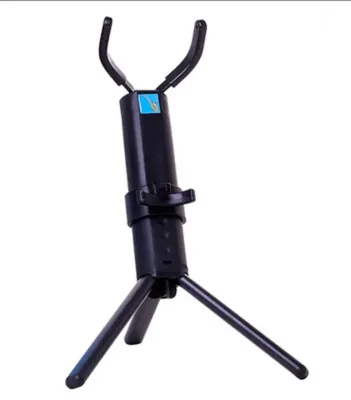


Comprehensive Sourcing Guide
Alto Tenor Saxophone Stand Sourcing Guide
Sourcing the correct support hardware for brass instruments requires a nuanced understanding of both the physical demands of the instrument and the commercial realities of manufacturing. Buyers must recognize that while the core keyword suggests a singular product category, the market offers diverse solutions ranging from basic metal frames to specialized adjustable stands. The provided data indicates a strong presence of OEM and private-label opportunities, particularly from suppliers in Tianjin, China, who cater to both individual musicians and institutional buyers. This geographic concentration often implies competitive pricing but necessitates rigorous due diligence regarding quality control and material consistency.
The procurement process is further complicated by the variability in product specifications, such as the distinction between alto and tenor saxophone requirements. Although some listings mention "Alto & Tenor" sizing, others specify models like the SS-100 or AS-226, which may refer to the saxophones themselves rather than the stands. This ambiguity requires buyers to explicitly verify whether the product is a standalone stand or a bundled accessory. Understanding this distinction is critical for accurate budgeting and inventory planning, as the unit economics and logistical requirements for a simple metal stand differ significantly from those of a complete instrument package.
Product Scope and Observed Listing Signals
The observed market signals reveal a wide spectrum of product attributes, with prices ranging from $2.4 to $600 USD and minimum order quantities (MOQs) varying from 1 to 100 pieces. This broad range suggests that the category includes everything from lightweight, single-item retail units to bulk commercial orders for professional-grade equipment. The presence of "Adjustable" and "Light Weight" features indicates a focus on portability and versatility, which are key selling points for traveling musicians and educational institutions. Buyers should interpret these signals as indicators of a mature, competitive market where customization and branding play a significant role in supplier differentiation.
Specific product details highlight the importance of material and finish in buyer decision-making. For instance, some listings specify "Import Yellow Brass" and "Antique Brass Finish," while others mention "Metal" construction with painting surfaces. These variations directly impact durability, aesthetic appeal, and cost. The mention of "Foam Body and Black 600d Polyester Cover" cases suggests that some offerings are comprehensive kits rather than standalone stands. Procurement teams must carefully parse these descriptions to ensure they are sourcing the exact hardware needed, avoiding the common pitfall of purchasing an instrument when a stand was intended, or vice versa.
Technical Specifications to Verify
Technical verification begins with confirming the physical dimensions and load-bearing capacity of the stand. Buyers must ensure that the product size, such as the noted 104-128cm range, aligns with the specific height requirements of their inventory. For saxophone stands, stability is paramount; therefore, verifying the base design and material thickness is essential to prevent tipping. The distinction between "Alto Eb" and "Tenor" models is critical, as the center of gravity and neck curvature differ significantly between these instruments. Misalignment in these specifications can lead to product damage and customer dissatisfaction, making precise technical validation a non-negotiable step in the sourcing process.
Material composition and surface treatment are equally vital technical considerations. The data mentions "Steel" and "Brass" materials, along with "Italy Leather Pads" for instrument contact points. Buyers should verify that the leather or padding material is durable and non-abrasive to protect the instrument's finish. Additionally, the "Antique Brass Finish" and "Painting" surface treatments require inspection for uniformity and resistance to corrosion. Ensuring that the metal components are treated appropriately for longevity is crucial, especially for products intended for humid environments or frequent travel. These technical details directly influence the product's lifespan and the overall user experience.
Compliance and Safety Documentation
While specific safety certifications are not explicitly detailed in the provided facts, buyers must proactively request documentation to ensure regulatory compliance. For products sold in international markets, verifying adherence to ISO9001 standards, as mentioned in some listings, is a strong indicator of a supplier's commitment to quality management systems. This certification suggests that the manufacturing process is monitored for consistency, which is crucial for maintaining product reliability. Buyers should also inquire about any relevant chemical compliance standards, particularly regarding the paints and finishes used on the metal surfaces, to ensure they meet regional regulations for consumer goods.
Safety documentation should also cover the structural integrity of the stand. Buyers need to confirm that the product has undergone stress testing to ensure it can safely support the weight of an alto or tenor saxophone without failure. Although specific test results are not provided, requesting third-party verification or internal quality reports is a prudent step. Additionally, for products involving leather pads, buyers should verify that the materials are free from harmful substances. Clear communication with suppliers regarding these compliance requirements helps mitigate legal risks and ensures that the final product meets the safety expectations of end-users.
Cost Drivers and Commercial Terms
Cost drivers in this category are heavily influenced by material selection, customization options, and packaging requirements. The availability of "Customization" and "OEM" support allows buyers to tailor products to their brand, but this often comes at a premium. The use of "Import Yellow Brass" versus standard steel or alloy will significantly impact the unit price. Furthermore, the complexity of the surface finish, such as the "Antique Brass Finish," adds to manufacturing costs. Buyers should analyze these factors to understand the price structure and negotiate effectively, ensuring that they are paying for genuine value rather than unnecessary features.
Commercial terms, including MOQs and packing details, play a crucial role in total landed cost. The observed MOQ range of 1-100 pieces offers flexibility for small businesses, while larger orders may benefit from volume discounts. The packing specifications, such as "25PCS in a Carton Box" or "Case, Inner Box and 2 PCS a Export Carton," directly affect shipping efficiency and costs. Buyers must calculate the volumetric weight and packaging density to optimize freight expenses. Clear agreement on these terms prevents unexpected charges and ensures that the supply chain operates smoothly from factory to final destination.
Supplier Qualification and Quality Control
Supplier qualification requires a thorough assessment of their manufacturing capabilities and quality control processes. Given the concentration of suppliers in Tianjin, China, buyers should verify the supplier's production capacity and lead times to ensure they can meet demand fluctuations. The presence of "OEM" and "Customized Logo" options suggests that many suppliers are experienced in private-label manufacturing. Buyers should request samples to evaluate the build quality, finish consistency, and stability of the stands. This hands-on verification is essential before committing to large orders, as it provides tangible evidence of the supplier's ability to deliver on their promises.
Quality control protocols should be established early in the relationship. Buyers must define clear acceptance criteria for defects, such as scratches, loose joints, or uneven finishes. Implementing a pre-shipment inspection process can help catch issues before the goods leave the factory. Additionally, establishing a clear communication channel for addressing quality concerns is vital for long-term success. Suppliers who are transparent about their QC processes and willing to collaborate on improvements are preferable partners. This proactive approach to quality management reduces the risk of receiving substandard products and protects the buyer's brand reputation.
Long-Term Procurement Checks
Long-term procurement success depends on continuous monitoring of supplier performance and market trends. Buyers should regularly review supplier metrics, such as on-time delivery rates, defect rates, and responsiveness to inquiries. Building a relationship with a reliable supplier ensures consistency in product quality and service, which is crucial for maintaining customer satisfaction. Additionally, staying informed about changes in material costs and manufacturing technologies can help buyers anticipate price fluctuations and adjust their sourcing strategies accordingly. This ongoing engagement fosters a resilient supply chain capable of adapting to market dynamics.
Strategic planning should also include evaluating the product lifecycle and potential for innovation. As musical instrument accessories evolve, suppliers may introduce new features or materials that enhance product value. Buyers should encourage suppliers to share updates on new developments, such as improved padding materials or more stable base designs. By maintaining a forward-looking perspective, buyers can identify opportunities to upgrade their product offerings and stay competitive. Regularly reassessing the supplier base and product portfolio ensures that the procurement strategy remains aligned with business goals and customer needs.
FAQs
What materials are used for the alto saxophone?
The alto saxophone is constructed from import yellow brass and steel components. It features an antique brass finish and Italy leather pads for durability. This professional-grade instrument is designed for adult musicians seeking reliable performance.
Can I customize the logo on the saxophone?
Yes, customization is available for the saxophone logo. Buyers can request a customized logo on the instrument body. The product supports OEM services, allowing brands to personalize the appearance while maintaining the standard concert or professional grade quality.
What is the minimum order quantity for this stand?
The minimum order quantity is one piece for individual buyers. Some listings indicate a minimum of twenty pieces for specific bulk orders. This flexible MOQ allows small retailers and large distributors to source the brass instrument stand effectively.
Which certifications does the manufacturer hold?
The manufacturer holds ISO9001 certification for quality management. This standard ensures consistent production processes for the brass instruments and stands. Buyers can verify this certification when sourcing from the Tianjin, China facility for reliable supply chain compliance.
How is the saxophone packed for shipping?
The saxophone is packed in a foam body case with a black 600d polyester cover. Export cartons contain twenty-five pieces per box for standard orders. Some models include an inner box and two pieces per export carton for specific packaging requirements.
What is the key and range of the instrument?
The instrument is an Eb Alto Saxophone with a range from Low Bb to High F#. It features adjustable keys and a light-weight design for comfortable playing. The reed is made in China, ensuring compatibility with standard playing techniques.