Source Alphabet Wooden Round Pieces for games, crafts, and education
Compare 30 listings for Alphabet Wooden Round Pieces from verified Chinese manufacturers. Buyers can evaluate specifications like size, material, and customization options to find suitable DIY toys and game components.
Key considerations
Products List




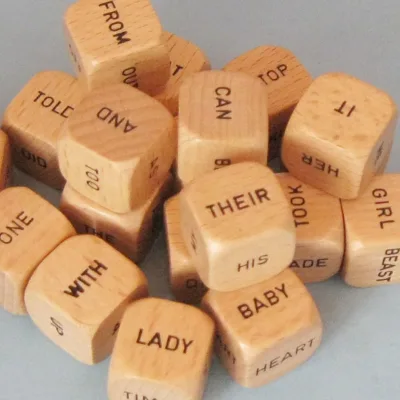


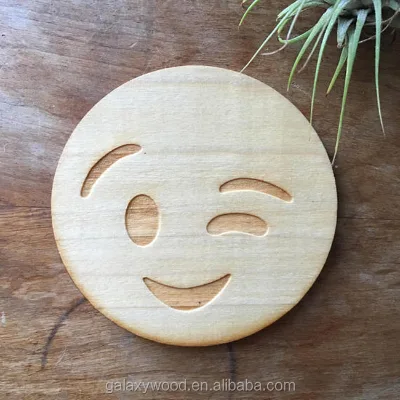
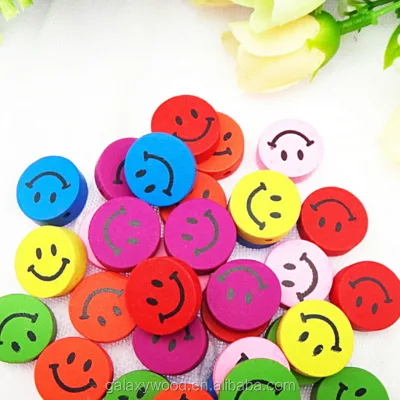
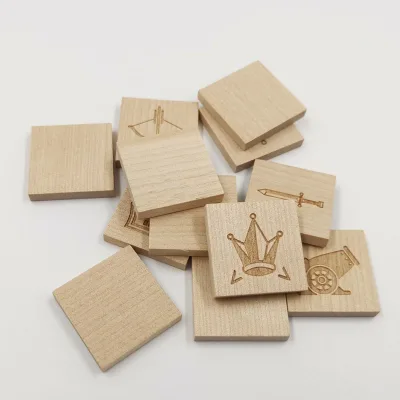
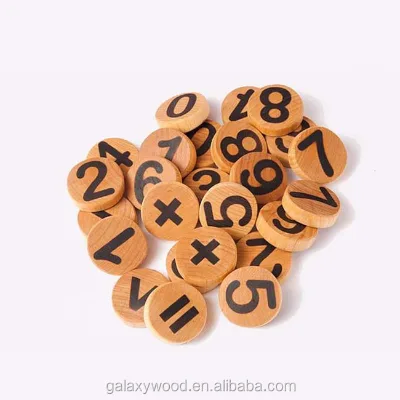
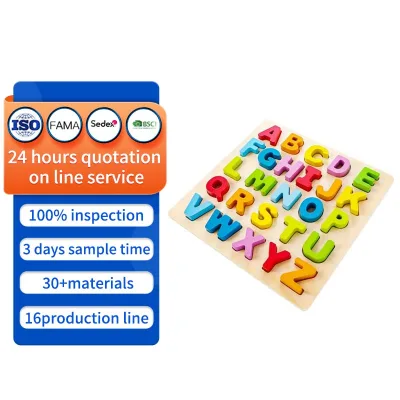
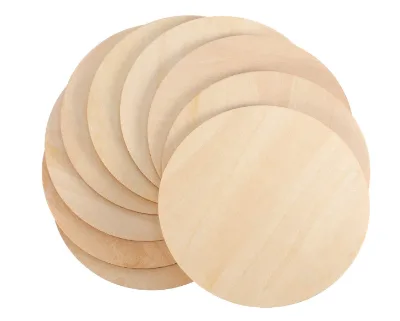
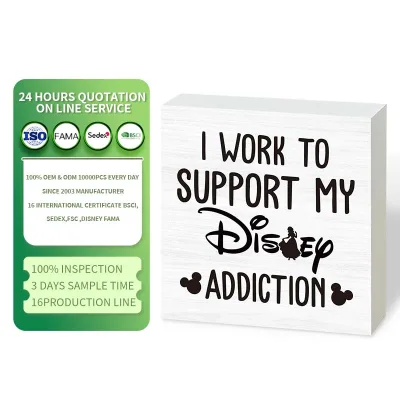
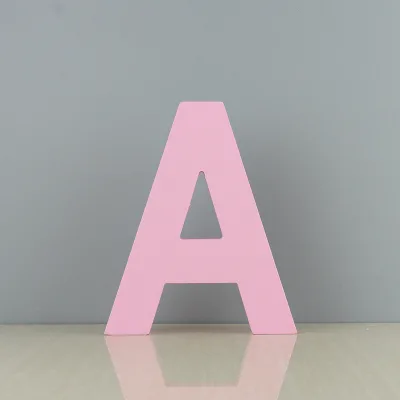
Creative Home Decoration - Pink Wooden Letter Decorative Piece with English Letters
$1.15 - $1.20
MOQ: 100 pieces


Wooden Alphabet Letter Train, Wooden Number Train, Nice Wooden Name Train
$0.20 - $0.28
MOQ: 5000 Pieces


Comprehensive Sourcing Guide
Strategic Sourcing Guide for Alphabet Wooden Round Pieces
Understanding Product Specifications and Material Composition
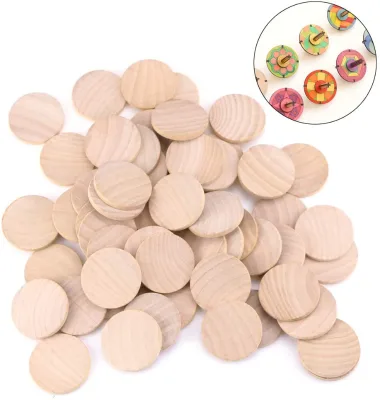
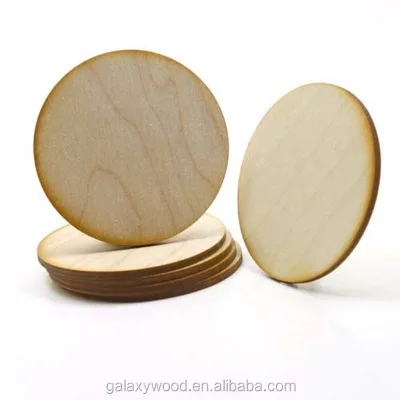
When sourcing Alphabet Wooden Round Pieces, the primary objective is to identify components that meet precise dimensional and material requirements for educational, gaming, or craft applications. The core product category typically involves natural, unfinished wood circles designed for customization. Based on observed market data, the standard material composition for these items is predominantly beech wood or general wood, selected for its durability and ease of processing. The physical dimensions are a critical specification; observed listings frequently cite a diameter of 38 mm with a thickness of 4 mm, though suppliers often offer customized sizing to accommodate specific project needs.
The manufacturing technique for these pieces usually involves polishing to ensure a smooth surface finish, which is essential for applications involving children or detailed craft work. The product is generally supplied in a natural color, serving as a blank canvas for various finishing processes such as laser engraving, printing, or painting. The shape is consistently described as a round cutout, often categorized under DIY toys or educational tools. The single package size for individual units is typically compact, often around 4x4x0.5 cm, indicating efficient logistics for small components. However, buyers must verify if the specific supplier offers the 4x4x4 cm packaging variant, as packaging dimensions can vary based on the supplier's internal logistics standards. The product is often marketed with themes related to games and educational play, targeting an age range that spans from 8 to 13 years, though some listings indicate suitability for all ages.
Compliance Standards and Safety Certifications
Safety compliance is non-negotiable when sourcing wooden components intended for toys or educational use, particularly given the target demographic often includes children. In the context of Alphabet Wooden Round Pieces, buyers must verify that products adhere to recognized international safety standards. Observed product data indicates that compliant items often carry certifications such as ASTM F963-96A and EN71. These standards are critical for ensuring that the wood and any applied finishes are free from harmful substances and that the physical properties of the toy meet safety requirements regarding choking hazards and mechanical strength.
Buyers should not assume that all listed products automatically possess these certifications. Instead, the procurement process must include a rigorous verification step where the supplier provides valid test reports or certification documents. The presence of "Eco-Friendly" as a product feature suggests a focus on sustainable sourcing, but this should be substantiated by specific material sourcing policies rather than marketing claims alone. Furthermore, the product's classification as a "Toy" or "Board Game" component triggers specific regulatory requirements in major markets like the United States and the European Union. The "Regional Feature" of Europe in some listings may imply that certain suppliers are already aligned with EU safety directives, but this requires confirmation against the specific batch of goods being ordered.
Cost Drivers and Pricing Structure Analysis
The pricing structure for Alphabet Wooden Round Pieces is influenced by several variable factors, including material grade, order volume, and customization complexity. The observed market price range for these items spans from $0.02 to $8.80 USD per unit. This wide variance is primarily driven by the Minimum Order Quantity (MOQ) and the level of customization required. The typical MOQ observed in the market ranges from 5 to 10,000 pieces, with a high-confidence benchmark of 1,000 pieces for standard orders.
Cost drivers can be categorized into three main areas. First, the raw material cost fluctuates based on the quality of the beech wood and current timber market rates. Second, processing costs increase with the addition of services such as laser engraving, custom logo printing, or specific polishing levels. Third, logistics costs are significant; while the single gross weight is low (approximately 0.03 kg per unit), the volume of the export carton (often 39x39x39 cm containing 50 pieces) impacts freight charges. Buyers should note that the "Selling Unit" is often a single item, but bulk purchasing is required to achieve competitive unit pricing. The payment terms, such as Ali Trade Assurance, provide a layer of financial security but may involve transaction fees that affect the total landed cost.
Typical Applications and Functional Use Cases
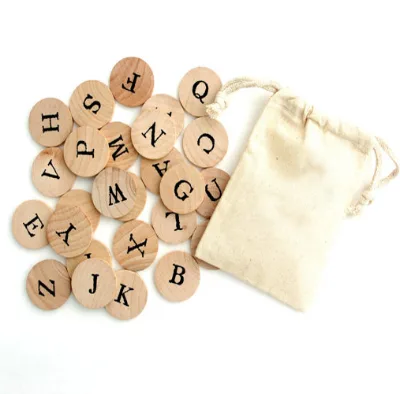
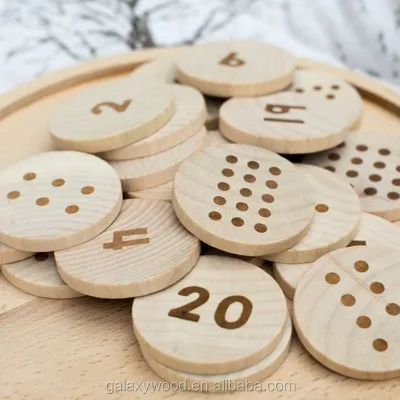
Alphabet Wooden Round Pieces serve a versatile range of applications across multiple industries. The primary use case is in the educational sector, where they function as components for DIY toys and learning aids. These pieces are ideal for creating custom board games, memory matching games, or letter recognition tools for early childhood development. The "Educational Toy" style and "Playing" function highlight their utility in fostering cognitive skills through tactile interaction.
Beyond education, these components are widely used in the arts and crafts sector. The "Art & Collectible" designation suggests that artists and hobbyists utilize these unfinished circles as bases for painting, decoupage, or resin casting. The "Customized Style of Game Piece" attribute indicates that manufacturers often produce these items specifically for board game designers who require unique, branded tokens. Additionally, the "Games" theme points to their integration into family game nights or classroom activities. The "Unisex" classification ensures broad market appeal, making these items suitable for a diverse range of end-users. The ability to accept OEM/ODM services allows brands to create proprietary game pieces or educational kits without developing their own manufacturing infrastructure.
Supplier Evaluation and Operational Capabilities
Selecting a reliable supplier requires a thorough evaluation of their operational capabilities, including production capacity, logistics, and customization flexibility. Key indicators of a capable supplier include a robust supply ability, such as the observed capacity of 50,000 pieces per month, which ensures the ability to fulfill large orders without significant delays. The location of the supplier is also a critical factor; most observed listings indicate a place of origin in Guangdong, China, a major manufacturing hub known for wood processing and toy production.
Buyers should assess the supplier's flexibility regarding customization. The acceptance of OEM/ODM services and the availability of custom logos (via laser engraving or printing) are strong indicators of a supplier's ability to meet specific brand requirements. The port of dispatch is another operational detail to consider; suppliers typically ship from major ports such as Shenzhen, Guangzhou, or Ningbo, which facilitates efficient international shipping. The delivery time, observed to range between 10 and 30 days, should be factored into the overall project timeline. Additionally, the packaging details, such as the use of OPP bags for 50 pieces followed by export cartons, should be reviewed to ensure they meet the buyer's protection and storage requirements. The "Simply" style and "Tailai" brand name observed in some listings represent specific product lines, but buyers should focus on the supplier's overall track record rather than specific brand names.
Quality Control and Long-Term Procurement Considerations
Maintaining consistent quality is essential for long-term procurement success. Buyers must implement a quality control strategy that addresses both the material integrity and the finishing processes. The "Polished" technique and "Natural" color are baseline expectations, but the consistency of the polish and the absence of splinters or defects must be verified. For customized orders, the accuracy of the laser engraving or printing is a critical quality metric. Buyers should request pre-production samples to verify that the logo placement, depth, and color match the design specifications.
Long-term procurement considerations also involve supply chain resilience. The "Customized" nature of the product standard means that any changes in the supply chain, such as raw material shortages or shifts in production capacity, could impact delivery. Establishing a clear communication channel with the supplier regarding the "prod_standard" and "prod_model" (e.g., 1015 or 1011) is vital to avoid confusion between different product variants. The "Payment" terms, such as Ali Trade Assurance, offer a mechanism for dispute resolution, but buyers should also consider the financial stability of the supplier to ensure they can sustain operations over multiple production cycles. Finally, the "Eco-Friendly" feature should be monitored to ensure that the supplier maintains sustainable practices, which is increasingly important for brand reputation and regulatory compliance in global markets.
Comparative Analysis of Product Variants
To assist buyers in making informed decisions, the following table compares key attributes of observed product variants. This comparison highlights the differences in dimensions, packaging, and specific model numbers that may influence the final selection.
| Attribute | Variant A (Standard) | Variant B (Alternative) |
|---|---|---|
| Model Number | CY-1015 / 1015 | TL-R-024 / 1011 |
| Dimensions | 38*4 mm | 38*4 mm |
| Material | Beech wood, Wood | Beech wood |
| Single Package Size | 4X4X0.5 cm | 4X4X4 cm |
| Single Gross Weight | 0.03 kg | 0.500 kg |
| Packaging Detail | 1 OPP bag for 50 pcs | Plastic Bag or Customized |
| Certification | ASTM F963-96A, En71 | Not explicitly listed |
| Style | Educational Toy | Simply |
| Brand Name | Generic / Custom | Tailai |
| Port of Dispatch | Shenzhen, Guangzhou, Ningbo | Shenzhen |
This table illustrates that while the core dimensions remain consistent, significant differences exist in packaging density and weight, which directly impact shipping costs and storage requirements. Buyers must carefully align these specifications with their logistical capabilities and end-user requirements before finalizing an order.
FAQs
What material is used for Alphabet Wooden Round Pieces?
The primary material is beech wood or general wood, selected for durability. These pieces are often finished with a polished technique and supplied in a natural color to serve as a blank canvas for customization.
Which certifications ensure safety for children using these pieces?
Compliant products often carry ASTM F963-96A and EN71 certifications. Buyers must verify valid test reports for these standards to ensure the wood and finishes meet safety requirements for toys and educational tools.
How much is the minimum order quantity for these wood circles?
The typical minimum order quantity is 1,000 pieces, though ranges from 5 to 10,000 exist. Bulk purchasing is required to achieve competitive unit pricing, with standard orders often starting at the 1,000-piece benchmark.
Can suppliers provide custom logos on these wooden pieces?
Yes, OEM and ODM services are accepted with options for laser engraving or custom printing. Buyers can request specific logo placements, but pre-production samples should be verified to ensure accuracy in depth and color.
What is the standard size for these Alphabet Wooden Round Pieces?
The standard dimension is 38 mm in diameter with a 4 mm thickness. Suppliers frequently offer customized sizing to accommodate specific project needs, but the 38x4 mm specification is the most common baseline.
How long does it take to receive an order of these pieces?
The delivery time typically ranges from 10 to 30 days after order confirmation. This lead time allows for production and packaging, which usually involves OPP bags for 50 pieces packed in export cartons.
Where are these wooden pieces typically manufactured and shipped from?
Products originate from Guangdong, China, and are dispatched from ports like Shenzhen, Guangzhou, or Ningbo. This location is a major manufacturing hub known for wood processing and toy production capabilities.