Source Aluminum Alloy Precision Perfume Cap for Bottles, Packaging, Cosmetics
Compare 30 listings for Aluminum Alloy Precision Perfume Cap options including plastic and alloy variants with sizes like FEA17mm and EU-HL. Evaluate customization, MOQs, and origins from Jiangsu, China to find suitable suppliers for cosmetic closures.
Key considerations
Products List

Factory Perfume Bottle Cap Custom Zinc Alloy Customized-Shaped Perfume Cap
$0.12 - $0.20
MOQ: 500 Pieces


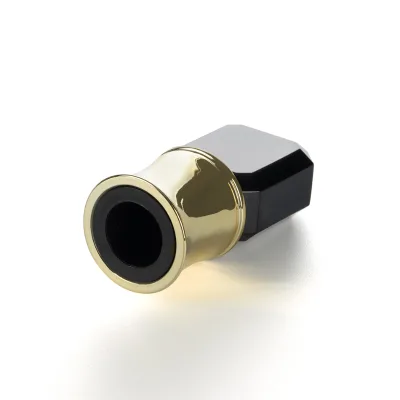
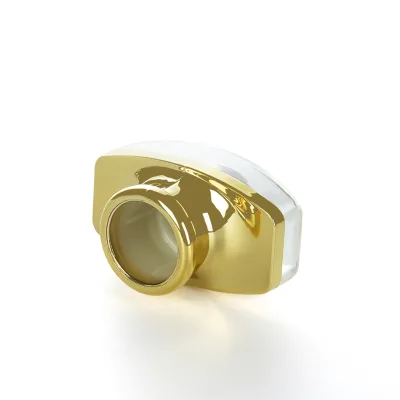
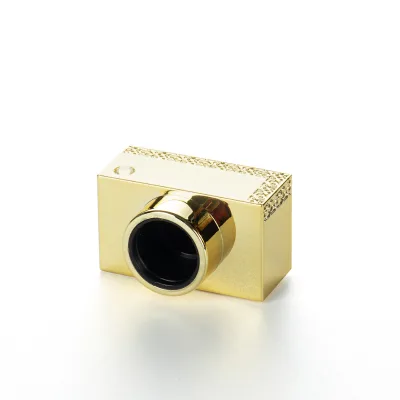
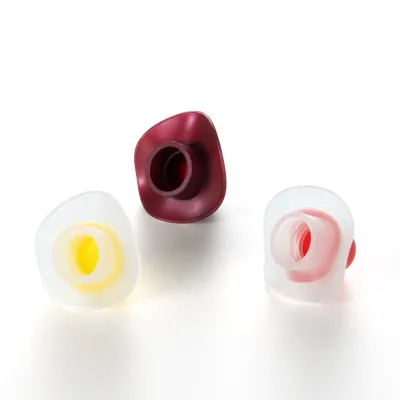
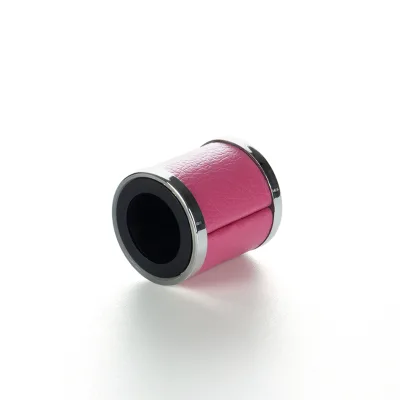
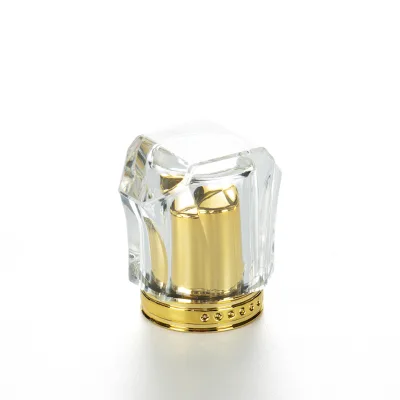


$0.25 - $0.40
MOQ: 3000 Pieces


Acrylic Perfume Cap Black Plastic Perfume Cap Cosmetic Spray Bottle Cap Printed Logo
$0.40 - $0.43
MOQ: 10000 Pieces


Factory Customization of 12-28mm Aluminum Foil Caps, Ball Caps and Perfume Bottle Caps
$0.03 - $0.06
MOQ: 10000 Pieces
Comprehensive Sourcing Guide
Strategic Sourcing Guide for Aluminum Alloy Precision Perfume Caps
The global cosmetics packaging market demands a seamless blend of aesthetic appeal and functional integrity, with the Aluminum Alloy Precision Perfume Cap serving as a critical component in premium product positioning. For procurement professionals, sourcing these specific components requires a nuanced understanding of material properties, manufacturing tolerances, and supply chain dynamics. The following guide synthesizes available market data and industry standards to provide a disciplined framework for evaluating suppliers and defining technical requirements.
Technical Specifications and Material Composition
The foundation of a successful procurement strategy lies in the precise definition of technical specifications. While the core keyword emphasizes "aluminum alloy," the observed market data reveals a diverse landscape of materials, including plastic, ABS, and various metal alloys. Buyers must distinguish between the desired aluminum alloy construction and alternative materials that may be listed under similar product categories. The specific model numbers observed in the market, such as XMT-002, OD-001, and C1785, indicate that manufacturers often produce distinct variants tailored to different bottle necks and dispensing mechanisms.
When evaluating aluminum alloy caps, the buyer must verify the specific alloy grade, as this dictates the material's malleability, corrosion resistance, and weight. The processing method is equally critical; data indicates that "Semi-Manual" processing is a common approach in the region, suggesting a reliance on skilled labor for finishing touches rather than fully automated lines. This manual intervention can enhance the quality of decorative elements but may introduce variability in lead times and unit consistency. Furthermore, the "European & American" style designation implies specific design aesthetics, such as the "Crown Cap" or "Screw Cap" types, which must align with the brand's visual identity.
Size specifications are a primary constraint in this sector. The market data highlights specific dimensions such as "FEA17mm" and standards ranging from "13mm" to "15mm." These measurements are not arbitrary; they correspond to the threading and diameter of the perfume bottle necks. A mismatch in these dimensions renders the cap unusable. Additionally, the "Smart Lid" category suggests emerging technologies where the cap may incorporate electronic or mechanical locking features, requiring verification of compatibility with existing filling lines. Buyers should request detailed CAD drawings and tolerance charts for models like EU-HL or Lin-H253 to ensure a perfect fit before placing an order.
Compliance, Certification, and Regulatory Standards
Navigating the regulatory landscape for cosmetic packaging is essential to ensure market access and consumer safety. While the provided data does not list specific certification bodies, it references standards such as "15mm" and "36*34mm 16g," which likely refer to dimensional compliance or weight standards rather than safety certifications. In the context of aluminum alloy caps used for perfumes, compliance with international safety standards is non-negotiable. The cap must be free from heavy metals and other toxic substances that could leach into the fragrance, especially given the high volatility of perfume ingredients.
Buyers should verify that suppliers adhere to relevant chemical safety regulations, such as those governing food contact materials, even if the product is not directly ingested. The "Non Spill" feature mentioned in the data points to functional performance standards that must be validated through testing. It is crucial to request test reports that confirm the cap's ability to maintain a hermetic seal under various temperature and pressure conditions. The "Industrial Use: Cosmetics" classification further underscores the need for materials that do not react with alcohol-based or oil-based formulations.
Regarding environmental compliance, the "Alloy" material suggests recyclability, a growing demand in the cosmetics industry. However, the presence of plastic components in some listings (e.g., "Plastic" standard) indicates that hybrid designs are common. Buyers must clarify the material composition to ensure it meets their sustainability goals. If the product is marketed as eco-friendly, the supplier must provide documentation on the recyclability of the aluminum alloy and the separation of any plastic liners or gaskets. Without explicit certification data in the source material, procurement teams must conduct their own due diligence or require suppliers to provide third-party audit reports.
Cost Drivers and Pricing Dynamics
Understanding the cost structure of aluminum alloy precision caps is vital for budgeting and negotiation. The observed price range of $0.03 to $0.87 USD reflects a significant variance driven by material costs, design complexity, and order volume. The lower end of this spectrum likely corresponds to simple, mass-produced plastic or basic metal caps, while the higher end may reflect intricate aluminum alloy designs with custom finishes. The "Mixed Color" attribute suggests that color customization is a standard offering, which can influence pricing based on the number of colors required and the complexity of the application process.
Material costs are a primary driver, with aluminum prices fluctuating based on global market conditions. The "Semi-Manual" processing method implies higher labor costs compared to fully automated production, which can impact the unit price. Additionally, the "Customized" attribute indicates that bespoke designs will incur tooling charges and higher per-unit costs. The "MOQ: 5000pcs" observed in the data represents a significant barrier to entry for smaller buyers, suggesting that economies of scale are necessary to achieve competitive pricing.
Buyers should also consider the "Lead Time: 25-30" days as a factor in total cost of ownership. Longer lead times may necessitate higher inventory holding costs or require more complex supply chain planning. The "Packing: Carton or Pallet" options indicate that packaging costs can vary based on the volume and shipping method. When negotiating, buyers should request a breakdown of costs to understand the proportion of material, labor, and tooling fees. It is also important to verify if the quoted price includes the cost of the "Standard Box" or if packaging is an additional line item.
Typical Applications and Design Variations
The versatility of aluminum alloy precision caps allows for a wide range of applications within the cosmetics industry. The "Usage: perfume cap" and "Usage: Closure of Perfume Bottle" designations highlight their primary function, but the specific design variations cater to different product tiers. The "Crown Cap" style is often associated with premium, vintage-inspired branding, while the "Screw Cap" offers a more modern, user-friendly experience. The "Smart Lid" category points to applications in high-end, luxury perfumes where security and freshness preservation are paramount.
Design aesthetics play a crucial role in consumer perception. The "European & American" style suggests a preference for sleek, minimalist, or ornate designs that align with Western market trends. The availability of "Shinny Silver, Shinny Gold, Shinny Black" stock colors provides a foundation for branding, but the "Customized" nature of the product allows for unique finishes that can differentiate a brand in a crowded market. The "Non Spill" feature is particularly important for travel-sized perfumes or products with high alcohol content, ensuring that the packaging performs reliably during transit.
Buyers should evaluate the cap's compatibility with various dispensing mechanisms, such as the "Pump Sprayer" mentioned in the data. The integration of the cap with the pump mechanism must be seamless to ensure consistent spray patterns and user experience. The "FEA17mm" and "13mm 15mm" specifications indicate that caps are designed for specific bottle necks, and buyers must ensure that their bottle suppliers can accommodate these dimensions. The "Industrial Use: Cosmetics" classification also implies that the caps must withstand the rigors of high-speed filling lines, requiring robust mechanical properties.
Supplier Evaluation and Sourcing Strategy
Selecting the right supplier is a critical step in the procurement process. The data indicates that the "Place of Origin" is primarily "Jiangsu, China," a region known for its manufacturing capabilities in packaging. However, the presence of multiple model numbers and varying material specifications suggests a fragmented supplier base. Buyers should prioritize suppliers who demonstrate a clear understanding of the "Alloy" material properties and have a track record of producing "Customized" orders.
When evaluating potential suppliers, buyers should assess their production capacity and flexibility. The "Semi-Manual" processing method suggests that suppliers may have limited scalability compared to fully automated facilities. Buyers should inquire about the supplier's ability to handle large orders, given the "MOQ: 5000" requirement, and their capacity to manage "Custom Order" requests without compromising quality. The "Lead Time: 25-30" days should be verified against the buyer's production schedule to avoid delays.
Quality control is another key factor in supplier selection. Buyers should request samples of the "Mixed Color" and "Stock Color" options to evaluate the consistency of the finish and the precision of the dimensions. The "Non Spill" feature should be tested under simulated shipping conditions to ensure reliability. Additionally, buyers should verify the supplier's ability to provide consistent quality over time, as variations in "Semi-Manual" processes can lead to inconsistencies.
Quality Control and Long-Term Procurement Considerations
Implementing a robust quality control (QC) protocol is essential for maintaining product integrity. Buyers should establish clear acceptance criteria based on the observed specifications, such as the "FEA17mm" size and the "15mm" standard. Regular inspections should be conducted to verify that the caps meet the "Customized" requirements and that the "Alloy" material is free from defects. The "Packing: Carton Box" should be inspected to ensure that the caps are protected during transit and that the packaging is suitable for the "Industrial Use: Cosmetics" environment.
Long-term procurement considerations involve building a sustainable relationship with suppliers. Buyers should focus on suppliers who demonstrate a commitment to continuous improvement and can adapt to changing market demands. The "Custom Order" capability suggests that suppliers should be willing to collaborate on new designs and specifications. Buyers should also consider the environmental impact of their sourcing decisions, prioritizing suppliers who can provide recyclable materials and sustainable packaging solutions.
The "MOQ: 5000" requirement may pose challenges for buyers with fluctuating demand. To mitigate this risk, buyers should consider establishing a framework for incremental ordering or maintaining a strategic inventory buffer. The "Lead Time: 25-30" days should be factored into the procurement cycle to ensure timely delivery. By maintaining open communication with suppliers and establishing clear quality standards, buyers can ensure a reliable supply of high-quality aluminum alloy precision perfume caps that meet their brand's requirements.
FAQs
What materials are used for aluminum alloy precision perfume caps?
The primary materials include aluminum alloy, plastic, ABS, and various metal alloys. Buyers must distinguish between the desired aluminum alloy construction and alternative materials like plastic or ABS that may be listed under similar product categories.
How is the processing method defined for these caps?
The processing method is typically semi-manual, relying on skilled labor for finishing touches rather than fully automated lines. This approach can enhance decorative quality but may introduce variability in lead times and unit consistency compared to fully automated production.
Which specifications determine the fit for perfume bottle necks?
Key specifications include sizes like FEA17mm, 13mm, and 15mm, which correspond to threading and diameter requirements. A mismatch in these dimensions renders the cap unusable, so buyers should request detailed CAD drawings for models like EU-HL to ensure a perfect fit.
Can suppliers accept custom orders for these perfume caps?
Yes, suppliers accept custom orders with available customization options for styles and colors. However, bespoke designs will incur tooling charges and higher per-unit costs, and the minimum order quantity is typically 5000 pieces to achieve competitive pricing.
What is the typical lead time for manufacturing these caps?
The standard lead time ranges from 25 to 30 days for production and delivery. Buyers should factor this duration into their procurement cycle to ensure timely delivery and avoid delays in their supply chain planning.
Where are these aluminum alloy caps primarily manufactured?
The place of origin is primarily Jiangsu, China, a region known for its packaging manufacturing capabilities. Buyers should prioritize suppliers in this region who demonstrate a clear understanding of alloy material properties and have a track record of producing customized orders.