Source Transparent Barcode Stickers for shipping, food, and medicine
Find 30 Transparent Barcode Stickers from verified suppliers. Compare options featuring vinyl or PVC materials, waterproof designs, and custom printing services like digital or letterpress. Ideal for shipping labels, food packaging, and medicine applications with flexible MOQs; compare the available evidence and request quotations based on your requirements.
Key considerations
Products List


Hot Sale Security Transparent Clear Adhesive Label Stickers Prints Factory
$0.02 - $0.05
MOQ: 3000 Pieces


Sticker Printing Adhesive Labels Supplier Custom Barcode Roll Label Sticker
$0.02 - $0.07
MOQ: 500 Pieces


Barcode Printer Thermal Label Roll Direct Printing Adhesive Sticker Label
$0.35 - $0.45
MOQ: 1000 Rolls
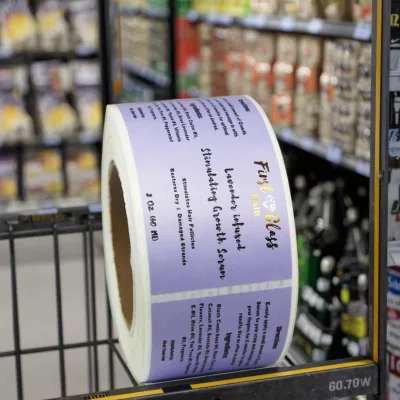


Barcode Sticker Price Tag Adhesive Sticker Direct Thermal Label Printing
$1.60 - $3.00
MOQ: 1000 Rolls


Custom Barcode Printing Product Barcode Thermal Paper Sticker Shipping Labels
$0.01 - $0.10
MOQ: 10000 Rolls


Comprehensive Sourcing Guide
Transparent Barcode Stickers Sourcing Guide
Procuring Transparent Barcode Stickers requires careful selection of base materials to ensure legibility and durability in diverse environments. While the supplied data indicates a mix of vinyl and PVC options, buyers must specifically verify the transparency level of the substrate, as some listed products are explicitly opaque. The core decision involves balancing the need for a clear, unobtrusive label against the structural integrity required for the intended application, such as shipping or food packaging.
Buyers should also scrutinize the adhesive properties to ensure the sticker remains secure on various surfaces without leaving residue. The observed listings mention permanent adhesives and specific backing papers like glassine, which are critical for high-speed application lines. Selecting the wrong adhesive type can lead to label failure during transit or storage, making it essential to request physical samples that match the exact transparency and tackiness required for your specific operational needs.
Product Scope and Observed Listing Signals
The market for Transparent Barcode Stickers presents a wide range of customization options, including specific printing types like digital and letterpress. Buyers will encounter products with varying surface finishes, such as lamination and UV varnish, which can significantly impact the longevity of the barcode under harsh conditions. It is crucial to distinguish between general adhesive stickers and specialized types like in-mould labels, as their application scopes differ substantially in terms of manufacturing integration and end-use.
Listing signals often reveal conflicting material specifications, with some entries citing vinyl while others specify PVC or art paper. This inconsistency necessitates a rigorous review of the product description to confirm the actual transparency and material composition. Procurement teams must verify whether the listed "transparent" attribute applies to the entire sticker or just specific design elements, ensuring the final product meets the visual and functional requirements of the inventory management system.
Technical Specifications to Verify
Technical verification must begin with the substrate material, as the supplied facts list both vinyl and PVC, which offer different levels of clarity and chemical resistance. Buyers should confirm the specific membrane type, such as PET, which is often preferred for its durability and transparency in demanding environments. The opacity of the material is a critical variable, as some listed products are explicitly opaque, which would be unsuitable for transparent barcode applications requiring a see-through effect.
Print quality and finishing processes are equally vital for ensuring barcode scannability. The observed data includes options for screen, offset, flexographic, and digital printing, each offering distinct advantages in resolution and color fidelity. Surface finishing techniques like lamination and embossing can protect the printed code from abrasion and moisture, but buyers must verify that these processes do not introduce glare or distortion that could interfere with scanning equipment.
Compliance and Safety Documentation
Compliance verification is essential when sourcing stickers for food, medicine, or beverage applications, as these sectors have strict regulatory requirements. The supplied facts mention ISO9001 and SGS certifications, which indicate a baseline level of quality management and product safety testing. However, buyers must explicitly confirm that the specific transparent sticker batch complies with food-contact regulations, as the general certification does not automatically guarantee suitability for direct or indirect food packaging.
Safety documentation should also address the chemical composition of the adhesive and the ink used in the printing process. While the data lists general certifications, it does not provide specific details on RoHS or FSC compliance, which are often required for international distribution. Procurement teams should request detailed material safety data sheets (MSDS) to ensure the transparent stickers do not contain hazardous substances that could contaminate products or violate environmental standards in the destination market.
Cost Drivers and Commercial Terms
Cost structures for Transparent Barcode Stickers are heavily influenced by the minimum order quantity and the complexity of the customization required. The observed data shows a wide range of MOQs, from 3,000 to 5,000 pieces, which can significantly impact the unit price and overall budget. Buyers must evaluate whether their volume needs align with these thresholds to avoid excessive per-unit costs or the need to hold excessive inventory.
Commercial terms and payment methods also play a significant role in the total cost of ownership. The listings indicate flexible payment options like T/T and PayPal, but the trade terms are often negotiated, requiring careful review of Incoterms. Additionally, the delivery time of 7 to 10 days suggests a relatively quick turnaround, but buyers should confirm if expedited shipping is available and how it affects the final landed cost, especially when sourcing from specific ports like Shanghai or Ningbo.
Supplier Qualification and Quality Control
Supplier qualification should focus on the manufacturer's ability to maintain consistent transparency and adhesive performance across large production runs. The observed data highlights a production origin in Jiangsu, a region known for its packaging industry, but buyers must verify the specific factory's quality control protocols. It is advisable to audit the supplier's process for handling custom models and ensuring that the transition from digital design to physical production maintains the required barcode readability.
Quality control measures must include rigorous testing of the sticker's resistance to environmental factors like high temperatures and moisture. The listed features mention high-temperature resistance and waterproof capabilities, but these claims should be validated through independent testing or sample trials. Buyers should establish a clear acceptance criteria for defect rates, particularly regarding print alignment and adhesive strength, to ensure that the transparent stickers perform reliably in real-world logistics scenarios.
Long-Term Procurement Checks
Long-term procurement success depends on establishing a reliable supply chain that can adapt to changing volume requirements and design updates. Buyers should maintain open communication channels with suppliers to monitor any shifts in material availability or production capabilities that could affect the transparency or durability of the stickers. Regular reviews of the supplier's performance against the agreed-upon delivery times and quality standards are essential for maintaining operational efficiency.
Continuous improvement initiatives should include periodic re-evaluation of the sticker specifications against emerging industry standards and technological advancements. As barcode scanning technology evolves, the requirements for label clarity and contrast may change, necessitating updates to the material or printing process. Procurement teams should proactively engage with suppliers to explore new options, such as enhanced UV varnishes or alternative adhesives, to ensure the Transparent Barcode Stickers remain effective and compliant over the long term.
FAQs
Can I get free samples of Transparent Barcode Stickers?
Yes, free samples are allowed for Transparent Barcode Stickers to help you verify quality before placing a large order. This allows buyers to check the material, printing clarity, and adhesive performance. You can request these samples to ensure the product meets your specific application needs for food or shipping labels.
What is the minimum order quantity for these stickers?
The minimum order quantity is typically 3000 to 5000 pieces, depending on the specific product model and customization requirements. This MOQ ensures efficient production runs for both PVC and vinyl materials. Buyers should confirm the exact quantity with the supplier based on their desired label shape and adhesive type.
How long does delivery take for custom orders?
Delivery time is generally 7 to 10 days after order confirmation for standard custom orders. This lead time applies to most Transparent Barcode Stickers produced in Jiangsu, China. Expedited options may be available for urgent needs, but standard production cycles ensure quality control for lamination and UV varnish finishing.
What certifications do these Transparent Barcode Stickers have?
These stickers are certified with ISO9001 and SGS standards to ensure quality and safety. These certifications verify that the manufacturing process meets international requirements for materials like PVC and art paper. Buyers can rely on these credentials for compliance in industries such as food, medicine, and cosmetic packaging applications.
What printing types are available for these labels?
Available printing types include digital printing, letterpress printing, screen printing, offset printing, and flexographic printing. This variety allows for high-quality text and graphics on transparent or opaque materials. Buyers can choose the method that best suits their design complexity and volume requirements for shipping or food labels.
What surface finishing options are offered for these stickers?
Surface finishing options include lamination, embossing, and UV varnish to enhance durability and appearance. These finishes protect the printed content from scratches and moisture, which is essential for waterproof applications. Buyers can select the appropriate finish based on whether the stickers will be used for bottled beverages or industrial packaging.