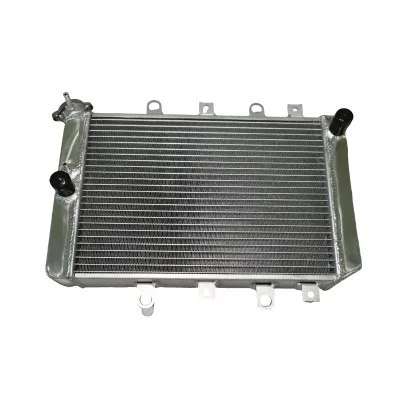
Source Aluminum Brazed Moto Radiator for CR500, DRZ400, Z750
Find 30 Aluminum Brazed Moto Radiator options for CR500, DRZ400, and Z750 models. Compare specifications like core size, tank dimensions, and material grades from verified Chinese manufacturers offering custom packaging and CE certifications; compare the available evidence and request quotations based on your requirements.
Updated
Key considerations
Products List


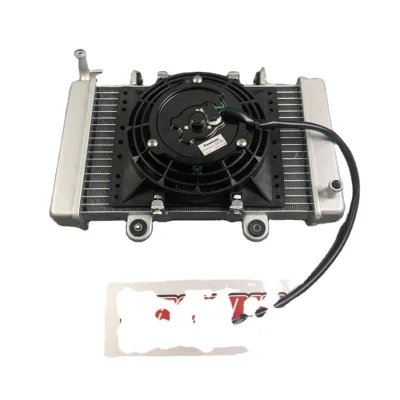
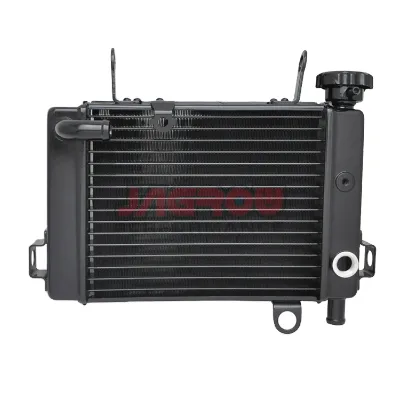
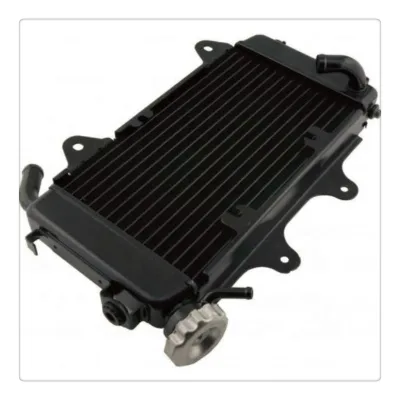
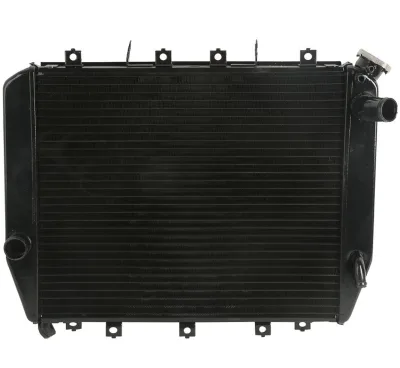


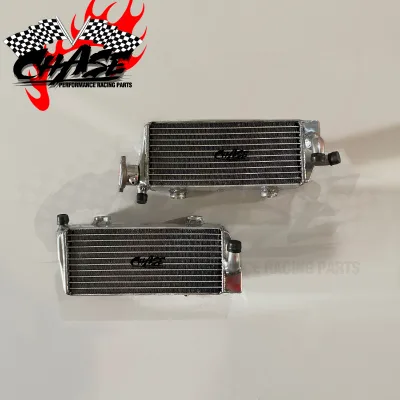


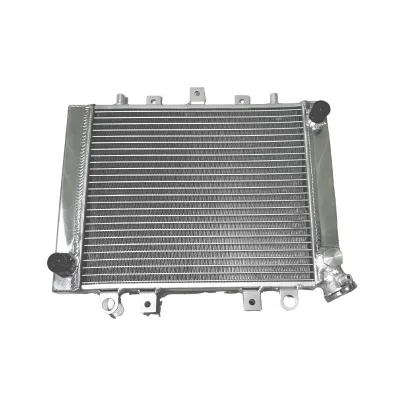
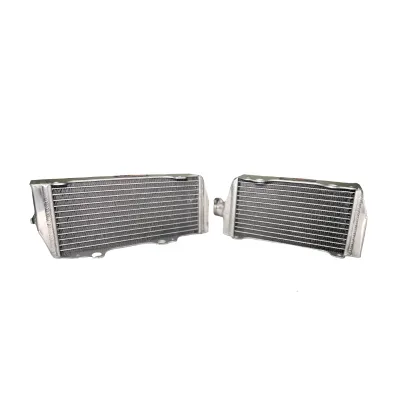
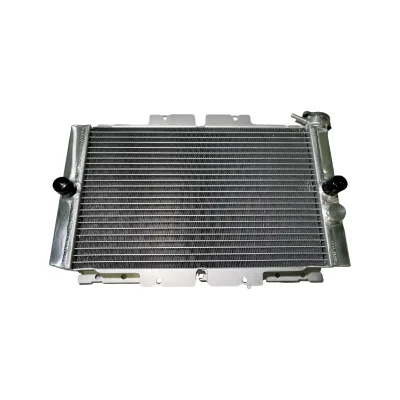
Comprehensive Sourcing Guide
Aluminum Brazed Moto Radiator Sourcing Guide
Sourcing aluminum brazed radiators for motorcycles requires a disciplined approach to technical verification and supplier qualification. The market offers a wide array of options, from universal fitments to model-specific units for ATVs and street bikes. Buyers must navigate a landscape where product attributes vary significantly across listings, necessitating careful cross-referencing of core dimensions, material grades, and cooling styles. This guide provides a structured framework for evaluating these components, ensuring that procurement decisions are grounded in observable data rather than marketing claims.
The following sections detail the critical steps for identifying reliable suppliers and verifying product integrity. By focusing on tangible specifications such as core size, tank material, and certification status, buyers can mitigate the risks associated with incompatible parts or substandard manufacturing. The guidance herein is derived from observed listing signals and standard industry practices, offering a practical roadmap for securing high-quality cooling systems that meet both performance requirements and regulatory standards.
Product Scope and Observed Listing Signals
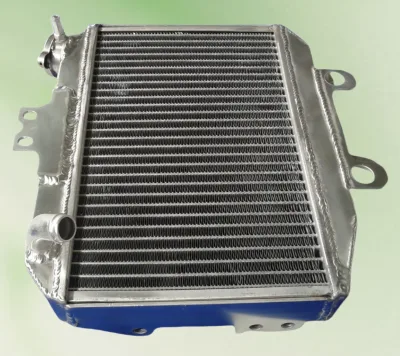
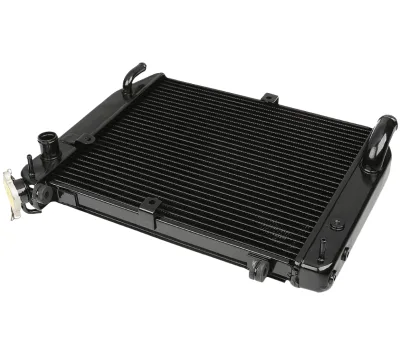
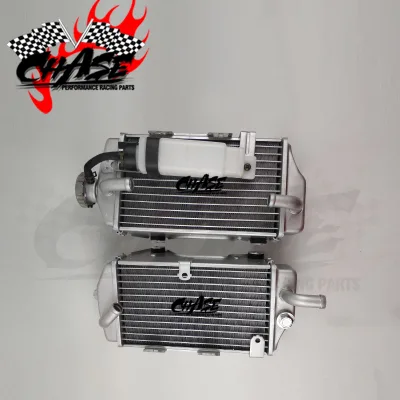
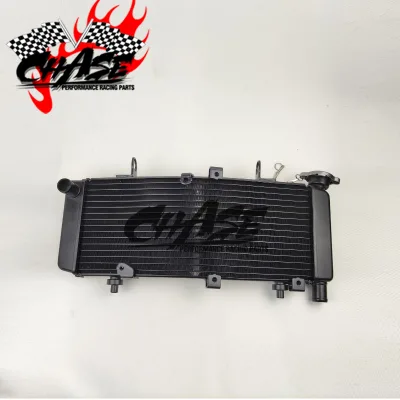
The current market for aluminum brazed moto radiators exhibits a diverse range of product types, including laminated designs and sealed structures tailored for specific engine configurations. Observed listings indicate a strong presence of water-cooled systems, with some units explicitly designed for four-stroke internal combustion engines. Buyers should note that product models vary widely, ranging from generic identifiers like FY816146 to specific applications such as those for CR500 ATVs or DRZ400E motorcycles. This variability underscores the importance of matching the radiator’s physical dimensions and connection points to the target vehicle’s chassis and engine layout.
Material composition is a key differentiator in this segment, with high-grade aluminum cores and ratio-frequency welded tubes being common features. Tank materials often include plastic, while body structures may utilize aluminum for durability and heat dissipation. Packaging methods also vary, with options ranging from polywood crates to neutral packing or customer-branded boxes. These logistical details can impact shipping costs and product protection, so buyers should verify packing standards early in the sourcing process to ensure that delicate components arrive without damage.
Technical Specifications to Verify
Core dimensions are the most critical technical parameters to verify, as they determine physical fitment within the motorcycle’s frame. Observed specifications include core sizes such as 50058816 mm and 63537826 mm, alongside tank sizes like 61247.5 mm and 71347.5 mm. Buyers must measure their existing radiator or consult vehicle schematics to ensure compatibility, as even minor deviations in length or width can prevent installation. Additionally, the radiator core type, often tube-fin, and the flow style, such as direct-flow, affect cooling efficiency and should be matched to the engine’s thermal output requirements.
The structural design and component type also play vital roles in performance. Sealed type radiators are common, offering robustness against leaks, while digital water temperature sensors may be integrated for precise monitoring. Buyers should confirm the cylinder configuration, such as four-cylinder setups, and the stroke principle, typically four-stroke, to ensure the cooling system is adequate for the engine’s heat generation. Verifying these details prevents mismatches that could lead to overheating or mechanical failure, ensuring the radiator supports the engine’s operational integrity under various load conditions.
Compliance and Safety Documentation
Certification status is a primary indicator of manufacturing quality and regulatory compliance. Observed listings frequently cite certifications such as CE, ISO, RoHS, and CCC, which suggest adherence to international safety and environmental standards. Buyers should request valid certification documents to verify that the supplier maintains these credentials, as they often reflect rigorous quality control processes. The presence of ISO9001 certification, for instance, indicates a standardized approach to quality management, which can be crucial for maintaining consistent product quality across large orders.
Standards and exporting practices also provide insight into the supplier’s reliability. Some listings reference high-quality exporting standards or specific codes like JAP149, which may relate to Japanese market requirements or internal quality benchmarks. Buyers should inquire about the specific standards applied during production and testing, ensuring they align with the regulations in their target market. Documentation should clearly state the product origin, such as Shandong or Anhui in China, and any relevant brand names like JAGROW PERFORMANCE, to facilitate traceability and accountability in case of defects.
Cost Drivers and Commercial Terms
Pricing in the aluminum brazed radiator market varies based on material costs, production complexity, and order volume. Observed price ranges span from $10 to $127 USD, reflecting differences in core size, material grade, and included accessories. Buyers should analyze these prices in the context of the product’s specifications, recognizing that higher costs may correlate with superior materials like high-grade aluminum or more intricate welding techniques. Understanding the cost structure helps in budgeting and negotiating effectively, ensuring that price does not compromise on essential quality attributes.
Minimum Order Quantities (MOQ) and commercial terms significantly influence procurement strategy. Observed MOQs range from 1 to 100 pieces, with some suppliers requiring a minimum of 10 PCS for certain models. Buyers should assess their inventory needs against these MOQs to avoid excess stock or production delays. Additionally, terms such as neutral packing or custom branding may incur additional costs or require longer lead times. Clarifying these commercial details early ensures a smooth transaction process and aligns expectations regarding delivery schedules and payment terms.
Supplier Qualification and Quality Control
Supplier qualification begins with verifying the place of origin and manufacturing capabilities. Observed listings indicate origins in China, including specific provinces like Shandong and Anhui, which are known for automotive component manufacturing. Buyers should evaluate the supplier’s production capacity and quality control systems, looking for evidence of standardized processes and experienced engineering teams. A supplier’s ability to offer customization, as noted in some listings, can be a valuable asset for buyers seeking unique fitments or branding opportunities.
Quality control measures should be explicitly defined and agreed upon before production. Buyers should request information on testing procedures, such as pressure tests or thermal cycling, to ensure the radiator’s durability. The use of ratio-frequency welded tubes and high-grade aluminum suggests a focus on structural integrity, but independent verification is essential. Establishing clear quality benchmarks and inspection protocols helps mitigate the risk of receiving defective units, ensuring that the final product meets the required performance and safety standards.
Long-Term Procurement Checks
Long-term success in sourcing aluminum brazed radiators depends on establishing a reliable supply chain and maintaining consistent quality. Buyers should monitor supplier performance over time, tracking metrics such as delivery times, defect rates, and responsiveness to issues. Regular audits or sample inspections can help identify potential problems early, allowing for corrective actions before they impact production. Building a strong relationship with the supplier fosters better communication and collaboration, leading to improved product offerings and more favorable commercial terms.
Continuous evaluation of market trends and technological advancements is also crucial. As motorcycle designs evolve, radiator specifications may change, requiring buyers to stay informed about new models and compatibility requirements. Engaging with suppliers who offer customization and stay updated with industry standards ensures that the procurement strategy remains flexible and responsive. By prioritizing quality, compliance, and supplier reliability, buyers can secure a steady supply of high-performance radiators that support their business objectives and customer satisfaction.
FAQs
What certifications do these aluminum brazed moto radiators have?
These radiators typically hold CE, ISO, and RoHS certifications. Some models also feature CCC and ISO9001 standards. These certifications ensure compliance with international quality and safety requirements for automotive and motorcycle components, providing assurance for global buyers.
What is the expected lifespan of these radiators?
The expected lifespan is approximately 10,000 hours. This durability is supported by high-grade aluminum core materials and ratio-frequency welded tubes. The sealed structure and direct-flow radiator type contribute to long-term reliability in water-cooled motorcycle applications.
Can these radiators be customized for specific brands?
Yes, customization is available for specific motorcycle brands and models. Options include neutral packing or packaging with the customer's brand. This flexibility allows buyers to source radiators tailored to their inventory needs or private label requirements effectively.
What materials are used in the radiator construction?
The body and core are made from high-grade aluminum. The tubes utilize ratio-frequency welded technology for strength. The tanks are constructed from durable plastic. This combination ensures efficient heat dissipation while maintaining structural integrity under operating conditions.
What is the minimum order quantity for these radiators?
The minimum order quantity ranges from 1 to 100 pieces. Some specific listings indicate an MOQ of 10 PCS. This flexible range accommodates both small trial orders and larger bulk procurement needs for various motorcycle radiator models.
Where are these radiators manufactured?
These radiators are manufactured in China, specifically in regions like Shandong and Anhui. The products adhere to high-quality exporting standards. This origin ensures access to established manufacturing capabilities and supply chains for automotive cooling components.