Source Aluminum Cable Tray for Construction, Industrial, and Mining
Compare 28 Aluminum Cable Tray options featuring corrosion resistance, lightweight design, and customizable dimensions. Buyers can evaluate materials like aluminum alloy, carbon steel, and stainless steel alongside certifications such as CE and ISO for industrial and construction projects.
Key considerations
Products List


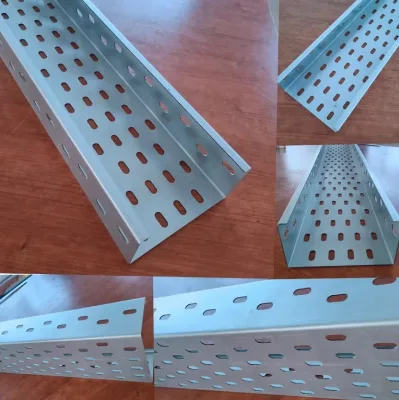
Durable Aluminum Alloy Cable Tray with Customizable Length Options Available
$0.99 - $12.00
MOQ: 100 Meters




Comprehensive Sourcing Guide
Strategic Sourcing Guide for Aluminum Cable Tray Procurement
Navigating the global market for aluminum cable trays requires a disciplined approach that balances technical performance with supply chain reliability. Buyers must distinguish between various alloy compositions, surface treatments, and structural designs to ensure the selected components meet specific engineering and environmental demands. The following guide outlines the critical factors for evaluating Aluminum Cable Tray systems, focusing on verified attributes, compliance requirements, and cost structures derived from current market data.
Technical Specifications and Material Composition
The foundation of a successful cable tray procurement lies in understanding the specific material properties and dimensional tolerances required for the installation. Aluminum alloy is a primary material of choice for these systems due to its inherent light weight and resistance to corrosion. When evaluating potential suppliers, buyers should verify that the product explicitly lists "Aluminum Alloy" as the base material, distinguishing it from carbon steel or stainless steel alternatives which may be offered in the same catalog but serve different functional niches.
Dimensional flexibility is a critical technical requirement. Market observations indicate that widths can range significantly, often spanning from 50mm to 1200mm, with custom options available to fit unique infrastructure layouts. Similarly, height specifications typically vary between 50mm and 200mm, allowing for the accommodation of varying cable loads. Length is another variable; standard offerings often include lengths of 2 meters to 12 meters, though some specifications suggest ranges extending up to 20 meters depending on the manufacturer's capability. Thickness is a crucial structural parameter, with observed ranges typically falling between 0.5mm and 3.0mm, or 1mm to 3mm for specific perforated models.
The structural design of the tray also dictates its application. Buyers may encounter "Slotted" types, which are designed for general cable management, or "Ladder" types, which offer superior support for heavy cable bundles. Some products feature perforated designs to enhance ventilation and reduce weight, while others are solid to provide maximum protection. The presence of holes in the tray structure is a common feature, facilitating secure mounting and cable routing. Additionally, surface treatments such as hot galvanizing are sometimes applied to enhance durability, although this is more common in steel variants; for aluminum, the natural oxide layer often provides sufficient protection, though specific finishes may be requested.
Compliance, Certification, and Standards Verification
In the industrial sector, compliance is not merely a formality but a prerequisite for safety and liability protection. When sourcing aluminum cable trays, buyers must rigorously verify that the supplier holds valid certifications. Common certifications observed in the market include CE, ISO, RoHS, and CCC. These marks indicate adherence to international safety, environmental, and quality management standards. For specific regional requirements, certifications such as TUV and GB (Guobiao) may also be present, particularly for products originating from or destined for the Chinese market.
Standards compliance extends beyond certification logos to the specific product standards referenced in documentation. Buyers should look for explicit references to standards such as HYWJ-ZXJ-Q or generic classifications like "c channel" and "GRP" (Glass Reinforced Plastic) if hybrid materials are involved. It is essential to note that while some products list specific model numbers like Z35 or dimensional codes such as 5050/7550/100*75, these often serve as internal identifiers rather than universal industry standards. Therefore, procurement teams must request the full technical data sheet to confirm that the product meets the specific engineering standards required by the project's local building codes.
Furthermore, the condition of the product must be confirmed as "New" to avoid issues with refurbished or damaged goods. The presence of a Utility Model Certificate is another indicator of a supplier's commitment to intellectual property and product design validation. Buyers should ensure that the supplier can provide documentation proving that the aluminum alloy composition and the final assembly process adhere to the cited standards, particularly regarding the antimagnetic properties and dustproof capabilities that are often highlighted in product features.
Cost Drivers and Pricing Structures
Understanding the cost drivers for aluminum cable trays is essential for budgeting and negotiation. The price range in the market is vast, observed from approximately $0.80 to $300,000, reflecting the diversity of product sizes, customizations, and order volumes. The primary cost driver is the material itself; aluminum alloy prices fluctuate based on global commodity markets, and the specific alloy grade selected will significantly impact the final unit cost.
Customization is a major factor influencing price. While standard slotted or ladder trays are available, products with custom widths, heights, or thicknesses often command a premium. The "Customizable" attribute is frequently listed, indicating that buyers can tailor the tray to specific load-bearing requirements or aesthetic needs. However, this flexibility comes with a trade-off in terms of Minimum Order Quantity (MOQ). Observed MOQs range from 1 piece to 1000 pieces, with some suppliers setting a baseline of 50 pieces for standard orders. Larger orders typically benefit from economies of scale, reducing the per-unit cost.
Lead times also play a role in the total cost of ownership. Delivery times vary from 3 to 20 days, depending on the complexity of the order and the supplier's production capacity. Expedited shipping or rush orders may incur additional costs. Additionally, packaging requirements, such as waterproof bundles or custom packaging according to customer requests, can add to the overall expense. Buyers should request a detailed breakdown of costs, separating material, manufacturing, packaging, and logistics fees to ensure transparency.
Typical Applications and Performance Requirements
Aluminum cable trays are versatile solutions deployed across a wide array of industries, with "Industrial" and "Construction" being the most common application sectors. The lightweight nature of aluminum makes it ideal for applications where structural load is a concern, such as in retrofitting existing buildings or in facilities with weight-sensitive ceilings. The corrosion resistance of aluminum alloy ensures longevity in environments exposed to moisture, chemicals, or harsh weather conditions, making it suitable for both indoor and outdoor installations.
Specific performance attributes like "Dustproof" and "Antimagnetic" capabilities are critical for specialized applications. In data centers or electronic manufacturing facilities, the antimagnetic property prevents interference with sensitive equipment, while the dustproof design protects cables from particulate accumulation that could lead to overheating. The "Easy Installation" feature is another key benefit, reducing labor costs and installation time. The trays are often designed with holes for secure mounting, allowing for rapid deployment in complex infrastructure layouts.
The application of these trays extends to various environments, from general industrial plants to specific construction projects. The ability to customize the product ensures that it can be adapted to unique site conditions. For instance, the "Perforated" design is often preferred in high-heat environments to allow for better air circulation, while solid trays are used where physical protection is paramount. Buyers must align the product features with the specific environmental and operational demands of their project to ensure optimal performance.
Supplier Evaluation and Quality Control
Evaluating suppliers requires a multi-faceted approach that goes beyond price comparisons. Buyers should prioritize suppliers who demonstrate transparency in their manufacturing processes and quality control measures. The origin of the product, often listed as "Jiangsu, China" or simply "China," is a factor to consider, as it may influence shipping logistics and import regulations. However, the location should not be the sole determinant; the supplier's track record and adherence to standards are more critical.
Quality control should be verified through the supplier's certification portfolio and their ability to provide test results. While specific test data is not always publicly available, buyers should request evidence of compliance with the cited standards (e.g., CE, ISO). The presence of a "Utility Model Certificate" suggests that the supplier invests in product design and innovation, which often correlates with higher quality control standards. Additionally, the condition of the product being "New" and the availability of customization options indicate a mature supply chain capable of meeting diverse client needs.
Suppliers should also be evaluated on their packaging capabilities. The use of "Waterproof Bundle" or "Standard Packaging" is essential to prevent damage during transit. Buyers should inquire about the specific packaging methods used for their order to ensure that the trays arrive in pristine condition. Furthermore, the supplier's ability to handle custom requests, such as specific dimensions or surface treatments, demonstrates their flexibility and technical competence.
Long-Term Procurement Considerations
Sourcing aluminum cable trays is a long-term investment that requires careful planning for maintenance and scalability. The "Light Weight" attribute of aluminum trays reduces the long-term structural load on buildings, potentially lowering maintenance costs associated with structural repairs. The "Corrosion Resistance" ensures a longer service life, reducing the frequency of replacements and minimizing downtime.
Buyers should consider the availability of spare parts and the ease of future expansion. The "Customizable" nature of the product allows for future modifications without the need to replace the entire system. This flexibility is particularly valuable in industries where infrastructure requirements change frequently. Additionally, the "Easy Installation" feature not only reduces initial setup costs but also simplifies future modifications or repairs.
Finally, buyers should maintain a relationship with suppliers who offer consistent quality and reliable delivery times. The observed delivery time range of 3 to 20 days suggests that suppliers can accommodate both urgent and planned orders. Establishing a long-term partnership with a reputable supplier can lead to better pricing, priority production, and access to the latest product innovations. By focusing on these long-term factors, buyers can ensure a sustainable and efficient cable management infrastructure.
FAQs
What materials are used for aluminum cable trays?
Aluminum alloy is the primary material used for these trays, though carbon steel and stainless steel options exist. The aluminum alloy construction ensures light weight and corrosion resistance, making it suitable for industrial and construction applications.
Which certifications do these cable trays typically hold?
Common certifications include CE, ISO, RoHS, and CCC, with some products also holding TUV and GB marks. These certifications verify adherence to international safety and quality standards required for industrial installations.
How can I customize the dimensions of the tray?
Customization is available for width, height, and thickness to meet specific project needs. Buyers can request widths from 50mm to 1200mm and heights from 50mm to 200mm, with lengths ranging from 2m to 12m or longer.
What is the minimum order quantity for these products?
The minimum order quantity ranges from 1 to 1000 pieces, with some suppliers setting a baseline of 50 pieces. This flexibility allows buyers to order small batches for testing or larger volumes for full-scale deployment.
How long does delivery take for these cable trays?
Delivery times typically range from 3 to 20 days depending on order complexity and customization. Standard orders may arrive faster, while custom specifications requiring specific surface treatments or dimensions might take longer to manufacture.
Can I find slotted or ladder type cable trays?
Yes, both slotted and ladder types are available to suit different cable management needs. Slotted trays are designed for general use, while ladder types offer superior support for heavy cable bundles in industrial settings.