Source Aluminum Brazing Truck Radiator for Fleet Maintenance
Find and compare 30 Aluminum Brazing Truck Radiator options for heavy-duty fleet maintenance, emergency repairs, and routine vehicle upkeep. Evaluate specifications such as core size, material composition, and warranty terms to select the most suitable replacement parts for your logistics operations.
Key considerations
Products List
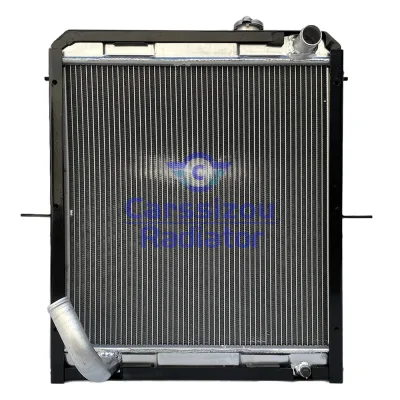
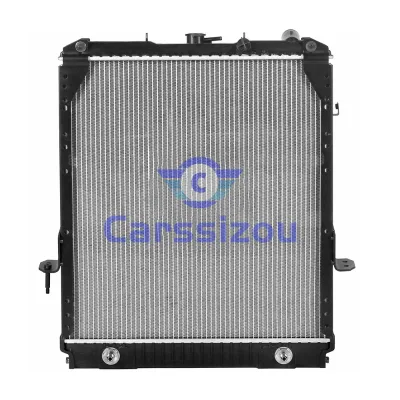
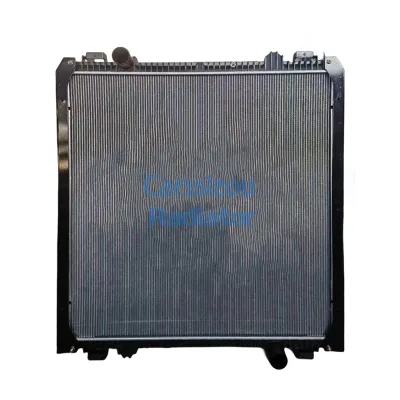
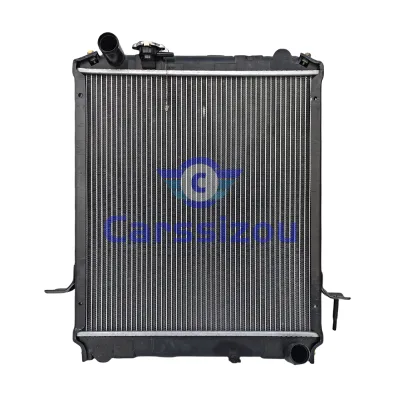
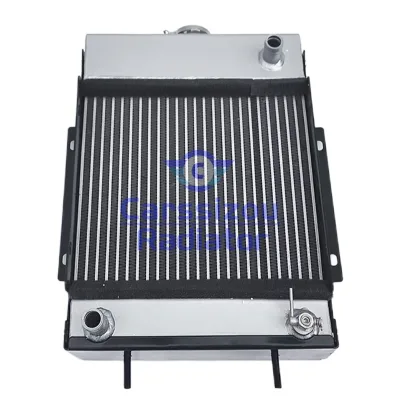


Different Motorcycle Parts Aluminum Radiators and Aluminium Brazing Flux
$10.00 - $100.00
MOQ: 100 Pieces


Robust Truck Radiator for Heavy Commercial Transport with Reinforced Aluminum Pipe
$220.00 - $260.00
MOQ: 10 Pieces

Industrial Aluminum Radiator for European Truck Repairs with Premium Materials
$220.00 - $260.00
MOQ: 10 Pieces

Reliable Aluminum Radiator for European Heavy Truck Parts with High Performance
$220.00 - $260.00
MOQ: 10 Pieces


Comprehensive Sourcing Guide
Aluminum Brazing Truck Radiator Sourcing Guide
Procurement professionals seeking aluminum brazing truck radiators must first distinguish between general cooling components and specialized heavy-duty units designed for specific commercial vehicle platforms. The available market data indicates a strong presence of products explicitly labeled for ISUZU and IVECO truck models, alongside generic options for broader truck applications. Buyers should verify that the listed product name and reference numbers align precisely with their fleet's maintenance requirements, as the distinction between a standard replacement and a model-specific unit can dictate compatibility and performance.
When evaluating listings, it is critical to observe the physical attributes provided, such as core dimensions and tank construction, to ensure they match the original equipment specifications. The observed product range includes units with aluminum cores and plastic tanks, a configuration common in modern thermal management systems for durability and weight reduction. Sourcing teams must cross-reference the single package size and gross weight against their logistics constraints, as variations in dimensions like 99x68x18 cm versus 76x66x20 cm suggest different internal core geometries or packaging standards that affect shipping costs and handling.
Product Scope and Observed Listing Signals
The product scope for aluminum brazing truck radiators encompasses both direct replacement units and repair-grade components intended to restore thermal efficiency in aging fleets. Listings frequently highlight the brazing process as a key manufacturing method, which implies a high-integrity bond between the aluminum core and the tanks, essential for withstanding the vibration and thermal cycling of heavy transport. Buyers should look for explicit mentions of the "Aluminum Brazed" processing type and confirm that the material composition matches the core material specification of ALUNIMIUM to avoid counterfeit or inferior assemblies.
Observation of listing signals reveals a diverse range of reference numbers and model identifiers, such as 8971288870 for ISUZU applications or 504011119 for other truck variants, which serve as critical verification points for compatibility. The presence of specific car model tags like "ISUZ U Truck" and "Ivec o Truck" indicates that suppliers are targeting distinct OEM ecosystems, requiring buyers to match these identifiers against their vehicle identification numbers. Additionally, the availability of customization and the "Laminated" type designation suggest that some suppliers offer tailored solutions for unique cooling demands, though these should be validated against the standard single item selling units to ensure consistency.
Technical Specifications to Verify
Technical verification begins with the core size and physical dimensions, which are non-negotiable for ensuring the radiator fits within the engine bay and connects to existing hoses. The observed data presents specific core sizes such as 650x550mm, 590x544x42mm, and 900x748x48mm, each corresponding to different truck models and cooling capacities. Procurement teams must measure the existing unit or consult the vehicle manual to confirm that the new core dimensions, including thickness and width, align exactly with the mounting points and airflow requirements of the specific truck chassis.
Beyond physical fit, the construction details regarding the core material and tank composition are vital for long-term reliability under heavy load conditions. The listings consistently specify an aluminum core with plastic tanks, a combination that offers corrosion resistance and lightweight advantages over traditional copper-brass units. Buyers should verify the single gross weight, which ranges from 9.000 kg to 20.000 kg depending on the model, as this impacts the vehicle's payload capacity and suspension wear. Confirming the "New" condition and the specific "Brazing Radiator" type ensures that the unit is not a refurbished part with compromised structural integrity.
Compliance and Safety Documentation
Compliance documentation for aluminum truck radiators often includes certifications such as CE, ISO, and RoHS, which signal adherence to international safety and environmental standards. While the observed data explicitly lists these certifications, buyers must request current certificates of conformity for the specific batch being purchased to ensure they are not generic documents attached to non-compliant products. The presence of these marks suggests the manufacturer has undergone third-party evaluation for material safety and manufacturing quality, which is particularly important for fleets operating in regions with strict regulatory environments.
Safety verification also extends to the warranty terms and the intended purpose of the component, which is explicitly stated as "for replace/repair." A standard one-year warranty is observed in the listings, providing a baseline for recourse in case of premature failure or manufacturing defects. Procurement officers should ensure that the warranty covers the specific brazing joints and tank seals, as these are the most common failure points in aluminum radiators. Additionally, confirming that the product is intended for commercial truck use rather than passenger cars prevents the installation of under-specification parts that could lead to overheating and engine damage.
Cost Drivers and Commercial Terms
Cost drivers for aluminum brazing truck radiators are heavily influenced by the raw material prices of aluminum and the complexity of the brazing process required to join the core to the tanks. The observed price range of 1 to 999 USD reflects significant variation based on core size, model specificity, and the inclusion of plastic tanks versus all-metal constructions. Buyers should analyze the unit price relative to the single gross weight and package dimensions, as larger cores with higher material content will naturally command higher prices, but the cost per kilogram of aluminum should remain consistent across comparable models.
Commercial terms such as the Minimum Order Quantity (MOQ) and payment methods are critical factors in the total cost of ownership. The data indicates an MOQ of 1PC, allowing for flexible procurement of single replacement units without the need for bulk inventory, which is ideal for maintenance departments with sporadic needs. Payment terms are listed as T/T, a standard method that requires careful management of cash flow and supplier trust. Lead times are observed to be short, ranging from 3 to 7 days, which reduces the risk of vehicle downtime but requires immediate ordering to maintain operational continuity.
Supplier Qualification and Quality Control
Supplier qualification for this category requires verifying the place of origin and the specific manufacturing capabilities of the vendor. The observed data points to Guangdong, China, as a primary production hub, a region known for its extensive supply chain and manufacturing expertise in automotive cooling systems. Buyers should confirm that the supplier has a dedicated facility for aluminum brazing rather than relying on subcontractors, as the quality of the braze joint is the single most important factor in the radiator's ability to withstand high pressure and temperature fluctuations.
Quality control protocols must be established to ensure that the "New" condition and "Laminated" type specifications are met in every delivered unit. The presence of specific product models like FY816146 and FY816138 suggests that suppliers maintain a catalog of standardized parts, but buyers should request pre-shipment inspection reports to verify core dimensions and tank integrity. The use of polywood packing is noted in the data, which provides robust protection during transit, but the buyer should also verify that the packaging prevents moisture ingress, which can degrade the aluminum core over time if the unit is stored for extended periods before installation.
Long-Term Procurement Checks
Long-term procurement checks focus on the lifecycle performance and the availability of replacement parts for the aluminum truck radiators. The observed product life of 10000 hours provides a benchmark for expected service duration, but actual performance depends heavily on the operating environment and maintenance practices of the fleet. Buyers should establish a tracking system to monitor the failure rates of specific reference numbers, such as 1300010Y8020 or Qingling 600P, to identify any recurring quality issues with specific batches or suppliers.
Sustainability and supply chain resilience are also key considerations for long-term contracts. The availability of customization and the specific origin of the products suggest that suppliers can adapt to changing fleet requirements, but buyers must ensure that the supply chain remains stable despite potential geopolitical or logistical disruptions. Regular audits of the supplier's production capacity and their ability to meet the 3-7 day delivery time are essential to prevent bottlenecks. Finally, maintaining a relationship with the supplier for technical support regarding the "Aluminum Core Plastic Tanks" construction will help in troubleshooting any thermal management issues that arise during the radiator's operational life.
FAQs
What is the warranty period for the aluminum truck radiator?
The warranty period is 1 year. This coverage applies to the new condition aluminum core and plastic tanks. Buyers should verify specific terms with the supplier to ensure proper installation and maintenance protocols are followed for long-term reliability.
Can the Aluminum Brazing Truck Radiator be customized?
Yes, customization is available for this product. The manufacturer offers tailored solutions to meet specific truck model requirements. Buyers can request modifications to core size or tank configuration to ensure a precise fit for their vehicle's cooling system needs.
What is the typical lead time for delivery?
The delivery time is 3-7 days. This rapid turnaround supports urgent repair and replacement needs for truck fleets. Buyers should confirm stock availability and shipping methods to ensure timely arrival at their designated destination port or facility.
Which certifications does the aluminum radiator hold?
The product holds CE, ISO, and RoHS certifications. These standards confirm compliance with safety and environmental regulations for international trade. Buyers can rely on these documented credentials to meet regulatory requirements in their local markets and supply chain audits.
What is the minimum order quantity for this radiator?
The minimum order quantity is 1 piece. This low MOQ allows buyers to test quality or replace single units without bulk commitment. It is ideal for small fleet maintenance or individual repair projects requiring specific aluminum brazed radiator components.
How is the aluminum truck radiator packaged for shipping?
The radiator is packaged in polywood crates. This robust packaging protects the aluminum core and plastic tanks during transit. Buyers can expect secure handling that minimizes damage risks, ensuring the product arrives in new condition ready for immediate installation.