Source Aluminum Bronze for Water Tubes, Oil Coolers, and Heaters
Compare 30 Aluminum Bronze products including sheets, bars, and tubes for water heaters, air conditioners, and oil coolers. Buyers can review specifications like C63000 and Cw307g, delivery times, and packaging options from verified suppliers; compare the available evidence and request quotations based on your requirements.
Key considerations
Products List


$2800.00 - $3300.00
MOQ: 1 Tons
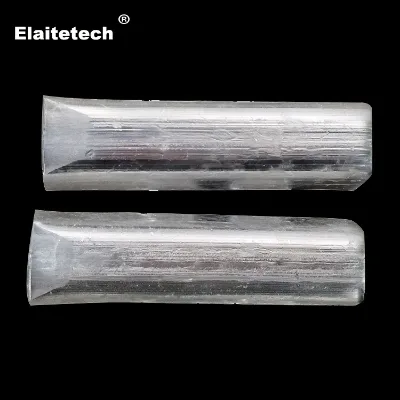
Aluminium Copper Intermediate Alloy and AlCu50% Aluminum Bronze Master Alloy
$4970.14 - $5177.23
MOQ: 1 metric


Comprehensive Sourcing Guide
Aluminum Bronze Sourcing Guide
Procuring Aluminum Bronze requires careful attention to specific alloy designations and their corresponding mechanical properties, as the material offers superior corrosion resistance and strength in demanding environments. Buyers must distinguish between general bronze categories and specific Aluminum Bronze grades like CuAl10Ni5Fe4 or C63000, which are explicitly listed in current market offerings. Understanding these distinctions is critical because the performance characteristics vary significantly depending on the exact nickel and iron content, which directly impacts suitability for applications such as water tubes, air conditioning coils, and oil cooler pipes.
Sourcing decisions should also account for the diverse physical forms available, ranging from round bars and square plates to complex shapes like capillary tubes and pancake coils. The observed market data indicates that suppliers offer these components in various configurations, including coils and straight lengths, to meet specific engineering requirements. Buyers need to verify that the selected form factor aligns with their manufacturing processes, ensuring that the material can be effectively processed into final products without compromising structural integrity or dimensional accuracy.
Product Scope and Observed Listing Signals
The current market landscape for Aluminum Bronze reveals a wide spectrum of product types, including copper sheets, strips, bars, and specialized tubing designed for thermal exchange systems. Listings frequently highlight applications in water heaters, refrigeration units, and oil coolers, suggesting that these components are engineered to withstand high thermal loads and corrosive fluids. Procurement teams should scrutinize product descriptions to confirm that the specific alloy composition matches the intended service environment, as generic bronze listings may not possess the necessary aluminum content for optimal performance.
Observations of product attributes indicate that shapes vary from round and hexagonal profiles to square plates and coiled configurations, catering to diverse fabrication needs. The availability of customized options allows buyers to specify dimensions and forms that deviate from standard stock items, though this may influence lead times and pricing. It is essential to verify whether the listed "Aluminum Bronze" designation refers to a specific grade like Cw307g or Cc331g, as these designations carry distinct metallurgical properties that affect weldability and machinability in final assembly.
Technical Specifications to Verify
Technical verification must begin with the precise alloy designation, as the market lists multiple standards including C63000, C62300, and C51900, each with unique chemical compositions. Buyers should request mill test reports that confirm the presence of aluminum, nickel, and iron in the correct ratios, particularly for grades like CuAl10Ni5Fe4 which are noted in the supply data. Relying solely on generic terms like "Alloy" or "Non-alloy" is insufficient; specific model numbers and standard references such as ASTM or GB/T must be explicitly stated to ensure the material meets the required mechanical strength and corrosion resistance criteria.
Dimensional tolerances and physical forms are equally critical, with observed listings specifying diameters ranging from 1mm to 800mm and lengths up to 12 meters. The data also notes specific size ranges like 2x2mm to 800x800mm for plates, indicating that suppliers can accommodate both small-scale precision components and large industrial sheets. Procurement teams must validate that the supplier can consistently maintain these tolerances across the entire order volume, as deviations in thickness or diameter can lead to assembly failures in critical applications like water tubes or air conditioning coils.
Compliance and Safety Documentation
Compliance verification requires confirming that the supplier adheres to recognized international standards, with ASTM and GB/T explicitly mentioned in the available product data. Buyers should ensure that the documentation provided for each batch includes a certificate of conformity that references the specific standard, such as C6161 or C5441, rather than vague statements about meeting customer requirements. This level of detail is necessary to prove that the material has been tested against established benchmarks for chemical composition and mechanical properties, reducing the risk of receiving substandard or non-compliant inventory.
Safety and traceability are further supported by the requirement for detailed packing and origin information, with listings indicating origins in China, Ningbo, and Tianjin. While these locations are noted, the focus should remain on the documentation that accompanies the shipment, ensuring that the origin is clearly stated and that the packaging meets export standards to prevent damage during transit. Buyers must verify that the supplier provides a complete chain of custody documentation, which is essential for industries where material traceability is a regulatory requirement for safety and quality assurance.
Cost Drivers and Commercial Terms
Cost structures for Aluminum Bronze are heavily influenced by the specific alloy grade, the complexity of the shape, and the volume of the order, with observed minimum order quantities ranging from one unit to one thousand units. The price range in the market spans from $0.50 to $12,000, reflecting the vast difference between small custom components and large industrial orders. Procurement teams must analyze how customization affects pricing, as non-standard shapes or specific alloy modifications often incur additional charges that are not reflected in base catalog prices.
Commercial terms regarding delivery and payment are equally variable, with lead times observed between 7 to 12 days after order placement. Buyers should negotiate clear terms that account for potential delays in custom manufacturing, ensuring that the delivery schedule aligns with production timelines. It is also vital to clarify the packaging requirements, as options like wooden cases or standard export packages may impact shipping costs and insurance liabilities, particularly for high-value orders involving large quantities of copper-based alloys.
Supplier Qualification and Quality Control
Supplier qualification should prioritize vendors who demonstrate a clear understanding of Aluminum Bronze metallurgy and can provide detailed technical support for alloy selection. The presence of multiple alloy designations in the listings suggests that capable suppliers offer a broad range of options, but buyers must verify their ability to consistently produce specific grades like C63000 or C6161 without compromising quality. Engaging with suppliers who have a track record of fulfilling custom orders is essential, as the ability to adapt to specific shape and size requirements is a key indicator of manufacturing capability.
Quality control processes must be rigorously evaluated, with a focus on the supplier's ability to perform and document necessary tests for chemical composition and mechanical strength. Buyers should request evidence of in-house testing capabilities or partnerships with accredited third-party laboratories to ensure that every batch meets the specified standards. The observation of various packing methods, from bundles to wooden cases, also indicates that suppliers have established protocols for protecting the material during storage and shipping, which is a critical component of maintaining product integrity from the factory to the final destination.
Long-Term Procurement Checks
Establishing a long-term procurement strategy for Aluminum Bronze requires regular audits of supplier performance and material consistency over time. Buyers should implement a schedule for periodic re-verification of alloy compositions and mechanical properties to ensure that the supplier maintains the same quality standards as the initial order. This proactive approach helps mitigate the risk of material degradation or specification drift, which can occur if a supplier changes their sourcing of raw materials or alters their manufacturing processes without notification.
Continuous monitoring of market trends and pricing fluctuations is also necessary to maintain a competitive advantage in procurement. The observed price range and lead times suggest that the market is dynamic, with factors like raw material costs and logistics affecting the final price. Buyers should maintain open communication channels with suppliers to anticipate changes in availability or cost, allowing them to adjust their inventory levels and production schedules accordingly. This strategic foresight ensures a stable supply chain and protects against potential disruptions in the availability of critical Aluminum Bronze components.
FAQs
What shapes are available for Aluminum Bronze products?
Aluminum Bronze products come in round, hexagonal, square, and coil shapes. Some listings also show plate and coil plate forms. Buyers can select from these options based on their specific application needs for water tubes or oil coolers.
Which standards apply to these copper alloy materials?
Products may comply with ASTM, GB/T, or customer-specific standards. Specific models like C63000 and C5441 are listed with corresponding standards. Buyers should confirm the exact standard required for their project before placing an order.
Can I get customized Aluminum Bronze sheets and bars?
Yes, customization is available for both non-customized and customized requirements. Buyers can request specific dimensions, shapes, or packaging like wooden cases. This flexibility supports diverse industrial applications including air conditioning and water heater systems.
What is the typical delivery time for these orders?
Delivery usually takes 7 to 10 days or 7 to 12 days after the order is placed. This timeframe applies to standard production runs. Buyers should confirm exact lead times with the supplier to ensure timely project completion.
Where are these Aluminum Bronze products manufactured?
Products originate from China, specifically from locations like Ningbo and Tianjin. These regions host factories capable of producing various copper alloys. Buyers can source directly from these established manufacturing hubs for reliable supply chain access.
What are the common applications for Aluminum Bronze pipes?
These materials are used in water tubes, air conditioners, refrigerators, water heaters, and oil coolers. The alloy offers durability for demanding environments. Selecting the right grade ensures performance in thermal exchange and fluid transport systems.
What packaging options are provided for Aluminum Bronze shipments?
Standard packaging includes bundles with wooden cases or custom requirements. Some items use wooden packaging for protection during transit. Buyers can specify their preferred packing method to ensure safe delivery of copper sheets, bars, or coils.