Source Aluminum Carabiners for Outdoor, Sports, and Gifts
Find 30 Aluminum Carabiner options for climbing, sports, and promotional gifts. Compare die-cast and 7075 alloy models with electroplating, custom logos, and various sizes from 40mm to 80mm. Source OEM/ODM services from Guangdong suppliers with lead times of 7-15 days.
Key considerations
Products List


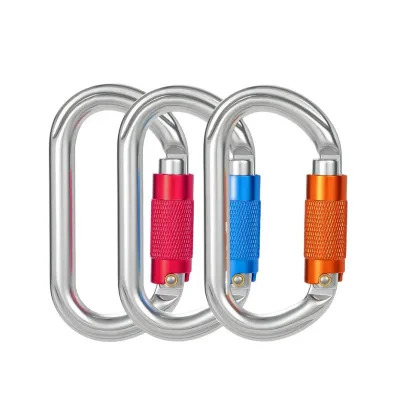
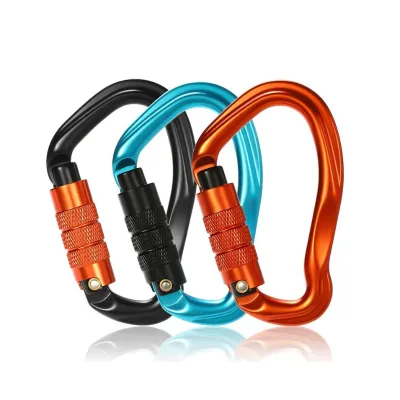
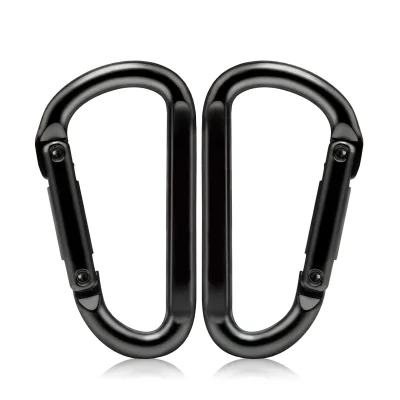
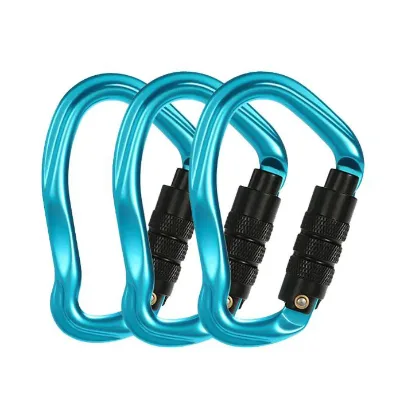


Comprehensive Sourcing Guide
Aluminum Carabiner Sourcing Guide
Sourcing aluminum carabiners requires a nuanced understanding of the divergence between promotional utility and critical safety applications. The market presents a wide spectrum of products, ranging from lightweight promotional items suitable for branding and general gift-giving to high-performance hardware engineered for climbing and industrial load-bearing tasks. Buyers must first distinguish between these categories, as the manufacturing processes, material grades, and quality control standards differ significantly. A promotional carabiner may prioritize aesthetic customization and cost-efficiency, while a safety-rated carabiner demands rigorous testing, specific alloy compositions, and traceable certification. Understanding this fundamental split is the first step in defining procurement requirements accurately.
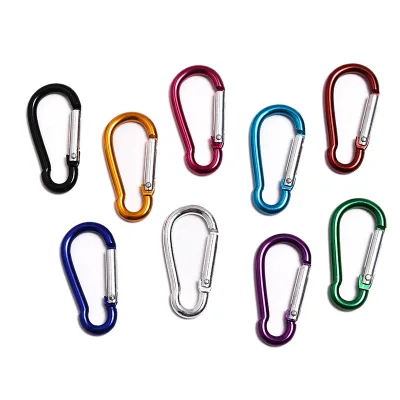
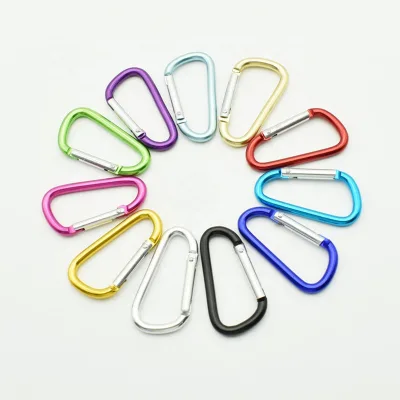
The procurement landscape for aluminum carabiners is characterized by high variability in specifications and origin. Most suppliers are located in Guangdong, China, leveraging established manufacturing ecosystems for die-casting and metal processing. The observed product range includes various shapes such as D-shape and oval, with materials spanning standard aluminum alloys to high-strength 7075 and 6061 grades. Buyers should note that "aluminum" is a broad term; without specifying the alloy series, the mechanical properties can vary drastically. Furthermore, surface treatments like electroplating and color options (silver, black, gold, etc.) add layers of complexity to the sourcing process, requiring clear communication of aesthetic and functional requirements to avoid mismatches in final delivery.
Product Scope and Observed Listing Signals
The observed market signals indicate a dual nature in product listings, where promotional and functional attributes often overlap in description. Many listings highlight uses such as promotion gifts, keys, crafts, and office accessories, alongside more specialized applications like climbing, sports, outdoor activities, and hammock support. This overlap suggests that suppliers often offer versatile products that can be marketed for multiple purposes. However, buyers must scrutinize the specific claims regarding load-bearing capacity. While some listings mention breaking loads of 12kn or 5kn, others focus on features like being eco-friendly, nickel-free, and lead-free, which are primarily relevant for consumer goods and jewelry rather than safety equipment.
Dimensions and customization options are prominent signals in the current market. Standard measurements observed include diameters or lengths ranging from 40mm to 80mm, with some specifications extending to 100mm in length and 60mm in width. Customization is widely available, including printed logos, custom colors, and OEM/ODM services. The presence of "Universal" suitability and "Business" style attributes indicates a strong focus on corporate gifting and branding. Buyers should recognize that while customization is a key selling point, it may impact lead times and minimum order quantities. The availability of free samples is a common signal, allowing buyers to verify physical quality before committing to larger orders, though this does not guarantee the product meets specific technical standards for critical use.
Technical Specifications to Verify
Material grade is the most critical technical specification to verify, as it directly dictates the strength and durability of the carabiner. Listings mention raw materials such as aluminum alloy, with specific references to 7075 and 6061 grades. 7075 aluminum is known for its high strength and is often used in aerospace and high-performance climbing applications, whereas 6061 is a more general-purpose alloy with good corrosion resistance and moderate strength. Buyers must explicitly request the alloy grade in the purchase order and verify it through material certificates or independent testing. Assuming all aluminum carabiners are created equal is a common procurement error that can lead to catastrophic failure in load-bearing scenarios.
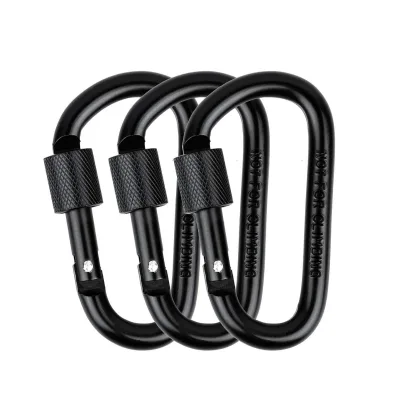
Surface treatment and plating specifications are equally important for both aesthetic and functional reasons. Electroplating is a common process, with listings noting nickel-free and lead-free options, which are essential for compliance with consumer safety regulations in many markets. However, for outdoor or industrial use, the integrity of the surface treatment affects corrosion resistance. Buyers should verify the thickness and uniformity of the plating, especially if the carabiner will be exposed to harsh environments. Additionally, the shape of the carabiner, whether D-shape or oval, influences its load distribution characteristics. D-shape carabiners generally offer higher strength along the major axis compared to oval shapes, making them preferable for heavy-duty applications.
Compliance and Safety Documentation
For carabiners intended for climbing, sports, or any load-bearing application, compliance with international safety standards is non-negotiable. While specific certification statuses are not universally listed in general product descriptions, buyers must insist on documentation proving adherence to standards such as EN 12275 for European markets or UIAA standards for climbing gear. These standards dictate rigorous testing protocols, including static load tests, gate opening tests, and impact resistance checks. Without such documentation, a carabiner should be treated as a non-safety item, suitable only for light-duty tasks like holding keys or promotional materials. Buyers should request test reports from accredited laboratories to verify that the product meets the claimed breaking load specifications.
Environmental and chemical compliance is another critical area, particularly for promotional items and consumer goods. Listings highlighting nickel-free and lead-free plating suggest an awareness of regulatory requirements such as REACH in Europe or CPSIA in the United States. Buyers should verify that the supplier can provide material safety data sheets (MSDS) and compliance certificates for these regulations. This is especially important if the carabiners are intended for children or for use in contexts where skin contact is frequent. Ensuring that the electroplating process does not introduce harmful substances is a key part of risk management in procurement.
Cost Drivers and Commercial Terms
The cost of aluminum carabiners is influenced by several factors, including material grade, surface treatment complexity, and order volume. Higher-grade alloys like 7075 typically command a premium over 6061 due to their superior mechanical properties. Similarly, intricate surface treatments, such as anodizing or multi-layer electroplating, add to the manufacturing cost. Buyers should expect price variations based on these technical specifications. The observed price range in the market is broad, reflecting the diversity of product qualities and intended uses. Understanding these cost drivers allows buyers to negotiate more effectively and align their budget with their performance requirements.
Minimum order quantities (MOQ) and lead times are significant commercial terms that impact procurement planning. MOQs vary widely, with some suppliers offering low MOQs of 1000 pieces for promotional items and others requiring higher volumes for customized or high-spec products. Lead times are also variable, with typical ranges from 7 to 15 days for standard items, but potentially longer for complex customizations or high-volume orders. Buyers should factor in these timelines when planning inventory, especially for seasonal promotions or event-based purchases. The availability of free samples is a valuable commercial term that reduces risk, allowing buyers to validate quality before committing to large orders.
Supplier Qualification and Quality Control
Supplier qualification is essential to ensure consistent quality and reliability. Buyers should prioritize suppliers with established manufacturing capabilities in die-casting and metal processing, as indicated by the prevalence of Guangdong-based suppliers. Verifying the supplier’s production capacity, quality management systems, and past performance is crucial. Requesting references or case studies from previous clients can provide insights into the supplier’s reliability. Additionally, suppliers that offer OEM/ODM services demonstrate flexibility and expertise in handling custom requirements, which is beneficial for buyers seeking branded or specialized products.
Quality control measures should be clearly defined and agreed upon before production begins. This includes in-process inspections, final random inspections, and possibly third-party verification for critical applications. Buyers should specify acceptance criteria for dimensions, weight, surface finish, and mechanical strength. For promotional items, visual inspection for defects in plating and printing is sufficient. For safety-critical items, statistical process control and rigorous testing protocols are necessary. Establishing a clear quality assurance plan with the supplier helps mitigate the risk of receiving substandard products and ensures that the final goods meet the buyer’s expectations.
Long-Term Procurement Checks
Long-term procurement success depends on continuous monitoring of supplier performance and product quality. Buyers should establish key performance indicators (KPIs) such as on-time delivery rate, defect rate, and responsiveness to issues. Regular audits, whether on-site or virtual, can help identify potential problems early and ensure that the supplier maintains their quality standards. Building a strong relationship with the supplier can also facilitate better communication and problem-solving, leading to more efficient procurement processes. Continuous feedback loops between the buyer and supplier are essential for driving improvements and adapting to changing market conditions.
Market trends and technological advancements in Aluminum Carabiner manufacturing should be monitored to stay competitive. New alloys, surface treatments, or manufacturing techniques may offer improved performance or cost efficiencies. Buyers should engage with suppliers to explore these innovations and assess their relevance to their specific needs. Additionally, staying informed about regulatory changes and compliance requirements ensures that the procured products remain compliant in target markets. By maintaining a proactive approach to supplier management and market intelligence, buyers can secure a reliable supply of high-quality aluminum carabiners that meet their evolving business needs.
FAQs
What materials are used for aluminum carabiners?
These carabiners are made from 7075 or 6061 aluminum alloy. Some products also utilize standard aluminum or stainless steel. The raw material ensures durability while keeping the weight low for outdoor activities.
Can I get custom logos printed on the carabiners?
Yes, customized logos are available via printing services. The product supports OEM and ODM customization for branding purposes. Buyers can request specific designs to match their promotional or corporate identity needs.
What is the minimum order quantity for these items?
The minimum order quantity varies between 500 and 1000 pieces depending on the specific model. Some listings indicate an MOQ of 500 PCS while others require 1000 PCS. Buyers should confirm the exact threshold with the supplier.
How long does it take to receive the order?
The lead time typically ranges from 7 to 15 days for production. Some specific models may require up to 15 days to complete manufacturing. This timeline covers the processing and preparation for shipment from the factory.
Are these carabiners suitable for climbing and sports?
Yes, they are designed for climbing, sports, and outdoor activities like camping. The breaking load capacity reaches up to 12kn for heavy-duty use. They are also suitable for general use in offices or as promotional gifts.
What surface treatments are applied to the metal?
The carabiners undergo electroplating for surface treatment and protection. The plating is nickel-free and lead-free to ensure safety. This process enhances durability and provides a finished look in various colors like silver or black.
Where are these aluminum carabiners manufactured?
These products originate from Guangdong, China. The manufacturing location is specified as Guangdong in the product details. Buyers sourcing from this region can expect established supply chains for aluminum alloy components.