Source Aluminum Evaporator for HVAC, Refrigeration, and Petrochemical Systems
Find and compare 30 Aluminum Evaporator options for HVAC, refrigeration, and petrochemical applications. Evaluate specifications such as tube-fin cores, sealed or open structures, and custom sizes to identify suitable suppliers for your industrial cooling needs.
Key considerations
Products List


Refrigerator Condenser Evaporator Air Cooled Copper Tube Aluminium Evaporator Heat Exchanger
$39.00 - $40.00
MOQ: 200 Pieces


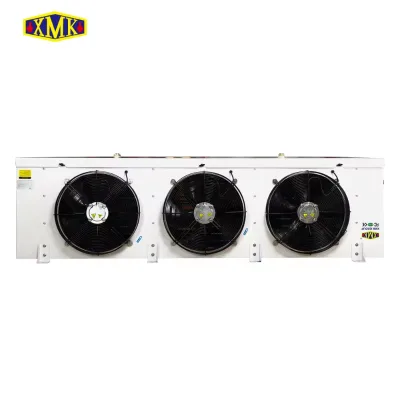


Dehumidifier Evaporator, Copper Evaporator Coil, Aluminum Finned Evaporator
$20.00 - $120.00
MOQ: 200 Pieces


Comprehensive Sourcing Guide
Aluminum Evaporator Sourcing Guide
The Aluminum Evaporator serves as a critical heat exchange component in diverse cooling systems, ranging from home refrigerators and freezers to specialized petrochemical applications. Buyers must recognize that these units are not monolithic products but rather a category defined by specific structural forms, such as the fixed tube-sheet design, and varying cooling fluid types, including alcohol-based solutions. The core material is consistently identified as aluminum, often featuring an E-coating or custom surface treatment to enhance durability and corrosion resistance in demanding environments.
Procurement decisions for this component require a clear understanding of the specific operational context, whether the unit is designed for a sealed or open structure, or if it utilizes a direct-flow radiator core type. The market offers significant customization options, allowing buyers to specify dimensions according to drawings or request tailored models that align with unique system requirements. This flexibility extends to the condensation forms, which can be air-cooled or water-cooled, necessitating a precise match between the supplier's capabilities and the intended thermal management strategy.
Product Scope and Observed Listing Signals
When evaluating product listings, buyers should observe a wide spectrum of model specifications, ranging from standardized "All Aluminum" configurations to fully customized units designed to specific client requests. The observed data indicates that suppliers often list multiple model types, including specific designations like "Aluminum Evaporator" or "Evaporator," alongside generic descriptors such as "many types" or "any size." This variability suggests that the market is highly fragmented, with many manufacturers offering bespoke solutions rather than a single off-the-shelf inventory, requiring buyers to clearly define their technical needs before engaging with potential vendors.
Listing signals also reveal significant diversity in packaging and shipping protocols, which can impact logistics planning and cost estimation. Some suppliers utilize wooden pallets or seaworthy cartons combined with pallets, while others offer standard exporting packages or wooden cases depending on the order volume and destination. The presence of attributes like "Customized Logo" and "Customized Standard" further indicates that these products are often produced to order, meaning that lead times and production schedules will vary significantly based on the complexity of the customization and the specific structural form requested by the buyer.
Technical Specifications to Verify
Buyers must rigorously verify the heat transfer mode and structural form of the evaporator to ensure compatibility with their existing systems. The available data highlights a "Regenerative" heat transfer mode and a "Horizontal" structural form as common configurations, alongside specific details like the "Fixed Tube-Sheet" form. It is essential to confirm whether the unit is designed for a sealed or open structure, as this distinction fundamentally alters the system's pressure dynamics and maintenance requirements. Additionally, the cooling fluid type, such as alcohol, and the specific radiator core type, like tube-fin or direct-flow, must align with the thermal load calculations of the application.
Voltage and sensor integration are other critical technical parameters that require immediate verification, particularly for electrically driven or automated cooling systems. Listings indicate a voltage rating of 380V and the availability of digital water temperature sensors, which are vital for precise temperature control in industrial settings. Buyers should also scrutinize the material composition, ensuring that the body material is indeed aluminum, and check for any additional material specifications like stainless steel components if the application involves corrosive environments. The condition of the product, typically listed as "New," should be confirmed to avoid receiving refurbished or used units that may not meet performance expectations.
Compliance and Safety Documentation
Navigating the compliance landscape for aluminum evaporators requires careful attention to the specific certifications held by the supplier, as these vary widely across the market. Common certifications observed include CCC, RoHS, ISO, and CE, which indicate adherence to various safety and environmental standards. However, buyers must not assume that every listed product carries all these certifications; instead, they should request specific documentation for the exact model being purchased. The presence of standards such as GB, ISO9001, and ASME suggests a focus on quality management and industrial safety, but verification of the current validity of these certificates is a necessary step before finalizing any procurement agreement.
Safety documentation must also address the specific application field, particularly for units intended for the petrochemical industry where operational risks are higher. The product attributes indicate that these evaporators are used in high-stakes environments, making it imperative to verify that the materials and construction meet the rigorous safety requirements of the industry. Buyers should ensure that the supplier provides clear evidence of compliance with relevant industry standards, such as those related to pressure vessels or heat exchangers, and that the product has undergone necessary testing to validate its performance under the specified operating conditions.
Cost Drivers and Commercial Terms
The cost of an Aluminum Evaporator is heavily influenced by the degree of customization and the specific technical requirements of the order. Listings show a vast price range, from as low as $0.10 to as high as $5,000,000, reflecting the difference between simple, standardized units and complex, large-scale industrial systems. Factors such as the choice of cooling fluid brand, the complexity of the structural form, and the inclusion of custom features like logos or specific dimensions will significantly drive the final price. Buyers should be prepared for a wide variance in pricing and should focus on the total cost of ownership rather than just the unit price.
Commercial terms, including Minimum Order Quantity (MOQ) and lead times, are equally critical variables that affect procurement strategy. The observed MOQ range spans from 1 to 3000 units, indicating that suppliers cater to both small-scale buyers and large industrial clients. While some suppliers may offer low MOQs for customized orders, others might require higher volumes to justify the setup costs for bespoke production. Buyers must clarify these terms early in the negotiation process to ensure that the order volume aligns with their budget and inventory needs, and to understand the potential impact of shipping methods, such as air or sea freight, on the overall cost structure.
Supplier Qualification and Quality Control
Selecting a qualified supplier for aluminum evaporators requires a thorough assessment of their manufacturing capabilities and quality control processes. The origin of the products, often listed as China or specifically Shandong, China, provides a starting point for evaluating the supplier's industrial ecosystem, but buyers must go beyond location to verify the supplier's actual production capacity. The availability of customization and the ability to produce according to client drawings are strong indicators of a supplier's flexibility and technical competence. Buyers should request evidence of the supplier's ability to handle complex orders, such as those requiring specific heat transfer modes or unique structural forms.
Quality control measures should be a central part of the supplier evaluation, with a focus on the after-sales service and warranty provisions. Many suppliers offer a one-year after-service period, which serves as a baseline for customer support and product reliability. However, buyers should verify the specific terms of this warranty, including what is covered and the process for claiming repairs or replacements. Additionally, the supplier's adherence to standards like ISO9001 and their ability to provide detailed product specifications, such as size according to drawings, are essential indicators of a robust quality management system that can consistently deliver high-performance evaporators.
Long-Term Procurement Checks
Establishing a long-term procurement relationship for aluminum evaporators involves regular audits of the supplier's performance and product consistency. Buyers should implement a schedule for reviewing the supplier's adherence to the agreed-upon standards, such as CE, GB, and ASME, to ensure that the products continue to meet safety and quality requirements over time. It is also important to monitor the supplier's ability to maintain the specified material properties, such as the use of aluminum and E-coating, and to verify that the product condition remains "New" for all future deliveries. Consistent quality is paramount, especially for applications in the petrochemical industry where equipment failure can have severe consequences.
Finally, buyers must maintain a proactive approach to supply chain resilience by diversifying their supplier base and keeping abreast of market changes. The observed diversity in product models and specifications suggests that the market is dynamic, with new technologies and designs emerging regularly. Buyers should regularly reassess their technical requirements and compare them against the latest offerings from their current and potential suppliers. By staying informed about industry trends and maintaining open communication with suppliers regarding customization options and standard updates, buyers can ensure that their procurement strategy remains aligned with their long-term operational goals and technological advancements.
FAQs
What certifications are available for aluminum evaporators?
Available certifications include CCC, ISO, RoHS, and CE. Some products also meet GB and ASME standards. Buyers should verify specific documentation requirements with the supplier to ensure compliance with local regulations and industry standards for their intended application.
Can aluminum evaporators be customized for specific needs?
Yes, customization is available for models, sizes, and structural forms. Products can be tailored according to client drawings or specific requirements. This includes options for different cooling fluids, voltage settings, and packaging methods to suit unique operational environments.
What materials are used in Aluminum Evaporator construction?
The primary body material is aluminum, with some variants using stainless steel. Coatings such as E-Coating may be applied as required. These materials ensure durability and efficient heat transfer, suitable for applications ranging from petrochemical industries to home refrigeration units.
How are aluminum evaporators packaged for shipping?
Packaging options include wooden pallets, seaworthy cartons, and wooden cases. Standard exporting packages are also utilized. The choice depends on the shipping method, whether air or sea, ensuring the product remains protected during transit and meets specific logistical requirements.
What is the typical after-sales service for these units?
A one-year after-sales service is commonly provided. This covers support for installation and maintenance issues. Buyers should confirm the specific terms and coverage details with the manufacturer to ensure adequate support for the operational lifespan of the evaporator unit.