Source Aluminum Electrical Danger Warning Sign for Road Signs, Hospitals, and Public Areas
Explore 30 verified listings for the Aluminum Electrical Danger Warning Sign designed for safety warnings in hospitals, hotels, and public spaces. Buyers can compare material grades, surface treatments, and customization options to find the right solution for indoor or outdoor use.
Key considerations
Products List
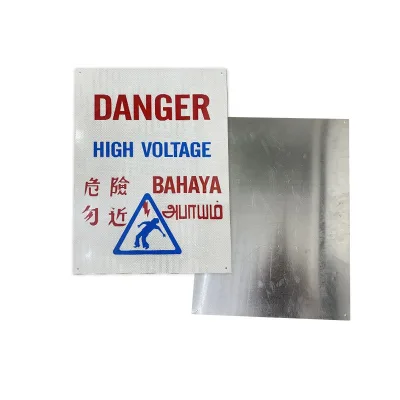
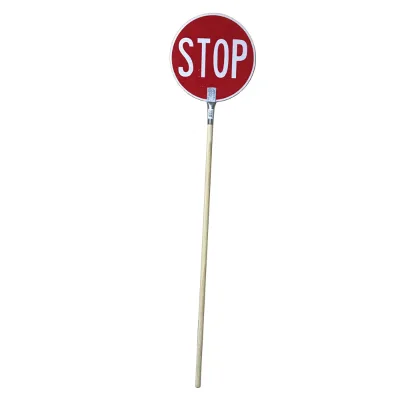


Community Sign Industrial Park Safety Warning Sign Anodized Aluminum Plate
$0.01 - $0.90
MOQ: 1 Pieces


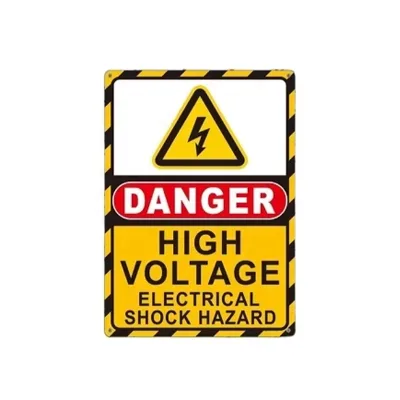
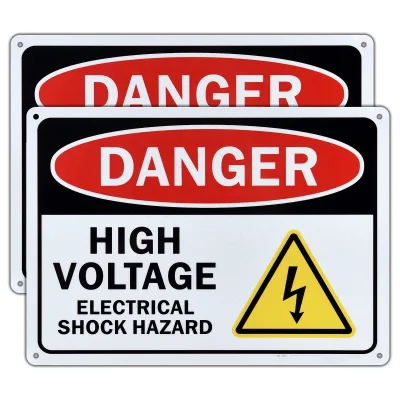
Comprehensive Sourcing Guide
Strategic Sourcing Guide for Aluminum Electrical Danger Warning Signs
Understanding Material Composition and Structural Integrity
When sourcing aluminum electrical danger warning signs, the primary focus must be on the material's ability to withstand environmental stressors while maintaining structural rigidity. The supplied product data indicates a strong prevalence of aluminum-based substrates, specifically citing "Aluminum," "Aluminum Plate," and "Aluminum Alloy Plate" as the core materials. A critical distinction in the observed specifications is the variation in alloy types, which include "Anti-Rust Aluminum Alloy" and "Hard Aluminum Alloy." These designations suggest that suppliers offer options tailored to different corrosion resistance requirements, which is paramount for signage intended for outdoor or high-humidity industrial environments.
The thickness of the sign is a decisive factor in its durability and perceived quality. The observed data presents a range of thickness specifications, with specific listings noting a "1mm" thickness for standard units, while other models offer a broader range of "0.8mm - 3mm." This variance implies that buyers must explicitly define their thickness requirements based on the intended mounting location. A 1mm plate may suffice for indoor electrical panels, whereas the upper end of the 3mm range might be necessary for freestanding road signs or areas subject to high wind loads or physical impact. The single package dimensions of 45x60x3 cm and a weight of 1kg for a 450x600mm unit provide a baseline for logistics planning, though buyers should verify if the 1.5-meter height mentioned in some attributes refers to a post-mounted assembly rather than the plate itself.
Technical Specifications and Surface Treatment Processes
The longevity and visibility of electrical hazard signs rely heavily on the surface treatment and printing technologies employed. The data confirms that "Silk Screen Printing" (also noted as "Silk Screen Printing" and "Laminating") is a standard application method for the graphics. This process is essential for ensuring that the warning text and symbols adhere firmly to the metal substrate. Furthermore, the presence of "3M HIP grade" reflective film in specific listings indicates a high-performance option for low-light conditions. Buyers should verify if the reflective coating is a standard feature or an upgrade, as this significantly impacts the sign's effectiveness in industrial facilities or along roadways where visibility is critical during night shifts or emergencies.
Surface treatment is another critical technical component. The observed specifications list "Anodizing," "Electrostatic Spraying," and "Baking Paint" as available processes. Anodizing provides a hard, corrosion-resistant oxide layer that is integral to the metal, making it ideal for harsh chemical environments. Electrostatic spraying and baking paint offer a broader palette of colors and can be used to apply specific safety color codes (such as the yellow and black stripes typical for electrical hazards). The "Process" attribute also mentions "Corrosion" and "UV Pr" (likely UV protection), suggesting that the manufacturing process includes steps to enhance resistance to fading and degradation. Buyers must ensure that the chosen surface treatment aligns with the specific environmental conditions of the installation site, particularly regarding exposure to UV radiation and moisture.
Compliance, Certification, and Standard Verification
Navigating the compliance landscape for safety signage requires careful verification of certifications and standards. While the data includes a mention of "ISOCondition:New" and a low-confidence background reference to "ISO 9001:2015," these should be treated as indicators of a supplier's potential quality management systems rather than guaranteed product certifications. The "prod_standard" is listed as "custom," which means that the product does not automatically conform to a specific international standard unless explicitly negotiated.
For electrical danger signs, buyers must independently verify compliance with local safety regulations, such as OSHA in the United States or relevant CE directives in Europe. The "Certification" field in the data is vague, so procurement teams should request specific test reports or certificates of conformity from the supplier. It is essential to confirm that the sign meets the specific color contrast, symbol size, and font requirements mandated by the jurisdiction where the sign will be installed. Relying solely on the "custom" standard designation is risky; instead, buyers should mandate that the supplier provides evidence of adherence to recognized safety communication standards before finalizing an order.
Cost Drivers and Pricing Dynamics
The pricing structure for aluminum electrical warning signs is influenced by several variable factors derived from the observed data. The observed price range of 0.01 to 125 USD suggests a significant disparity between basic, small-scale items and larger, highly customized, or premium-grade units. The "Selling Units" are listed as "Single item," which indicates that the pricing is often per piece rather than per pallet, though bulk discounts are likely available given the "MOQ range: 1-1000."
Key cost drivers include the thickness of the aluminum plate, the type of alloy used, and the complexity of the surface treatment. A sign with a 3mm thickness and 3M reflective film will naturally command a higher price than a 0.8mm non-reflective version. Additionally, the "Customization" attribute is marked as "Available" and "Customized," implying that bespoke designs, specific dimensions, or unique branding will incur additional costs. The "prod_packing" options, ranging from standard "Carton" to "Hard Carton," also affect the final price, as enhanced packaging is necessary for fragile or high-value items to prevent damage during transit. Buyers should request detailed breakdowns of costs to understand how much of the price is attributed to material, processing, and packaging.
Typical Applications and Usage Environments
The versatility of aluminum electrical danger signs is evident in the diverse "Usage" and "Application" categories listed in the data. These signs are suitable for a wide array of settings, including "Hospital," "Home," "Hotel," and "Public" spaces, as well as specific industrial applications like "Business" and "Road Signs." The "Application" field also explicitly mentions "Freezers Display Cabinets and Other White Goods," indicating that these signs are not limited to electrical hazard warnings but can also serve as identification plates for industrial equipment.
The "Location" attribute specifies that these signs are designed for both "Indoor" and "Outdoor" use. This dual capability is a significant advantage for buyers managing facilities with mixed environments. For outdoor applications, the "Environmental Attributes" of being "Recyclable" and "Pollution-Free" are beneficial for sustainability goals. The "Service Life" is estimated at "5 - 10 Years," which provides a benchmark for replacement planning. However, this lifespan is contingent on the quality of the surface treatment and the environmental severity of the installation site. Buyers should match the sign's specifications to the specific usage scenario; for instance, a sign for a hospital corridor may prioritize aesthetic integration, while a sign for a road or industrial yard must prioritize high visibility and impact resistance.
Supplier Evaluation and Quality Control Protocols
Evaluating suppliers for aluminum electrical warning signs requires a rigorous assessment of their manufacturing capabilities and quality control measures. The "Place of Origin" is consistently listed as "Zhejiang, China," a region known for its manufacturing density. Buyers should verify the supplier's production capacity and their ability to handle the "Customization" requests without compromising quality. The "Type" of product is described as "Warning Caution," and the "Form" is "Horizontal," but buyers must ensure the supplier can accommodate vertical orientations or other custom forms if required.
Quality control should focus on the consistency of the "Silk Printing" and the adhesion of the reflective film. Buyers should request samples to test the "Single gross weight" of 1.200 kg against the actual product to ensure no material shortcuts were taken. The "Folded" status is listed as "Unfolded," which is standard for rigid metal signs, but buyers must confirm the packaging method to prevent bending or scratching during shipping. The "prod_model" numbers (e.g., chentingting21, fansongdan08) suggest a large inventory of variations, so buyers should ensure the specific model ordered matches the exact technical requirements. Establishing a clear communication channel for quality assurance and defining acceptance criteria for defects is essential before placing large orders.
Long-Term Procurement and Lifecycle Management
Sourcing aluminum electrical warning signs is not merely a transactional purchase but a long-term investment in safety infrastructure. The "Service Life" of 5 to 10 years necessitates a procurement strategy that considers the total cost of ownership, including maintenance and replacement cycles. Buyers should prioritize suppliers who offer consistent quality over time to ensure that replacement signs match the original specifications, maintaining uniform safety communication across the facility.
The "Customization" availability allows for future-proofing; as safety regulations evolve or facility layouts change, the ability to order new signs with updated designs or specific dimensions is crucial. The "Recyclable" nature of the aluminum material supports corporate sustainability initiatives, allowing for responsible disposal at the end of the sign's lifecycle. Buyers should also consider the "Lead time" implications of the "MOQ" range; while the MOQ can be as low as 1, larger orders may require longer production schedules. Establishing a relationship with a reliable supplier who can manage inventory and provide timely restocking is vital for maintaining continuous safety compliance. Finally, buyers should regularly review the "Standard" and "Certification" status of their suppliers to ensure ongoing adherence to safety and environmental regulations.
FAQs
What material is used for aluminum electrical danger warning signs?
These signs are primarily made from aluminum, aluminum plate, or aluminum alloy plate. The alloy type can be anti-rust or hard aluminum alloy, ensuring durability for both indoor and outdoor environments while resisting corrosion.
How thick are the aluminum plates for these warning signs?
Standard units often feature a 1mm thickness, while other models offer a range from 0.8mm to 3mm. Buyers should select the thickness based on whether the sign is for indoor panels or outdoor road applications requiring higher impact resistance.
Can these signs be customized for specific safety requirements?
Yes, customization is available for dimensions, designs, and branding. Suppliers can produce signs with specific sizes like 450x600mm or custom dimensions, and they offer options for silk screen printing and reflective film upgrades.
What surface treatments are applied to these aluminum signs?
Available surface treatments include anodizing, electrostatic spraying, and baking paint. These processes enhance corrosion resistance and color retention, with some options also featuring UV protection to ensure a service life of 5 to 10 years.
Where are these aluminum warning signs manufactured?
The products originate from Zhejiang, China, which is a major manufacturing hub for metal signage. This location supports the production of various models, including those with specific model numbers like chentingting21 or fansongdan08.
Which printing methods are used for the warning graphics?
Silk screen printing is the standard method used to apply warning text and symbols. Some products also utilize laminating and UV protection processes to ensure the graphics remain visible and adhere firmly to the metal substrate over time.
What is the typical weight and packaging for a single sign?
A single 450x600mm unit typically weighs 1kg with a gross weight of 1.2kg per package. They are shipped in cartons or hard cartons with dimensions of 45x60x3 cm to prevent damage during transit.