Source Aluminum Mounting Concrete Finishing Brush for Leveling
Find 17 Aluminum Mounting Concrete Finishing Brush options from Chinese manufacturers. Compare specifications like brush size, material, and MOQ to select the right tool for concrete surface leveling, smoothing, and industrial texturing applications; compare the available evidence and request quotations based on your requirements.
Updated
Key considerations
Products List
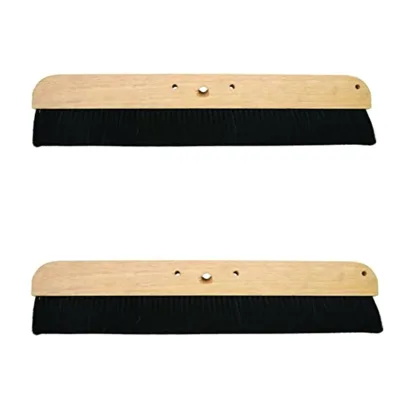
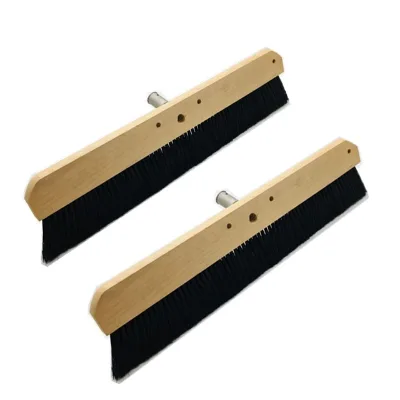
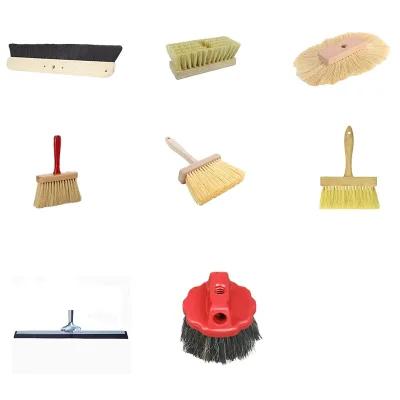
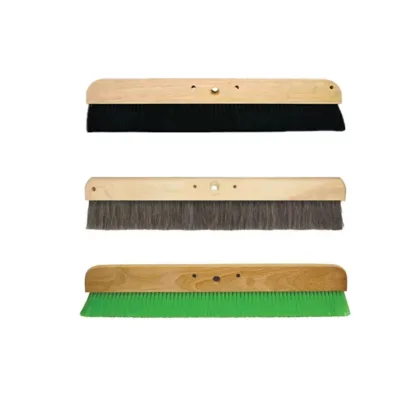
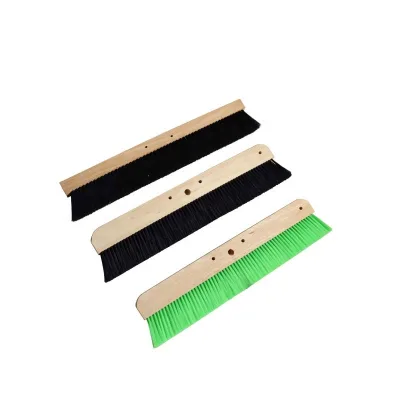
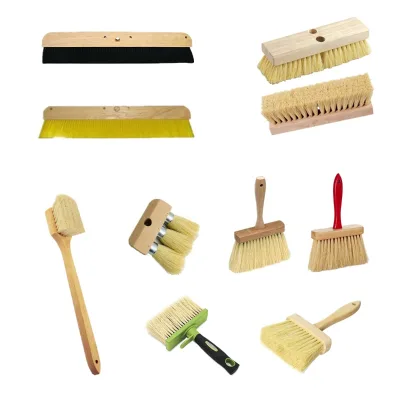
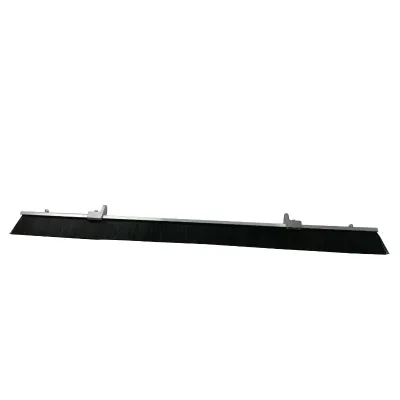
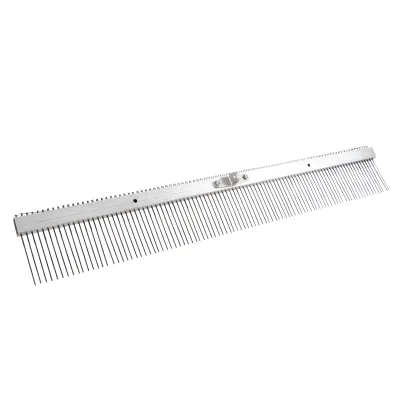
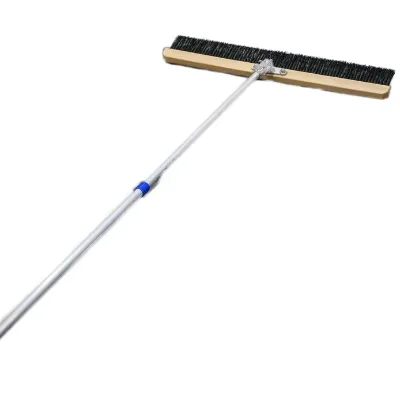
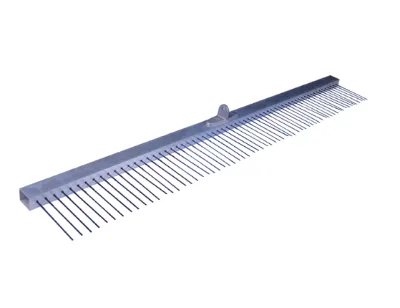
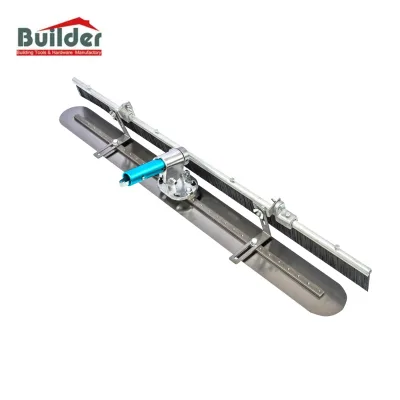
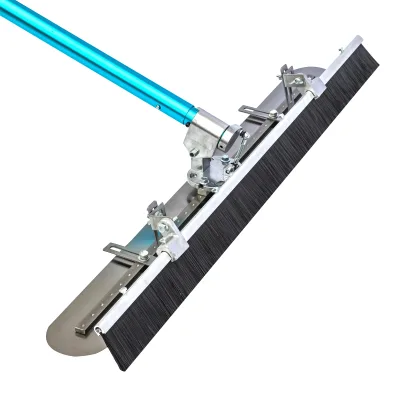
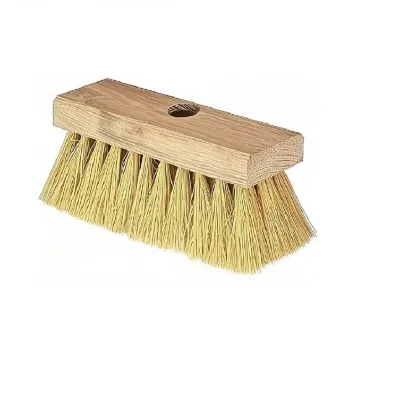
Concrete Finishing Tools Spring Steel Flat Wire Comb Texture Broom Wire Brush
$142.886 - $173.9504
MOQ: 2 pieces
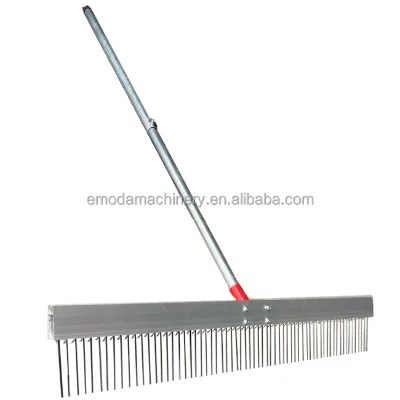
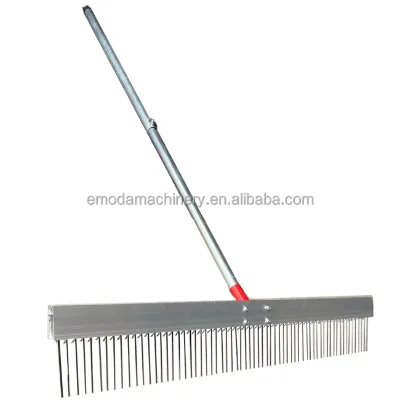
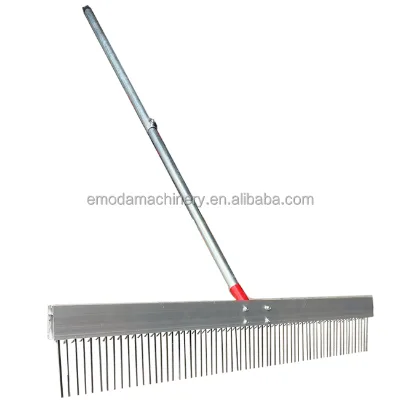
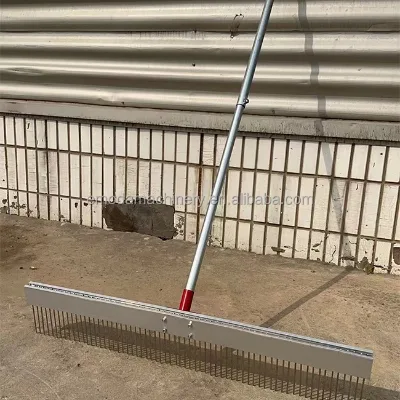
Comprehensive Sourcing Guide
Aluminum Mounting Concrete Finishing Brush Sourcing Guide
Sourcing aluminum-mounted concrete finishing brushes requires a careful balance between material durability, ergonomic design, and surface finish quality. Buyers must distinguish between standard polypropylene bristle brushes and specialized flat wire texture brooms, as the latter often utilize aluminum or magnesium alloy handles for enhanced structural integrity. The observed market data indicates a diverse range of product configurations, including varying brush sizes from 24 inches to 60 inches, which directly impacts the scope of procurement. Understanding these distinctions is critical for aligning tool selection with specific concrete finishing applications, whether for smoothing, texturing, or industrial repair tasks.
Procurement decisions should also account for the variability in handle materials and bristle compositions observed across listings. While some products feature wooden handles, others utilize aluminum or magnesium alloy frames, each offering different weight-to-strength ratios. The presence of OEM and ODM support suggests that buyers can customize specifications, but this requires clear communication of technical requirements. Verification of core components, such as connectors and spacing mechanisms, is essential to ensure the tool meets the mechanical demands of high-efficiency concrete surface leveling and repair operations.
Product Scope and Observed Listing Signals
The current market landscape for concrete finishing tools reveals a wide spectrum of product attributes, with observed prices ranging from $1 to $266.47 USD. This variance reflects differences in material quality, brand positioning, and included features such as video outgoing-inspection services. Minimum order quantities (MOQ) are flexible, ranging from 2 to 500 units, with many suppliers offering customized MOQs to accommodate both small-scale contractors and large industrial buyers. The supply ability is generally robust, with some manufacturers reporting capacities of up to 10,000 pieces per month, ensuring reliable fulfillment for bulk procurement needs.
Product listings highlight specific item names such as "concrete finishing tools brushes" and "flat wire texture brooms," indicating distinct functional categories. Key attributes include brush sizes of 24, 36, 48, and 60 inches, with bristle materials primarily consisting of polypropylene (PP) or spring steel. The observed color options include black and green, with customization available for specific branding or visibility requirements. Buyers should note that while some products are labeled as DIY grade, others are specified for industrial use, necessitating a clear assessment of the intended application environment before placing orders.
Technical Specifications to Verify
Verifying technical specifications is paramount when sourcing aluminum-mounted finishing brushes, particularly regarding brush size and handle construction. Observed data indicates brush sizes of 24 inches, 36 inches, and 60 inches, with single package dimensions varying significantly, such as 150x6x7.5 cm or 118x9x4 cm. Buyers must confirm the exact model numbers, such as MC101 or MC098, to ensure compatibility with existing tooling systems. The spacing of wire bristles, observed at intervals like 3/4", 1/2", 5/8", and 1", directly influences the texture pattern on the concrete surface and must align with project specifications.
Material composition is another critical verification point, with handles made from wood, aluminum, or magnesium alloy. The raw materials for wire brooms include aluminum and spring steel, while some products specify magnesium alloy for the main body. Weight is a significant factor for operator fatigue, with observed single gross weights ranging from 1.550 kg for smaller brushes to 12.0 kg for larger, heavy-duty units. Buyers should request detailed weight specifications and single package sizes to calculate accurate shipping costs and ensure the tools meet ergonomic standards for prolonged use in concrete repair and surface leveling tasks.
Compliance and Safety Documentation
Compliance and safety documentation are essential for ensuring that concrete finishing tools meet international standards and workplace safety regulations. Some observed listings explicitly mention CE certification, which is a critical requirement for selling products within the European market. Buyers must verify the validity of such certifications and request copies of test reports to confirm that the tools do not pose hazards during operation. The presence of video outgoing-inspection services provides an additional layer of assurance, allowing buyers to visually verify the quality and assembly of the products before shipment.
Beyond certification, buyers should inquire about machinery test reports and core component warranties. While some listings indicate that machinery test reports are not available, others highlight core components like connectors, which are vital for the structural integrity of the brush. A one-year warranty is observed on some products, offering protection against manufacturing defects. Buyers should ensure that all safety-related documentation, including user manuals and hazard warnings, is provided in the target market's language to facilitate safe and compliant usage by construction crews.
Cost Drivers and Commercial Terms
Cost drivers for aluminum-mounted concrete finishing brushes include material selection, customization levels, and packaging requirements. The use of premium materials like magnesium alloy or aluminum significantly impacts the unit price compared to standard wooden or plastic handles. Customization options, such as OEM branding or specific bristle spacing, may incur additional setup fees or higher per-unit costs. Buyers should analyze the total cost of ownership, including shipping, by considering the single gross weight and package dimensions, which vary widely across different product models and sizes.
Commercial terms also play a crucial role in procurement strategy, with supply abilities ranging up to 10,000 pieces per month. Packaging details are often customizable, with carton packing being a common standard. Buyers should negotiate clear terms regarding payment methods, lead times, and return policies. The observed selling units are typically single items, but bulk discounts may be available for larger orders. Understanding these commercial dynamics helps buyers optimize their procurement budget while ensuring timely delivery for construction projects with tight schedules.
Supplier Qualification and Quality Control
Supplier qualification involves assessing the manufacturer's production capabilities, quality control processes, and geographic location. Observed data indicates origins in Jiangsu, Fujian, and Henan provinces in China, each with distinct industrial strengths. Buyers should verify the supplier's ability to meet the required supply ability of 10,000 pieces per month and their experience in producing specialized concrete tools. The availability of OEM and ODM support suggests a level of manufacturing flexibility, but buyers must ensure that the supplier has robust quality assurance protocols in place.
Quality control measures should include pre-shipment inspections and verification of core components. The observation of video outgoing-inspection services is a positive indicator, allowing buyers to monitor the final product quality. Buyers should also check for certifications like CE and request detailed material specifications for handles and bristles. Establishing a clear communication channel for addressing defects or discrepancies is essential. By prioritizing suppliers with transparent quality control practices and verified production capacities, buyers can mitigate risks associated with product failures and ensure consistent performance in concrete finishing applications.
Long-Term Procurement Checks
Long-term procurement checks focus on supplier reliability, product consistency, and after-sales support. Buyers should establish a performance tracking system to monitor the durability of aluminum and magnesium alloy handles under repeated use. The observed warranty of one year provides a baseline for evaluating product lifespan, but buyers should gather feedback from end-users regarding operator fatigue and tool performance. Regular audits of supplier quality control processes can help maintain high standards and prevent defects from reaching the construction site.
Additionally, buyers should stay informed about changes in industry standards and material regulations that may affect product compliance. Maintaining a diversified supplier base can mitigate risks associated with supply chain disruptions. Periodic reviews of commercial terms and pricing trends will help buyers optimize their procurement strategy over time. By focusing on long-term relationships and continuous improvement, buyers can ensure a steady supply of high-quality concrete finishing tools that meet the evolving needs of their projects and maintain operational efficiency.
FAQs
What materials are used for the brush head and handle?
The brush head typically uses polypropylene bristles or spring steel wire, while the handle is crafted from wood. Some premium models feature magnesium alloy handles for durability. These material choices ensure the tool withstands the abrasion of concrete finishing tasks while providing a comfortable grip for the operator during extended use on construction sites.
What sizes are available for concrete finishing brushes?
Available sizes include 24 inches, 36 inches, 48 inches, and 60 inches. The product specifications list these standard widths to accommodate different concrete surface areas. Buyers can also request customized sizes to meet specific project requirements, ensuring the tool fits the exact dimensions needed for efficient concrete smoothing and texturing operations.
Can I get OEM or ODM customization for these tools?
Yes, customized support for both OEM and ODM is available. Manufacturers offer tailored solutions to meet specific branding or design needs. This flexibility allows buyers to source tools that align with their company standards. Customization options extend to handle materials and brush configurations, ensuring the final product meets precise operational requirements for concrete finishing applications.
What certifications do these concrete tools hold?
Some models hold CE certification, indicating compliance with European safety standards. This certification is relevant for buyers operating in or exporting to regions requiring such regulatory adherence. It assures that the manufacturing processes and product safety meet established industrial benchmarks. Buyers should verify specific certification documents with suppliers to ensure compatibility with their local regulatory requirements.
What is the typical supply capacity for these brushes?
The supply ability is listed as 10,000 pieces per month. This capacity supports medium to large-scale procurement needs for construction projects. Buyers requiring higher volumes should discuss lead times and production scheduling directly with the supplier. This monthly output ensures a steady supply chain for ongoing concrete finishing work without significant delays in tool delivery.
Where are these concrete finishing brushes manufactured?
These tools are manufactured in China, with origins in provinces like Jiangsu, Fujian, and Henan. Different product models may originate from specific regional factories, each specializing in particular aspects of tool production. Buyers can specify preferred manufacturing locations if required for logistical or sourcing strategy reasons, ensuring transparency in the supply chain for their procurement processes.