Source AM White EAS System with 2-Color LED for Retail
Find 30 AM White EAS System with 2-Color LED options for jewelry stores, supermarkets, and bookstores. Compare detection ranges, frequencies, and certifications to select the right anti-theft solution for your retail environment.
Key considerations
Products List










Comprehensive Sourcing Guide
AM White EAS System with 2-Color LED Sourcing Guide
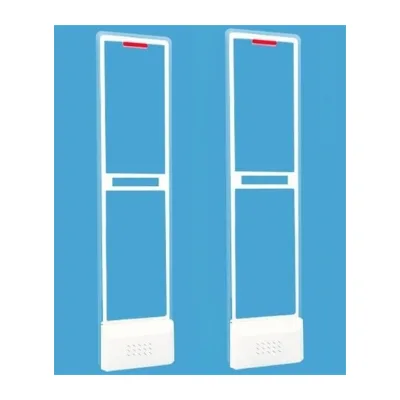
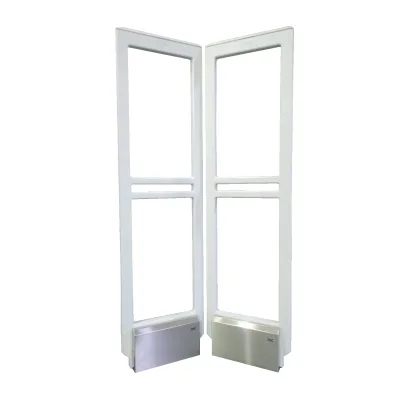
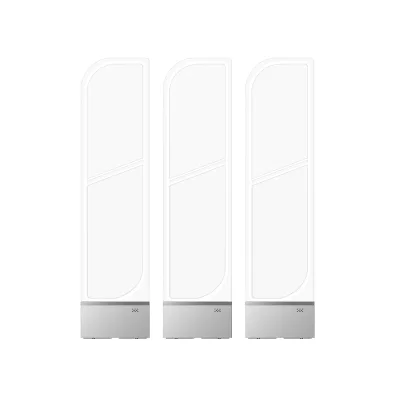
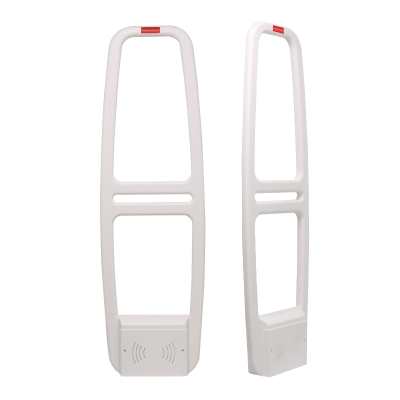
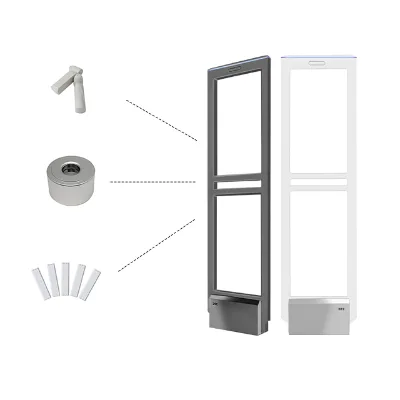
The AM White EAS System with 2-Color LED represents a specialized category of Electronic Article Surveillance (EAS) designed for high-visibility retail environments. Based on observed market data, these systems typically operate on a 58kHz frequency using Acusto Magnetic (AM) technology, which is the industry standard for detecting hard tags in retail settings. The white finish and dual-color LED indicators are not merely aesthetic choices but functional design elements intended to blend with store decor while providing clear visual feedback on system status, such as detection zones or alarm triggers. Buyers should recognize that the "2-color LED" feature often correlates with specific system designs where different colors indicate distinct operational states, aiding staff in troubleshooting or monitoring the security perimeter effectively.
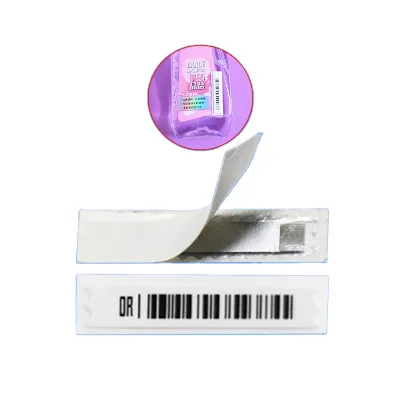
Procurement of these systems requires a clear understanding of the specific application environments where they are deployed, as the technology is optimized for high-theft-risk areas like jewelry stores, supermarkets, video stores, and bookstores. The detection signal relies on the interaction between the AM system and matching labels, with an observed detection distance ranging from 1.2 to 2.0 meters depending on the specific model and label configuration. When sourcing, buyers must verify that the system's detection range aligns with their physical store layout, as the effective coverage is critical for preventing shoplifting without creating false alarms that disrupt customer flow. The system's ability to function as a complete EAS solution often includes matching boards, such as the AM02 or AM08, which are essential for integrating the detection gates with the central processing unit.
Product Scope and Observed Listing Signals
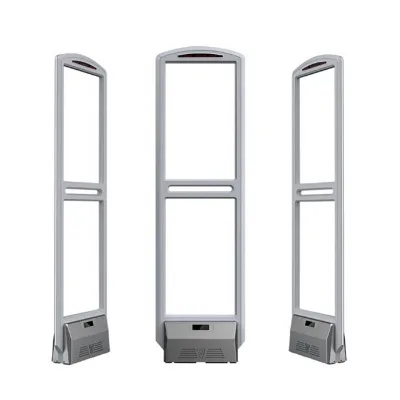
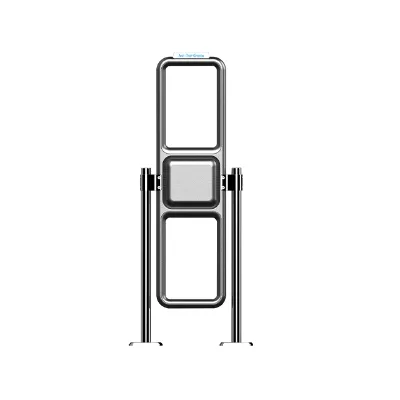
The product scope for AM white EAS systems with 2 color LED indicators encompasses a variety of model numbers, including the HR811, HR867, and AM-9080, each potentially offering different physical dimensions and material compositions. While the core keyword specifies a white finish, observed listings also include transparent and grey variants, indicating that color is a variable attribute rather than a fixed standard for all units in this category. The physical construction often utilizes materials like acrylic or ABS, with dimensions varying significantly; for instance, some units measure approximately 155x36x11cm while others are larger at 158x43x12cm. Buyers must carefully cross-reference the model number with the specific material and dimensions to ensure the unit fits their intended installation space and meets durability requirements.
Listing signals for these products frequently highlight customization availability and OEM acceptance, suggesting that suppliers are often willing to tailor the system to specific branding or functional needs. The observed Minimum Order Quantity (MOQ) ranges from a single unit to 1,000 units, with many suppliers offering an MOQ of just 1 set or 1 piece, which facilitates small-scale testing or pilot deployments. Packaging is typically handled in cartons, with single package sizes ranging from 163x48x40 cm to 163x49x27 cm, and gross weights varying between 20kg and 46kg. These logistical details are crucial for procurement planning, as the shipping volume and weight directly impact freight costs and warehouse handling requirements for the buyer.
Technical Specifications to Verify
Technical verification for the AM white EAS system must begin with the confirmation of the operating frequency, which is consistently observed at 58kHz for these AM systems. This frequency is critical because it determines the compatibility with the EAS labels and tags used in the retail environment; using a system with a different frequency would render the security labels ineffective. Buyers should also verify the detection range, which is observed to be between 1.6 and 1.8 meters for DR labels in specific models, ensuring that the system covers the necessary aisle width or entrance area. The detection signal type is identified as Acusto Magnetic, a robust technology that offers high sensitivity and resistance to environmental interference, making it suitable for busy retail floors.
The visual and functional indicators of the system, specifically the 2-color LED light, require detailed scrutiny to ensure they provide the intended operational feedback. In many configurations, these LEDs serve to indicate the status of the detection zone, with different colors potentially signaling normal operation, alarm activation, or system faults. The system design is explicitly noted as AM, and the matching board is a critical component that must be compatible with the main unit, such as the AM02 or AM08 boards observed in the data. Additionally, the warranty period varies, with some units offering 24 months for EAS boards and others providing 12 months, a factor that directly influences the total cost of ownership and the risk profile of the procurement.
Compliance and Safety Documentation
Compliance documentation for AM white EAS systems must include verification of international safety and environmental certifications, specifically CE and RoHS, which are frequently cited in product attributes. These certifications indicate that the electronic components within the system meet European safety standards and restrict the use of hazardous substances, which is a prerequisite for selling in many global markets. Some listings also reference FCC certification, suggesting compliance with United States electromagnetic interference standards, which is vital for buyers operating in North America. Buyers should request copies of these certificates to ensure they are current and issued by recognized bodies, as the presence of a certification mark on a listing does not guarantee the specific unit's compliance.
Safety and operational documentation should also cover the system's warranty terms and the specific conditions under which the warranty applies. The observed warranty periods range from 12 to 24 months for EAS boards, and buyers must clarify whether this coverage includes labor, parts, or both, as well as the process for claiming warranty support. The production capacity of suppliers, often listed as over 2,000 pieces per month, serves as an indirect indicator of their ability to maintain consistent quality and supply continuity, but it does not replace the need for formal quality assurance documentation. Buyers should ensure that the supplier provides a clear warranty policy that outlines the steps for repair or replacement in the event of a system failure, protecting the investment against premature hardware degradation.
Cost Drivers and Commercial Terms
The cost of an AM White EAS System with 2-Color LED is influenced by several factors, including the material composition, such as acrylic versus ABS, and the complexity of the system design. While the observed price range in the market spans from $0.01 to $1,999, this wide variance reflects differences in unit configuration, volume discounts, and whether the price includes the matching boards or just the main detection unit. Buyers should be cautious of extremely low prices that may indicate incomplete kits or lower-quality materials, as the system's effectiveness relies on the durability of the housing and the precision of the internal electronics. The "factory price" advantage mentioned in some listings suggests that direct sourcing from manufacturers can reduce costs, but buyers must weigh this against the potential risks of dealing with less established suppliers.
Commercial terms, particularly regarding the Minimum Order Quantity (MOQ) and payment conditions, are flexible but require clear definition before finalizing a purchase. The observed MOQ ranges from 1 piece to 1,000 units, with many suppliers offering an MOQ of 1 set, which allows for low-risk trial orders. However, buyers should verify if the low MOQ applies to the entire system or just individual components, as purchasing a complete functional unit often requires a minimum bundle. The production capacity of over 2,000 pieces per month indicates that suppliers can handle larger orders, but lead times and shipping terms must be confirmed to ensure the system arrives before the intended launch date. Buyers should also inquire about OEM and ODM capabilities, as these services can add value by allowing for custom branding or specific feature modifications.
Supplier Qualification and Quality Control
Supplier qualification for AM white EAS systems should prioritize manufacturers with a proven track record in the EAS industry, as evidenced by their production capacity and years of experience. Some suppliers highlight over 14 years of OEM and ODM experience, which suggests a mature understanding of the technical requirements and market demands for security systems. The location of production, often cited as Shandong or Guangdong in China, provides insight into the regional manufacturing ecosystem, but buyers should not rely solely on location as a proxy for quality. Instead, the focus should be on the supplier's ability to provide consistent product specifications, such as the exact dimensions and material properties observed in the listings, and their willingness to undergo third-party quality audits.
Quality control processes must be verified through the supplier's internal testing protocols and their adherence to the stated product standards. The use of materials like acrylic and ABS, along with the specific dimensions provided, must be consistent across all units in a production batch to ensure reliable performance. Buyers should request samples to test the detection range, LED functionality, and physical durability before committing to a large order. The warranty period, whether 12 or 24 months, is a strong indicator of the supplier's confidence in their product quality, but it should be backed by a clear service level agreement that defines response times and resolution procedures. Additionally, the availability of customization options should be evaluated to ensure the supplier can meet specific operational needs without compromising the system's integrity.
Long-Term Procurement Checks
Long-term procurement checks for AM white EAS systems involve monitoring the system's performance over time and ensuring that the supplier remains capable of providing support and spare parts. The warranty period, typically 12 to 24 months, serves as a baseline for the expected lifespan of the hardware, but buyers should plan for eventual replacements or upgrades as technology evolves. Regular maintenance checks should be conducted to verify that the detection range remains within the specified 1.2 to 2.0 meters and that the 2-color LED indicators continue to function correctly. The system's compatibility with existing labels and tags must also be re-evaluated periodically to ensure that the 58kHz frequency remains effective against new types of anti-theft tags that may enter the market.
Supply chain resilience is another critical aspect of long-term procurement, requiring buyers to assess the supplier's production capacity and ability to scale operations. With a stated capacity of over 2,000 pieces per month, suppliers should be able to meet demand fluctuations, but buyers should establish contingency plans for potential disruptions. The availability of customization and OEM services should be maintained as a strategic advantage, allowing the buyer to adapt the system to changing retail environments or branding requirements. Finally, buyers should maintain open communication with the supplier regarding any updates to certifications, such as CE or RoHS, to ensure continued compliance with evolving international regulations and standards.
FAQs
What detection range does this AM system provide?
The system provides a detection range of 1.2 to 2.0 meters. This range applies specifically when using DR labels, with some configurations offering 1.6 to 1.8 meters. The effective distance ensures reliable security coverage for retail environments like jewelry stores and supermarkets.
Can the system be customized for specific retail needs?
Yes, customization is available for this EAS AM system. Buyers can request OEM services, and the manufacturer accepts both OEM and ODM requests with over 14 years of experience. This flexibility allows retailers to tailor the system to their specific store layouts and branding requirements.
What certifications does the AM system hold?
The system holds CE, RoHS, and FCC certifications. These standards ensure compliance with international safety and environmental regulations. The certifications apply to the EAS boards and the overall system design, providing assurance for global retail deployments and regulatory adherence in various markets.
What is the minimum order quantity for this system?
The minimum order quantity is one piece or one set. This low MOQ allows retailers to test the system before committing to larger orders. The flexible ordering policy supports small businesses and allows for easy expansion of security infrastructure as retail operations grow.
What materials are used in the system construction?
The system utilizes acrylic and ABS materials for its components. The acrylic parts provide a transparent or white finish, while ABS is used for durability. These materials ensure the system is robust for retail environments while maintaining a professional appearance that blends with store decor.
What warranty is provided for the EAS boards?
The EAS boards come with a 24-month warranty. This coverage ensures reliability and support for the core security components. The warranty period reflects the manufacturer's confidence in the product's durability and performance, offering peace of mind for retail security investments.