Source Android 1080p Wireless Advertising Player for Retail, Lobbies, and Events
Find and compare 30 Android 1080p Wireless Advertising Player options from China. These units feature Android OS, LED/LCD screens, and wall-mounted designs for indoor digital signage applications.
Key considerations
Products List

LCD Advertising Display Screen Media Video Player WiFi Network Advertising Player
$120.00 - $1000.00
MOQ: 1 Pieces

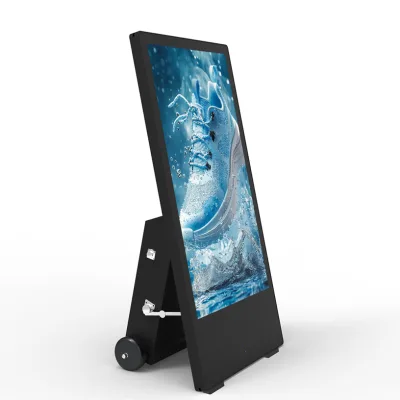
43 Inch HD Android WiFi Network Ad Player Floor Standing Advertising Player
$150.00 - $1000.00
MOQ: 1 Pieces


55" Wall Mounted Advertising Player Network Digital Signage Video Ad Player
$500.00 - $600.00
MOQ: 1 Pieces




Comprehensive Sourcing Guide
Android 1080p Wireless Advertising Player Sourcing Guide
Sourcing digital signage solutions requires a clear understanding of the specific hardware capabilities and operational environments where these devices will be deployed. The market for network-enabled advertising displays is diverse, ranging from compact indoor units to large-format video walls. Buyers must distinguish between basic media players and fully integrated display systems that include touch interfaces, specific screen technologies, and robust mounting options. This guide focuses on the procurement of Android-based advertising players, emphasizing the verification of technical specifications, compliance documentation, and supplier reliability to ensure a successful acquisition.
The following sections provide a structured approach to evaluating potential suppliers and products. By focusing on observable listing signals, critical technical parameters, and commercial terms, procurement teams can mitigate risk and align their purchases with specific operational needs. The guidance herein is derived from observed market data and standard industry practices, ensuring that all recommendations are grounded in verifiable facts rather than speculative claims.
Product Scope and Observed Listing Signals
The current market for Android advertising players exhibits a wide range of screen sizes and form factors, which directly impacts their suitability for different indoor applications. Observed listings indicate screen sizes spanning from 15-20 inches up to 40-50 inches, with specific models available in 21.5, 32, 43, 49, 55, 65, 75, and 86-inch configurations. This variety allows buyers to select units that fit specific spatial constraints, whether for small kiosks or large lobby installations. The presence of both LED and LCD screen technologies in the market suggests that buyers must carefully evaluate the intended viewing distance and ambient lighting conditions to choose the appropriate panel type.
Installation methods and customization options are critical factors that define the product scope. Most observed units are designed for wall-mounted installation, with some supporting vertical orientation to suit specific architectural layouts. Customization is widely available, including the ability to customize logos and support for OEM/ODM services, which is essential for brands seeking a cohesive visual identity. Additionally, the interface types vary, with USB and HDMI ports being common, while some models offer more extensive connectivity including RJ45 and DC inputs. Buyers should verify these interface options to ensure compatibility with existing content management systems and peripheral devices.
Technical Specifications to Verify
The operating system and processing capabilities are foundational to the performance of any digital signage solution. Android is the predominant operating system observed in this category, providing a flexible platform for running advertising applications and managing content updates. Buyers must verify the specific version of Android and the hardware resources, such as RAM and storage, to ensure smooth operation of complex media files. The resolution is a key performance indicator, with many units supporting 1080p or higher, including 3840x2160 for 4K displays. It is crucial to confirm the optimum resolution and response time, as these factors directly influence the visual quality and fluidity of video content.
Connectivity and control features determine how easily the advertising content can be managed and updated. Wireless connectivity is often a preferred feature for reducing cable clutter, though buyers must verify the specific wireless standards supported. Remote control functionality varies, with some units including a remote and others not, which affects the ease of initial setup and troubleshooting. The aspect ratio is typically 16:9, which is standard for most video content, but buyers should confirm this to avoid black bars or distorted images. Additionally, the support for multi-language interfaces and touch screen capabilities, such as capacitive touch, should be verified if interactive advertising is part of the strategy.
Compliance and Safety Documentation
Regulatory compliance is non-negotiable for electronic devices sold or used in various international markets. Buyers must ensure that the advertising players meet the necessary safety and electromagnetic compatibility standards for their target regions. Common certifications observed in the market include CE, FCC, RoHS, and CCC, which indicate compliance with European, American, Chinese, and environmental standards respectively. ISO9001 certification is also frequently cited, reflecting the manufacturer's adherence to quality management systems. These certifications provide assurance that the products have undergone rigorous testing for safety, emissions, and material restrictions.
Documentation verification is a critical step in the procurement process to avoid customs delays or legal liabilities. Buyers should request copies of the relevant certificates and test reports from the supplier before placing an order. It is important to note that certification status can vary by model and production batch, so each specific product SKU must be verified individually. The presence of these certifications also often correlates with better build quality and more reliable after-sales support. Buyers should treat these documents as mandatory requirements rather than optional extras, ensuring that all purchased units are fully compliant with local regulations.
Cost Drivers and Commercial Terms
The price range for Android advertising players is influenced by several factors, including screen size, resolution, and the level of customization required. Observed prices in the market range from approximately $1 to over $1,500, reflecting the diversity of products from basic media players to high-end large-format displays. Larger screens with higher resolutions and additional features such as touch screens or specialized mounting hardware command higher prices. Buyers should analyze the total cost of ownership, including shipping, installation, and potential maintenance costs, rather than focusing solely on the unit price.
Minimum Order Quantities (MOQ) and production lead times are key commercial terms that affect supply chain planning. MOQs can range from single units to larger batches, depending on the supplier and the level of customization. Standard models often have lower MOQs, while customized products with specific logos or packaging may require higher volumes. Production times are typically short, ranging from 3 to 7 days for standard items, but this can extend for customized orders. Buyers should negotiate clear terms regarding payment schedules, shipping methods, and warranty periods, which are commonly offered for one year or 12 months.
Supplier Qualification and Quality Control
Evaluating supplier qualifications is essential to ensure a reliable partnership and consistent product quality. Buyers should verify the supplier's manufacturing capabilities, including their production facilities and quality control processes. The origin of the products, often listed as China or specific provinces like Fujian, can provide insights into the supply chain dynamics and logistics options. Suppliers with established OEM/ODM services are often better equipped to handle custom requirements and provide technical support. It is advisable to request samples or conduct factory audits to assess the supplier's ability to meet specific quality standards.
Quality control measures should be integrated into the procurement process to minimize defects and ensure product longevity. Buyers should inquire about the testing procedures used by the supplier, including burn-in tests and functional checks. The packaging method is also an indicator of quality, with options ranging from simple carton boxes to more robust wooden cases or flight cases for heavy-duty transport. Clear warranty terms and after-sales service policies should be established in the contract, covering issues such as dead pixels, software glitches, and hardware failures. Establishing a clear communication channel with the supplier for technical support is crucial for resolving issues quickly.
Long-Term Procurement Checks
Sustaining a successful procurement strategy requires ongoing monitoring of product performance and supplier reliability. Buyers should establish key performance indicators (KPIs) to track the uptime and functionality of the deployed advertising players. Regular feedback from end-users and site managers can help identify recurring issues or areas for improvement. It is important to maintain open communication with the supplier regarding software updates and hardware revisions, ensuring that the devices remain compatible with the latest content management systems.
Future-proofing the investment involves considering the scalability and upgradeability of the chosen solutions. Buyers should evaluate whether the suppliers offer modular components or software updates that can extend the life of the hardware. As technology evolves, the ability to upgrade processors, memory, or connectivity options can prevent the need for complete system replacements. Additionally, staying informed about emerging trends in digital signage, such as interactive features or advanced analytics, can help buyers make informed decisions about future purchases. By maintaining a proactive approach to procurement, organizations can maximize the value of their digital signage investments.
FAQs
What screen sizes are available for these players?
Available screen sizes range from 15 to 86 inches, including specific models like 21.5, 43, and 75 inches. These units support various applications such as indoor advertising and big-screen projects with options for wall-mounted or vertical installation.
Can I customize the logo and functions on the device?
Yes, the logo can be customized, and the device supports customized functions. The product offers ODM and OEM services, allowing buyers to tailor the unit to specific branding or functional requirements while maintaining standard warranty coverage.
What operating system and interface types are supported?
The devices run on Android operating systems and feature multiple interface types including USB, HDMI, and RJ45. This connectivity allows for versatile integration with external devices and networks, supporting multi-language functionality for diverse user bases.
How long is the warranty period for these units?
The standard warranty period is one year or 12 months for the advertised products. This coverage applies to the network version AD players and touch screen panels, ensuring reliability for indoor advertising applications across different screen sizes.
What certifications do these advertising players hold?
These units hold certifications including CE, FCC, RoHS, CCC, and ISO9001. These standards ensure compliance with international safety and environmental regulations, making the products suitable for global deployment in various indoor advertising and display scenarios.
What is the typical production time for orders?
The typical production time is between 3 to 7 days for these units. This lead time applies to customized orders and standard models, facilitating quick turnaround for businesses needing rapid deployment of indoor advertising players with specific screen specifications.