Source Anatomical Respiratory Endoscope Training Model for Hospitals Schools Clinics
Find 30 Anatomical Respiratory Endoscope Training Model options from verified Chinese suppliers. Compare specifications, materials like PVC and silica gel, and pricing to select the right simulator for medical education and hospital training programs.
Key considerations
Products List


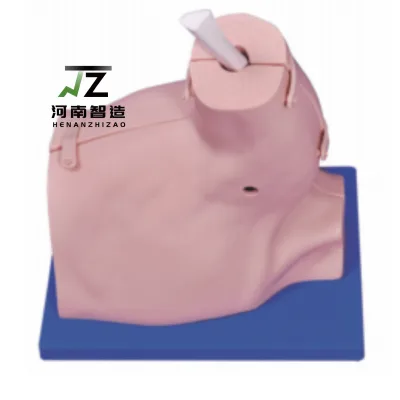
Lung Segments Model Anatomical Model Medical Education Training Simulator
$10.00 - $200.00
MOQ: 1 Pieces


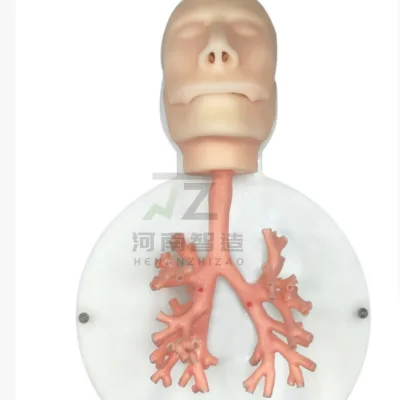
Bronchial Tree Model Anatomical Model Medical Education Training Simulator
$10.00 - $100.00
MOQ: 1 Pieces

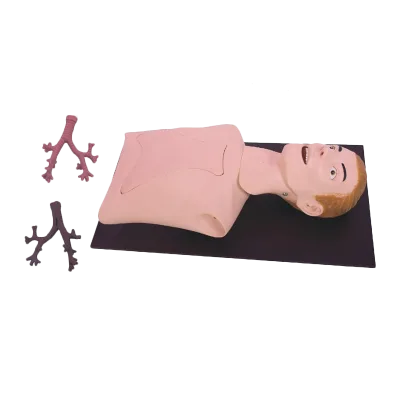
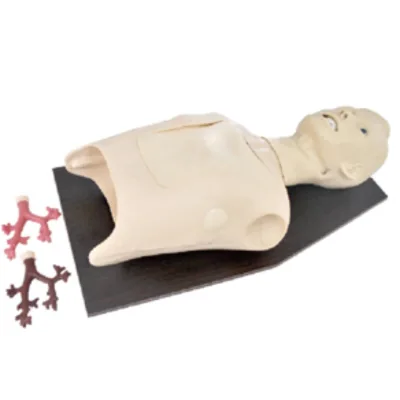
3D Surgical Training Model for Respiratory Endoscopy Simulator for Medical Education
$1000.00 - $3000.00
MOQ: 1 Pieces


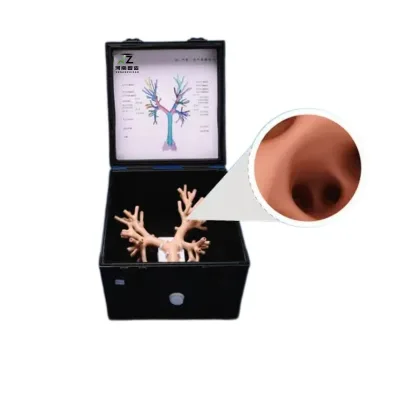
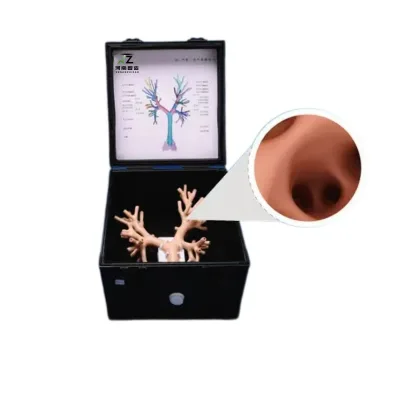
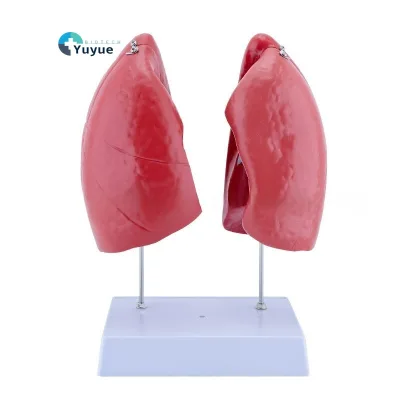
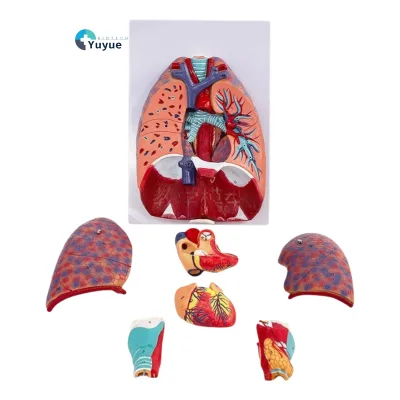
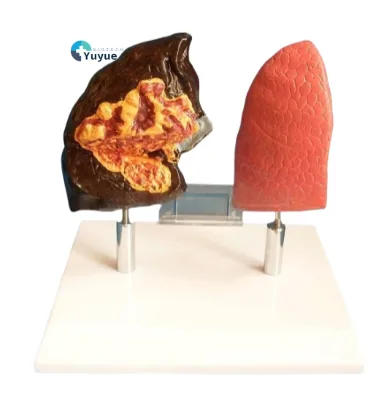


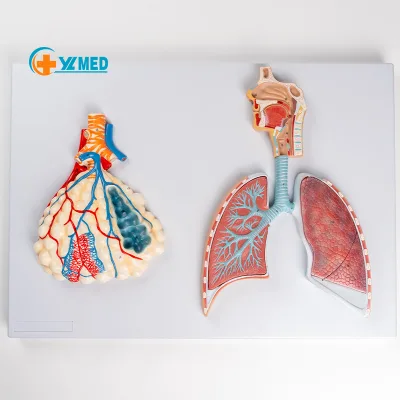


Comprehensive Sourcing Guide
Sourcing Guide for Anatomical Respiratory Endoscope Training Models
Understanding the Technical Landscape of Respiratory Training Simulators
The procurement of anatomical respiratory endoscope training models requires a precise understanding of the specific attributes that define high-fidelity medical education tools. These simulators are designed to replicate the human respiratory tract, allowing medical students and practitioners to practice bronchoscopy and other endoscopic procedures in a risk-free environment. Based on the available market data, these models are frequently categorized under "Medical Education Training Simulator" and "Anatomical Model" types. The core functionality often revolves around specific anatomical features, such as the bronchus, which is explicitly noted as a replaceable part in several product listings. This modularity is critical for training scenarios where specific airway segments may need to be swapped to simulate different pathologies or to replace worn components.
When evaluating the physical construction of these models, buyers must look beyond generic descriptions. The materials used are a primary determinant of realism and durability. The supplied facts indicate a prevalence of PVC (Polyvinyl Chloride) as a standard material, alongside Sld Silica Gel for specific high-fidelity components. The use of silica gel is particularly significant for simulating the soft, pliable texture of biological tissue, which is essential for practicing the tactile feedback required during endoscopic insertion. In contrast, PVC models may offer a more rigid structure suitable for specific structural demonstrations. The color of these models is typically described as "Beige," a standard choice to mimic natural tissue tones, though some listings mention "Full color process printing" or "Silk Screen Printing on Base" to enhance anatomical accuracy and educational value.
Compliance, Certification, and Regulatory Verification
In the medical education sector, compliance and certification are not merely administrative hurdles but fundamental indicators of product reliability and safety. Buyers must rigorously verify that any anatomical model intended for clinical training meets established international standards. The market data confirms the presence of CE and ISO certifications, specifically noting "ISOCondition:New" and "CE,ISOCondition:New" in product attributes. These designations suggest that the manufacturers adhere to specific quality management systems and safety regulations, which is a prerequisite for selling medical devices and educational tools in many global markets.
However, the presence of a certification label on a product page does not automatically guarantee that every unit in a bulk order meets the same standard. Buyers should treat these certifications as observations of the supplier's general compliance status rather than a blanket claim for every listed item. It is imperative to request valid, up-to-date certification documents directly from the supplier before finalizing a purchase. The verification process should include checking the scope of the ISO certification to ensure it covers the specific manufacturing processes of the anatomical models. Furthermore, while the data lists "ISO" and "CE," the specific standard numbers (e.g., ISO 13485 for medical devices) are not explicitly provided in the general facts. Therefore, procurement teams must explicitly ask for the standard numbers to ensure they align with the regulatory requirements of their specific region or institution.
Cost Drivers and Pricing Structure Analysis
The pricing of anatomical respiratory endoscope training models is influenced by a complex interplay of factors, including material composition, level of anatomical detail, and the inclusion of replaceable parts. The observed price range in the market spans from 10 USD to 3,000 USD, a significant variance that reflects the diversity of product complexity. At the lower end of this spectrum, models are likely simpler, perhaps made primarily of PVC with basic anatomical features and minimal customization. Conversely, the higher price points likely correspond to models constructed with Sld Silica Gel, featuring full-color printing, replaceable bronchus components, and more intricate internal structures that closely mimic human physiology.
Several specific attributes drive these costs. The "Customization" attribute is listed as both "Available" and "Customized" in different product entries, indicating that bespoke models can be ordered. Customization typically incurs additional costs due to the specialized tooling and labor required to alter standard designs. Additionally, the "Procedure" attribute, which specifies "Training," suggests that the price may also reflect the intended depth of the training experience. A model designed for basic orientation will cost significantly less than one designed for advanced procedural simulation. Buyers should also consider the "Net Weight" and "Size" as indirect cost drivers; heavier, larger models with complex internal mechanisms generally require more raw material and advanced manufacturing techniques, pushing the unit price higher.
Typical Applications and Educational Use Cases
The primary application of these models is clearly defined as "Hospital School etc," indicating their utility in both clinical hospital settings and academic institutions. The "Purpose" attribute reinforces this, highlighting their role in medical education and training. These simulators are indispensable for teaching students how to navigate the respiratory tract, identify anatomical landmarks, and practice endoscopic techniques without the ethical and safety concerns associated with live patients.
The versatility of these models allows for a wide range of training scenarios. The presence of a "Replaceable Part: Bronchus" suggests that the models can be used to demonstrate various respiratory conditions, such as obstructions, tumors, or inflammation, by swapping out the bronchial segment. This feature is crucial for creating diverse training modules that cover different pathological presentations. Furthermore, the "Kind" attribute, identified as "Medical Education Training Model," confirms that these are not merely static display pieces but functional tools designed for active learning. The "Procedure" being listed as "Training" implies that the models are robust enough to withstand repeated use by students, a critical factor for institutions with high student-to-model ratios.
Supplier Evaluation and Operational Logistics
When evaluating potential suppliers, buyers must look beyond the product specifications to assess the operational capabilities of the vendor. The supply chain data indicates that the "prod_origin" is consistently "Shanghai, China" or generally "China," suggesting a concentration of manufacturing in this region. This geographical concentration can offer advantages in terms of supply chain efficiency but requires careful vetting of the specific factory's capacity and quality control measures.
Logistics and delivery are critical components of the procurement process. The "Delivery" lead time is observed to be around 10 days, which is a relatively short timeframe for international shipping, though this likely refers to production time rather than transit time. Buyers must clarify whether this 10-day figure includes packaging and preparation or if it is the production duration only. Shipping options are diverse, with "by Sea, by Air, Express" listed as available methods. The choice of shipment method will depend on the urgency of the order and the budget constraints. Sea freight is typically the most cost-effective for large orders, while air or express shipping may be necessary for urgent replacements or smaller, high-value items.
Packaging is another area requiring attention. The "prod_packing" varies from "Paper Ctns" to "Carton" and "Individually Packed in White Box." For delicate anatomical models, individual packaging in sturdy boxes is often preferred to prevent damage during transit. The "Standard" dimensions provided, such as "264012cm" or "604035(cm)," are essential for calculating shipping volumes and storage requirements. Buyers should ensure that the packaging standards align with their internal logistics capabilities and that the boxes are durable enough to protect the models during international transit.
Quality Control and Long-Term Procurement Strategy
Ensuring the long-term value of anatomical training models requires a robust quality control (QC) strategy. The "Condition" of the products is consistently listed as "New," but this is a baseline expectation. Buyers should implement a pre-shipment inspection protocol to verify that the models meet the specified dimensions, such as "12cm10cm2.5cm" for the model size or "12.5cm10.8cm1.3cm" for the holder. Dimensional accuracy is vital for the models to fit into standard endoscopic equipment and training rigs.
Long-term procurement considerations also involve the availability of spare parts. The explicit mention of "Replaceable Part: Bronchus" indicates that the manufacturers anticipate wear and tear or the need for different training scenarios. A sustainable procurement strategy should include a plan for ordering these replacement parts in advance. Additionally, the "Customized" attribute suggests that suppliers may offer modifications for future orders. Buyers should establish a relationship with the supplier to ensure that any custom specifications can be replicated or updated as training curricula evolve.
To maintain high standards, buyers should request samples before committing to bulk orders. This allows for a physical inspection of the material quality, such as the texture of the Sld Silica Gel or the clarity of the "Full color process printing." Testing the durability of the replaceable parts and the overall structural integrity of the model will provide concrete data on whether the product meets the institution's training requirements. By combining these practical tests with the verification of certifications and logistics capabilities, buyers can make informed decisions that ensure the longevity and effectiveness of their medical education resources.
| Attribute Category | Observed Values | Procurement Verification Focus |
|---|---|---|
| Material | PVC, Sld Silica Gel | Verify tissue texture realism and durability under repeated handling. |
| Certification | CE, ISO (Condition: New) | Request valid certificate copies and specific standard numbers. |
| Dimensions | Varied (e.g., 12x10x2.5cm, 60x40x35cm) | Confirm fit with existing endoscopic equipment and storage space. |
| Packaging | Paper Ctns, White Box, Carton | Ensure packaging protects delicate parts during international shipping. |
| Lead Time | 10 Days (Production) | Clarify if this includes packaging and if it excludes transit time. |
| Customization | Available, Customized | Define scope of customization and associated cost implications. |
| Origin | Shanghai, China | Assess supplier capacity and quality control processes at the factory. |
Strategic Sourcing Recommendations
The acquisition of anatomical respiratory endoscope training models is a strategic decision that impacts the quality of medical education. By focusing on the technical specifications, verifying certifications, and understanding the cost drivers, buyers can navigate the market effectively. The diversity in materials, from PVC to Silica Gel, offers options for different training levels, while the availability of replaceable parts ensures the longevity of the investment. Suppliers originating from Shanghai, China, offer a competitive landscape with varied shipping options, but the buyer must remain vigilant regarding quality control and logistical details.
Ultimately, the goal is to source models that not only meet the immediate training needs but also support the long-term educational goals of the institution. This involves a holistic approach that considers the entire lifecycle of the product, from initial specification to final disposal or replacement. By adhering to the evidence-based guidelines outlined in this guide, procurement teams can secure high-quality training simulators that enhance the skills of future medical professionals.
FAQs
What materials are used for these models?
These models are primarily constructed from PVC and Sld Silica Gel. PVC provides structural rigidity while silica gel offers realistic tissue texture for tactile training feedback during procedures.
Can I customize the anatomical features?
Customization is available for specific orders, allowing for tailored anatomical details. Buyers should confirm the scope of modifications and associated costs before finalizing the purchase agreement.
Which certifications do the products hold?
Products typically carry CE and ISO certifications indicating compliance with safety standards. Buyers must request valid certificate copies and specific standard numbers to verify regulatory alignment for their region.
How long is the delivery lead time?
The standard production lead time is approximately 10 days. This duration covers manufacturing and packaging but excludes international transit time, which depends on the selected shipping method.
What are the shipping options available?
Shipment is available by sea, air, or express courier services. The choice depends on urgency and budget, with sea freight being cost-effective for large orders and express for urgent needs.
Are there replaceable parts included?
Yes, the bronchus is listed as a replaceable part on specific models. This modularity allows for simulating different pathologies or replacing worn components during extended training sessions.