Source Android 13 Car Radio with Built-in GPS Navigation for Fleet, Taxi, and Delivery Use
Find and compare 30 Android 13 Car Radio with Built-in GPS Navigation units featuring Android 11, 13, and 14 options. Evaluate specifications like 9-inch screens, 4+64G storage, and Bluetooth 5.0 connectivity for diverse vehicle integration needs.
Key considerations
Products List

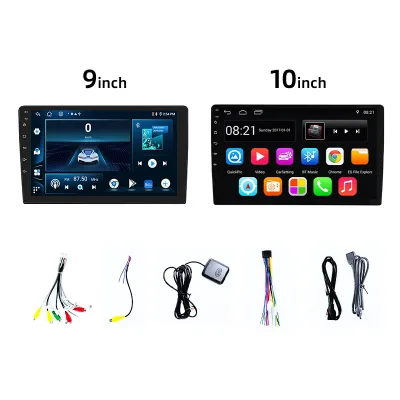
9inch Cars Audio System Android with Screen IPS GPS Navigation Car Radio
$65.00 - $72.00
MOQ: 1 Pieces


9/10 Inch Touch Screen Stereo Navigation Car Audio Player Android Car Radio
$55.00 - $65.00
MOQ: 1 Pieces


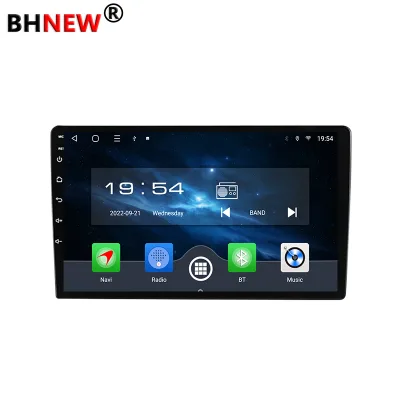
Universal 9" Android 13 Car Radio GPS Youtube Bluetooth Touch Screen Radio
$79.00 - $109.00
MOQ: 100 Pieces

9 Inch Android 13 Car Radio GPS Navigation Bluetooth Android Auto Carplay
$79.00 - $109.00
MOQ: 100 Pieces


Comprehensive Sourcing Guide
Android 13 Car Radio with Built-in GPS Navigation Sourcing Guide
Sourcing Android 13 car radios with integrated GPS navigation requires a disciplined approach to verifying hardware capabilities and software stability. The automotive infotainment market is saturated with devices that claim advanced features, yet many suffer from inconsistent performance or outdated operating systems. Buyers must distinguish between genuine Android 13 implementations and modified or legacy interfaces that merely display a similar user experience. This guide provides a structured framework for evaluating these units, ensuring that procurement decisions are based on verified technical specifications and reliable commercial terms rather than marketing assertions.
The following sections outline the critical steps for validating product scope, technical integrity, compliance status, and supplier reliability. By adhering to these evidence-based criteria, procurement teams can mitigate the risks associated with incompatible hardware, non-compliant certifications, and unstable software ecosystems. The focus remains on actionable verification steps that protect the buyer’s investment and ensure seamless integration into the final vehicle assembly or aftermarket distribution channels.
Product Scope and Observed Listing Signals
The current market landscape for Android-based car radios reveals a wide variance in hardware configurations and software versions. Observed listings indicate a price range of $5.5 to $157 USD, reflecting significant differences in component quality, screen resolution, and processing power. Buyers should note that lower price points often correlate with reduced RAM and ROM capacities, which can severely impact the performance of Android 13 applications. It is essential to correlate the listed price with the specific hardware specifications, such as the presence of dual-core versus quad-core processors, to avoid purchasing units that cannot handle modern navigation and multimedia tasks efficiently.
Screen size and placement are also critical variables in this product category. While many units are designed for dashboard placement, screen dimensions vary, with 9-inch displays being a common standard in observed listings. However, buyers must verify that the physical dimensions match their target vehicle’s DIN slots or custom dash kits. The combination of features, including Bluetooth, MP3/MP4 playback, GPS, and radio functionality, is standard, but the quality of each component can differ widely. Procurement teams should prioritize units that offer a balanced combination of these features rather than focusing solely on the presence of a single high-end capability.
Technical Specifications to Verify
The operating system version is a primary differentiator, with Android 13 offering improved security and performance over older versions. Buyers must verify that the device runs a genuine Android 13 interface, as some suppliers may list older versions or heavily modified skins that lack the full functionality of the standard OS. The CPU architecture is equally important; quad-core processors, such as the Mt8163 Cortex-A53, are commonly observed and provide adequate performance for navigation and media playback. However, higher-end models may feature octa-core processors with higher clock speeds, which are necessary for smoother multitasking and faster app loading times.
Memory and storage configurations directly influence the device’s ability to run multiple applications simultaneously. Observed specifications include RAM options of 2GB and 4GB, with ROM capacities ranging from 32GB to 64GB. For Android 13, a minimum of 2GB RAM and 32GB ROM is recommended to ensure stable operation, although 4GB/64GB configurations offer better longevity and performance. Additionally, connectivity features such as Bluetooth 5.0 or 5.1 and dual-band Wi-Fi (2.4GHz/5GHz) are essential for seamless smartphone integration and software updates. Buyers should also confirm support for GPS systems, including GPS, GLONASS, and BeiDou, to ensure accurate navigation in various geographic regions.
Compliance and Safety Documentation
Certification is a non-negotiable aspect of sourcing automotive electronics, as non-compliant devices may face regulatory hurdles in target markets. Common certifications observed in this category include CE, FCC, RoHS, and ISO standards. These certifications indicate that the product meets specific safety, electromagnetic compatibility, and environmental requirements. Buyers must request valid certification documents from suppliers and verify their authenticity through official databases where possible. The absence of these certifications can lead to customs delays, product recalls, or legal liabilities, particularly in regions with strict regulatory frameworks.
In addition to certifications, buyers should assess the product’s operational parameters to ensure reliability under varying environmental conditions. Operating temperature ranges, such as -10°C to 60°C, are critical for automotive applications where devices are exposed to extreme heat and cold. Voltage compatibility, typically 12V or 24V, must also be verified to ensure the unit can operate safely in both passenger vehicles and commercial trucks. Buyers should request test reports or technical datasheets that confirm these parameters, as relying on supplier claims without documentation can result in product failures in the field.
Cost Drivers and Commercial Terms
The cost of Android 13 car radios is influenced by several factors, including hardware specifications, certification status, and order volume. Minimum Order Quantities (MOQ) vary significantly, with some suppliers offering MOQs as low as 1 piece, while others require orders of 500 pieces or more. Buyers should align their MOQ requirements with their sales forecast and inventory management capabilities to avoid overstocking or stockouts. Understanding the cost structure helps in negotiating better terms and identifying suppliers who offer competitive pricing without compromising on quality.
Shipping and packaging methods also impact the total cost of procurement. Products are typically packed in cartons and shipped via sea, air, or express courier, depending on the urgency and volume of the order. Buyers should clarify shipping terms with suppliers to understand who bears the risk and cost during transit. Additionally, customization options, such as logo printing or custom packaging, may incur additional fees. Procurement teams should evaluate these variables to determine the true landed cost of the product and ensure that it aligns with their target margin and pricing strategy.
Supplier Qualification and Quality Control
Supplier qualification is a critical step in mitigating procurement risks. Buyers should conduct thorough due diligence on potential suppliers, including verifying their business licenses, production capabilities, and quality control processes. Suppliers with established track records in automotive electronics are more likely to deliver consistent quality and reliable after-sales support. It is advisable to request samples before placing bulk orders to evaluate the product’s build quality, software stability, and feature accuracy. This hands-on assessment can reveal potential issues that may not be apparent from product listings alone.
Quality control measures should be integrated into the procurement process to ensure that delivered products meet the specified standards. Buyers should establish clear acceptance criteria, including functional tests for GPS accuracy, Bluetooth connectivity, and audio output. Regular audits or third-party inspections can provide additional assurance of product quality and supplier compliance. By implementing robust quality control protocols, buyers can minimize the risk of receiving defective units and maintain customer satisfaction in the end market.
Long-Term Procurement Checks
Long-term success in sourcing Android 13 car radios depends on the ability to monitor product performance and supplier reliability over time. Buyers should establish feedback loops with end-users to identify any recurring issues or software bugs that may require updates or hardware revisions. Continuous monitoring of market trends and technological advancements is also essential to ensure that the procured products remain competitive. Suppliers who invest in R&D and offer regular software updates are more likely to provide products that meet evolving customer expectations.
Finally, buyers should maintain open communication with suppliers to address any issues promptly and negotiate favorable terms for future orders. Building strong relationships with reliable suppliers can lead to better pricing, priority production, and access to new product launches. By adopting a proactive approach to supplier management and product evaluation, procurement teams can secure a steady supply of high-quality Android 13 car radios that drive business growth and customer loyalty.
FAQs
What operating systems are available for these car radios?
These units support Android 11, Android 13, and Android 14 operating systems. Buyers can select specific models based on their preferred software version and required application compatibility for navigation and media playback.
Which certifications do these car radios hold?
The products hold CE, FCC, RoHS, and ISO certifications. These standards ensure the devices meet international safety and environmental requirements for electronic components used in automotive environments.
Can I customize the car radio for my needs?
Yes, customization is available for these units. Buyers can request specific configurations to match their vehicle requirements or branding needs without compromising the core functionality of the navigation and audio systems.
What is the minimum order quantity for these radios?
The minimum order quantity is one piece for most models. This low MOQ allows buyers to test the product quality before committing to larger bulk orders for their distribution channels.
How does the GPS navigation system function in these units?
The GPS navigation supports Baidou, GPS, and Gionass systems for accurate positioning. Combined with built-in WiFi and Bluetooth, the unit provides reliable route guidance and real-time traffic updates for drivers.
What screen size options are available for dashboard placement?
A 9-inch screen size is standard for dashboard placement in these models. This dimension offers optimal visibility for navigation maps and media content while fitting standard vehicle dashboard specifications.