Source Android HMI Magic Mirror with 700nits Brightness for Education, Training, and Advertising
Compare 30 listings for an Android HMI Magic Mirror with 700nits Brightness tailored for education, training systems, and advertising displays. These units feature capacitive touch, Android OS, and wall-mount options from verified suppliers in Shenzhen and Guangdong.
Key considerations
Products List


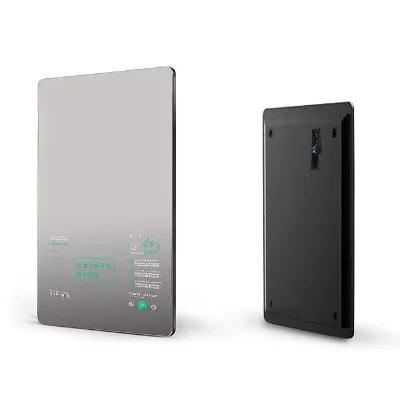
43 Inch Android Smart Fitness Mirror Interactive Android Smart Mirror Magic Mirror
$0.60 - $0.80
MOQ: 100 Pieces



Comprehensive Sourcing Guide
Strategic Sourcing Guide for Android HMI Magic Mirrors with High Brightness
Procuring an Android HMI (Human-Machine Interface) magic mirror with a specific brightness requirement of 700 nits demands a rigorous approach to technical verification and supplier evaluation. The term "magic mirror" in a B2B context often refers to smart mirrors or interactive displays that combine reflective surfaces with high-performance touch interfaces and operating systems. When the core requirement specifies 700 nits of brightness, the buyer is targeting a display capable of maintaining visibility in environments with significant ambient light, such as retail showrooms, corporate lobbies, or outdoor-facing kiosks. This guide outlines the critical factors for sourcing these units, focusing on the intersection of display technology, operating system compatibility, and physical durability.
Technical Specifications and Display Performance
The foundation of a successful procurement for this category lies in understanding the specific display metrics that define performance. A brightness level of 700 nits is a critical threshold that distinguishes these units from standard indoor consumer displays, which typically range between 250 and 400 nits. This high luminance ensures that the interface remains legible even when direct sunlight or strong artificial lighting strikes the glass surface. When evaluating potential suppliers, buyers must verify that the "700nit" specification is a measured peak brightness under standard test conditions, not a marketing exaggeration.
The underlying display technology for these units is predominantly LCD, as indicated by industry standards for this form factor. The resolution is a key determinant of the user experience; for a 700-nit unit, a resolution of 1920x1080 (Full HD) is the expected standard to ensure crisp text and clear graphics. The aspect ratio is typically 16:9, which aligns with standard video and UI layouts. The touch interface is equally critical. For an Android HMI, a capacitive touch screen is the industry norm, offering multi-touch capabilities. Specifically, 10-point capacitive touch is a robust specification that allows for complex gestures and simultaneous user interactions, which is essential for training systems or interactive advertising.
The operating system is another non-negotiable technical pillar. The core keyword specifies "Android," meaning the device must run a version of the Android OS capable of supporting HMI applications. This requires a minimum of 2GB of RAM and 32GB of storage to handle the operating system, pre-installed applications, and user data without performance degradation. The interface connectivity must support HDMI for external input and Bluetooth for peripheral integration. The panel brand is also a significant quality indicator; reputable units often utilize panels from manufacturers such as LG, BOE, CSOT, or Innolux, which are known for consistent color accuracy and longevity.
Compliance, Certification, and Safety Standards
In the B2B procurement of electronic displays, compliance with international safety and environmental standards is mandatory to mitigate liability and ensure market access. Buyers must verify that the supplier provides valid documentation for certifications such as CCC (China Compulsory Certification), CE (Conformité Européenne), ETL (Intertek), RoHS (Restriction of Hazardous Substances), and UL (Underwriters Laboratories). These certifications are not merely paperwork; they validate that the electrical components, power supplies, and materials used in the magic mirror meet specific safety thresholds.
The input voltage specification is a critical compliance point. Devices intended for global distribution must support a wide input voltage range, typically AC 110V to 240V, to accommodate different regional power grids. Failure to verify this can lead to hardware damage or safety hazards. Furthermore, the physical construction of the unit must adhere to environmental standards. If the application involves outdoor use or high-humidity environments, the unit should possess an appropriate IP rating, although specific IP ratings must be confirmed on a per-unit basis as they vary by manufacturer. The presence of a "Waterproof" feature in the product attributes suggests that some models are designed to withstand moisture, but buyers must request specific test data to confirm the degree of protection.
Cost Drivers and Pricing Variables
The price range for Android HMI magic mirrors with 700-nit brightness is highly variable, observed in the market from $0.60 to $2000 USD. This wide disparity is driven by several key factors. The primary cost driver is the display panel itself. A 700-nit panel from a top-tier brand like LG or BOE costs significantly more than a generic panel. The size of the display is the second major factor; while some units may be as small as 10 inches, others can reach up to 43 inches or larger, with the 40-50 inch range being common for high-end installations.
The complexity of the Android HMI software also influences cost. A basic display with a standard Android interface is less expensive than a unit with a customized HMI, pre-loaded with specific training modules or advertising software. The "Customization" attribute is a significant cost variable; units that require custom casing, specific mounting solutions, or tailored software development will command a higher price. Additionally, the packaging and shipping costs play a role. Units shipped in plywood casings or flight cases for heavy-duty transport incur higher logistics costs compared to standard carton packaging.
The Minimum Order Quantity (MOQ) is another financial consideration. The observed MOQ range spans from 1 to 500 units. Buyers purchasing a single unit for prototyping or a small pilot program will face a higher unit cost compared to those placing an order for 500 units, where economies of scale significantly reduce the per-unit price. Buyers should also consider the warranty terms; a standard 1-year warranty is common, but extended warranties or on-site support services can add to the total cost of ownership.
Typical Applications and Use Cases
The versatility of Android HMI magic mirrors with high brightness makes them suitable for a diverse range of applications. The "Education and Training System" is a primary use case, where the high brightness ensures visibility in well-lit classrooms or training centers, and the capacitive touch screen facilitates interactive learning. The 10-point touch capability allows multiple students to interact with the content simultaneously, enhancing collaborative learning environments.
In the commercial sector, these units serve as "Indoor Ad Players" and "Outdoor Ad Players." The 700-nit brightness is particularly valuable for outdoor applications or indoor spaces with large windows, where standard displays would be washed out. The "Stage Performance" and "Shopping Guide" applications also benefit from the high contrast and brightness, ensuring that promotional content is vibrant and eye-catching. The "Network Version Ad Player" capability allows for centralized content management, enabling businesses to update advertising materials remotely across multiple locations.
The mounting options are equally diverse, supporting both "Floor Upstanding" and "Wall Mount" configurations. This flexibility allows the units to be integrated into various architectural designs, from standalone kiosks in retail stores to wall-mounted displays in corporate lobbies. The "Remote Control" feature adds to the utility, allowing operators to manage the device without physical interaction, which is useful for high-traffic areas where frequent touching might degrade the screen or pose a security risk.
Supplier Evaluation and Quality Control
Evaluating suppliers for this specific product category requires a deep dive into their manufacturing capabilities and quality assurance processes. Buyers should prioritize suppliers located in established electronics manufacturing hubs, such as Shenzhen or Guangdong, China, where the supply chain for LCD panels and Android components is robust. The "prod_origin" field in product data often points to these regions, indicating a concentration of expertise.
Quality control should focus on the consistency of the display panel. Buyers must verify that the supplier uses panels from reputable brands like LG, BOE, CSOT, or Innolux, as these manufacturers have strict quality control standards. The "Pixel Pitch" and "Pixel Density" are critical metrics for display clarity; while specific values may vary, buyers should ensure the pixel density is sufficient to prevent visible pixelation at the intended viewing distance. The "Scanning Mode" and "Viewing Angle" (typically 178/178 degrees) are also important for ensuring that the image quality remains consistent from different perspectives.
The "Warrantly" period is a key indicator of supplier confidence. A standard 1-year warranty is common, but buyers should inquire about the terms of the warranty, including what is covered (e.g., backlight failure, touch screen defects) and the process for claims. The "prod_packing" method is also a quality indicator; units packed in plywood casings or flight cases are better protected during transit, reducing the risk of damage. Buyers should request photos of the packing process and verify that the packaging includes adequate shock absorption materials.
Long-Term Procurement Considerations
Sourcing high-brightness Android HMI magic mirrors is not just a one-time transaction but a long-term partnership that requires careful planning. The "Customization" aspect means that the supplier must be capable of supporting ongoing software updates and hardware modifications. Buyers should assess the supplier's ability to provide firmware updates and technical support over the lifespan of the product. The "Operating System" version is also a consideration; buyers should ensure that the supplier can support the latest Android versions to maintain security and compatibility with modern applications.
The "Storage Capacity" and "Memory" specifications are critical for long-term performance. As applications become more complex and data storage needs increase, the 2GB RAM and 32GB storage baseline may become insufficient. Buyers should consider the scalability of the system and whether the supplier offers options for upgrading these components. The "Connectivity" options, such as Bluetooth and HDMI, should be future-proofed to accommodate new peripherals and integration requirements.
Finally, the "Installation" method must be considered in the context of long-term maintenance. Units that are wall-mounted or floor-standing require secure installation to prevent accidents and ensure longevity. Buyers should verify that the supplier provides detailed installation manuals and support for the mounting process. The "Input Voltage" stability is also a long-term consideration; units with wide voltage ranges are less susceptible to power fluctuations, which can extend the lifespan of the device. By focusing on these long-term factors, buyers can ensure a reliable and cost-effective procurement strategy for their Android HMI magic mirror needs.
Comparative Analysis of Key Attributes
To assist in the decision-making process, the following table summarizes the key attributes observed in the market for Android HMI magic mirrors with high brightness. This comparison highlights the variability in specifications and helps buyers identify the features that align with their specific requirements.
| Attribute | Typical Range/Observed Value | Critical Verification Point |
|---|---|---|
| Brightness | 700 nits | Verify peak brightness under ambient light conditions |
| Resolution | 1920x1080 | Ensure Full HD for clear text and graphics |
| Touch Type | Capacitive (10 Points) | Confirm multi-touch responsiveness and durability |
| Operating System | Android | Check version compatibility and update support |
| Panel Brand | LG, BOE, CSOT, Innolux | Verify panel origin and quality consistency |
| Mounting | Wall, Floor Upstanding | Confirm structural integrity and installation ease |
| Certification | CCC, CE, ETL, RoHS, UL | Validate current and region-specific compliance |
| Warranty | 1 Year | Review terms for coverage and claim process |
| Memory/Storage | 2GB RAM / 32GB Storage | Assess sufficiency for intended applications |
| Input Voltage | AC 110V-240V | Ensure compatibility with local power grids |
This table serves as a checklist for buyers to ensure that all critical specifications are met before finalizing a procurement decision. By systematically evaluating these attributes, buyers can minimize risk and secure high-quality Android HMI magic mirrors that meet their operational needs.
FAQs
What display technology is used in these units?
These units primarily use LCD display technology to ensure high brightness and clarity. The screen size typically ranges from 10 to 43 inches with a 16:9 aspect ratio and Full HD resolution of 1920x1080.
Which touch screen type supports multi-user interaction?
The devices feature a capacitive touch screen that supports 10-point multi-touch interaction. This allows multiple users to interact simultaneously, which is ideal for education and training systems.
Can these mirrors operate in high ambient light conditions?
Yes, the units are designed with a brightness of 700 nits to remain visible in bright environments. This high luminance ensures clear display performance even in direct sunlight or well-lit indoor spaces.
What operating system powers the interactive interface?
The devices run on the Android operating system to support various HMI applications. They typically come with 2GB of memory and 32GB of storage capacity for smooth performance and data handling.
Which certifications ensure safety and compliance for buyers?
Products often carry CCC, CE, ETL, RoHS, and UL certifications to meet international safety standards. These documents verify that the electrical components and materials adhere to strict regulatory requirements.
How are these units installed in different environments?
Installation options include floor upstanding, wall mounting, or ceiling configurations depending on the model. This flexibility allows integration into retail stores, corporate lobbies, or outdoor advertising kiosks.
What warranty coverage is typically provided for these displays?
A standard one-year warranty is commonly provided to cover manufacturing defects and component failures. Buyers should verify specific terms regarding backlight life and touch screen durability before purchase.