Source Android ECU Code Reader for Fleet Diagnostics
Find and compare 30 Android ECU Code Reader options for automotive diagnostics. These handheld devices support network scanning, USB interfaces, and Android OS for efficient vehicle data identification and management; compare the available evidence and request quotations based on your requirements.
Key considerations
Products List


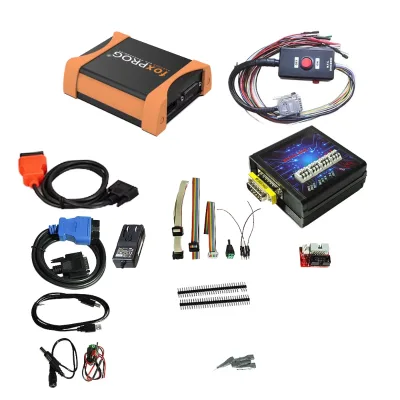
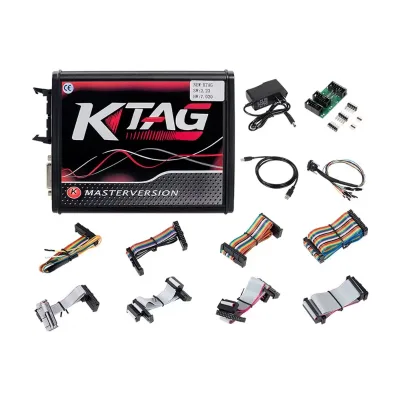
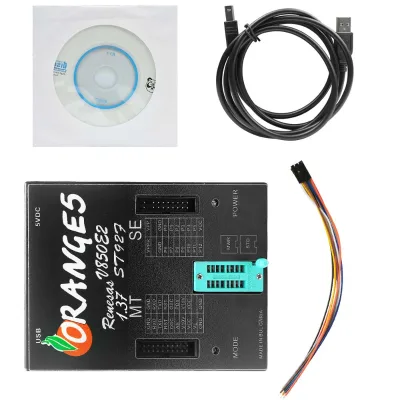
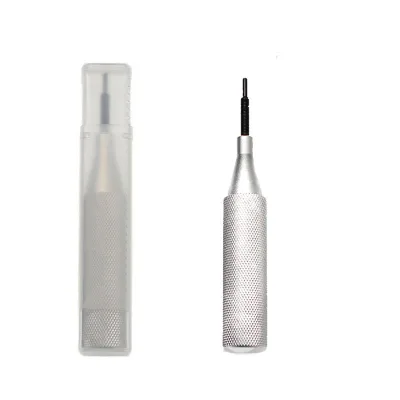
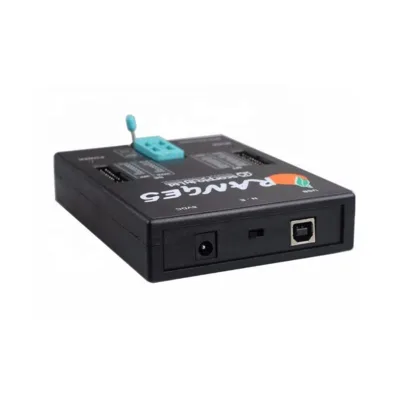
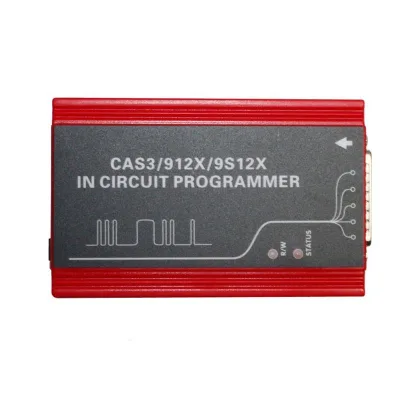
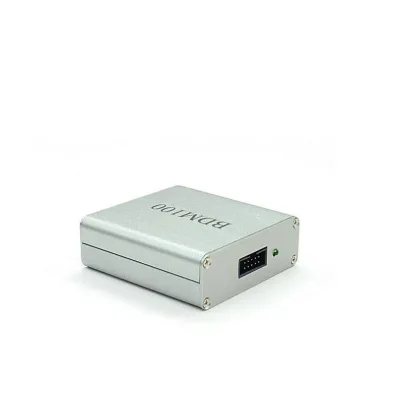
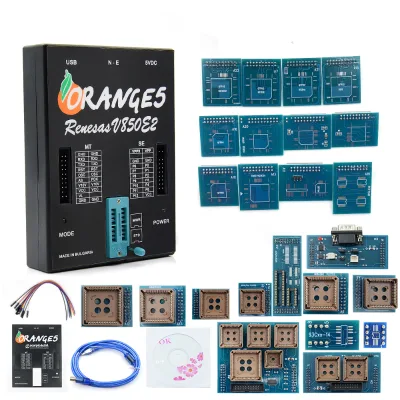


![[Full Version] KT200 ECU Programmer & Code Reader with OBD BOOT BDM JTAG Support DTC Removal 12V/24V Universal Fit](https://file.focusaim.com/api/image/preview/b5e9ca088eaecff0f2b7b9c510b32d80.png?bi=true&local=true)
Comprehensive Sourcing Guide
Android ECU Code Reader Sourcing Guide
The market for Android-based ECU code readers presents a distinct category of handheld computing devices that integrate barcode scanning and RFID capabilities alongside automotive diagnostic functions. While the supplied product data highlights specific models like the T80s and N40 featuring Android operating systems and high-capacity batteries, buyers must distinguish between general handheld PDAs and specialized automotive diagnostic tools. The observed listings indicate a wide price variance, suggesting that not all devices with Android OS are equipped with the specific ECU communication protocols required for vehicle diagnostics. Procurement teams should verify that the device's software stack includes the necessary J2534 or OEM-specific interfaces before assuming compatibility with modern vehicle control units.
Buyers should prioritize devices that explicitly support the required communication protocols for their target vehicle fleet, rather than relying solely on the presence of an Android operating system. The observed specifications mention features like 5000mAh batteries and 200 scans per second, which are valuable for field technicians but do not guarantee ECU connectivity. It is critical to confirm that the device supports the specific frequency bands and data transmission modes required for automotive diagnostics, as general-purpose PDAs may lack the specialized drivers needed for deep vehicle system analysis. This distinction ensures that the procurement investment directly supports the intended technical application without requiring additional, costly software licensing or hardware adapters.
Product Scope and Observed Listing Signals
The observed product listings reveal a diverse range of handheld devices, including models like the Blovedream N40 and H001, which feature Android OS and various connectivity options such as Wi-Fi and Bluetooth 5.0. These devices often come with built-in barcode scanners supporting 1D and 2D formats, which can be advantageous for inventory management within automotive workshops. However, the presence of RFID card slots and GPS support indicates a broader scope that may extend beyond simple ECU reading to include asset tracking and payment functions. Buyers must carefully filter these listings to identify units specifically configured for automotive diagnostics, as the general PDA market often bundles features that are irrelevant to vehicle repair tasks.
Price signals in the observed range of 4.06 to 668.87 USD suggest a significant disparity in feature sets and build quality, necessitating a rigorous review of product descriptions. Lower-priced units may offer basic scanning capabilities but lack the robust processing power or specific diagnostic software required for complex ECU coding. Conversely, higher-priced models might include advanced features like rear cameras and larger memory capacities, which could be beneficial for data logging and documentation. Procurement teams should align their budget with the specific diagnostic depth required, ensuring that the selected device offers the necessary interface types, such as USB, to connect securely with vehicle ports without data corruption.
Technical Specifications to Verify
When evaluating technical specifications, the battery capacity and processing environment are paramount for ensuring uninterrupted diagnostic sessions in the field. The observed data highlights a 5000mAh battery option, which provides extended operational time compared to standard mobile devices, a critical factor for technicians working on multiple vehicles without immediate access to charging stations. Additionally, the support for multiple GNSS systems, including GPS, Galileo, and Beidou, ensures reliable location tracking for fleet management applications. Buyers must verify that the device's memory capacity meets the minimum requirements for running diagnostic software, as insufficient RAM can lead to system crashes during complex coding procedures.
Connectivity and interface standards are equally critical for ensuring seamless data exchange between the handheld device and the vehicle's electronic control units. The observed listings confirm support for USB interfaces and Bluetooth 5.0, which are essential for establishing stable communication links. However, buyers must confirm that the device supports the specific data transmission modes required by the vehicle manufacturer, as some systems may require parallel data transmission or specific protocol adherence. It is also vital to verify the operating system version, as older Android versions may lack compatibility with the latest diagnostic applications and security patches required for modern vehicle networks.
Compliance and Safety Documentation
Ensuring that the selected Android ECU Code Reader complies with international safety and electromagnetic compatibility standards is essential for professional use in automotive environments. While the supplied facts mention materials like ABS and specific dimensions, they do not explicitly list certifications such as CE, FCC, or RoHS. Buyers must request proof of compliance from suppliers to ensure the device does not emit harmful interference that could disrupt vehicle electronics or pose a safety risk to operators. This verification is particularly important for devices intended for use in regulated markets where non-compliant equipment can lead to legal liabilities and product recalls.
Data security and privacy compliance are also critical considerations when using Android-based devices for vehicle diagnostics, as these tools often access sensitive vehicle data. Buyers should verify that the device supports secure data transmission methods and that the operating system is capable of running encrypted diagnostic applications. The observed mention of encryption functions in some RFID models suggests that security features may be available, but they must be explicitly confirmed for the specific ECU reading application. Ensuring that the device adheres to relevant data protection regulations helps protect both the vehicle owner's information and the service provider's reputation.
Cost Drivers and Commercial Terms
The cost of Android ECU code readers is influenced by a combination of hardware specifications, software licensing, and the level of customization required. The observed price range indicates that factors such as battery capacity, camera resolution, and memory size significantly impact the final cost. Buyers should consider the total cost of ownership, including the need for software updates and potential licensing fees for diagnostic applications, rather than focusing solely on the initial purchase price. Understanding these cost drivers allows procurement teams to negotiate effectively and select devices that offer the best value for their specific operational needs.
Commercial terms such as minimum order quantities (MOQ) and lead times play a crucial role in the procurement process, especially for large-scale deployments. The observed MOQ range of 1 to 50 units suggests flexibility for both small workshops and large fleets, but buyers should confirm these terms with suppliers to avoid unexpected delays. Additionally, packaging standards, such as the use of cartons with bubble wrap, can affect shipping costs and product safety during transit. Buyers should negotiate clear terms regarding warranty, return policies, and after-sales support to mitigate risks associated with hardware failures or software incompatibilities.
Supplier Qualification and Quality Control
Selecting a qualified supplier is essential for ensuring the reliability and performance of Android ECU code readers in demanding automotive environments. Buyers should verify the supplier's origin, as the observed data indicates production in China, specifically Guangdong, which is a major hub for electronics manufacturing. It is crucial to assess the supplier's track record in producing devices with the specific features required, such as the T80s or N40 models, and to request samples for rigorous testing. This due diligence helps identify suppliers who can consistently deliver high-quality products that meet the technical and operational requirements of the buyer.
Quality control processes must be robust to ensure that each device meets the specified standards for performance and durability. Buyers should inquire about the supplier's testing protocols, including checks for battery life, connectivity stability, and software functionality. The observed mention of specific dimensions and weights suggests that physical specifications are well-defined, but buyers must ensure that these standards are consistently met across all units in a batch. Implementing a quality assurance plan that includes random sampling and performance testing can help prevent defects and ensure that the deployed devices perform reliably in the field.
Long-Term Procurement Checks
Establishing long-term procurement checks is vital for maintaining the operational efficiency and reliability of Android ECU code readers over time. Buyers should implement a schedule for regular software updates and firmware maintenance to ensure compatibility with evolving vehicle systems and diagnostic standards. The observed support for multiple operating systems and languages indicates that the devices are designed for versatility, but this flexibility requires ongoing management to prevent obsolescence. Proactive maintenance planning helps extend the lifespan of the devices and ensures that they remain effective tools for automotive diagnostics.
Supplier relationship management is another critical aspect of long-term procurement, as it ensures a steady supply of replacement parts and technical support. Buyers should establish clear communication channels with suppliers to address any issues that arise during the device's lifecycle, such as battery degradation or connectivity problems. The observed data suggests that suppliers offer various configurations, but buyers must ensure that these options remain available for future procurement needs. Building a strong partnership with a reliable supplier can provide access to exclusive updates and support services that enhance the overall value of the procurement investment.
FAQs
Can the Android ECU Code Reader support network scanning?
Yes, the device supports network scanning capabilities. This feature allows for efficient data transmission and connectivity within a local network environment. It ensures that diagnostic information can be shared seamlessly across connected systems, enhancing workflow efficiency for technicians who require real-time data access during vehicle maintenance procedures.
What is the scan speed of the handheld scanner?
The handheld scanner operates at a speed of 200 scans per second. This high-speed performance ensures rapid data capture during inventory checks or diagnostic tasks. The quick scanning rate minimizes downtime and improves overall productivity, making it suitable for high-volume environments where speed and accuracy are critical for daily operations.
Which interface type does the android device use?
The device utilizes a USB interface type for connectivity. This standard interface allows for straightforward connection to computers or charging ports. It ensures reliable data transfer and power supply, facilitating easy integration into existing workflows without requiring complex setup procedures or additional adapters for standard computer connections.
How much battery capacity does the handheld computer have?
The handheld computer is equipped with a 5000mAh battery. This substantial capacity supports extended usage periods without frequent recharging. It ensures that technicians can perform multiple diagnostic sessions or inventory scans throughout the day, providing reliable power for continuous operation in demanding field environments without interruption.
What is the weight of the Blovedream N40 model?
The Blovedream N40 model weighs less than 500 grams. This lightweight design enhances portability and reduces user fatigue during prolonged use. The ergonomic form factor allows for comfortable handling in various positions, making it ideal for technicians who need to move frequently between different vehicles or workstations during their shifts.
Can the device support Bluetooth 5.0 connectivity?
Yes, the device supports Bluetooth 5.0 along with BLE. This advanced connectivity option enables wireless communication with other devices and peripherals. It allows for seamless data exchange and remote control capabilities, enhancing the device's versatility and ensuring compatibility with modern wireless accessories and diagnostic tools in professional environments.