Find Angle Type Manual Control Valve for Water Gas and Air
Source 30 verified listings for the Angle Type Manual Control Valve suitable for water, gas, and air systems. Buyers can compare specifications, certifications, and pricing from multiple suppliers to find the right fit for industrial applications.
Key considerations
Products List


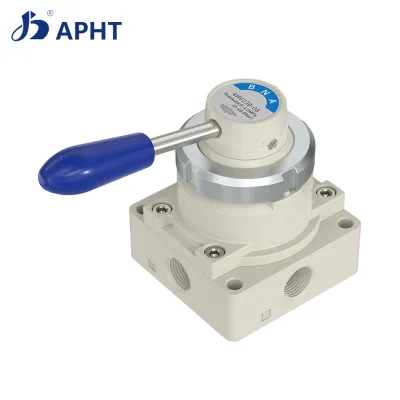


Hydraulic Manual Valve Manual Valve Multi-way Directional Valve Control Crane
$330.00 - $350.00
MOQ: 1 Pieces


Comprehensive Sourcing Guide
Angle Type Manual Control Valve Sourcing Guide
The Angle Type Manual Control Valve serves as a critical component in fluid management systems where directional changes and flow regulation must occur within a compact footprint. These valves are specifically engineered to handle media such as water and gas, offering a robust solution for applications requiring precise manual intervention without the complexity of automated systems. The design typically features a 90-degree flow path, which minimizes pressure drop while allowing for efficient installation in tight piping configurations. Buyers should recognize that the manual operation mechanism, often described as non-automatic or utilizing manual power, places the responsibility of flow control directly in the hands of the operator, necessitating clear access and ergonomic design considerations during the procurement phase.
When sourcing these components, the market presents a diverse array of configurations ranging from standard models to those with specific customization options. The observed product landscape includes variations in material composition, such as aluminum and specialized grades, alongside distinct color options like creamy-white, gray, or black finishes. While some listings indicate a life span of 8 to 10 years, this duration is contingent upon operating conditions and media compatibility. Procurement teams must navigate a wide price range and minimum order quantity (MOQ) spectrum, ensuring that the selected unit aligns with both the immediate operational needs and the long-term maintenance strategy of the facility.
Product Scope and Observed Listing Signals
The product scope for angle type manual control valves encompasses a variety of operational types, including self-operated and pilot-controlled mechanisms that can be actuated by solenoid or hydraulic means. Listings frequently highlight specific connection modes such as flange, thread, or groove, which dictate the compatibility with existing piping infrastructure. The media handling capabilities are a primary differentiator, with some units explicitly rated for water while others are designed for gas applications. Buyers must carefully cross-reference the stated media compatibility with their specific process requirements to prevent material degradation or seal failure, as the valve's internal geometry and sealing materials are tailored to the fluid properties.
Observation of current market listings reveals significant variability in packaging and physical specifications, which impacts logistics and storage planning. Products are commonly supplied in cardboard boxes, cartons, or plywood cases, with dimensions ranging from small 15x15x10cm units to larger assemblies. The observed models include specific designations like XC-10, 4H310-10, and size ranges such as 1-1/2" to 2", indicating that a single SKU may not cover all project needs. Furthermore, the presence of customization options suggests that while standard models are available, many suppliers offer tailored solutions for unique flow rates or pressure requirements, requiring buyers to clearly define their technical constraints before initiating the order.
Technical Specifications to Verify
Verifying the technical specifications of an Angle Type Manual Control Valve requires a deep dive into the operating parameters and material integrity. The operating temperature is a critical factor, with many units rated for ordinary or normal temperature ranges, which may not suffice for extreme industrial environments. Buyers must confirm the specific power source, whether manual, pneumatic, or hydraulic, as this dictates the actuation method and the necessary infrastructure support. Additionally, the valve's type, whether it functions as a control, backwash, or drain unit, must align with the intended system function to ensure effective fluid management and system stability.
Material composition and standard compliance are equally vital for ensuring long-term reliability and safety. The supply chain data indicates the use of materials such as aluminum and specific grades like PP or PPS, which offer varying degrees of corrosion resistance and chemical compatibility. The standard designation, often listed as "custom" or adhering to specific dimensional standards like 2"-8", must be validated against the project's engineering drawings. Furthermore, the weight of the unit, observed at approximately 0.5 kg for certain models, influences the structural support requirements of the installation site, and the color coding, such as black or creamy-white, often serves as a visual indicator for maintenance teams to identify specific valve functions quickly.
Compliance and Safety Documentation
Compliance and safety documentation form the backbone of a secure procurement process, ensuring that the selected valves meet international and regional regulatory standards. The most frequently observed certifications in the market include CE and RoHS, which indicate adherence to health, safety, and environmental protection standards within the European Union and beyond. These certifications are not merely marketing labels but represent a verified commitment to manufacturing processes that minimize hazardous substances and ensure electrical and mechanical safety. Buyers should request current certification documents for each batch to verify that the products have not been subject to design changes that might void their compliance status.
Beyond general certifications, specific safety documentation related to the valve's operation and installation is essential for risk mitigation. The presence of video outgoing inspection services suggests that suppliers are willing to provide visual evidence of the manufacturing and testing process, offering an additional layer of transparency. However, buyers must also verify the warranty terms, which are commonly listed as one year, to understand the scope of liability for premature failures. It is crucial to ensure that the documentation explicitly covers the specific operating conditions, such as the working temperature and pressure, to confirm that the valve's safety margins are sufficient for the intended application.
Cost Drivers and Commercial Terms
The cost of angle type manual control valves is influenced by a complex interplay of material costs, customization levels, and production complexity. The use of specialized materials like aluminum or specific polymer grades, combined with the requirement for anti-corrosion features, drives the base price upward. Customization options, which are widely available in the market, introduce additional variables that can significantly alter the final cost, as bespoke designs require unique tooling and extended production cycles. Buyers should anticipate that non-customized, standard models will generally offer the most competitive pricing, while tailored solutions will incur a premium for the engineering and manufacturing effort involved.
Commercial terms, including minimum order quantities (MOQ) and lead times, play a pivotal role in the total cost of ownership and project scheduling. The observed MOQ range spans from 1 to 1000 units, providing flexibility for small-scale projects but potentially increasing the per-unit cost for bulk orders if the supplier's pricing structure is not tiered effectively. Packaging requirements, such as the use of plywood cases for larger units or cartons for smaller ones, also contribute to the overall logistics cost. Buyers must negotiate clear terms regarding payment schedules, shipping responsibilities, and the handling of defective units to avoid unexpected financial burdens that could arise from supply chain disruptions or quality issues.
Supplier Qualification and Quality Control
Supplier qualification is a critical step in the sourcing process, particularly when dealing with components that must operate reliably under specific pressure and temperature conditions. The origin of the products, often traced to regions like Shijiazhuang, Hebei, or Zhejiang, China, provides context for the manufacturing ecosystem but does not guarantee quality on its own. Buyers should prioritize suppliers who demonstrate a commitment to quality control through processes like video outgoing inspections and who offer clear warranty terms. The availability of customization and processing services indicates a level of technical capability, but this must be backed by a robust quality management system to ensure consistency across batches.
Quality control measures should extend beyond the final inspection to include material verification and process auditing. The observation of specific product grades and standards suggests that suppliers have defined criteria for their materials, but buyers must verify that these criteria are consistently met. The presence of certifications like CE and RoHS is a positive indicator, but it should be complemented by on-site audits or third-party testing reports to validate the supplier's claims. Additionally, the supplier's ability to provide detailed technical documentation and support for troubleshooting is a key differentiator, ensuring that any issues encountered during installation or operation can be resolved promptly and effectively.
Long-Term Procurement Checks
Long-term procurement checks are essential for maintaining the reliability and efficiency of the fluid management system over its entire lifecycle. The observed life span of 8 to 10 years for these valves sets a benchmark for performance, but this duration is contingent upon regular maintenance and adherence to operating limits. Buyers should establish a schedule for periodic inspections to check for signs of wear, corrosion, or leakage, particularly in high-stress areas such as the connection points and seals. Proactive maintenance can extend the useful life of the valves and prevent costly downtime associated with unexpected failures.
Sustainability and supply chain resilience are also key considerations for long-term procurement strategies. The availability of customization and the diversity of material options suggest that suppliers can adapt to changing requirements, but buyers must ensure that the supply chain remains stable and that spare parts are readily available. The marketing type, often listed as "ordinary product," indicates that these valves are standard components, which should facilitate the availability of replacements. However, buyers should verify that the supplier maintains a consistent inventory of critical spare parts and that the manufacturing process remains compliant with evolving environmental and safety standards to ensure a secure and sustainable supply chain.
FAQs
What materials are used for angle type manual control valves?
These valves are commonly manufactured from aluminum to ensure durability and resistance to corrosion. The product grade is classified as high quality, suitable for handling various media including gas and water. The creamy-white or gray finish provides additional protection against environmental factors while maintaining structural integrity under normal operating temperatures.
Can angle type manual control valves be customized for specific needs?
Yes, customization is available for these valves to meet specific operational requirements. Buyers can request custom standards and specific model configurations such as XC-10 or 4H310-10. The processing and customization options allow for tailored solutions, ensuring the valve fits precisely into existing piping systems or specialized industrial applications without compromising performance.
What certifications do these manual control valves hold?
These valves typically hold CE and RoHS certifications, ensuring compliance with international safety and environmental standards. Some listings also reference ISO standards for quality management. These certifications verify that the manufacturing processes and materials meet rigorous regulatory requirements, providing buyers with confidence in the product's reliability and safety for global deployment.
How are angle type manual control valves packaged for shipping?
Packaging options include individual boxes, cartons, and plywood cases to ensure safe transit. Standard packing dimensions are often around 15x15x10cm for smaller units, while larger valves may require plywood cases. Palletized cardboard box packaging is also available for bulk orders, protecting the valves from damage during international logistics and handling.
What is the expected lifespan of these control valves?
The expected lifespan of these angle type manual control valves is approximately 8 to 10 years under normal operating conditions. This durability is supported by anti-corrosion features and high-grade materials like aluminum. Proper maintenance and adherence to specified temperature and pressure limits can help achieve this long service life in industrial applications.
Where are these manual control valves manufactured?
These valves are primarily manufactured in China, with specific origins noted in Shijiazhuang, Hebei, and Zhejiang provinces. This regional concentration allows for efficient supply chain management and competitive pricing. Buyers can expect consistent quality and availability from these established manufacturing hubs, which specialize in producing a wide range of industrial valve components.