Source N2O Cream Whipper for Cake Coffee and Milk Tea
Find and compare 21 N2O Cream Whipper options including cream chargers and cake cream maker machines. Buyers can review specifications like capacity, purity, and packaging to select the right equipment for cake, coffee, and milk tea applications.
Key considerations
Products List


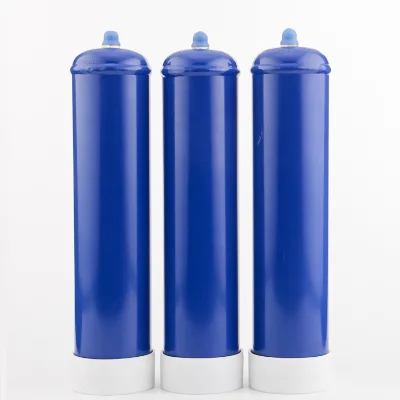
0.95L/3.3L N2o Gas Dessert Tools Whipped 2000g Cream Whipper Chargers Cylinder
$12.50 - $13.50
MOQ: 3200 Pieces


Comprehensive Sourcing Guide
Strategic Sourcing Guide for N2O Cream Whipper Systems
The global demand for high-efficiency dessert preparation equipment has elevated the importance of Nitrous Oxide (N2O) cream whipper systems in commercial kitchens and industrial manufacturing lines. For procurement professionals, navigating the market for these specialized tools requires a rigorous understanding of technical specifications, regulatory compliance, and supply chain logistics. The core keyword "N2O Cream Whipper" encompasses a spectrum of products ranging from handheld dessert tools to large-scale automated cake cream makers. This guide provides a structured approach to sourcing these assets, ensuring that buyers align their operational needs with verified product attributes and industry standards.
Technical Specifications and System Architecture
When evaluating N2O Cream Whipper systems, the primary distinction lies between portable dessert tools and industrial-grade machinery. The market presents products with varying capacities and power requirements. For instance, specific models in the current supply landscape are identified by model numbers such as HP-30, which denotes a Cake Cream Maker Machine. These industrial units often feature substantial dimensions, with standard product specifications listing sizes around 1250mm * 1750mm * 1650mm. In contrast, smaller units or specific component packaging may adhere to compact dimensions like 39.4 * 13.2 * 13.2 cm, reflecting the diversity in the product line.
Power consumption is a critical technical parameter for industrial buyers. Automated systems, such as those described with an Automatic Grade, frequently operate on a 380V voltage supply and consume approximately 4.5kw of power. This high-power requirement necessitates a robust electrical infrastructure in the target facility. Furthermore, the physical capacity of these machines varies significantly. Some industrial units are rated for a capacity of 80-100kg, while others are designed for high-volume throughput, capable of processing 100-200 plates per hour. The material composition is equally vital; high-durability units are often constructed from Carbon Steel to withstand the mechanical stress of continuous whipping operations.
The following table outlines the observed technical variance between different product categories found in the market:
| Feature | Industrial Cake Cream Maker | Portable/Component Unit |
|---|---|---|
| Model Reference | HP-30 | N2o Cream Charger |
| Dimensions | 1250mm * 1750mm * 1650mm | 39.4 * 13.2 * 13.2 cm |
| Power Source | Electric (380V, 4.5kw) | Electric |
| Capacity | 100-200 plates/H | 80-100kg |
| Weight | 400kg | Varies by packaging |
| Material | Carbon Steel | Carbon Steel |
| Packing | Wooden Crate/Case | 1 PCS / 1 Box |
Buyers must verify these specifications against their facility's power grid and floor space. The presence of "Automatic Grade" attributes suggests a high level of automation, reducing manual labor but increasing the complexity of maintenance and integration.
Compliance, Certification, and Gas Purity Standards
Safety and regulatory compliance are non-negotiable when sourcing N2O systems, particularly given the dual use of Nitrous Oxide in culinary and industrial applications. The supplied data indicates that products often carry CE certification, a mandatory conformity mark for products sold within the European Economic Area. However, buyers must verify that the specific unit they are procuring holds valid, up-to-date certification documents, as standards can vary by region and manufacturer.
The purity of the Nitrous Oxide gas is another critical compliance factor. In the context of food and beverage applications, the gas must meet strict purity thresholds to ensure product safety and quality. Observed product attributes list purity levels ranging from 99.9% to 99.999%. For applications involving direct food contact, such as whipping cream for cakes, coffee, or milk tea, the higher end of this spectrum (99.99%) is generally preferred to prevent contamination. The application scope extends beyond food to medical, industrial, and electronic high-purity gas uses, meaning the same equipment might be certified for multiple sectors.
Buyers should explicitly request test results or certificates of analysis (CoA) that confirm the gas purity matches the claimed 99.9%-99.999% range. Additionally, the product origin, often listed as Jiangxi, China or generally China, should be cross-referenced with local import regulations regarding gas cylinders and pressure vessels. The transportation method, typically by sea, requires adherence to international shipping regulations for hazardous or compressed gases.
Cost Drivers and Pricing Dynamics
The pricing structure for N2O Cream Whipper systems is highly variable, influenced by the scale of the equipment and the complexity of the manufacturing process. The observed market price range spans from $0.15 to $9,000 USD. This wide disparity reflects the difference between individual components, such as a single cream charger, and complete industrial machinery units. A unit priced at the lower end of this spectrum likely represents a consumable item or a small-scale tool, whereas the upper end corresponds to the heavy-duty Cake Cream Maker Machine with its associated automation and capacity.
Minimum Order Quantity (MOQ) is a significant cost driver in this sector. The data indicates an MOQ range from 1 unit up to 28,800 units. For industrial buyers, the MOQ for large machinery is often set at "1 Set," allowing for single-unit procurement of high-value assets. However, for consumable gas chargers or smaller components, the MOQ may be substantial, with some listings specifying a requirement for a 1*20FT Container. This container-level requirement can significantly impact the total landed cost for smaller buyers who cannot aggregate demand.
Other cost factors include customization options. The market supports OEM services and custom branding, which can increase the unit price. Customization is available for flavor profiles and specific product models, such as the 3.3L/2046G specification. Buyers should anticipate that requesting custom packaging, such as Plastic Film Plus Wooden Pallet Packaging versus standard Wooden Crate, will influence the final quote. Transportation costs, primarily by sea, must also be factored into the total cost of ownership, especially for heavy units weighing up to 400kg.
Typical Applications and Operational Versatility
The versatility of N2O Cream Whipper systems makes them suitable for a broad array of culinary and industrial applications. The primary use case is the preparation of whipped cream for desserts, specifically for cakes, coffee, and milk tea. The product attributes explicitly list applications for Pound Cake, Chiffon Cake, and Sponge Cake, indicating that these machines are integral to bakery operations. The "Byword" for these products often includes "N2o Cream Charger" or "Whipped Cream Charger," highlighting their specific function in creating aerated textures.
Beyond standard bakery applications, the technology is adapted for high-volume commercial settings. The capacity to process 100-200 plates per hour suggests suitability for large catering events, hotel kitchens, or mass-production food facilities. The "Dessert Tools Type" classification as "Cream Whippers" confirms their role in the final stage of dessert preparation. Furthermore, the application extends to medical, industrial, and electronic sectors, where high-purity Nitrous Oxide is required for processes other than food whipping.
Buyers should assess whether their specific operational needs align with the "Cake Tools" or "Dessert Tools Making Cream" classification. For facilities requiring multi-purpose equipment, the ability to handle various food and beverage types is a key advantage. The "Usage" attribute confirms that these systems are designed for whipper applications, ensuring that the mechanical action is optimized for gas infusion and texture creation.
Supplier Evaluation and Customization Capabilities
Selecting a reliable supplier requires a thorough evaluation of their customization capabilities and service offerings. The market data indicates that OEM (Original Equipment Manufacturer) services are accepted, and customization is available for various product attributes. This includes the ability to customize the flavor profile, although the specific flavor is often listed as "Accept Customization" or "Customized." This flexibility allows buyers to tailor the product to their brand identity or specific product lines.
When evaluating suppliers, buyers should verify the "Automatic Grade" of the machinery. An "Automatic" grade implies a higher level of integration and reduced manual intervention, which is crucial for maintaining consistency in large-scale production. The "Customized" attribute suggests that suppliers are willing to modify standard models to meet specific client requirements. However, buyers must ensure that any customization does not compromise the structural integrity or safety certifications of the unit.
The packaging method is another indicator of supplier professionalism. Options range from "1 Pieces/1 Box" for smaller items to "Wooden Crate" or "Wooden Case" for heavy machinery. The use of "Plastic Film Plus Wooden Pallet Packaging" for larger shipments indicates a commitment to protecting the product during long-distance sea transportation. Buyers should also check the "Brand" information; while "Ultra Whip" is a noted brand in the supply data, buyers should remain open to other reputable manufacturers that offer similar specifications and certifications.
Quality Control and Long-Term Procurement Considerations
Implementing a robust quality control (QC) protocol is essential for N2O Cream Whipper systems. Given the high pressures involved in gas whipping, the structural integrity of the Carbon Steel components must be verified. Buyers should request documentation regarding the material quality and the manufacturing standards, such as the "prod_standard" dimensions and tolerances. For industrial units, the weight of 400kg suggests a heavy-duty build, but this must be validated to ensure it meets the specified capacity of 80-100kg or 100-200 plates per hour.
Long-term procurement considerations include the availability of spare parts and the lead time for restocking consumables. The observed MOQ of 1*20FT Container for certain items suggests that buyers may need to plan their inventory carefully to avoid stockouts. The "Transportation: by Sea" attribute implies a longer lead time compared to air freight, which must be factored into the supply chain planning. Additionally, the "Power Source: Electric" and "Voltage: 380V" requirements mean that any future expansion or relocation of the facility must account for these specific electrical needs.
Buyers should also consider the "Purity" consistency over time. While the initial product may meet the 99.9%-99.999% standard, the supplier's ability to maintain this purity across batches is critical for food safety. Establishing a long-term relationship with a supplier who offers "OEM Service" and "Customized" options can provide stability and ensure that the equipment remains compatible with evolving production standards. Regular audits of the supplier's manufacturing process and certification status will help mitigate risks associated with equipment failure or non-compliance.
In conclusion, sourcing N2O Cream Whipper systems requires a balanced approach that weighs technical specifications, regulatory compliance, and cost factors. By leveraging the observed data on dimensions, power, and capacity, buyers can make informed decisions that align with their operational goals. The availability of customization and OEM services offers further opportunities to optimize the procurement process, ensuring that the selected equipment delivers consistent performance in both culinary and industrial environments.
FAQs
What certifications do N2O Cream Whipper systems typically hold?
Most systems carry CE certification for European compliance. Buyers should verify specific documents as standards vary by region and manufacturer, ensuring the unit meets local import regulations for gas cylinders.
How is the purity of Nitrous Oxide gas defined for food use?
Purity levels range from 99.9% to 99.999% depending on the specific product grade. For direct food contact applications like whipping cream, the higher purity of 99.99% is generally preferred to prevent contamination.
Which power specifications are required for industrial cake cream makers?
Industrial units typically operate on 380V voltage with a power consumption of 4.5kw. This high-power requirement necessitates a robust electrical infrastructure in the target facility to support automated operations.
Can buyers customize the flavor or branding of n2o cream chargers?
Customization is available for flavor profiles and specific product models. Buyers can request OEM services and custom branding, though this may influence the final unit price and packaging requirements.
What is the typical minimum order quantity for industrial cream makers?
The MOQ for large machinery is often set at one set, allowing for single-unit procurement. However, consumable gas chargers may require a substantial order, such as a full 20FT container.
How are heavy N2O Cream Whipper machines packaged for shipping?
Heavy machinery is typically packed in wooden crates or cases to ensure safety during transit. Smaller components may use plastic film plus wooden pallet packaging to protect against long-distance sea transportation.