Source ANSI Pin Type Ceramic Insulator for Power Transmission
Find 30 verified listings for the ANSI Pin Type Ceramic Insulator suitable for high voltage power transmission, electrical installation, and insulation. Compare specifications like cantilever strength, creepage distance, and ANSI models to select the right component for your project; compare the available evidence and request quotations based on your requirements.
Updated
Key considerations
Products List


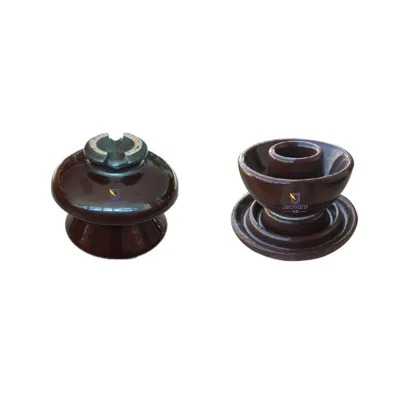


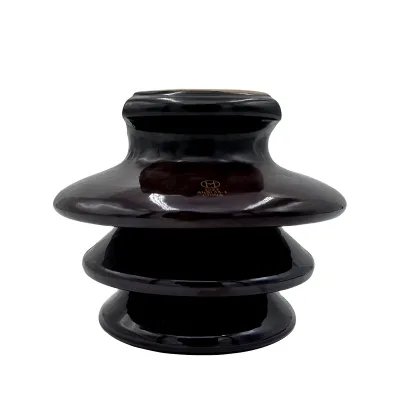
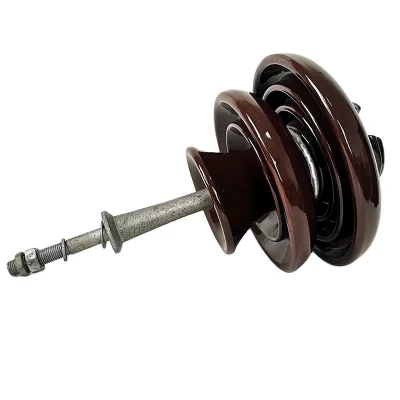
High Voltage ANSI 56 Series Porcelain Pin Isolator / 56-4 Ceramic Pin Insulator
$3.89 - $5.99
MOQ: 1668 Pieces

Direct Factory Low Price High Voltage Porcelain Pin Type Insulator ANSI 56-1
$1.89 - $2.89
MOQ: 200 Pieces


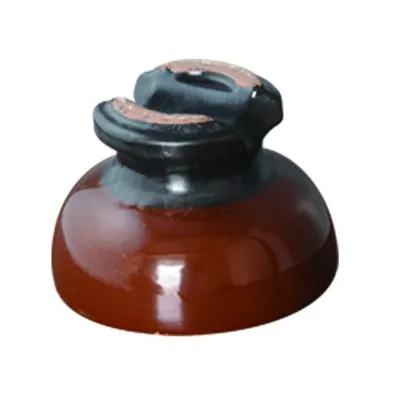
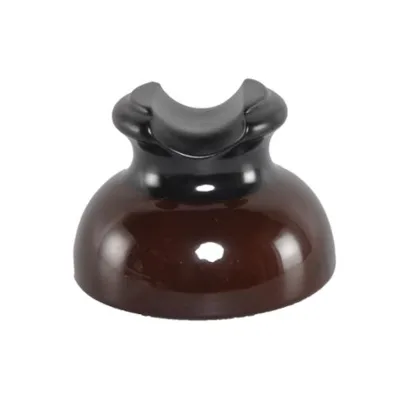
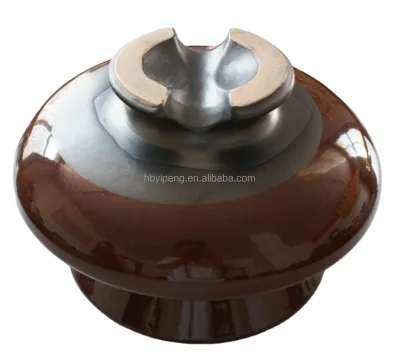


Comprehensive Sourcing Guide
ANSI Pin Type Ceramic Insulator Sourcing Guide
Procuring ANSI pin type ceramic insulators requires a disciplined approach to verifying material integrity and mechanical performance, as these components are critical for high-voltage power transmission and electrical installation safety. Buyers must prioritize suppliers who demonstrate consistent adherence to ANSI 55 and 56 series standards, ensuring that the porcelain material provides reliable insulation under high-temperature and high-voltage conditions. The sourcing process begins with a clear definition of technical requirements, including creepage distance and cantilever strength, to prevent field failures and ensure grid stability.
This guide outlines the essential verification steps for sourcing these insulators, focusing on observed listing signals, technical specifications, and compliance documentation. By understanding the specific attributes such as trough-type connections and pin hole diameters, procurement teams can effectively filter suppliers and negotiate favorable commercial terms. The following sections provide a structured framework for evaluating potential vendors, assessing quality control measures, and establishing long-term procurement strategies that mitigate risk and ensure operational continuity.
Product Scope and Observed Listing Signals
The market for ANSI pin type ceramic insulators presents a diverse range of models, primarily adhering to ANSI 55 and 56 series standards, which dictate the physical dimensions and electrical performance characteristics. Observed listings indicate a price range of $0.20 to $15.00 USD, reflecting variations in size, creepage distance, and manufacturing complexity. Buyers should note that minimum order quantities (MOQ) typically range from 1 to 3,000 units, allowing for flexibility in both pilot testing and large-scale infrastructure projects. Understanding these market signals helps in budgeting and planning inventory levels effectively.
Product attributes frequently highlighted in listings include customization availability, standard export packaging, and origins primarily from China, with specific mentions of Qingdao as a manufacturing hub. The insulators are often described as having a pin structure with trough-type connections, designed for high-voltage and high-temperature applications. Buyers should verify these attributes against their specific project needs, as variations in leakage distance, such as 17 inches or 21 inches, and cantilever strength, ranging from 11kN to 13kN, can significantly impact compatibility with existing electrical infrastructure.
Technical Specifications to Verify
Verifying technical specifications is paramount to ensuring that the selected insulators meet the rigorous demands of high-voltage power transmission. Key parameters to confirm include the creepage distance, which can vary from 102mm to 533mm depending on the specific ANSI model, and the pin hole diameter, often specified as 1-3/8 inches. Buyers must also assess the neck type, such as Type K, and the overall structure, which may include plain or radio-free designs. These details are critical for maintaining adequate insulation levels and preventing flashovers in high-stress electrical environments.
Mechanical strength and physical dimensions are equally important considerations during the verification process. The cantilever strength of these insulators typically ranges from 11kN to 13kN, with some models offering a bending strength of 11-13kN. Additionally, the minimum pin height is often specified as 8 inches, which affects the overall assembly and clearance requirements. Buyers should request detailed technical datasheets that explicitly state these values, ensuring that the insulators can withstand the mechanical loads and environmental conditions of their intended installation without compromising safety or performance.
Compliance and Safety Documentation
Compliance with international standards and certifications is a non-negotiable aspect of sourcing ANSI pin type ceramic insulators. Buyers should verify that suppliers hold relevant certifications, such as ISO and CE marks, which indicate adherence to quality management and safety regulations. Although ISO9001 is mentioned in background contexts, buyers must confirm the current validity of these certifications and ensure that the products meet the specific ANSI 55 and 56 series standards required for their application. This verification process helps mitigate legal and operational risks associated with non-compliant equipment.
Safety documentation should also include detailed test reports and material certifications that confirm the porcelain composition and electrical properties of the insulators. Buyers should request evidence of rigorous testing procedures, including mechanical load tests and electrical withstand tests, to ensure that the products perform as expected under extreme conditions. Additionally, understanding the product code, such as 85469010, can facilitate accurate customs clearance and regulatory compliance in international shipments. Ensuring that all documentation is complete and accurate is essential for a smooth procurement process.
Cost Drivers and Commercial Terms
Several factors influence the cost of ANSI pin type ceramic insulators, including the complexity of the design, the required creepage distance, and the volume of the order. Buyers should consider the trade-offs between price and performance, as higher creepage distances and greater mechanical strength often result in higher costs. Additionally, customization options, such as specific labeling like NJREC or OEM branding, may incur additional fees. Understanding these cost drivers allows buyers to negotiate more effectively and align their procurement strategy with their budget constraints.
Commercial terms, including delivery lead times and packaging requirements, also play a significant role in the total cost of ownership. Typical delivery times are around 30 days, but this can vary based on order volume and supplier capacity. Packaging options range from standard export packages to wooden pallets, which can affect shipping costs and handling requirements. Buyers should clarify these terms in their purchase agreements to avoid unexpected expenses and ensure that the insulators arrive in good condition, ready for immediate installation.
Supplier Qualification and Quality Control
Supplier qualification is a critical step in ensuring the reliability and consistency of ANSI pin type ceramic insulators. Buyers should conduct thorough due diligence on potential suppliers, verifying their manufacturing capabilities, quality control processes, and track record in the industry. It is essential to assess whether the supplier has the necessary infrastructure to produce insulators that meet ANSI standards consistently. This includes evaluating their material sourcing, production techniques, and final inspection procedures to ensure that every unit meets the specified technical requirements.
Quality control measures should be clearly defined and agreed upon before placing orders. Buyers should request information on the supplier’s testing protocols, including routine checks for mechanical strength, electrical insulation, and dimensional accuracy. Additionally, establishing a clear communication channel for addressing any quality issues or discrepancies is vital. Buyers may also consider implementing third-party inspections or audits to verify the supplier’s quality management systems. This proactive approach helps minimize the risk of receiving defective products and ensures that the insulators perform reliably in the field.
Long-Term Procurement Checks
Establishing long-term procurement checks is essential for maintaining the quality and reliability of ANSI pin type ceramic insulators over time. Buyers should implement a regular review process to assess supplier performance, including delivery times, product quality, and responsiveness to issues. This ongoing evaluation helps identify any trends or recurring problems that may require corrective action. By maintaining a close relationship with suppliers and fostering open communication, buyers can ensure that any potential issues are addressed promptly and effectively.
Additionally, buyers should stay updated on any changes in industry standards or regulations that may affect the procurement of these insulators. This includes monitoring updates to ANSI standards and ensuring that suppliers are aware of and compliant with these changes. Regularly reviewing technical specifications and performance requirements can also help buyers adapt to evolving project needs and technological advancements. By maintaining a proactive and informed approach to procurement, buyers can secure a reliable supply of high-quality insulators that support the long-term success of their electrical infrastructure projects.
FAQs
What certifications do these ANSI pin insulators hold?
These porcelain pin insulators hold ISO and CE certifications. They are manufactured to meet ANSI standards including 55-1 through 55-5 and 56-2. This ensures compliance with international quality and safety requirements for high-voltage power transmission applications.
What is the cantilever strength of these insulators?
The cantilever strength ranges from 11kN to 13kN depending on the specific model. Some variants offer a bearing capacity of 100kN. This structural integrity supports high-voltage electrical installations and ensures reliable performance under mechanical stress.
Can these insulators be customized for specific projects?
Yes, customization is available for these porcelain insulators. Buyers can request specific packaging options such as wooden pallets or standard export packages. The label can also be customized to NJREC or OEM requirements to suit specific project needs.
What are the leakage distance specifications?
Leakage distances vary by model, ranging from 17 inches to 21 inches. Creepage distances are specified between 102mm and 533mm. These dimensions are critical for ensuring proper insulation performance in high-voltage and high-temperature electrical environments.
What is the typical lead time for delivery?
The typical delivery lead time is 30 days. This timeframe applies to standard orders of ANSI pin type ceramic insulators. Buyers should confirm specific schedules with suppliers, as production volumes and customization requests may influence the final delivery date.
Where are these insulators manufactured?
These insulators are manufactured in China, with specific origins noted in Qingdao. The products are exported globally using standard packaging or customer-requested methods. This location supports efficient logistics for international buyers sourcing high-voltage electrical components.