Source Anthracite Filter Media for Water Treatment and Filtration
Compare 30 Anthracite Filter Media options from Chinese manufacturers with varying sizes, densities, and carbon content. Buyers can evaluate specifications like effective size, hardness, and packing details for industrial water treatment applications; compare the available evidence and request quotations based on your requirements.
Updated
Key considerations
Products List






Comprehensive Sourcing Guide
Anthracite Filter Media Sourcing Guide
Procuring Anthracite Filter Media requires a disciplined approach to verifying material consistency and supplier reliability. Buyers must distinguish between generic coal products and specialized filtration grades, as performance varies significantly based on origin and processing methods. The core keyword Anthracite Filter Media represents a critical component in water treatment systems, where its physical and chemical properties directly impact filtration efficiency and operational longevity.
This guide provides evidence-based sourcing strategies for industrial buyers. It focuses on interpreting technical specifications, verifying compliance documentation, and evaluating commercial terms. By adhering to these structured procurement steps, buyers can mitigate risks associated with inconsistent supply, substandard material quality, and unexpected operational failures in filtration infrastructure.
Product Scope and Observed Listing Signals
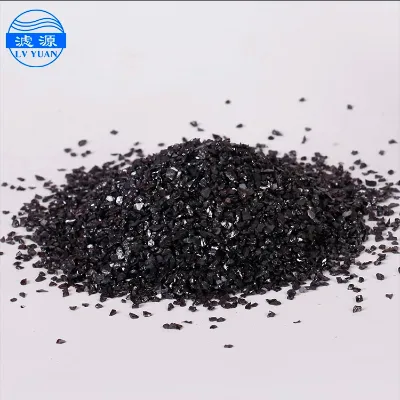
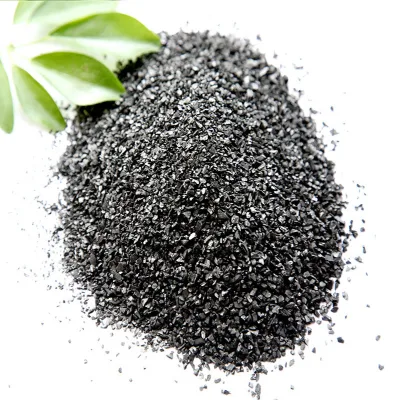
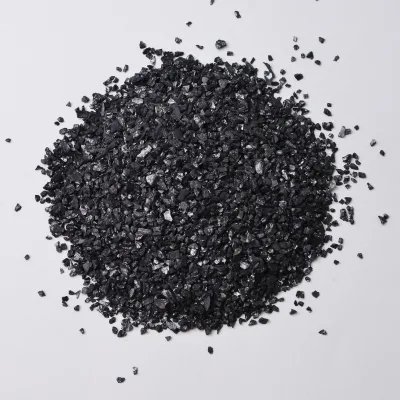
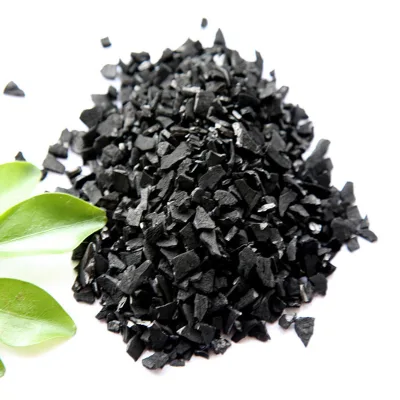
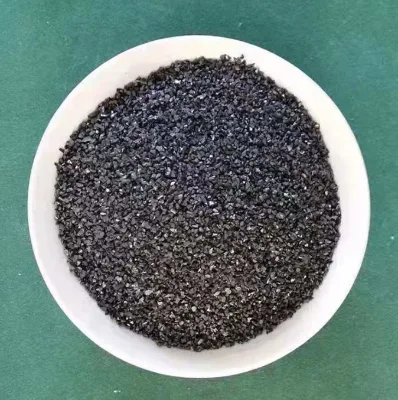
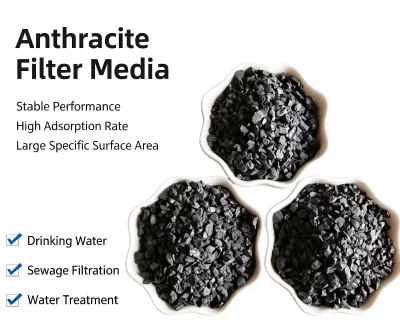
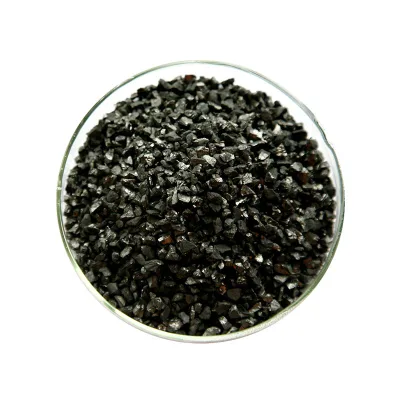
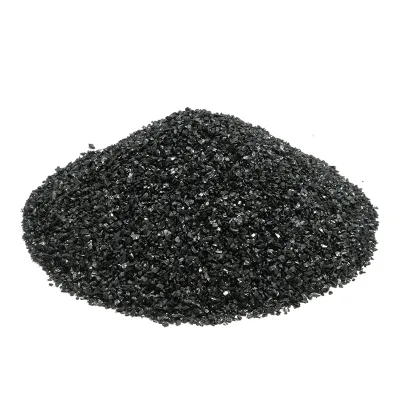
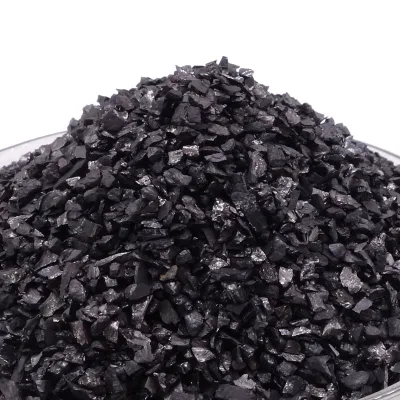
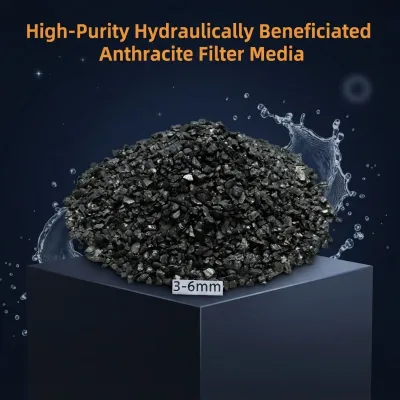
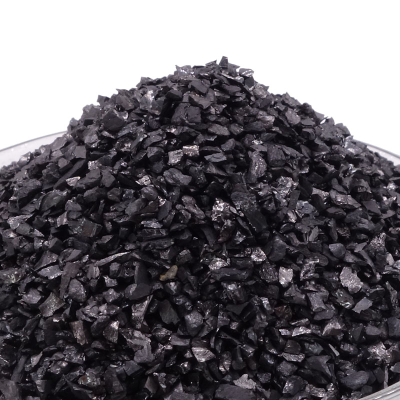
The observed market for Anthracite Filter Media includes products with varying physical characteristics, such as granular appearances and specific size distributions. Listings indicate a price range from 0.2 to 495 USD, with minimum order quantities typically spanning from 1 to 25 units. These signals suggest a diverse supplier base offering both small-scale trial batches and bulk industrial supplies, allowing buyers to scale procurement according to their specific operational needs.
Product attributes observed include customization availability, with packing options like 25kg or 500kg bags tailored to buyer requests. Some listings highlight specific models such as B-0265 or brand names like Lvyuan, originating from regions like Henan and Hebei in China. Buyers should note that while some products are described as briquettes or mineral desiccants, the primary focus remains on granular filter media with standardized mesh sizes and specific gravity ranges.
Technical Specifications to Verify
Verification of technical specifications is paramount for ensuring filtration performance. Key attributes to confirm include fixed carbon content, which can range from 75% to 95%, and moisture levels, often observed around 3%. Buyers must also assess the wear rate, with values like 0.55 indicating durability under hydraulic stress, and the void ratio, which affects flow dynamics and backwashing efficiency in filtration systems.
Additional critical parameters include specific gravity, typically between 1.4 and 1.6, and bulk gravity around 0.98. Chemical composition details, such as lead, copper, zinc, and sulfur content, should be reviewed to ensure environmental safety and material purity. Hardness values, often cited between 3.0 and 4, are essential for preventing attrition during operation, while effective size and uniformity coefficient determine the precision of particle filtration.
Compliance and Safety Documentation
Compliance with environmental and safety standards is a non-negotiable aspect of sourcing Anthracite Filter Media. Buyers should request documentation confirming that the product meets relevant environmental protection criteria, as indicated by some suppliers marking their products as environmentally friendly. This includes verifying that the material is suitable for neutral surface disposal and does not leach harmful substances into treated water.
Documentation should also cover acid solubility, with some products claiming values of ≤1%, ensuring stability in various pH conditions. Buyers must ensure that suppliers provide certificates of analysis that detail heavy metal content and other impurities. This verification process helps prevent regulatory violations and ensures that the filter media aligns with local environmental regulations and industry best practices for water treatment.
Cost Drivers and Commercial Terms
Cost drivers for Anthracite Filter Media include the quality of raw materials, processing methods, and packaging requirements. Products with higher fixed carbon content and lower impurities typically command higher prices. Buyers should also consider the cost implications of customization, such as specific mesh sizes or packing configurations, which may incur additional fees. Understanding these factors helps in budgeting and negotiating favorable commercial terms.
Commercial terms often involve flexible payment options and varying lead times, depending on the supplier's production capacity and inventory levels. Buyers should clarify shipping terms, including whether costs are included in the quoted price, and verify the supplier's ability to meet delivery schedules. Establishing clear communication regarding these terms ensures transparency and helps avoid unexpected expenses or delays in the procurement process.
Supplier Qualification and Quality Control
Supplier qualification involves assessing the manufacturer's history, production capabilities, and quality control measures. Buyers should prioritize suppliers with a proven track record, such as those with eight years of factory history, indicating stability and experience in the industry. It is also important to verify the supplier's ability to provide free samples for testing, allowing buyers to evaluate product quality before committing to large orders.
Quality control processes should include rigorous testing of physical and chemical properties, such as hardness, specific gravity, and chemical composition. Buyers should request detailed test reports and ensure that the supplier adheres to consistent manufacturing standards. Engaging with suppliers who offer customization and have a strong focus on quality assurance helps mitigate risks and ensures that the procured filter media meets specific operational requirements.
Long-Term Procurement Checks
Long-term procurement success depends on establishing ongoing relationships with reliable suppliers and implementing regular quality audits. Buyers should monitor supplier performance over time, tracking metrics such as delivery consistency, product quality stability, and responsiveness to issues. Regular communication and feedback loops help maintain high standards and address any emerging concerns promptly.
Additionally, buyers should stay informed about industry trends and technological advancements in filtration media. This includes evaluating new products or suppliers that may offer improved performance or cost efficiencies. By maintaining a proactive approach to supplier management and continuous improvement, buyers can ensure a steady supply of high-quality Anthracite Filter Media, supporting the long-term reliability and efficiency of their water treatment systems.
FAQs
What is the typical fixed carbon content for Anthracite Filter Media?
The fixed carbon content typically ranges from 75% to 95%. This high carbon level ensures effective filtration performance in chemical industry applications. The material is designed to maintain structural integrity while providing consistent filtration results for various industrial water treatment processes.
Which standard sizes are available for Anthracite Filter Media?
Standard sizes include 0.5-0.8mm, 0.8-1.2mm, 0.8-1.8mm, 1-2mm, 2-4mm, 4-6mm, and 6-8mm. Customized sizes such as 1-2mm or 2-4mm are also available upon request. These granular sizes allow for precise filtration control in different industrial settings.
Can Anthracite Filter Media be customized for specific needs?
Yes, customization is available for Anthracite Filter Media. Buyers can request specific packaging options like 25kg or 500kg bags. The material can also be tailored to meet particular filtration requirements, ensuring it fits seamlessly into existing industrial water treatment systems and processes.
What is the hardness rating of Anthracite Filter Media?
The hardness rating is typically between 3.0 and 4.0 on the Mohs scale. This durability ensures the media withstands rigorous filtration processes without excessive wear. The low wear rate of 0.55 further confirms its long-lasting performance in demanding industrial environments.
Where is Anthracite Filter Media primarily manufactured?
Anthracite Filter Media is primarily manufactured in China, with origins in Henan and Hebei provinces. These regions are known for producing high-quality mineral desiccants and filter media. The products are exported globally, meeting various international standards for industrial filtration applications.
What is the bulk density of Anthracite Filter Media?
The bulk density is approximately 50 lbs per cubic foot, with a bulk gravity of 0.98. This density supports efficient filtration while maintaining structural stability. The specific gravity ranges from 1.4 to 1.6, ensuring consistent performance in water treatment systems.