Source Anodized Titanium Hex Socket Cap for Motorcycle, Aerospace, Marine
Compare 30 listings for Anodized Titanium Hex Socket Cap screws with Grade 5 material and custom colors. Buyers can evaluate specifications like thread size, length, and surface finish from verified Chinese manufacturers; compare the available evidence and request quotations based on your requirements.
Updated
Key considerations
Products List

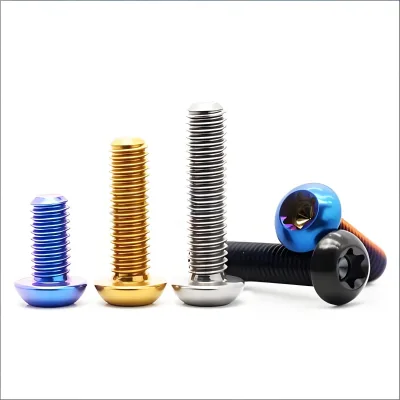
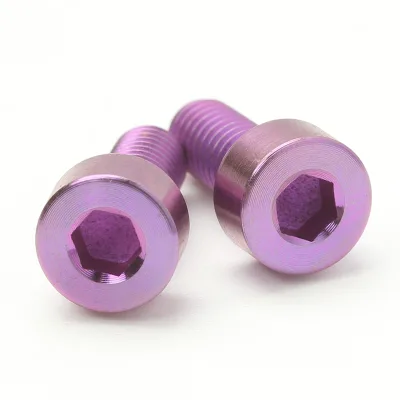
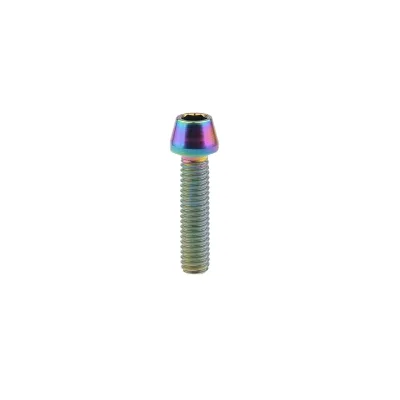
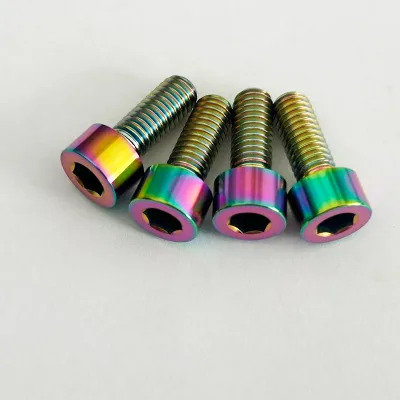
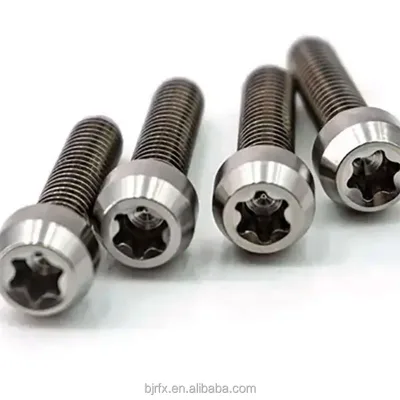
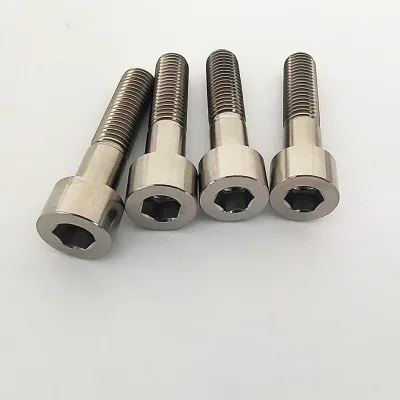
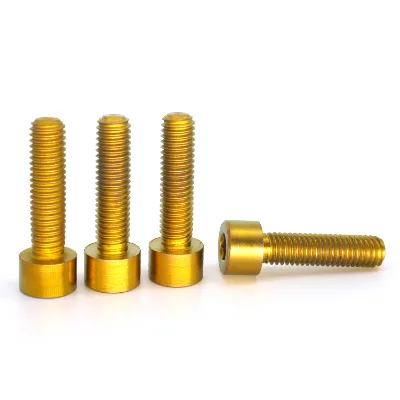
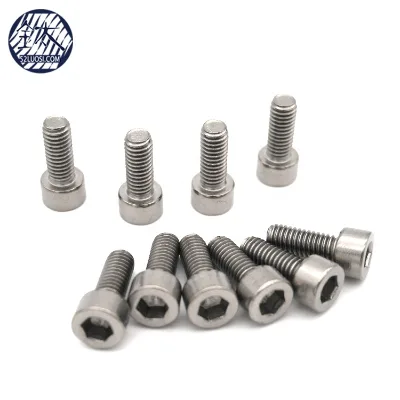
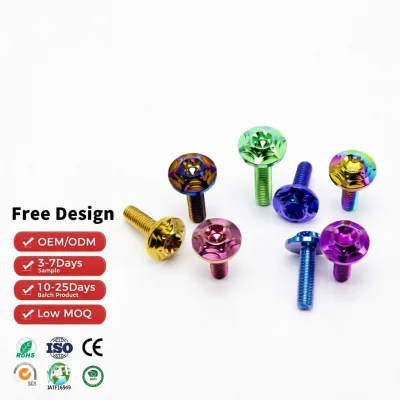
Anodizing Color Titanium Hex Socket Cap Screw for Racing and Motorcycle
$1.15 - $1.24
MOQ: 1000 Pieces





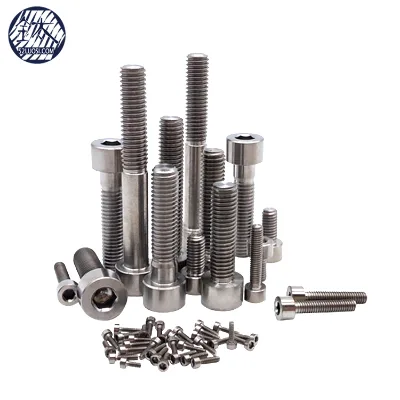



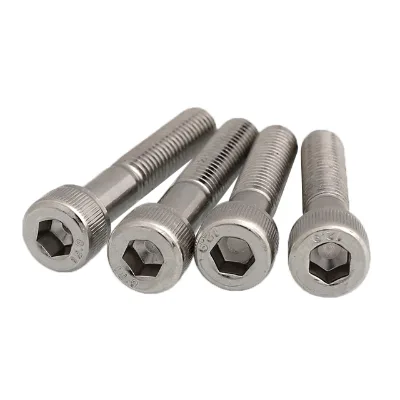
Transparent-Pricing Stainless Steel Hex Socket Hex Socket Head Cap Screws
$0.10 - $0.50
MOQ: 100 Pieces



Comprehensive Sourcing Guide
Anodized Titanium Hex Socket Cap Sourcing Guide
Product Scope and Observed Listing Signals
The market for Anodized Titanium Hex Socket Cap screws presents a distinct niche within fastener procurement, characterized by high-performance material properties and specialized surface treatments. Listings frequently highlight Grade 5 titanium alloy as the primary material, offering a critical balance of light weight and high tensile strength. Buyers should observe that these components are often marketed with specific head styles, such as round or hex socket heads, and feature hexagon grooves for tool engagement. The anodized finish is a key visual and functional indicator, providing enhanced corrosion resistance and aesthetic options like red, yellow, blue, or rainbow colors. This surface treatment is particularly valuable in environments where standard steel fasteners would fail due to chemical exposure or saltwater contact.
Commercial signals in current listings suggest a flexible but structured supply chain, with minimum order quantities typically ranging from 100 to 1000 pieces. Pricing observations indicate a broad range, often starting from very low unit costs for bulk orders, though exact figures vary significantly by volume and customization. Suppliers frequently offer customization services, including OEM and ODM capabilities, allowing buyers to tailor thread types, lengths, and packaging to specific project needs. The presence of export-standard wooden cases or customized cartons indicates a readiness for international shipping, while lead times of 7-15 days suggest a responsive manufacturing base. Buyers must verify if the observed price ranges apply to standard metric sizes or if custom specifications incur additional premiums.
Technical Specifications to Verify
Verifying the precise technical specifications is essential to ensure the fastener meets engineering requirements, particularly regarding thread standards and dimensional accuracy. Listings often reference multiple standard systems, including GB, DIN, ANSI, and JIS, which means buyers must confirm the exact thread type, such as Metric or Unified Thread Form (UNF), before placing an order. The model number DIN 912 is frequently cited, indicating a specific hex socket head cap screw design, but this should be cross-referenced with the actual product drawings. Lengths and thread sizes, such as M5, M6, and M8, are commonly available, with options extending to 50 mm or more. It is crucial to confirm whether the supplier provides exact tolerance classes for these dimensions, as deviations can affect assembly fit and structural integrity in critical applications.
Material grade verification is another critical technical checkpoint, with Grade 5 titanium alloy being a prominent feature in many listings. This alloy offers superior strength-to-weight ratios compared to standard titanium, making it ideal for high-stress applications. Buyers should also inspect the surface finish details, noting that polished or anodized surfaces are common, but the specific anodizing thickness and colorfastness may vary. The connection type is typically described as a common bolt, but the presence or absence of accompanying nuts should be clarified, as some listings indicate zero nuts per bolt while others suggest otherwise. Additionally, the single package size and gross weight data provided by suppliers can help in calculating logistics costs and storage requirements, ensuring that the physical dimensions align with the buyer’s handling capabilities.
Compliance and Safety Documentation
Compliance documentation serves as a foundational element in the procurement process, ensuring that the anodized titanium hex socket caps meet international quality and safety standards. Many suppliers list certifications such as ISO 9001, SGS, RoHS, and TUV, which indicate adherence to rigorous quality management and environmental regulations. Buyers must request valid certificates and verify their authenticity, as these documents provide assurance that the manufacturing process is controlled and consistent. The RoHS certification, in particular, is vital for applications in electronics or consumer goods where restricted substances must be avoided. While these certifications are frequently mentioned, buyers should confirm that the specific batch of products being ordered is covered under the current certification scope to avoid compliance gaps.
Safety and material safety data sheets (MSDS) are also important, especially when dealing with anodized surfaces that may involve chemical processes. Buyers should inquire about the specific chemicals used in the anodizing process to ensure they do not pose health risks during handling or installation. Furthermore, the origin of the products, often listed as China or specific provinces like Shaanxi or Jiangsu, should be considered in the context of trade regulations and import duties. Understanding the supply chain transparency helps in assessing the reliability of the compliance claims. Buyers should establish a clear protocol for receiving and verifying documentation upon shipment, ensuring that any discrepancies in certification status are addressed before final payment is released.
Cost Drivers and Commercial Terms
Understanding the cost drivers for anodized titanium hex socket caps allows buyers to negotiate more effectively and budget accurately for their procurement needs. The primary cost driver is the raw material, specifically Grade 5 titanium alloy, which is more expensive than standard steel or aluminum alternatives. The anodizing process adds another layer of cost, influenced by the complexity of the color customization and the thickness of the oxide layer. Volume discounts are a significant factor, with minimum order quantities often set at 100 or 1000 pieces, affecting the unit price substantially. Buyers should analyze the price per piece against the total order value to determine the most cost-effective ordering strategy, keeping in mind that smaller orders may incur higher per-unit costs due to setup and processing fees.
Commercial terms, including payment methods, shipping options, and lead times, also play a crucial role in the total cost of ownership. Lead times of 7-15 days are common, but this can extend during peak seasons or for highly customized orders. Buyers should clarify whether the quoted prices include packaging, such as export-standard wooden cases or cartons, and if there are additional charges for specialized packaging requirements. Sampling times of 3-5 working days are typical, but buyers should confirm if sample costs are refundable upon placing a bulk order. It is also important to discuss Incoterms to understand who bears the risk and cost of shipping, as this can significantly impact the final landed cost. Clear communication of these terms helps in avoiding unexpected expenses and ensures a smooth transaction process.
Supplier Qualification and Quality Control
Supplier qualification is a critical step in mitigating risk, requiring buyers to assess the manufacturing capabilities and quality control systems of potential vendors. Buyers should verify the supplier’s production capacity and experience with titanium fasteners, as handling this material requires specialized equipment and expertise. The availability of customization services, including OEM and ODM, indicates a flexible manufacturing process, but buyers should evaluate the supplier’s ability to maintain consistency across large batches. Requesting references or case studies from previous clients can provide insights into the supplier’s reliability and performance. Additionally, buyers should inquire about the supplier’s internal quality control procedures, such as in-process inspections and final product testing, to ensure that every batch meets the specified standards.
Quality control extends to the verification of material properties and surface finishes. Buyers should request material test reports that confirm the Grade 5 titanium alloy composition and mechanical properties, such as tensile strength and hardness. The anodized finish should be inspected for uniformity, color consistency, and adhesion, as defects in this layer can compromise corrosion resistance. Sampling is a practical method for quality verification, with a typical sampling time of 3-5 working days. Buyers should define clear acceptance criteria for samples, including dimensional accuracy and visual appearance, before approving mass production. Establishing a robust quality control framework, including regular audits and performance reviews, helps in maintaining high standards and building a long-term partnership with a reliable supplier.
Long-Term Procurement Checks
Long-term procurement checks involve continuous monitoring of supplier performance and market dynamics to ensure sustained value and reliability. Buyers should establish key performance indicators (KPIs) such as on-time delivery rates, defect rates, and responsiveness to issues. Regular reviews of these metrics help in identifying potential problems early and addressing them with the supplier. It is also important to stay updated on changes in titanium market prices and supply chain conditions, as these factors can impact cost and availability. Building a diversified supplier base can mitigate risks associated with single-source dependencies, ensuring that alternative options are available if primary suppliers face disruptions.
Continuous improvement and relationship management are essential for long-term success. Buyers should engage in open communication with suppliers, sharing feedback and collaborating on process improvements. This can lead to better product quality, more competitive pricing, and enhanced service levels. Additionally, buyers should periodically re-evaluate their compliance requirements and technical specifications to ensure they remain aligned with industry standards and project needs. Staying informed about new technologies and materials in the fastener industry can also provide opportunities for innovation and cost savings. By maintaining a proactive approach to procurement, buyers can secure a stable supply of high-quality anodized titanium hex socket caps that support their operational goals and strategic objectives.
FAQs
What material grade is used for these Anodized Titanium Hex Socket Cap screws?
These screws are manufactured from Grade 5 Titanium Alloy, offering a high strength-to-weight ratio. The material ensures excellent corrosion resistance and durability for demanding applications. The anodized finish provides additional surface protection while allowing for customized colors such as red, blue, or silver to meet specific aesthetic requirements.
Which international standards are accepted for these titanium hex socket head bolts?
The products comply with major international standards including DIN, GB, ANSI, and JIS. Specific models like DIN 912 are available. Customization is accepted for standards such as M5, M6, M8, and M10, allowing buyers to specify exact dimensional requirements that align with their engineering drawings or regional compliance needs.
Can I customize the surface color and packaging for these titanium screws?
Yes, customization is available for both surface color and packaging. The anodized finish can be produced in various colors including red, yellow, blue, rainbow, purple, pink, and silver. Packaging options include export standard wooden cases or cartons with plastic bags, which can be tailored to your specific logistical or branding requirements.
What is the typical delivery time and MOQ for these titanium hex bolts?
The standard delivery time is 7-15 days after order confirmation. The minimum order quantity is typically 1000 pieces, though some listings indicate a lower threshold of 100 pieces. Sampling time is approximately 3-5 working days. These parameters ensure efficient production scheduling while accommodating varying buyer volume needs.
What certifications do these titanium alloy hex socket cap screws hold?
The products hold several key certifications including ISO, SGS, RoHS, TUV, and ISO9001. These credentials verify quality management systems and material safety standards. Buyers can rely on these certifications for compliance in regulated industries, ensuring the titanium screws meet rigorous international requirements for quality, safety, and environmental responsibility.
What are the available thread sizes and lengths for these hex socket head screws?
Available thread sizes include M5, M6, and M8, with options for both Metric and Unified Thread formats. Lengths range from 15 mm to 50 mm, including specific sizes like 20, 25, 30, 35, and 40 mm. This variety supports diverse mechanical assembly needs across different industries and applications.