Source Anti-Bacterial Breathable Baby Leggings for Daily Wear
Source anti-bacterial breathable baby leggings from 30 verified suppliers. Compare options featuring cotton, bamboo, and spandex blends with high elasticity, custom labeling, and OEM/ODM support for wholesale procurement; compare the available evidence and request quotations based on your requirements.
Updated
Key considerations
Products List


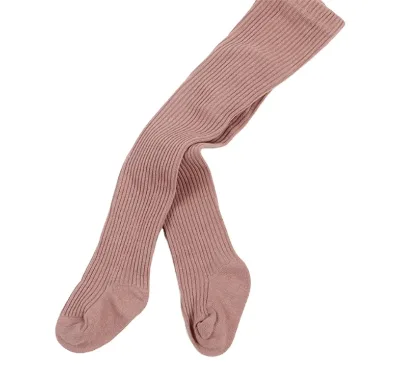
Infant Footed Leggings Anti Slip Sole High Waist Wide Crotch Solid Tights
$2.50 - $2.80
MOQ: 300 Pieces


Causal Wear Baby Leggings Bamboo Fabric Baby Pants Soft Leggings for Infant
$3.99 - $4.60
MOQ: 100 Pieces

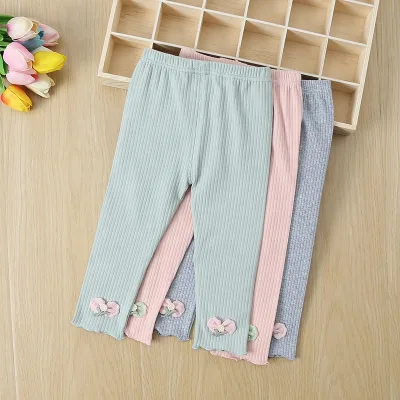
Wholesale Comfortable Cotton Baby Leggings for Baby Clothes Pants Legging
$1.7937 - $1.9478
MOQ: 50 pieces
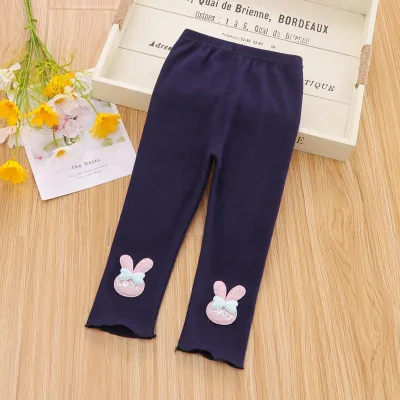
Cute Rabbit Pattern Spring Autumn Leggings for Baby Girls Baby Pants Leggings
$1.6336 - $1.7877
MOQ: 50 pieces
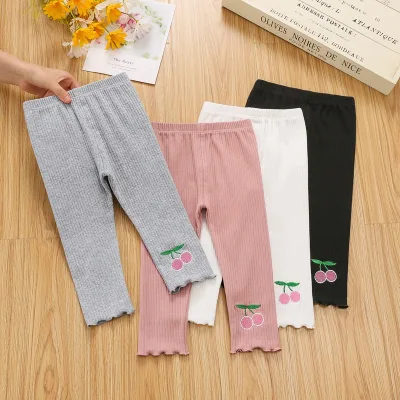
Autumn Fashion Baby Longs Sleeve Legging Set Leggings for Baby Girls Casual
$1.7219 - $1.876
MOQ: 50 pieces

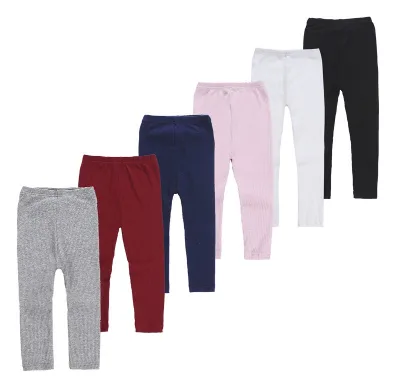


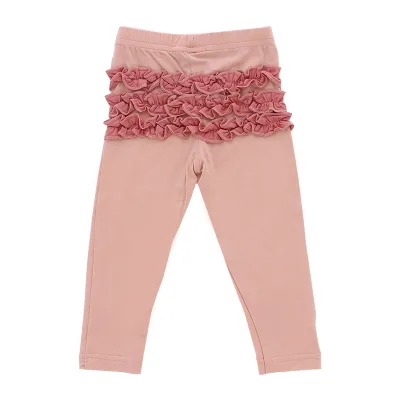
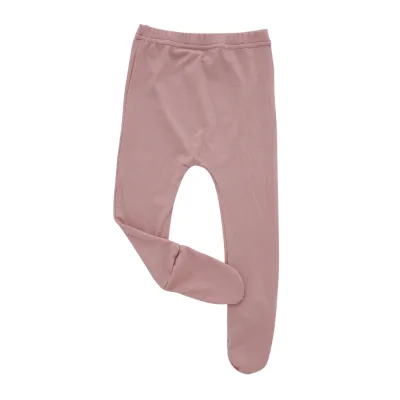
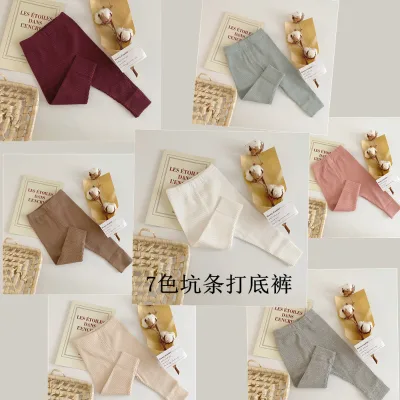
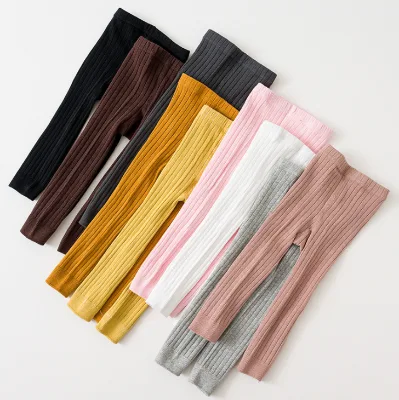
Cotton Solid Wholesale Girls Boys Striped Toddler Pants baby ribbed leggings
$3.0234 - $3.7924
MOQ: 5 pieces
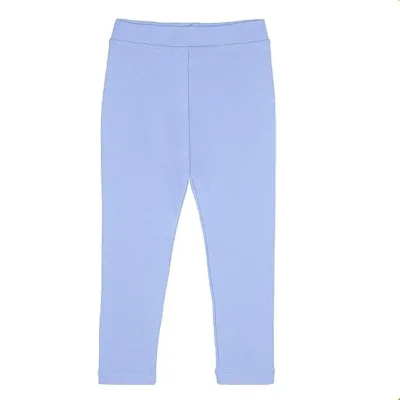
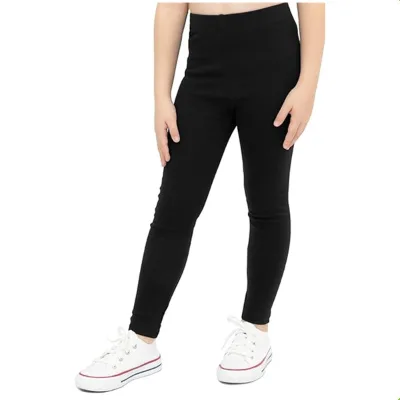
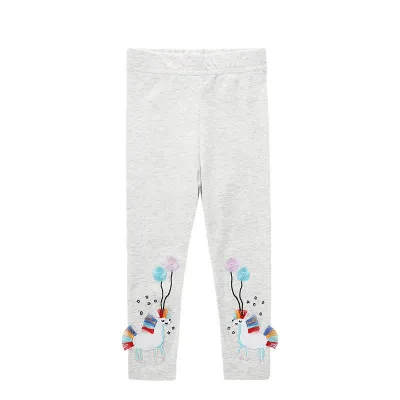
2024 Wholesale Soft Comfortable Embroidery Leggings Girls Toddler Cotton Stretch Leggings for Kids
$2.3756 - $2.7885
MOQ: 100 pieces
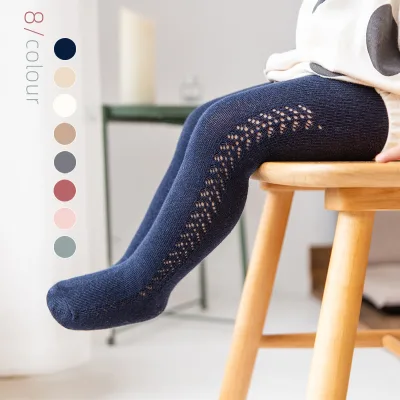
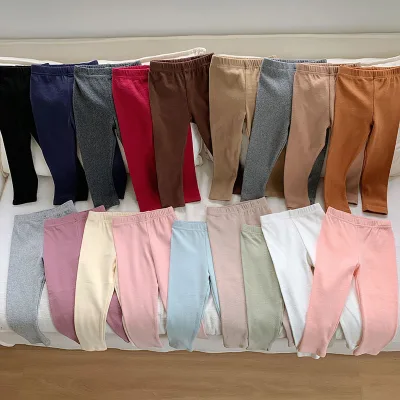
Comprehensive Sourcing Guide
Anti-Breathable Baby Leggings Sourcing Guide
Sourcing anti-bacterial breathable baby leggings requires careful attention to material composition and functional design. The observed market data indicates a strong preference for cotton-based fabrics, with specific mentions of cotton/spandex blends and organic cotton options. These materials are selected for their natural breathability and softness, which are critical for infant skin comfort. Buyers must verify that the "anti-bacterial" claim is supported by specific fabric treatments or inherent fiber properties, as standard cotton alone does not provide this function without additional processing.
The product scope includes various styles such as straight-leg trousers and tights, with a focus on high-waist and low-waist designs. Seasonal variations are noted, with products suitable for spring, autumn, and summer use. The presence of elastic waistbands and high elasticity ensures a secure fit for growing infants. Procurement teams should prioritize suppliers who offer customization options, including custom labels and logos, to align with brand identity while maintaining the core functional requirements of breathability and hygiene for baby wear.
Product Scope and Observed Listing Signals
The current listing signals reveal a diverse range of baby pants and leggings tailored for different age groups, specifically from 0-3 months up to 18-24 months. Key attributes include long-length designs, medium thickness, and leisure styles that prioritize comfort over formal aesthetics. The observed price range of $0.8 to $6.22 USD suggests a competitive market with varying quality tiers. Buyers should correlate price points with material specifications, such as the distinction between standard cotton and premium bamboo/organic cotton blends, to ensure value alignment with their target market segments.
Minimum Order Quantities (MOQ) vary significantly, ranging from 5 to 2000 pieces, with a common baseline of 300 pieces observed. This flexibility allows for both trial orders and large-scale production runs. The availability of OEM/ODM services and customized logo acceptance indicates that many suppliers are equipped to handle private label requirements. Procurement strategies should leverage this flexibility by starting with smaller MOQs to test product quality and market response before committing to larger volumes, thereby mitigating inventory risk.
Technical Specifications to Verify
Technical verification must begin with fabric composition, as the supply data highlights cotton, cotton/spandex, and bamboo/cotton blends. Buyers should request detailed fabric weight and stretch recovery data to ensure the leggings maintain their shape after repeated washing. The presence of high elasticity is a critical feature for baby wear, allowing for ease of movement and diaper changes. It is essential to confirm that the spandex content is evenly distributed to prevent bagging or constriction, ensuring the garment remains comfortable and functional throughout its lifecycle.
Fit and sizing specifications are equally important, with observed sizes ranging from specific month-based ranges (0-3m, 3-6m, etc.) to numerical sizes like 59/66/73. Buyers must verify the accuracy of these size charts against international standards to reduce return rates. Additionally, the closure type, typically elastic waistbands, should be tested for durability and gentleness on infant skin. The straight trouser leg design and long length provide coverage and warmth, but the seam construction must be flat and non-irritating to prevent chafing during active movement.
Compliance and Safety Documentation
Safety compliance is paramount for baby clothing, requiring rigorous documentation of chemical safety and physical security. Buyers must ensure that any anti-bacterial treatments used are non-toxic and compliant with relevant international standards for children's textiles. This includes verifying that no harmful substances, such as formaldehyde or heavy metals, are present in the fabric or dyes. The use of organic cotton or bamboo blends may offer inherent safety benefits, but third-party lab testing is still necessary to confirm the absence of allergens and irritants.
Physical safety features, such as the absence of small detachable parts and secure stitching, must be documented. The elastic waistbands should be enclosed or covered to prevent direct skin contact with the elastic material, which can cause irritation. Buyers should request test reports for flammability, tear strength, and colorfastness to ensure the product meets durability and safety expectations. Clear labeling regarding care instructions and material composition is also required to inform consumers and maintain regulatory compliance in target markets.
Cost Drivers and Commercial Terms
Cost drivers for baby leggings include material selection, customization complexity, and order volume. Premium materials like organic cotton or bamboo blends typically command higher prices due to sourcing and processing costs. Customization features, such as custom labels, logos, and specific packaging requirements, add to the production cost. Buyers should analyze the cost breakdown to understand the impact of these variables on the final unit price, ensuring that the chosen features align with the product's value proposition and target price point.
Commercial terms, including lead times and payment conditions, significantly influence procurement planning. The observed sample lead time of 3-7 days and production delivery time of about 40 days require careful scheduling to align with seasonal demand. Buyers should negotiate clear terms for sample approval and bulk production to avoid delays. Additionally, understanding the MOQ requirements and potential volume discounts can help optimize cost efficiency. Transparent communication regarding these terms is essential for maintaining a smooth supply chain and meeting market launch deadlines.
Supplier Qualification and Quality Control
Supplier qualification involves assessing manufacturing capabilities, quality management systems, and ethical compliance. Buyers should verify that suppliers have experience in producing baby clothing, which requires strict adherence to safety and quality standards. Factory audits should focus on production hygiene, material handling, and finished product inspection processes. The ability to provide OEM/ODM services and customize products indicates a flexible and capable manufacturing partner, but this must be balanced with consistent quality control measures.
Quality control protocols must be established to ensure product consistency across batches. This includes pre-production sample approval, in-line inspections during manufacturing, and final random inspections before shipment. Buyers should define clear acceptance criteria for defects, such as stitching errors, fabric flaws, or sizing inaccuracies. Implementing a robust quality assurance plan helps minimize the risk of receiving substandard products. Regular communication with the supplier regarding quality feedback and continuous improvement is also crucial for maintaining high standards.
Long-Term Procurement Checks
Long-term procurement success depends on continuous supplier performance monitoring and market adaptation. Buyers should track key performance indicators such as on-time delivery, defect rates, and responsiveness to issues. Regular reviews of supplier capabilities and compliance status ensure that they continue to meet evolving regulatory and quality requirements. Building a strong relationship with reliable suppliers fosters trust and facilitates smoother collaboration on future projects, including new product development and seasonal collections.
Market trends and consumer preferences in baby wear are constantly shifting, requiring procurement teams to stay informed. Monitoring changes in material preferences, such as the growing demand for sustainable and organic fabrics, allows for proactive sourcing strategies. Additionally, staying updated on regulatory changes in target markets ensures ongoing compliance. By maintaining a flexible and informed procurement approach, buyers can mitigate risks and capitalize on opportunities for growth in the competitive baby clothing market.
FAQs
Can these baby leggings be customized with a logo?
Yes, customization is available for these baby leggings. The supplier accepts OEM and ODM orders, allowing you to add a customized logo and custom labels. This service supports branding needs for B2B buyers looking to create unique product lines for the children's apparel market.
What is the minimum order quantity for these pants?
The minimum order quantity is 300 pieces. This MOQ applies to the cotton baby pants described. Buyers should note that other listed items may have different MOQs ranging from 5 to 2000 units, so verifying the specific model requirements is essential before placing an order.
How long does it take to receive a sample?
Sample delivery typically takes 7 to 10 days. Some models may have a sample lead time of 3 to 7 days. This timeframe allows buyers to evaluate the fabric quality, elasticity, and fit before committing to a larger bulk production order for their inventory.
What materials are used to make these baby leggings?
The leggings are primarily made from cotton, with some variants using cotton/spandex blends or bamboo/organic cotton. These materials ensure the pants are breathable, soft, and comfortable for babies. The fabric choices support the product's suitability for spring, autumn, and all-season wear.
What sizes are available for these children's pants?
Available sizes include 0-3m, 3-6m, 6-12m, 12-18m, and 18-24m. Some models also offer sizes 59/66/73 or free size options. These dimensions cater to infants and toddlers, ensuring a proper fit for various age groups within the children's clothing segment.
What is the estimated delivery time for bulk orders?
The estimated delivery time is about 40 days. This lead time applies to standard production runs. Buyers should plan their inventory accordingly, considering the sample approval phase and the manufacturing schedule to ensure timely arrival of the goods for their target sales seasons.