Source Glitter Print Bows Custom Socks for Gifts, Events, and Retail
Find 30 options for Glitter Print Bows Custom Socks featuring OEM services, quick dry materials, and anti-bacterial properties. Compare specs from Zhejiang suppliers for spring and autumn wear, including ankle and crew styles with custom size support; compare the available evidence and request quotations based on your requirements.
Updated
Key considerations
Products List
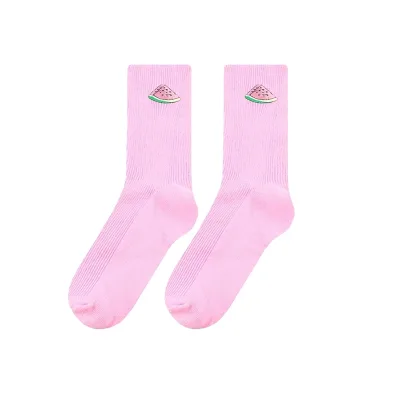
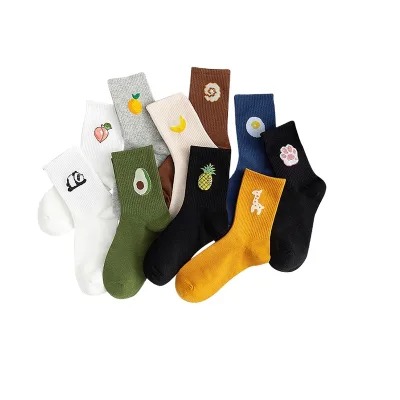
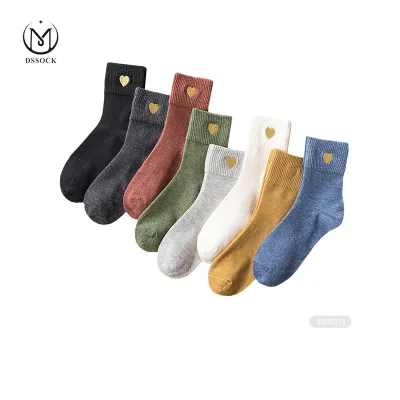
Customized Embroidered logo Sock Custom Women Socks Custom Embroidery Stitched Sock
$0.4039 - $2.0615
MOQ: 3000 pairs


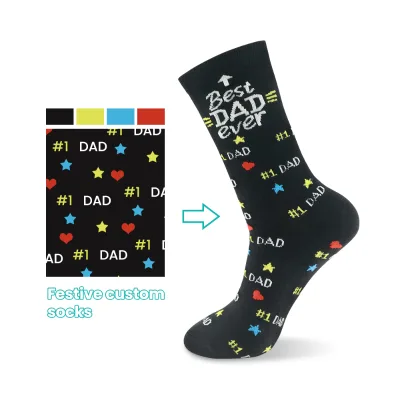
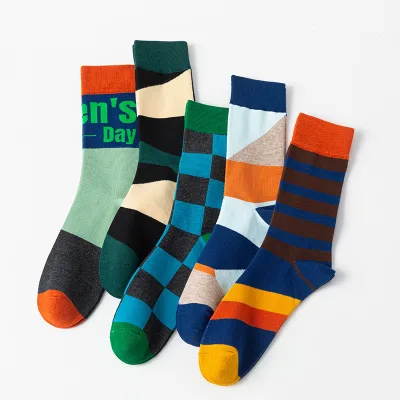


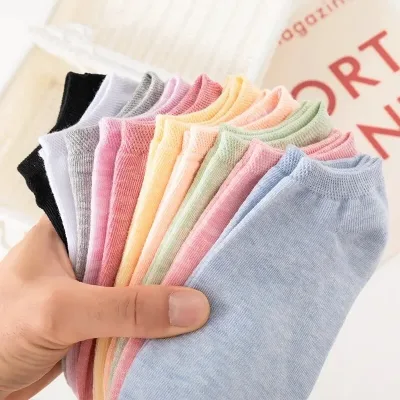
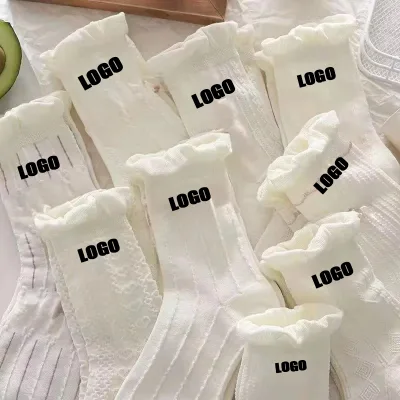
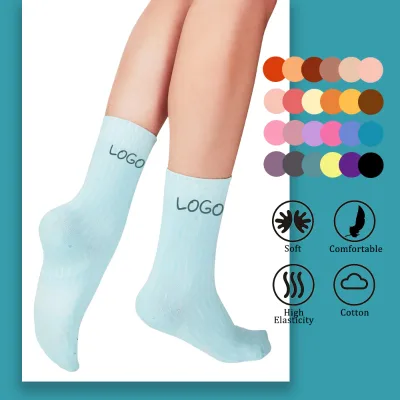
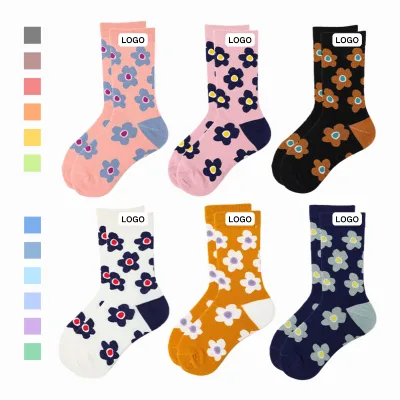


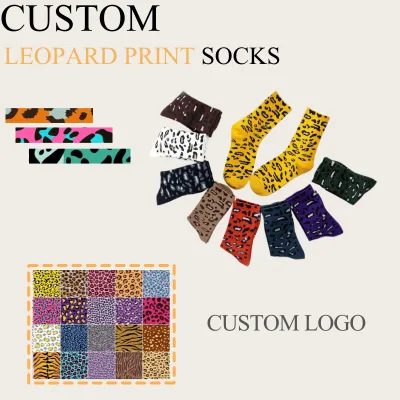
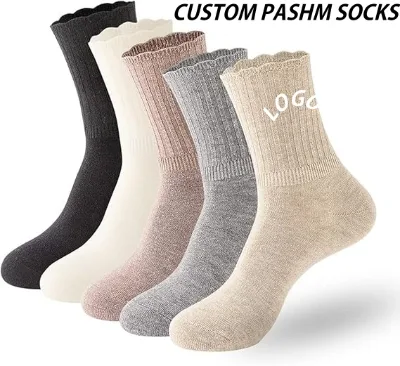
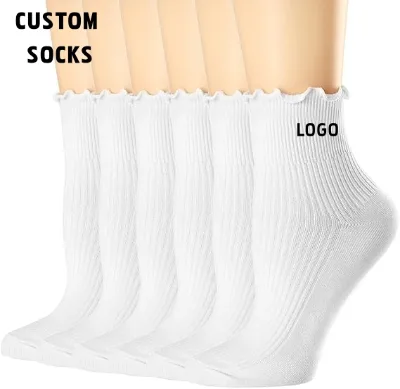
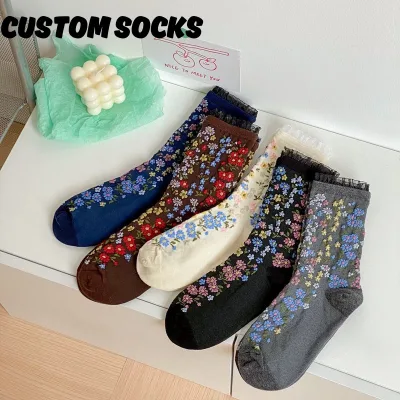
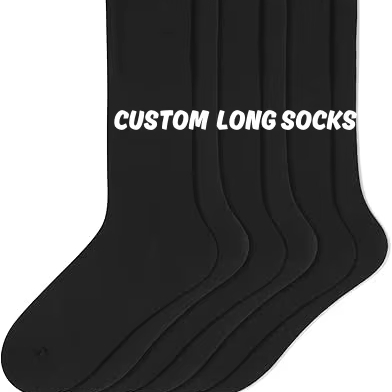
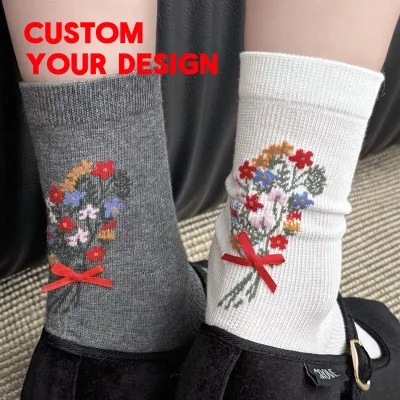
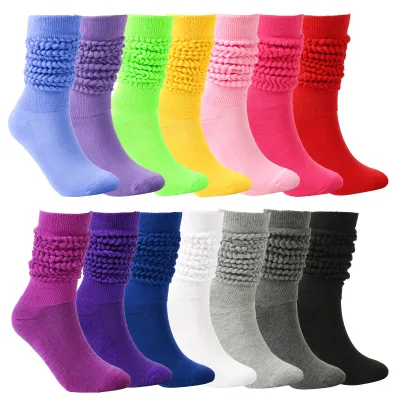
Custom Ladies' Knee-high Socks with Embroidered Logo, Soft and Non-slip
$1.1444 - $3.1192
MOQ: 100 pairs
Comprehensive Sourcing Guide
Glitter Print Bows Custom Socks Sourcing Guide
Sourcing Glitter Print Bows Custom Socks requires a strategic approach to balancing aesthetic appeal with functional durability, particularly for brands targeting fashion-forward or promotional markets. The observed product landscape indicates a strong emphasis on OEM services, with suppliers primarily located in Zhejiang, China, offering extensive customization capabilities. Buyers must navigate a wide array of material compositions, ranging from standard cotton blends to specialized bamboo fibers and spandex mixes, to ensure the final product meets specific comfort and performance expectations. The presence of multiple model numbers, such as O129, O0068, and O0079, suggests that manufacturers offer diverse base styles, including ankle, crew, and mid-calf lengths, which serve as the canvas for the distinctive glitter and bow embellishments.
Procurement teams should prioritize suppliers who demonstrate flexibility in design implementation, as the "glitter print" and "bow" elements often require specialized printing or attachment techniques that can impact production lead times and quality control. The observed data highlights a support for custom sizes and colors, indicating that buyers are not limited to standard inventory but can tailor products to specific brand identities. However, the complexity of combining decorative elements like bows with functional features such as anti-slip or compression properties necessitates clear communication regarding structural integrity. Buyers must verify that the decorative components do not compromise the sock’s fit or cause discomfort during wear, ensuring that the aesthetic value does not detract from the user experience.
Product Scope and Observed Listing Signals
The current market signals reveal a diverse range of sock types available for customization, including casual, sporty, and diabetic-friendly options, each with distinct material and feature profiles. Listings indicate that suppliers offer products with features such as quick-dry, breathable, anti-bacterial, and snagging-resistant properties, which are critical for maintaining product quality in high-volume orders. The observed price range of $0.25 to $20 USD reflects significant variation based on material quality, complexity of the glitter print, and the inclusion of additional features like compression or anti-slip technology. Buyers should interpret this wide range as an indicator that cost is heavily influenced by the specific combination of materials and decorative elements chosen, rather than a uniform pricing structure across all custom options.
Minimum order quantities (MOQs) observed between 50 and 3000 units suggest that suppliers cater to both small-batch testing and large-scale production runs, providing flexibility for brands at different stages of growth. The support for sample orders with a seven-day lead time is a crucial signal for buyers seeking to validate design and quality before committing to larger volumes. Additionally, the availability of custom packaging, such as OPP bags or cartons, allows for brand consistency from production to retail. Buyers should leverage these signals to structure their procurement strategy, starting with small sample orders to assess the durability of glitter prints and the comfort of bow attachments before scaling up to full production runs.
Technical Specifications to Verify
When evaluating technical specifications, buyers must closely examine the material composition to ensure it aligns with the intended use case, whether for casual wear, sports, or medical needs. The observed materials include spandex, polyester, cotton, and bamboo fiber, each offering different benefits in terms of elasticity, moisture-wicking, and softness. It is essential to verify the exact percentage of each material in the blend, as this directly impacts the sock’s durability, fit, and comfort. For instance, higher spandex content may enhance elasticity and compression, while bamboo fiber offers natural anti-bacterial properties. Buyers should request detailed material breakdowns to ensure that the chosen blend supports the functional requirements of the glitter print and bow design, preventing issues such as pilling or loss of shape after washing.
Length and size specifications are equally critical, with observed options ranging from ankle to crew lengths and sizes from S to custom measurements. Buyers must confirm that the size chart provided by the supplier accurately reflects the foot length and circumference, especially for custom sizes, to avoid fit issues. The observed thickness levels, including standard, medium, and normal, should be matched to the seasonal requirements, such as spring or autumn wear. Additionally, the single package size and gross weight data, such as 15x10x5 cm and 0.010 kg, are vital for calculating shipping costs and storage requirements. Buyers should verify these dimensions for each custom design to ensure accurate logistics planning and cost estimation.
Compliance and Safety Documentation
Compliance and safety documentation are paramount when sourcing custom socks, particularly those marketed for specific uses such as diabetic care or sports. Buyers must ensure that suppliers provide relevant certifications and test reports that verify the safety of materials and the absence of harmful substances. While specific certification statuses are not explicitly detailed in the observed data, buyers should proactively request documentation for standards such as OEKO-TEX or ISO certifications, which validate the eco-friendly and anti-bacterial claims often associated with bamboo fiber and cotton blends. This is especially important for products featuring glitter prints, as buyers need to confirm that the decorative materials are non-toxic and safe for skin contact.
Furthermore, buyers should verify that the suppliers adhere to international safety standards for textile products, including restrictions on azo dyes, formaldehyde, and heavy metals. The observed features, such as anti-slip and compression, may require additional testing to ensure they meet performance and safety benchmarks. Buyers should request detailed test reports for these specific features, particularly if the socks are intended for athletic or medical use. By prioritizing suppliers with robust compliance documentation, buyers can mitigate risks associated with product recalls or regulatory non-compliance, ensuring that their custom socks meet all necessary safety and quality requirements for their target markets.
Cost Drivers and Commercial Terms
Understanding the cost drivers for Glitter Print Bows Custom Socks is essential for effective budgeting and negotiation. The primary factors influencing cost include the complexity of the design, the choice of materials, and the volume of the order. The observed price range of $0.25 to $20 USD highlights the significant impact of these variables, with higher prices typically associated with premium materials like bamboo fiber, intricate glitter prints, and additional features such as compression or anti-slip technology. Buyers should work closely with suppliers to identify cost-saving opportunities, such as simplifying the design or selecting more cost-effective material blends, without compromising on quality or brand identity.
Commercial terms, including MOQs, lead times, and payment conditions, also play a crucial role in the overall cost structure. The observed MOQs ranging from 50 to 3000 units allow for flexibility, but buyers should negotiate terms that align with their inventory management and cash flow needs. The support for sample orders with a seven-day lead time is a valuable feature for validating designs, but buyers should clarify any associated costs and ensure that sample fees are credited against future production orders. Additionally, buyers should discuss packaging options and shipping terms to understand the full cost implications, ensuring that the final landed cost fits within their target margins.
Supplier Qualification and Quality Control
Supplier qualification is a critical step in ensuring the successful production of Glitter Print Bows Custom Socks. Buyers should conduct thorough due diligence to assess the supplier’s manufacturing capabilities, quality control processes, and track record in producing custom textile products. The observed emphasis on OEM services and customization suggests that many suppliers have the infrastructure to handle complex designs, but buyers must verify their ability to consistently deliver high-quality products. This includes evaluating their equipment for glitter printing and bow attachment, as well as their quality control protocols for inspecting finished goods for defects such as loose threads, misaligned prints, or weak attachments.
Quality control measures should be clearly defined and agreed upon with the supplier before production begins. Buyers should request detailed quality control plans that outline inspection points, acceptance criteria, and procedures for handling non-conforming products. The observed support for samples is an excellent opportunity to establish quality benchmarks, allowing buyers to test the durability of the glitter print and the comfort of the bow design. Buyers should also consider implementing third-party inspections for large production runs to ensure that the final products meet the agreed-upon standards. By prioritizing supplier qualification and robust quality control, buyers can minimize the risk of defects and ensure customer satisfaction.
Long-Term Procurement Checks
Long-term procurement checks are essential for maintaining the quality and consistency of Glitter Print Bows Custom Socks over time. Buyers should establish regular review processes to assess supplier performance, including metrics such as on-time delivery, product quality, and responsiveness to issues. The observed variability in model numbers and features suggests that suppliers may offer a wide range of options, but buyers should focus on building strong relationships with a select few suppliers who consistently meet their requirements. This approach allows for better negotiation leverage and more consistent product quality, reducing the risk of disruptions in the supply chain.
Additionally, buyers should stay informed about industry trends and technological advancements in textile manufacturing, particularly in areas such as sustainable materials and innovative printing techniques. The observed emphasis on eco-friendly and anti-bacterial features indicates a growing demand for these attributes, and buyers should proactively explore opportunities to incorporate these features into their custom sock designs. By continuously evaluating and improving their procurement strategies, buyers can ensure that their Glitter Print Bows Custom Socks remain competitive in the market, meeting evolving customer expectations and maintaining brand integrity.
FAQs
Can I get custom glitter print bows socks with quick dry features?
Yes, you can order custom glitter print bows socks featuring quick dry capabilities. The product supports customization for colors and patterns while maintaining technical attributes like breathability and anti-bacterial properties for active use.
What is the minimum order quantity for these custom socks?
The minimum order quantity ranges from 50 to 3000 units depending on the specific supplier and customization level. Buyers should verify the exact MOQ with the manufacturer before placing an order for bulk production.
How long does it take to receive a sample order?
A sample order lead time is supported within 7 days for these custom socks. This allows buyers to verify quality and design details before committing to a larger production run for their specific business needs.
Which materials are used to make these custom socks?
These socks are constructed from blends including Spandex, Polyester, Cotton, and Bamboo fiber. The material selection ensures durability, comfort, and specific performance features like compression and snagging resistance for various customer preferences.
Can I customize the size and packaging for my brand?
Yes, customization is available for sizes ranging from S to L and custom sizes. The packaging can be tailored to your requirements, with options including OPP bags or cartons to suit your distribution strategy.
What is the origin location for these custom sock manufacturers?
The products originate from Zhejiang, China, where specialized factories produce these items. This location supports OEM services and allows for efficient logistics when sourcing bulk quantities of custom-designed socks for international markets.
Are these socks suitable for spring and autumn seasons?
Yes, the socks are designed for Spring and Autumn seasons with standard or medium thickness. They offer features like anti-slip and sweat-absorbent properties suitable for casual wear during transitional weather periods.