Source Anti-Rollover Balance Car for Kids, Playgrounds, and Events
Explore 30 listings for the Anti-Rollover Balance Car suitable for children aged 2 to 8 years. Buyers can compare specifications including speed, materials, and certifications from verified Chinese manufacturers; compare the available evidence and request quotations based on your requirements.
Key considerations
Products List
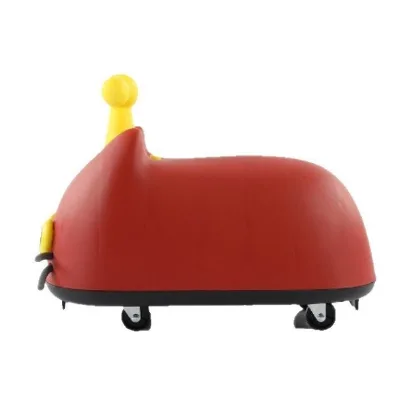
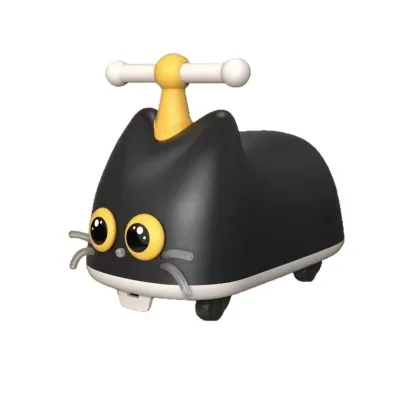
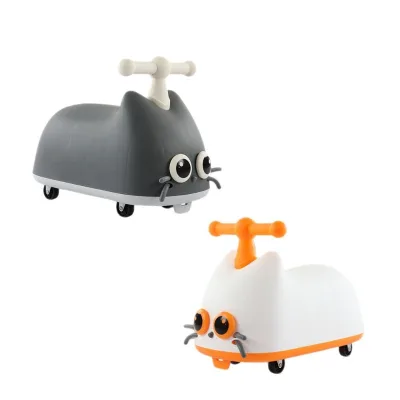
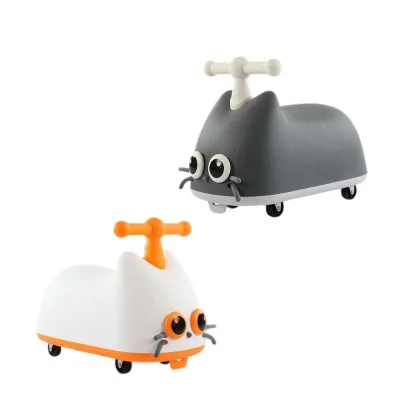
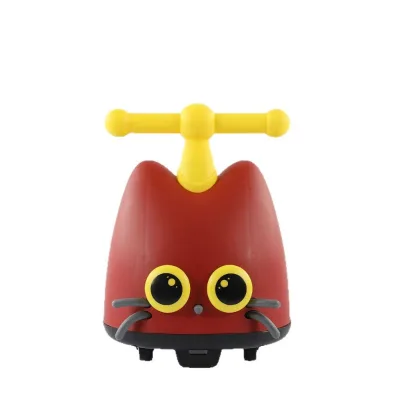
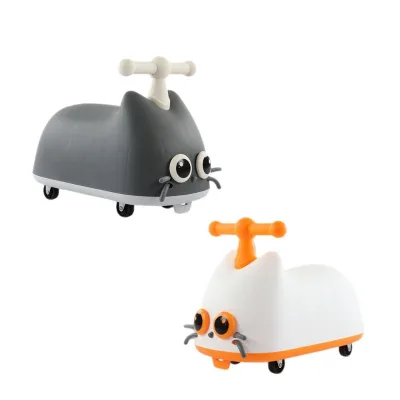
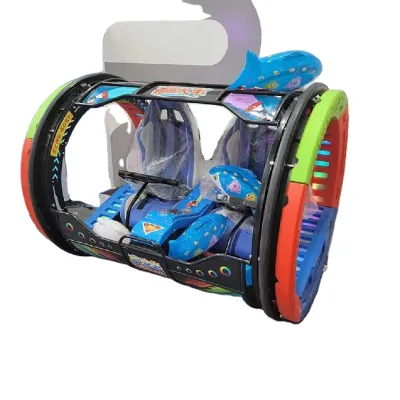


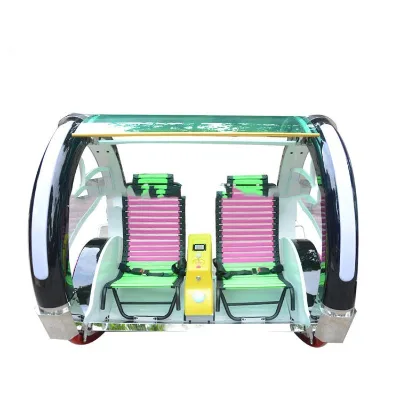


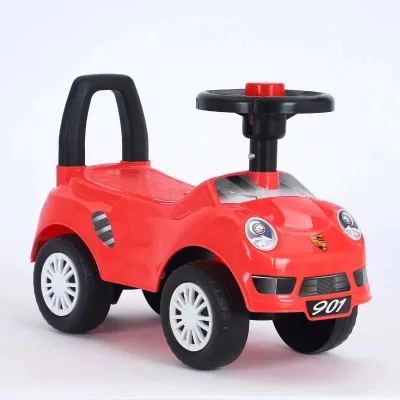
High Quality Children's Balance Bike/Kids Balance Car/Two Wheeled Toy Car
$16.00 - $18.00
MOQ: 50 piece




Comprehensive Sourcing Guide
Anti-Rollover Balance Car Sourcing Guide
Procurement of anti-rollover balance cars requires distinguishing between pedal-operated ride-on toys and electric mobility units, as the supplied data reveals a mix of product types including swing cars and coin pushers. Buyers must carefully verify that the specific unit selected matches the intended age group, as observed listings show conflicting age ranges from under three years to over eight years. This distinction is critical because the structural integrity and speed limits vary significantly between a low-speed plastic toy and a higher-capacity electric vehicle.
Sourcing decisions should prioritize the specific mechanical design features observed in the market, such as the presence of four wheels and specific frame materials like high carbon steel or plastic. The data indicates that some units feature foldable designs while others do not, which directly impacts logistics and storage requirements for the buyer. Understanding these physical attributes ensures that the selected product aligns with the operational environment, whether it is a stationary playground installation or a mobile retail unit requiring transport.
Product Scope and Observed Listing Signals
The market for these vehicles presents a wide variance in pricing, with observed listings ranging from 3.5 to 2000 USD, reflecting differences in material quality and power systems. Buyers must analyze whether the low-cost options are simple plastic ride-ons or if the higher price points include complex electrical components like 110V to 230V voltage systems. This price spread often correlates with the inclusion of advanced safety features, such as specific bearing sets or reinforced handlebars, which are essential for preventing rollovers during operation.
Listing signals also reveal significant diversity in customization options, with some suppliers offering color customization while others provide fixed color palettes like red, black, white, and gray. The minimum order quantities observed range from a single set to 400 units, allowing flexibility for both small retailers and large distributors. However, buyers must verify if the "single item" selling unit applies to the specific configuration they need, as bulk pricing structures may differ for customized colors or specific age-group models.
Technical Specifications to Verify
Technical verification must begin with the maximum speed and load-bearing capacity, as the data indicates speeds under 3.6 km/h for certain models and load capacities exceeding 50 kg for others. Buyers should confirm that the selected unit's speed limit is appropriate for the target age group, ensuring that a vehicle designed for toddlers does not inadvertently exceed safe speeds for older children. The wheel material, observed as plastic or steel, also requires validation to ensure durability against the intended usage surface and frequency.
The structural composition of the vehicle is another critical specification, with observed frames made of steel and handlebars constructed from high carbon steel with argon arc welding. Buyers must verify the presence of specific safety components like seven-ring environmental protection handle covers and front baskets, which contribute to the overall stability and user experience. Additionally, the bearing configuration, noted as five sets in some listings, should be inspected to ensure smooth operation and reduced friction that prevents sudden stops or instability.
Compliance and Safety Documentation
Safety compliance is paramount, with observed listings citing CE certificates as a standard requirement for the products in question. Buyers must request and verify the validity of these certificates to ensure the product meets the necessary safety standards for the target export market. The presence of a CE mark suggests adherence to European safety directives, but it is essential to confirm that the specific model and its electrical components, if any, are covered under the current certification scope.
Beyond general safety marks, documentation regarding the warranty and technical service support should be scrutinized to mitigate long-term operational risks. The data indicates a standard warranty period of 12 months and offers for lifetime technical service, which are vital for maintaining product reliability. Buyers should ensure that the warranty terms explicitly cover structural failures related to rollover prevention and that the technical service language supports English or Chinese communication for efficient troubleshooting.
Cost Drivers and Commercial Terms
Commercial terms are heavily influenced by the supply ability and delivery timelines, with observed monthly supply capacities of 500 sets and delivery times ranging from 7 to 15 working days. Buyers must assess whether the supplier can consistently meet these timelines during peak seasons, as delays can disrupt inventory planning and sales cycles. The port of dispatch, identified as Nansha, also impacts shipping costs and transit times, which should be factored into the total landed cost calculation.
Payment and customization costs are additional drivers that affect the final procurement budget, especially when specific color or feature requests are made. While some listings indicate no minimum order requirement, others suggest a MOQ of 1 set, which may influence the unit price for smaller orders. Buyers should negotiate clearly on whether customization fees apply to color changes or structural modifications, ensuring that the final price reflects the exact specifications required without hidden surcharges.
Supplier Qualification and Quality Control
Supplier qualification should focus on the place of origin and the specific manufacturing capabilities indicated in the product data, with origins noted in Hebei and Guangdong provinces. Buyers must verify that the supplier has a proven track record in producing the specific type of vehicle, whether it is a swing car or a coin pusher, as these require different manufacturing expertise. The presence of specific brand names like Douzan or Yule in the listings suggests established manufacturers, but due diligence is required to confirm their current production status.
Quality control processes must be validated through on-site audits or third-party inspections, focusing on the welding quality of the handlebars and the assembly of the wheel bearings. The data highlights specific construction details like high carbon steel handlebars and five sets of bearings, which are potential points of failure if not manufactured correctly. Buyers should request sample units to test the stability and rollover resistance before committing to a large order, ensuring that the physical product matches the technical specifications provided.
Long-Term Procurement Checks
Long-term procurement success depends on the availability of spare parts and the continuity of the product line, particularly for units with specific electrical or mechanical components. Buyers should confirm that the supplier can provide replacement parts for the five sets of bearings or the specific wheel materials over the lifespan of the product. This ensures that the inventory remains functional and safe, preventing the need for premature replacement of the entire fleet due to minor component failures.
Monitoring the evolution of safety standards and certification requirements is also essential for maintaining compliance in the long term. As regulations change, the CE certificate or other safety marks may need to be updated or re-issued for the same product model. Buyers should establish a communication channel with the supplier to stay informed about any changes in product standards or manufacturing processes that could affect the safety and legality of the anti-rollover balance cars in their market.
FAQs
What is the maximum speed of the Anti-Rollover Balance Car?
The maximum speed is less than 3.6km/h, ensuring safe operation for young children. This low speed limit is designed to prevent accidents during play. The vehicle is suitable for ages 2-4 years, providing a controlled environment for early mobility development without excessive velocity risks.
Can the Anti-Rollover Balance Car be folded for storage?
No, the Anti-Rollover Balance Car is not foldable. It features a fixed structure with four plastic and steel wheels. This rigid design enhances stability and durability for indoor or outdoor use. Buyers should account for the fixed dimensions when planning storage or transportation logistics for the unit.
What certifications does the Anti-Rollover Balance Car have?
The product holds CE certification, confirming compliance with European safety standards. This certificate ensures the toy meets rigorous quality and safety requirements for children's products. Buyers can rely on this documentation for import clearance and market entry in regions requiring CE marked goods for retail distribution.
What is the typical lead time for ordering this balance car?
The delivery time ranges from 7 to 15 working days after order confirmation. This timeframe allows for production and quality checks before dispatch. Buyers should plan their inventory replenishment cycles accordingly to ensure timely availability for retail seasons or promotional events without stockouts.
What is the minimum order quantity for the Anti-Rollover Balance Car?
The minimum order quantity is 1 set with no strict requirement. This low MOQ allows buyers to test market demand with small initial purchases. It reduces financial risk for new retailers or distributors who wish to evaluate product performance before committing to larger bulk orders for their inventory.
What materials are used in the Anti-Rollover Balance Car frame?
The frame is constructed from steel, providing robust structural integrity. The body utilizes plastic components, ensuring lightweight durability. High carbon steel handlebars are argon arc welded for strength. This combination of materials balances safety, longevity, and cost-effectiveness for mass production and long-term use in commercial entertainment settings.