Source Anti-Slip Persian Carpet for Home, Hotel, and Office
Find 30 anti-slip persian carpet options tailored for residential, commercial, and hospitality settings. Compare features like machine washable designs, custom patterns, and various pile materials to select the ideal flooring solution for your specific project requirements.
Key considerations
Products List

Persian Style Anti Slip Printed Carpet Big Carpet for Living Room
$3.35 - $4.50
MOQ: 500 Square Meters

Large Area Printed Persian Carpet and Rug for Living Room 3D Carpet Washable Anti Slip Floor Carpet
$8.90 - $15.90
MOQ: 100 Square Meters


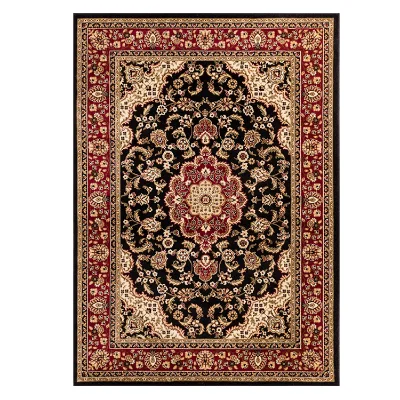


Washable Persian Design 3D Printed Living Room Floor Area Rug Carpet
$2.40 - $2.60
MOQ: 300 Square Meters


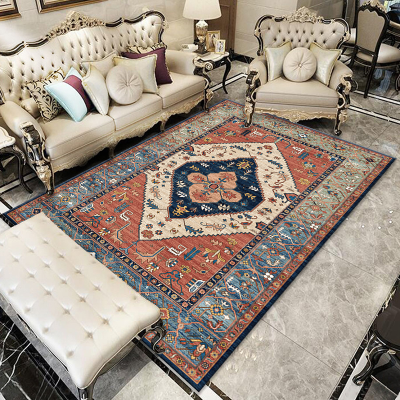
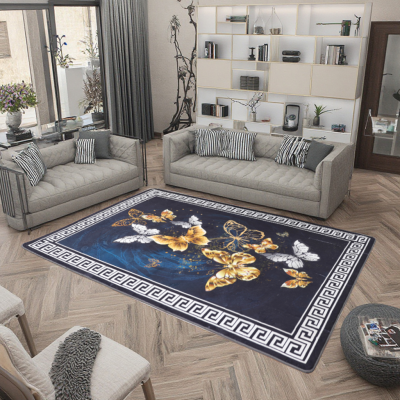
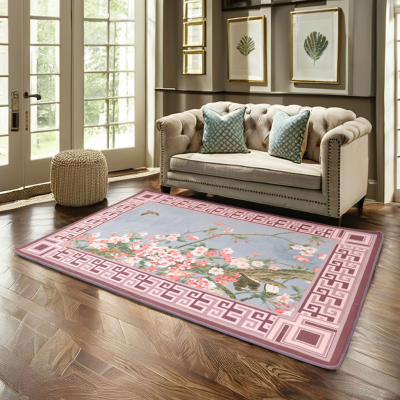


Nordic Style Modern Chenille Room Carpet Persian Carpets for Livingroom
$4.23 - $20.00
MOQ: 1 Square Meters


Muslim Carpet, Carpet Factory, Lightweight Non-Slip Bottom Carpet
$0.50 - $1.00
MOQ: 100 Square Meters


Factory Direct Sale Cheap Machine Made Persian Rugs and Persian Rugs Carpet
$2.48 - $2.98
MOQ: 100 Square Meters

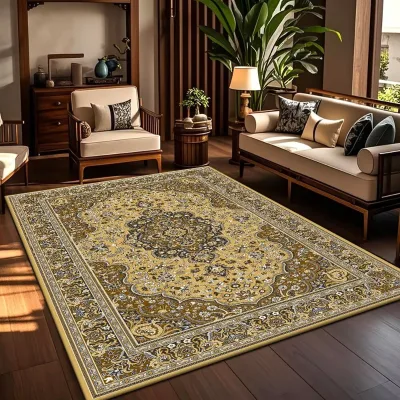

Living Room Carpet Fancy Persian Carpet Is Area Rugs Washable Carpets
$25.00 - $54.00
MOQ: 20 Square Meters

Premium Eco-Friendly Natural Woven Rug Anti Slip Durable Floor Sisal Carpet
$11.49 - $18.32
MOQ: 1 Square Meters
Comprehensive Sourcing Guide
Anti-Slip Persian Carpet Sourcing Guide
Sourcing anti-slip Persian carpets requires a nuanced understanding of the intersection between traditional aesthetic expectations and modern functional safety requirements. Buyers must recognize that the term "Persian" often refers to the visual design language rather than a strict geographic origin, as many contemporary listings originate from manufacturing hubs in China. The core challenge lies in verifying that the decorative appeal of a Persian-style pattern does not compromise the critical anti-slip performance needed for high-traffic commercial or residential environments. Procurement teams should approach this category by distinguishing between carpets that rely solely on visual cues and those engineered with specific backing technologies to prevent movement and slippage.
The procurement landscape for these products is characterized by a wide variance in construction methods, materials, and intended use cases. While some products are marketed as luxury hand-knotted items, others are solution-dyed, machine-washable, or designed for outdoor and commercial use. This diversity means that a single sourcing strategy is insufficient. Buyers must segment their requirements based on whether the priority is aesthetic fidelity, durability under heavy foot traffic, or ease of maintenance. Understanding these distinctions is vital for aligning supplier capabilities with the specific operational needs of the end-user, whether that be a hotel, a home, or a commercial space.
Product Scope and Observed Listing Signals
The current market signals indicate a broad spectrum of product forms, ranging from traditional rectangular rugs to specialized runners and custom shapes. Observed listings highlight a significant presence of printed carpets with Persian designs, often featuring anti-slip backing as a standard or optional feature. These products are frequently described with attributes such as "customized color," "machine washable," and "stain resistant," suggesting a shift toward practical, low-maintenance solutions that retain classic aesthetics. Buyers should note that the term "Persian" is often paired with "Modern" or "Luxury" design tags, indicating that suppliers are blending traditional motifs with contemporary manufacturing techniques to meet diverse interior design trends.
Further analysis of listing signals reveals that material composition varies widely, with blended fibers, wool, polyester, and nylon being common pile materials. Some products are explicitly marketed with antibacterial, anti-mildew, and waterproof treatments, which are critical for applications in bathrooms, hotels, or outdoor settings. The presence of "adhesive protective" features and specific backing types, such as cotton or specialized anti-slip layers, suggests that suppliers are addressing safety concerns directly. However, buyers must be cautious, as not all products labeled with Persian designs will possess the same level of functional performance, particularly regarding slip resistance and fire safety ratings.
Technical Specifications to Verify
When evaluating technical specifications, the thickness and weight of the carpet are primary indicators of quality and durability. Observed data points to a standard thickness of 10mm and a weight of approximately 1100g/Sqm for certain printed variants, while other luxury or hand-knotted options may have pile weights ranging from 4.5 to 8.5 lbs/Sqm. Buyers should verify the construction type, whether it is cut pile, loop pile, or multi-level loop, as this affects both the visual texture and the wear resistance. Additionally, the fineness of the yarn, specified in some listings as 1250d-3000d, provides insight into the softness and density of the carpet, which are crucial for comfort and longevity in high-traffic areas.
The backing system is perhaps the most critical technical aspect for anti-slip performance. Buyers must confirm the type of backing material, such as cotton or specialized rubberized layers, and ensure it is explicitly rated for anti-slip properties. Some listings mention "vertical distance" or strand density, such as ten strands per inch, which can indicate the tightness of the weave or knot. Furthermore, the dyeing method, whether solution-dyed or other techniques, impacts colorfastness and resistance to fading. Verification of these technical details is essential to ensure that the carpet meets the specific performance criteria required for the intended installation environment.
Compliance and Safety Documentation
Safety compliance is non-negotiable for commercial and residential installations, particularly when anti-slip features are claimed. Buyers must request documentation for flame retardant ratings, with some listings indicating a Class B1(C) rating, which is a significant safety benchmark. It is imperative to verify that this certification is valid and applicable to the specific product variant being ordered, as certifications can sometimes be generic rather than product-specific. Additionally, buyers should inquire about any relevant safety standards for slip resistance, such as coefficient of friction tests, to ensure that the anti-slip backing performs as advertised under wet or dry conditions.
Beyond fire safety, hygiene and environmental certifications may be relevant depending on the application. Products marketed with antibacterial and anti-mildew treatments should ideally be supported by test reports or certifications that validate these claims. For international shipments, buyers should also check for compliance with regional standards, such as CE or SGS certifications, which are mentioned in some supplier profiles. Ensuring that all safety and hygiene documentation is up-to-date and verifiable protects the buyer from liability and ensures that the final product meets the regulatory requirements of the destination market.
Cost Drivers and Commercial Terms
The cost of anti-slip Persian carpets is influenced by several key factors, including material composition, construction method, and customization level. Hand-knotted or hand-tufted carpets with wool or high-quality synthetic blends will naturally command higher prices compared to printed, machine-made alternatives. Customization options, such as specific sizes, colors, or patterns, can also impact the unit cost due to the additional labor and setup required. Buyers should be aware that while some listings show low price points, these may correspond to basic, non-customized items with standard specifications, whereas premium features will increase the overall expenditure.
Commercial terms, particularly Minimum Order Quantity (MOQ), vary significantly across suppliers. Observed ranges indicate MOQs from as low as 1 piece to 500 square meters, reflecting the flexibility of different manufacturing models. Direct factory suppliers may offer more competitive pricing and lower MOQs for standard items, while those specializing in OEM/ODM services might require higher volumes to justify custom production runs. Buyers should negotiate terms carefully, considering not just the unit price but also shipping costs, packaging requirements, and payment terms. Understanding the total landed cost is essential for accurate budgeting and ensuring that the procurement aligns with financial constraints.
Supplier Qualification and Quality Control
Supplier qualification is a critical step in mitigating risk, especially when dealing with international manufacturers. Buyers should prioritize suppliers who provide transparent information about their factory location, such as Shandong, China, and who offer OEM/ODM capabilities. Verification of certifications, such as ISO, CE, and SGS, is essential to ensure that the supplier adheres to recognized quality and management standards. Additionally, buyers should assess the supplier’s ability to provide samples before bulk production, allowing for a thorough evaluation of the anti-slip performance, material quality, and aesthetic accuracy.
Quality control processes should be clearly defined and agreed upon before placing orders. Buyers should inquire about the supplier’s internal QC procedures, including inspections for defects in weaving, dyeing, and backing application. For custom orders, it is advisable to establish clear acceptance criteria and potentially engage third-party inspection services for pre-shipment checks. Ensuring that the supplier has a robust quality management system in place helps to minimize the risk of receiving substandard products and ensures consistency across large orders.
Long-Term Procurement Checks
Long-term procurement success depends on establishing a reliable supply chain that can adapt to changing market demands and quality expectations. Buyers should regularly review supplier performance metrics, including on-time delivery rates, product consistency, and responsiveness to issues. Building a relationship with suppliers who offer continuous improvement and innovation in materials and designs can provide a competitive advantage. Additionally, staying informed about industry trends and regulatory changes ensures that the sourced products remain compliant and relevant in the target market.
It is also important to monitor the lifecycle of the products, including maintenance requirements and durability over time. Feedback from end-users can provide valuable insights into the real-world performance of the anti-slip features and overall quality. By maintaining open communication with suppliers and leveraging this feedback, buyers can refine their specifications and requirements for future orders. This proactive approach helps to ensure that the procurement strategy remains aligned with business goals and customer expectations, fostering a sustainable and successful sourcing partnership.
FAQs
What customization options are available for anti-slip persian carpets?
Customization is available for these carpets, allowing buyers to specify designs and patterns. The product supports customized designs with no color restrictions, enabling tailored solutions for specific interior needs or branding requirements.
How thick are the anti-slip persian carpets listed on the page?
The carpets have a thickness of 10mm, providing a substantial feel for floor installation. This dimension is consistent across the observed product specifications for the printed carpet models available in the current listing.
Which certifications do the anti-slip persian carpet manufacturers hold?
The products are certified with ISO, CE, and SGS standards to ensure quality and safety compliance. These certifications verify that the manufacturing processes meet international requirements for materials and production safety.
Can the anti-slip persian carpets be machine washed for maintenance?
Yes, the carpets are machine washable, simplifying cleaning and maintenance for end users. This feature ensures the product remains hygienic and durable even with regular washing in commercial or home environments.
What is the minimum order quantity for anti-slip persian carpets?
The minimum order quantity is 500 square meters for bulk procurement of these items. This threshold applies to the standard ordering process for the blended material carpets with anti-slip backing.
Where are the anti-slip persian carpet factories located?
The factories are located in China, specifically in the Shandong region. This origin indicates the supply chain source for the blended material carpets with printed designs and anti-slip features.
Which materials are used to construct the anti-slip persian carpets?
The pile material consists of a blend of wool, polyester, nylon, and polypropylene. This combination ensures durability and comfort while supporting the anti-slip backing and various design patterns.