Find anti-slip polyurethane self-leveling mortar for floors, walls, and roofs
Source 30 listings of anti-slip polyurethane self-leveling mortar suitable for industrial floors, construction surfaces, and waterproofing applications. Buyers can compare specifications, prices, and certifications across multiple suppliers in China.
Key considerations
Products List


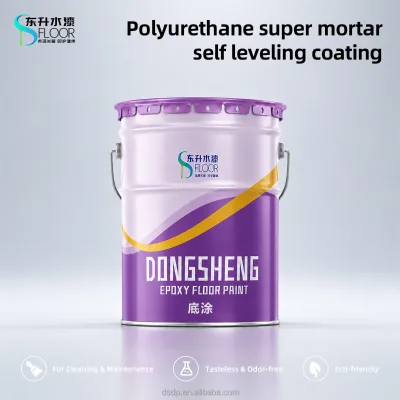
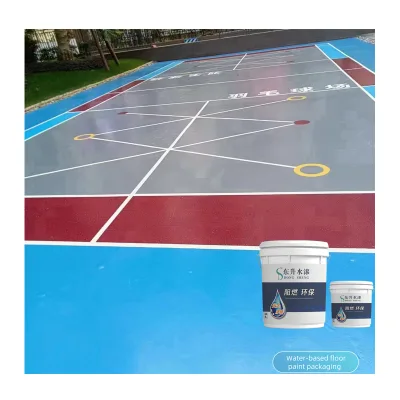


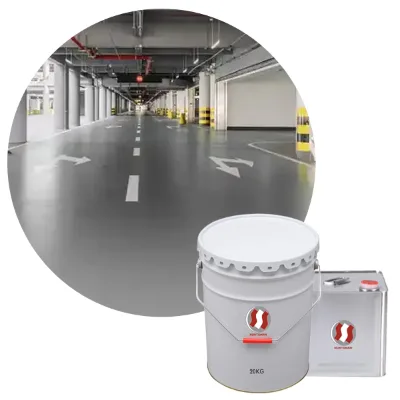
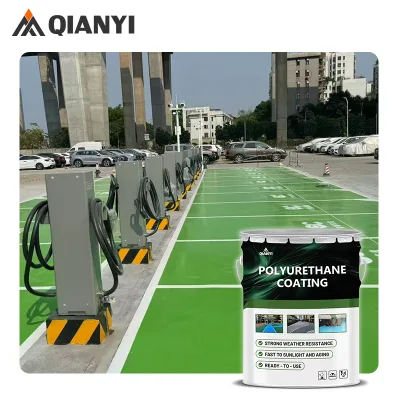
Comprehensive Sourcing Guide
Strategic Sourcing Guide for Anti-Slip Polyurethane Self-Leveling Mortar
Procuring high-performance flooring solutions requires a meticulous understanding of material science, supply chain logistics, and regulatory compliance. For buyers seeking anti-slip polyurethane self-leveling mortar, the market presents a diverse array of formulations, each tailored to specific industrial and commercial environments. This guide synthesizes available product attributes and industry standards to provide a structured approach for evaluating potential suppliers and specifications. The focus remains on evidence-based criteria, ensuring that procurement decisions are grounded in verifiable product data rather than marketing assertions.
Technical Specifications and Material Composition
The foundation of any successful flooring project lies in the precise technical specifications of the chosen mortar. Polyurethane-based systems are distinct from traditional cementitious or epoxy alternatives due to their unique chemical structure and performance characteristics. Based on observed product data, the main raw material for these systems is consistently identified as polyurethane, often combined with solvent components or formulated as water-based emulsions. The morphology of the product can vary significantly; some listings indicate a liquid appearance, while others describe a powder form that is mixed with a liquid component on-site. This variability suggests that buyers must verify the specific application method required for each SKU.
The formation mechanism is a critical technical differentiator. Many high-performance mortars utilize a conversion type mechanism, where the chemical reaction between components creates a durable, cross-linked network. This process is essential for achieving the desired anti-slip properties and structural integrity. The application method is equally vital; while some products are designed for roller application, others are explicitly formulated for brush application or self-leveling pouring. The surface finish is typically smooth, yet the anti-slip functionality is achieved through specific aggregate additions or texturing during the curing phase.
Key performance attributes observed in the market include high hygienic standards, making these products suitable for environments requiring strict cleanliness, such as food processing or healthcare facilities. The color palette is often rich and customizable, with options ranging from standard greys and yellows to bespoke shades. However, the drying time is a significant logistical factor. Observed data indicates a drying time of 24 to 48 hours under normal ambient conditions, with specific floor seam welding operations recommended approximately 24 hours later. The consumption rate is another critical metric, with some formulations requiring approximately 1.2 kg per square meter per millimeter of thickness.
Compliance and Certification Verification
In the global construction and industrial sectors, compliance is not merely a formality but a prerequisite for liability protection and safety assurance. When sourcing polyurethane mortars, buyers must rigorously verify the certification status of the supplier and the specific product batch. The market data reveals a range of certifications, including ISO, RoHS, CE, CCC, and GMPC. The presence of ISO and RoHS certifications suggests adherence to international quality management and environmental safety standards, while CE and CCC indicate compliance with European and Chinese market regulations, respectively. GMPC certification is particularly relevant for products intended for use in environments with high hygiene requirements.
It is imperative to note that certification status is not uniform across all listed products. A specific model may carry a full suite of certifications, while another might only hold ISO or RoHS. Therefore, procurement teams must request current, valid certificates for the exact product model being considered. Relying on general supplier claims without verifying the specific model's documentation can lead to compliance gaps. Furthermore, the product standard, such as the 20KG/bag or 20kg packaging specification, often serves as a proxy for the manufacturing consistency and quality control processes employed by the supplier.
Buyers should also be aware of the geographical origin of the product, as this can influence the applicable regulatory framework. Products originating from China, specifically from regions like Dongguan, Tianjin, and Shandong, are common in the global market. While these regions have robust manufacturing capabilities, the specific local standards and export compliance measures must be cross-referenced with the destination country's regulations. The absence of a specific standard like EN 17460 in the provided data does not imply non-compliance but rather highlights the need for buyers to explicitly request confirmation of such standards if they are critical to their project specifications.
Cost Drivers and Pricing Dynamics
Understanding the cost structure of polyurethane self-leveling mortar is essential for budgeting and negotiation. The observed price range in the market spans from $0.36 to $400 USD, a wide variance that reflects differences in product concentration, packaging size, and formulation complexity. The lower end of the spectrum likely corresponds to smaller sample sizes, basic formulations, or bulk raw material pricing, while the higher end may represent specialized, high-performance kits with comprehensive packaging and additional additives.
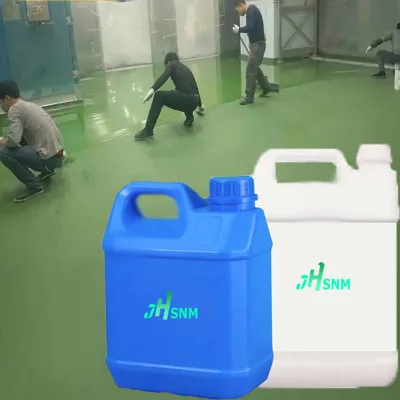
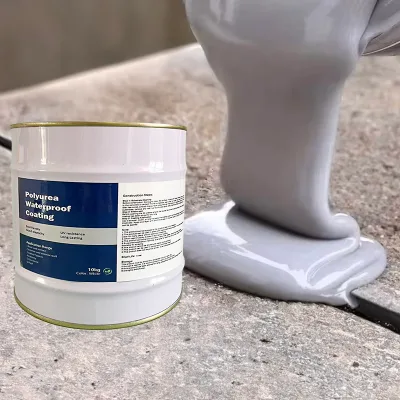
Packaging is a significant cost driver. Products are available in various formats, including bags, buckets, barrels, and pallets. The standard packaging often involves a 20kg bag or a 20L bucket, but some advanced systems come as a two-component set (A+B) totaling 25kg per kit. The choice of packaging affects not only the unit price but also the shipping efficiency and on-site handling costs. For instance, palletized shipping is more efficient for large orders, whereas bucket packaging might be preferred for smaller, localized projects.
The Minimum Order Quantity (MOQ) also plays a pivotal role in the total cost of ownership. The observed MOQ range is from 1 to 2000 units, with specific products requiring a minimum of 200kg. High MOQs can lead to economies of scale, reducing the per-unit cost, but they also increase inventory holding costs and financial risk for the buyer. Conversely, low MOQs offer flexibility but may come with a premium per unit. Buyers must balance their project volume requirements with their cash flow constraints to determine the optimal order size. Additionally, the shipping method, typically sea freight for bulk orders, adds another layer of cost consideration that varies based on distance, fuel surcharges, and port fees.
Typical Applications and Performance Requirements
The versatility of polyurethane self-leveling mortar makes it suitable for a wide range of applications, primarily driven by its anti-slip and chemical resistance properties. The primary application is identified as floor surface coating, which encompasses industrial warehouses, commercial retail spaces, and manufacturing plants. The high resistance to low and high temperatures is a key feature that allows these mortars to perform in environments with extreme thermal fluctuations, such as cold storage facilities or areas near heavy machinery.
The anti-slip characteristic is particularly valuable in areas prone to wet conditions or where chemical spills are a risk. The product's ability to resist penetration ensures that the floor remains clean and safe over time, reducing the risk of accidents and the need for frequent deep cleaning. In construction applications, the bonding function of these mortars can be structural, providing a durable base for subsequent flooring layers or serving as a standalone finish. The consumption rate of 1.2 kg/m² per mm thickness allows for precise calculation of material needs, ensuring that the final floor thickness meets the design specifications without unnecessary waste.
Furthermore, the customizable nature of the product allows for tailored solutions. Buyers can request specific colors to match corporate branding or safety color codes, and the available customization options extend to the drying time and application method. This flexibility is crucial for projects with tight deadlines or unique site conditions. The high hygienic rating of the product makes it an ideal choice for facilities where sanitation is paramount, such as pharmaceutical manufacturing or food processing plants, where the floor must withstand rigorous cleaning protocols without degrading.
Supplier Evaluation and Quality Control
Selecting the right supplier is as critical as selecting the right product. A robust supplier evaluation process should begin with a thorough review of the supplier's track record, production capacity, and quality control systems. Buyers should verify the supplier's ability to meet the specific technical requirements of the project, including the exact product model, packaging, and certification status. The origin of the product, whether from Dongguan, Tianjin, or Shandong, should be confirmed, as regional differences can impact quality consistency and logistics.
Quality control measures must be integrated into the procurement process. This includes requesting pre-shipment samples for testing, verifying the consistency of the product's appearance and morphology, and ensuring that the drying time and consumption rates match the stated specifications. The open time of the product, noted as less than 20 minutes for some formulations, requires careful planning during application to ensure proper leveling and bonding. Buyers should also inquire about the supplier's procedures for handling defects, returns, and warranty claims.
Transparency in the supply chain is another vital aspect. Suppliers should provide clear documentation regarding the raw materials used, the manufacturing process, and the testing results. The presence of certifications like ISO and RoHS should be validated through official channels. Additionally, the supplier's ability to provide technical support during the installation phase is a key differentiator. A supplier that offers detailed application guides and on-site assistance can significantly reduce the risk of installation errors and ensure the longevity of the flooring system.
Long-Term Procurement Considerations
Sourcing polyurethane self-leveling mortar is not a one-time transaction but a long-term partnership that requires strategic planning. Buyers should consider the lifecycle costs of the flooring, including maintenance, repair, and replacement. The high resistance to temperature extremes and chemical penetration suggests a long service life, but the actual longevity depends on the quality of the installation and the environmental conditions of the facility.
Inventory management is another critical factor. Given the drying time of 24 to 48 hours and the specific application requirements, buyers must ensure a steady supply of materials to avoid project delays. The MOQ and lead time should be aligned with the project schedule to prevent stockouts or overstocking. The shipping method, typically sea freight, requires careful planning to account for potential delays in transit.
Finally, buyers should stay informed about emerging trends and technological advancements in the polyurethane flooring industry. As regulations evolve and new materials become available, the procurement strategy must be adaptable. Regular reviews of supplier performance and product specifications will help ensure that the chosen flooring system continues to meet the evolving needs of the facility. By maintaining a proactive approach to procurement, buyers can secure a reliable supply of high-quality anti-slip polyurethane self-leveling mortar that delivers consistent performance and value over the long term.
FAQs
What is the main raw material for anti-slip polyurethane self-leveling mortar?
The main raw material is polyurethane, often combined with solvent components or formulated as water-based emulsions. Some products appear as liquid while others are powder mixed on-site, requiring verification of the specific application method for each SKU.
How long does the drying time take for this mortar under normal conditions?
Drying typically takes 24 to 48 hours under normal ambient conditions. Floor seam welding operations are recommended to be performed approximately 24 hours after the initial application to ensure proper bonding and structural integrity.
Which certifications are commonly available for these polyurethane mortar products?
Common certifications include ISO, RoHS, CE, CCC, and GMPC. Buyers must verify the specific model's documentation as certification status varies, with some models holding a full suite while others may only have ISO or RoHS.
Can buyers customize the color and application method for this mortar?
Yes, customization is available for rich colors and specific application methods like roller or brush. The product offers customizable options to match corporate branding or safety codes, though the specific drying time and method depend on the selected formulation.
What is the typical consumption rate per square meter for this mortar?
The consumption rate is approximately 1.2 kg per square meter per millimeter of thickness. This metric allows for precise calculation of material needs to ensure the final floor thickness meets design specifications without unnecessary waste.
Where are the primary manufacturing origins for these polyurethane mortars?
Primary origins include China, specifically regions like Dongguan, Tianjin, and Shandong. While these regions have robust manufacturing capabilities, buyers should confirm the specific local standards and export compliance measures applicable to their destination country.
How does the packaging format affect the cost and shipping of the mortar?
Packaging formats include bags, buckets, barrels, and pallets, with standards like 20kg bags or 25kg two-component kits. The choice of packaging impacts unit price and shipping efficiency, with palletized shipping being more cost-effective for large orders.