Source Anti Slip PVC Floor Mat for Home Hotel Bath
Compare 30 Anti Slip PVC Floor Mat options from Jiangsu suppliers with thickness ranging from 6mm to 10mm. Buyers can evaluate customization, backing materials, and cleaning features for commercial and residential use; compare the available evidence and request quotations based on your requirements.
Key considerations
Products List


Entrance Door Mat Waterproof Anti Slip PVC Coil Loop Plastic Floor Mat
$3.99 - $4.99
MOQ: 500 Square Meters


Entrance Door Mat Waterproof Anti Slip PVC Coil Loop Plastic Floor Mat
$3.99 - $4.99
MOQ: 500 Square Meters


PVC Office Chair Mat for Carpeted Floors Waterproof Floor Mat Anti Slip Chair Mat
$5.29 - $7.99
MOQ: 500 Square Meters


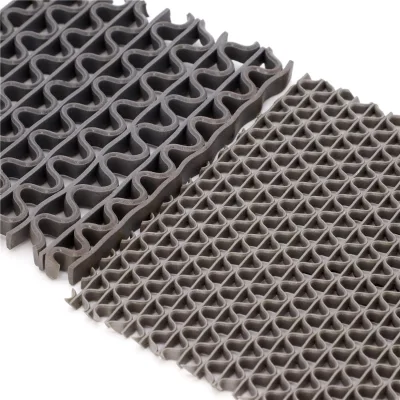


Custom Floor Mat PVC S Type Mat PVC Flooring Non-Slip S Mat PVC Kitchen Mat for Swimming Pool
$2.50 - $5.50
MOQ: 300 Square Meters


Comprehensive Sourcing Guide
Anti Slip PVC Floor Mat Sourcing Guide
Procurement teams must first distinguish between the diverse product forms available in the current market, ranging from standard rectangular mats to continuous coil options. The observed listings indicate a strong presence of products utilizing needle-punched or looped technics, which directly influence the final texture and durability of the floor covering. Buyers should verify whether the specific unit requires a foam, firm, or spike backing, as these variations dictate the appropriate application environment for both commercial and residential settings.
A critical initial decision involves selecting the correct surface material and thickness profile to match the intended traffic load. While some listings specify a 6mm or 8mm thickness, others offer 10mm options with backing thicknesses ranging from 0.8mm to 2mm, necessitating a clear definition of performance requirements before ordering. The surface material is frequently identified as polyester or chemical fiber, which impacts the cleaning method and the overall weight per square meter, factors that must be aligned with the logistical capabilities of the receiving facility.
Product Scope and Observed Listing Signals
The market for anti-slip PVC floor mats demonstrates significant variability in standard dimensions, with common sizes including 50x80cm, 40x60cm, and 60x90cm, though customization is widely available. Buyers should note that some suppliers offer coil mats with lengths of 9m, 12m, or 15m, which are suitable for large-scale commercial installations where seamless coverage is preferred over individual mat placement. This flexibility in size and form factor allows for tailored solutions that can accommodate specific architectural layouts or high-traffic zones without the need for complex cutting or joining procedures.
Observations of product features reveal a strong emphasis on functional attributes such as waterproofing, stain resistance, and anti-slip performance, which are essential for environments like hotels, bathrooms, and commercial lobbies. The listed usage scenarios extend from home decoration to heavy-duty commercial applications, indicating that the product category spans a wide spectrum of quality and durability expectations. Procurement professionals must carefully review the specific feature set of each listing to ensure the selected mat meets the safety and maintenance standards required for the specific installation location.
Technical Specifications to Verify
Verification of the surface weight and total weight per square meter is essential for determining the structural integrity and slip resistance of the mat. The observed data suggests a surface weight range of 400g/Sqm to 700g/Sqm, with total weights varying from 1.8kg/Sqm to 6kg/Sqm depending on the backing and density. Buyers must confirm these metrics against their specific load-bearing requirements, as heavier mats generally offer superior stability and durability in high-traffic areas, while lighter options may be more suitable for temporary or low-impact applications.
The backing material and thickness are equally critical technical parameters that influence the mat's ability to adhere to the floor and resist movement. Listings indicate the use of PVC backing with thicknesses between 0.8mm and 2mm, alongside options for foam, firm, or spike backings. It is imperative to validate that the chosen backing configuration aligns with the floor surface type and the expected environmental conditions, ensuring that the mat remains securely in place and provides the necessary cushioning or grip for the intended use case.
Compliance and Safety Documentation
While specific certification documents are not explicitly detailed in the provided listings, the presence of REACH background knowledge suggests that compliance with chemical safety regulations is a relevant consideration for European markets. Buyers should request explicit documentation confirming that the PVC and chemical fiber materials used in the mats meet local safety standards for volatile organic compounds and other hazardous substances. This verification is particularly important for products intended for use in hospitality, healthcare, or residential settings where occupant health and safety are paramount concerns.
Safety documentation must also address the anti-slip performance claims, which are a primary selling point for this product category. Although specific test results are not listed, procurement teams should demand evidence of slip resistance ratings, such as DIN 51130 or similar regional standards, to validate the product's ability to prevent accidents in wet or oily conditions. Ensuring that the supplier can provide third-party test reports or a clear statement of compliance with relevant safety standards is a necessary step before finalizing any large-scale purchase order.
Cost Drivers and Commercial Terms
The pricing structure for anti-slip PVC floor mats is influenced by several key variables, including the total weight, surface material composition, and the complexity of the customization requested. The observed price range of 0.34 to 7.99 USD reflects the diversity of product specifications, from basic chemical fiber mats to heavier, more durable units with specialized backings. Buyers must understand that higher weight per square meter and custom dimensions or colors will typically command a premium price, necessitating a clear budget allocation based on the specific technical requirements of the project.
Commercial terms regarding minimum order quantities and payment methods are critical factors that impact the overall cost and feasibility of the procurement. Listings indicate MOQs ranging from 500 square meters to 3000 units, with payment options typically including TT or LC. Procurement teams should negotiate these terms carefully, considering the lead time of approximately 15 days and the packaging requirements, which vary from plastic bags to woven bags or cartons, to ensure that the total landed cost aligns with the project budget and logistical constraints.
Supplier Qualification and Quality Control
Supplier qualification should focus on verifying the origin and production capabilities, as the majority of observed listings originate from Jiangsu, China, a known hub for textile and flooring manufacturing. Buyers must assess the supplier's capacity to maintain consistent quality across large production runs, particularly when dealing with custom sizes, colors, or specific backing configurations. Establishing a clear communication channel for quality assurance is essential, as the variability in product attributes like thickness and surface weight requires rigorous oversight to prevent discrepancies between the ordered specifications and the delivered goods.
Quality control protocols must include a detailed inspection of the product form, ensuring that the mats are free from defects such as uneven stitching, inconsistent coloring, or backing delamination. The observed use of PP woven bags and plastic bags for packing suggests that proper handling and protection during transit are standard practices, but buyers should still specify packaging requirements to prevent damage. Implementing a pre-shipment inspection process or requesting sample approval before mass production can significantly reduce the risk of receiving substandard products that fail to meet the required anti-slip and durability standards.
Long-Term Procurement Checks
Long-term procurement success depends on establishing a reliable supply chain that can consistently deliver products meeting the evolving needs of the business. Buyers should monitor the supplier's ability to maintain the specified thickness, weight, and material composition over time, as these factors directly impact the longevity and performance of the floor mats in the field. Regular audits of the production process and quality control measures are recommended to ensure that the supplier continues to adhere to the agreed-upon standards and can scale production to meet future demand without compromising quality.
Maintenance and cleaning requirements must also be factored into the long-term procurement strategy, as the observed cleaning methods range from hand washing to waterproof and stain-resistant treatments. Procurement teams should verify that the selected mats align with the facility's existing maintenance protocols to avoid unnecessary costs or operational disruptions. By maintaining a clear record of product specifications and performance history, buyers can make informed decisions regarding future reorders and ensure that the anti-slip PVC floor mats continue to provide the necessary safety and aesthetic benefits over their intended lifespan.
FAQs
What materials are used in these anti slip pvc floor mats?
The mats primarily use plastic and chemical fiber materials, with a polyester surface and PVC backing. This combination ensures durability and comfort. The surface weight ranges from 400g/Sqm to 700g/Sqm, while the total weight varies from 1.8kg/Sqm to 6kg/Sqm. These materials support various thicknesses, including 6mm, 8mm, and 10mm options for different usage scenarios.
Can I customize the size and color of the Anti Slip PVC Floor Mat?
Yes, customization is available for both size and color. Standard sizes include 40*60cm, 50*80cm, and 60*90cm, but custom dimensions are also offered. Any color can be selected to match your decor. The product features a modern design and is suitable for home, commercial, or hotel use. Customization allows you to tailor the mat to specific spatial requirements.
What is the minimum order quantity for anti slip pvc floor mats?
The minimum order quantity varies, with some listings starting at 1 unit and others requiring up to 3000 units. Specific bulk orders may have an MOQ of 500 Sqm. Buyers should check individual supplier requirements as quantities depend on the specific product model and customization needs. Flexible MOQs allow for both small trial orders and large commercial purchases.
How should I clean and maintain the Anti Slip PVC Floor Mat?
Maintenance is straightforward, with options for hand washing or utilizing the mat's waterproof and stain-resistant properties. The surface material is designed to resist stains, making cleaning easy. For deeper care, hand washing is recommended to preserve the material integrity. The anti-slip feature remains effective with proper care, ensuring safety in bathrooms, hotels, and commercial areas over time.
What are the available backing options for the Anti Slip PVC Floor Mat?
Several backing types are available, including foam, firm, spike, or no backing options. The standard backing thickness ranges from 0.8mm to 2mm. These options allow you to choose the appropriate grip and comfort level for your specific installation location. The backing works in conjunction with the PVC and polyester materials to provide stability and durability on various floor surfaces.
What is the typical delivery time for anti slip pvc floor mats?
The typical delivery time is approximately 15 days for standard orders. This timeline allows for production and quality checks before shipment. Payment terms usually include TT or LC. Buyers should confirm specific lead times with suppliers, as customization or large volume orders may affect the schedule. Early planning ensures timely installation for commercial or residential projects.