Source Halloween Pumpkin Lantern with Blower for Festivals
Find 30 Halloween Pumpkin Lantern with Blower options for holiday decorations, outdoor events, and themed parties. Compare specifications like power supply, material, and certifications to select the right lighting solution for your seasonal needs; compare the available evidence and request quotations based on your requirements.
Key considerations
Products List


Halloween Sets of Lanterns, Halloween Paper Lanterns, Hanging Lantern Pumpkin
$0.50 - $0.60
MOQ: 2000 Pieces

Paper Pumpkin Lantern Paper Hanging Fun Halloween Party Props Decoration
$0.20 - $0.40
MOQ: 1000 Pieces


Battery Powered Halloween Indoor and Outdoor Decorations, Pumpkin Lantern Toys
$1.45 - $2.98
MOQ: 300 Pieces


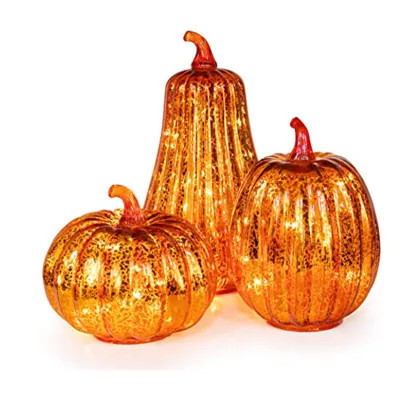
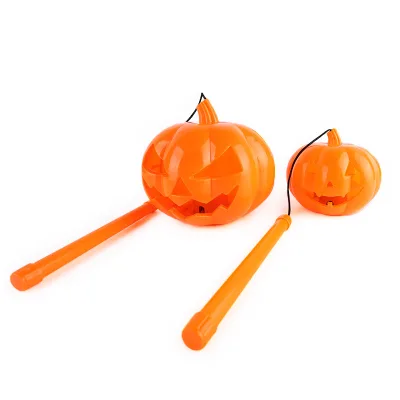
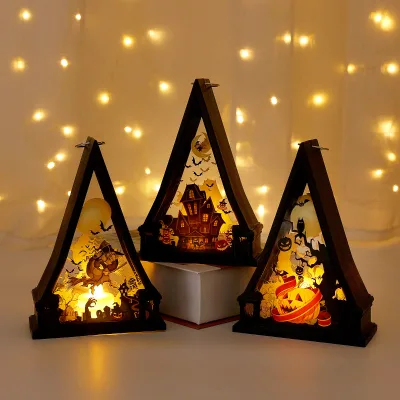

CCFL34 Waterproof Silk Lantern Halloween Theme Park Pumpkin Lantern Festival
$1999.00 - $4599.00
MOQ: 1 Pieces

High Quality Halloween Pumpkin Lantern Ghost Halloween Witch Festival Lantern
$900.00 - $2000.00
MOQ: 1 Pieces


Silk Lantern Halloween Decoration Witch's Hand Lantern Costomized Festival Lantern
$900.00 - $2000.00
MOQ: 1 Pieces

Comprehensive Sourcing Guide
Halloween Pumpkin Lantern with Blower Sourcing Guide
Procuring Halloween pumpkin lanterns with integrated blowers requires distinguishing between static decorative units and dynamic inflatables that rely on air pressure for shape retention. The supplied data indicates a diverse product range including festival and landscaping applications, with power sources spanning battery, USB, solar, and electric options. Buyers must verify whether the specific listing supports the high airflow requirements typical of blower-driven inflatables, as standard LED string lights or static lanterns do not necessitate this component. The presence of "Electric" power sources and "24V~220V" voltage ranges in the catalog suggests that many units are designed for grid connection, which is critical for maintaining the structural integrity of large outdoor displays during Halloween events.
When evaluating listings, procurement teams should scrutinize the distinction between simple illuminated pumpkins and those explicitly designed with blower mechanisms. The observed product attributes highlight "Festival" and "Halloween" as primary usage scenarios, yet the technical specifications vary significantly between rigid plastic models and flexible silk or metal-framed structures. A blower system introduces specific failure points, such as motor overheating or air leakage, which are not present in standard static lighting. Therefore, buyers must confirm that the product description explicitly mentions air circulation capabilities or blower integration, rather than assuming all Halloween-themed lanterns in the catalog possess this functionality.
Product Scope and Observed Listing Signals
The market data reveals a wide spectrum of product models, ranging from specific identifiers like RY-GS18 to custom-coded entries such as 20250902-006, indicating a highly fragmented supply chain. While some items are described with "Silk" materials and "Hand Made" attributes, others utilize "Plastic" outer materials or "Iron or Al Frame" structures, suggesting that the term "pumpkin lantern" covers both rigid and soft-shell designs. Buyers must carefully map these material differences to their specific event needs, as plastic units may offer better weather resistance for outdoor landscaping, whereas silk or fabric options might be preferred for indoor or temporary religious activities. The "Customizable" nature of the LED number and outer material allows for tailored solutions, but this flexibility often complicates the verification of blower compatibility.
Listing signals regarding packaging and dimensions provide critical clues about the intended scale and logistics of the purchase. The catalog lists standards ranging from 2 meters to 500 centimeters, with packaging options including "Normal Carton," "PE Bubble," and "Wooden Case." Large-scale inflatables requiring blowers typically demand robust wooden cases to prevent damage during transit, whereas smaller decorative units may suffice with standard cartons. The "200cm" and "500cm" standard sizes suggest that some products are designed for significant visual impact, which aligns with the high air volume requirements of blower systems. Procurement teams should prioritize listings that explicitly state dimensions and packaging types suitable for large, air-filled structures to avoid logistical failures upon delivery.
Technical Specifications to Verify
Verifying the power supply and voltage compatibility is the first critical step in sourcing blower-integrated lanterns, as the system must support both the lighting and the air pump simultaneously. The observed voltage range of "24V~220V" indicates that some units are designed for direct mains connection, while others may require adapters or specific transformers. Buyers must confirm that the blower motor is rated for continuous operation, as Halloween events often run for extended periods. The "Electric" power source and "Standard" plug types listed in the data suggest that many products are ready for immediate use, but the specific wattage of the blower component must be checked to ensure it does not overload the circuit or the internal power supply of the lantern.
Lifespan and durability metrics are essential for ensuring the product survives the rigors of outdoor deployment. The catalog cites lifespans ranging from 10,000 hours to 30,000 hours for the LED components, but the mechanical lifespan of the blower motor is a separate concern. Buyers should request specific data on the blower's operational hours and resistance to wind or debris, as these factors are not always captured in general LED lifespan claims. The "1 Year" warranty mentioned in the data provides a baseline for protection, but it is crucial to clarify whether this warranty covers the blower motor specifically. Additionally, the "Customizable" LED count and "Standard" 2m or 5m configurations must be aligned with the physical size of the blower to ensure proper inflation and stability.
Compliance and Safety Documentation
Safety compliance is paramount when sourcing electrical products that combine lighting and mechanical air movement, particularly for outdoor Halloween use. The observed certifications include CE, RoHS, EMC, LVD, VDE, SAA, FDA, GS, CCC, FCC, and ISO, which collectively cover electrical safety, electromagnetic compatibility, and material restrictions. Buyers must verify that the specific blower unit holds the necessary certifications for the target market, as the "Standard" plug type may not be sufficient if the product lacks proper grounding or insulation for high-power motors. The presence of multiple certification types suggests a robust supply chain, but each product model must be individually validated to ensure the blower component meets local safety standards.
Documentation regarding material safety and fire resistance is equally critical for Halloween decorations that may be placed near dry foliage or indoor decorations. The "Plastic" and "Silk" materials listed must be treated with flame-retardant chemicals to meet safety regulations, especially given the proximity of the blower motor to the fabric or plastic shell. Buyers should request test reports confirming that the materials comply with relevant fire safety standards, as the heat generated by the blower motor could pose a risk if the surrounding material is not properly rated. The "1 Year" warranty and "Customizable" nature of the products imply that suppliers are willing to adjust specifications, but this should not come at the expense of safety compliance. Ensuring that all components, including the blower, are certified for the intended environment is a non-negotiable requirement for responsible procurement.
Cost Drivers and Commercial Terms
The price range observed in the market, spanning from $0.20 to $4,888, reflects the vast difference between small decorative items and large, complex inflatables with integrated blowers. The high-end prices likely correspond to units with custom sizes, advanced blower systems, and premium materials like "Silk" or "Metal" frames, while lower prices may indicate basic static lanterns or smaller models. Buyers must understand that the cost of the blower motor, its power consumption, and the durability of the housing significantly impact the final price. The "Customizable" nature of the LED number and size allows for cost optimization, but complex customizations often increase the unit price and the minimum order quantity (MOQ).
Commercial terms such as MOQ and lead time are critical factors in the procurement strategy for Halloween products, which are often time-sensitive. The observed MOQ range of 1 to 3,000 units suggests that suppliers cater to both small retailers and large distributors, but the specific MOQ for blower-integrated units may be higher due to the complexity of the assembly. Lead times vary from 15 to 50 days, with some entries specifying 15-20 days, indicating that production schedules can be tight. Buyers should plan their orders well in advance to account for potential delays, especially if custom specifications are required. The "Normal Carton" and "Wooden Case" packaging options also influence shipping costs, with larger, heavier units requiring more robust and expensive packaging solutions.
Supplier Qualification and Quality Control
Supplier qualification should focus on verifying the manufacturer's ability to produce complex electromechanical products that integrate lighting and air movement systems. The presence of diverse product models and certifications suggests a capable supply base, but buyers must ensure that the specific supplier has experience with blower technology and can provide consistent quality control. The "Hand Made" attribute for some items indicates a reliance on manual labor, which can introduce variability in the assembly of the blower and lighting components. Buyers should request samples to test the blower's performance, noise levels, and durability under simulated outdoor conditions before committing to a large order.
Quality control protocols must address the specific risks associated with blower systems, such as motor failure, air leakage, and electrical shorts. The "1 Year" warranty and "Customizable" options suggest that suppliers are confident in their products, but buyers should implement rigorous inspection procedures to verify that the blower operates correctly at the specified voltage and power levels. The "Standard" plug and "Electric" power source requirements must be met consistently across all units in the order. Additionally, the "Inner Package" options, including "OPP" and "Customizable" packaging, should be evaluated to ensure that the blower and its components are protected during transit. A comprehensive quality control plan that includes pre-shipment testing of the blower function is essential to minimize the risk of returns and customer dissatisfaction.
Long-Term Procurement Checks
Establishing a long-term relationship with suppliers requires a focus on consistency, scalability, and the ability to adapt to changing market demands. The "Customizable" nature of the products and the wide range of models suggest that suppliers are flexible, but buyers must ensure that this flexibility does not compromise quality or lead times. Regular audits of the supplier's production processes and quality control measures are necessary to maintain high standards, especially for products with complex components like blowers. The "1 Year" warranty provides a baseline for support, but long-term contracts should include provisions for extended warranties or rapid replacement of defective units to ensure business continuity.
Market trends and seasonal demand fluctuations must be monitored to optimize inventory levels and procurement timing. The "Festival" and "Halloween" usage scenarios indicate that demand is highly seasonal, with peak orders occurring in the months leading up to the holiday. Buyers should plan their orders to align with the supplier's lead times, which range from 15 to 50 days, to avoid stockouts during the critical sales period. The "Customized" and "OEM/ODM" capabilities of the suppliers offer opportunities for branding and product differentiation, but these services require careful management to ensure that the final product meets the buyer's specifications. By maintaining open communication and regular performance reviews, buyers can build a resilient supply chain that supports their long-term growth in the Halloween decoration market.
FAQs
What power options are available for these lanterns?
These lanterns support multiple power sources including battery, USB, solar, and electric options. This flexibility allows buyers to choose the most suitable energy source for their specific application, whether for indoor displays or outdoor landscaping events. The customizable LED number and power settings under 6W ensure efficient operation for various festival and holiday decoration needs.
Can I customize the LED count and packaging?
Yes, customization is available for both the LED number and inner packaging. Buyers can specify the exact number of LEDs required for their design, with standards like 2m 20leds or 5m 50leds. Inner packaging can be selected as OPP or customized to meet specific shipping and protection requirements, ensuring the product arrives safely for resale or installation.
What certifications do these products hold?
The products hold a comprehensive range of certifications including CE, RoHS, EMC, LVD, VDE, SAA, FDA, GS, CCC, FCC, and ISO. These certifications ensure compliance with international safety and environmental standards, making the lanterns suitable for global distribution. Buyers can rely on these documented credentials for regulatory clearance in various target markets.
What is the typical lead time for orders?
The typical lead time ranges from 15 to 20 days, with delivery times extending up to 50 days depending on order volume and logistics. This timeframe allows for production and quality checks before shipment. Buyers should plan their inventory accordingly to ensure timely arrival for specific occasions like Halloween or Christmas, considering the standard carton or wooden case packing options.
Are these lanterns suitable for outdoor use?
Yes, these lanterns are designed for both indoor and outdoor applications, including landscaping and outdoor activities. The durable materials, such as plastic outer layers and iron or aluminum frames, provide stability in various environments. With a lifespan of up to 30,000 hours and electric illumination, they offer reliable performance for holiday decorations and religious activities in diverse settings.
What materials are used in the construction?
The lanterns are constructed using various materials including plastic, silk, and metal frames. The outer material is typically plastic, while some models feature silk or metal crusts for aesthetic appeal. The frame can be made of iron or aluminum, providing structural integrity. These material choices ensure durability and visual quality suitable for festival, holiday, and religious decoration purposes.