Source Anti Varicose Veins Venous Patch for Leg Care, Vein Support, and Skin Health
Find and compare 30 Anti Varicose Veins Venous Patch options from Chinese manufacturers. Evaluate herbal cream and cloth-based patches for external leg use, checking certifications like ISO and CE, material compositions, and customization availability for your sourcing needs.
Key considerations
Products List
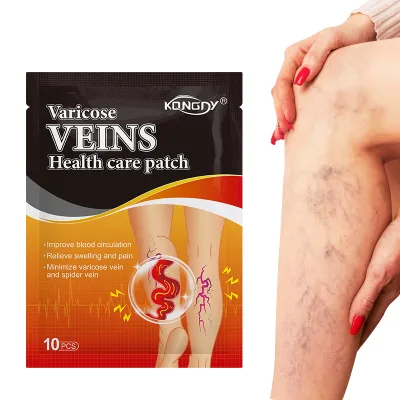
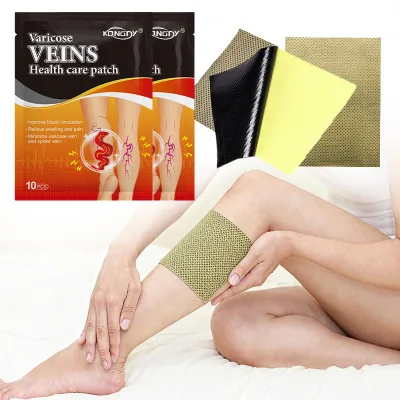


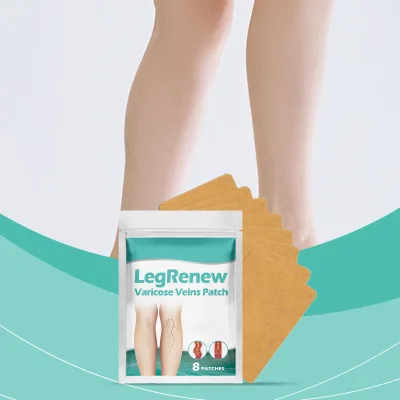
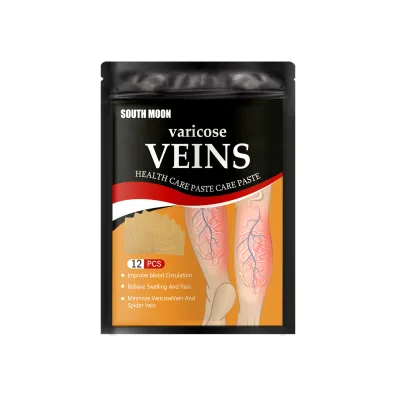
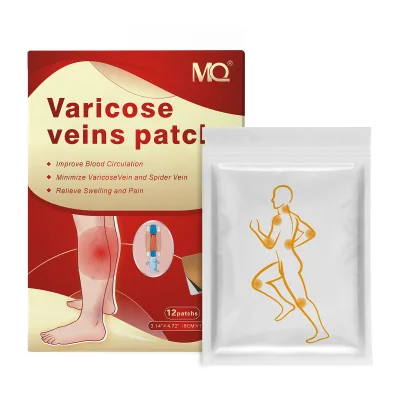
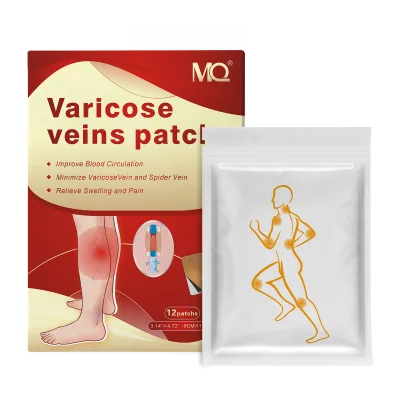
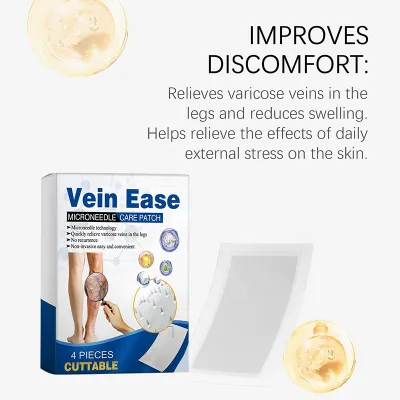
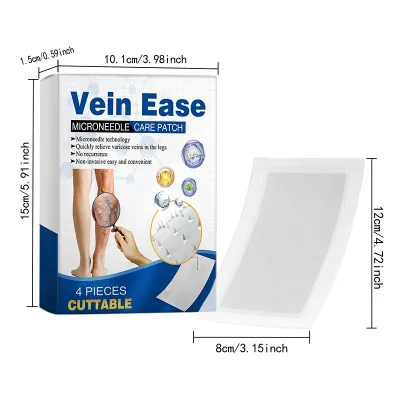
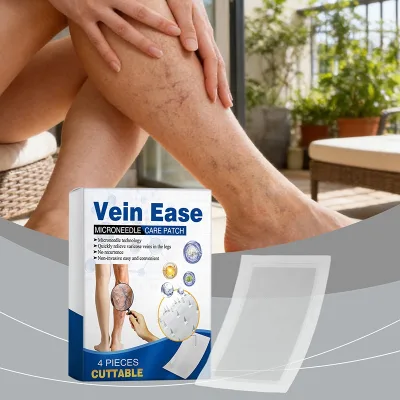

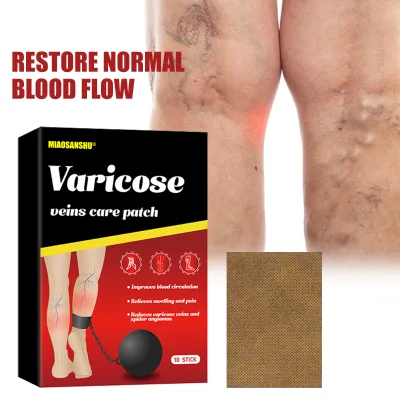
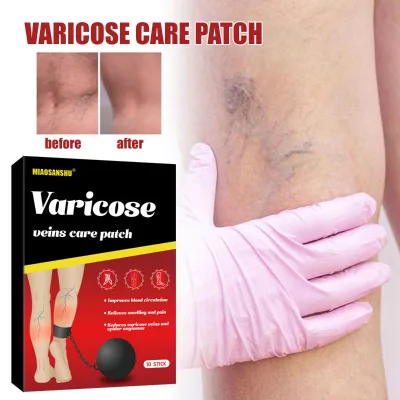
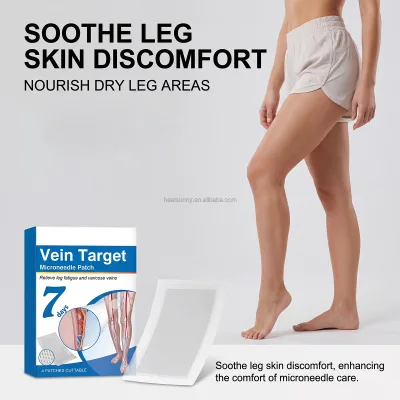
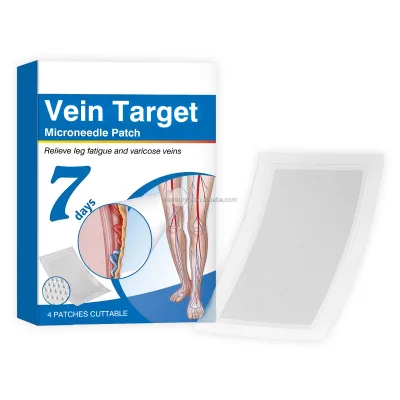
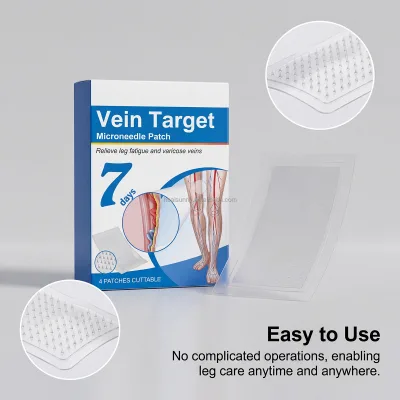


Comprehensive Sourcing Guide
Anti Varicose Veins Venous Patch Sourcing Guide
Procuring anti varicose veins venous patches requires a nuanced understanding of the intersection between traditional herbal remedies and modern transdermal delivery systems. These products are typically marketed as health care services or external use patches designed to improve blood circulation and minimize the appearance of spider veins and varicose veins. Buyers must distinguish between cosmetic claims and therapeutic assertions, ensuring that the sourcing strategy aligns with the regulatory classification of the product in the target market. The observed market signals indicate a diverse range of formulations, from herbal creams to cloth-based patches, necessitating a rigorous verification process to identify suppliers who can deliver consistent quality and safety.
The sourcing landscape for these patches is characterized by significant variability in material composition, packaging, and customization options. Suppliers often offer OEM services, allowing buyers to tailor the product to specific brand identities, including custom sizing and packaging configurations. However, this flexibility introduces complexity in quality control, as the underlying herbal extracts and adhesive properties must meet strict standards to ensure efficacy and user safety. Buyers should focus on suppliers who provide transparent documentation regarding their manufacturing processes and raw material sources, particularly given the natural and herbal nature of the active ingredients.
Product Scope and Observed Listing Signals
The product scope for anti varicose veins venous patches encompasses a variety of formats, including creams, patches, and specialized health care product services. Observed listings indicate that the primary application is for leg treatment, with specific focus on minimizing varicose veins and improving blood circulation. The materials used range from non-woven fabric infused with natural Chinese herbal extracts to cloth-based compositions, highlighting the importance of verifying the substrate and adhesive quality. Buyers should note that while some products are described as having no side effects, the presence of herbal ingredients requires careful assessment of potential allergic reactions or skin sensitivities.
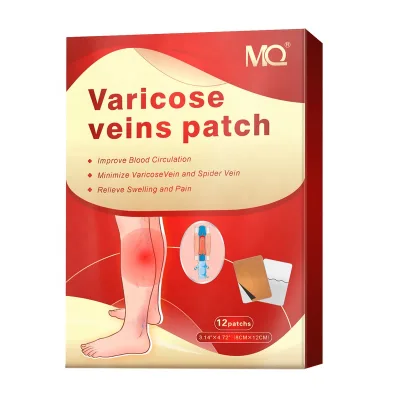
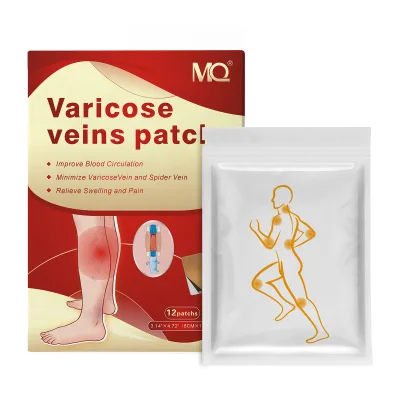
Listing signals also reveal a strong emphasis on customization and OEM capabilities, with suppliers offering flexible packaging options such as eight pieces per bag or twelve patches per box. The observed product attributes include features like being disposable, safe for external use, and suitable for all skin types, although these claims must be validated through independent testing. The size specifications vary, with some products measuring 7x10 cm, while others offer custom sizing based on customer requirements. This variability underscores the need for buyers to clearly define their product specifications and packaging preferences before engaging with suppliers to avoid misalignment in production.
Technical Specifications to Verify
Technical verification begins with the material composition and physical dimensions of the patches. Buyers must confirm whether the product is made from non-woven fabric, cloth, or other materials, and ensure that the herbal extracts are evenly distributed and stable over the shelf life. The single package size and gross weight are critical for logistics planning, with observed values indicating a compact footprint and lightweight design. Additionally, the model numbers and standard specifications provided by suppliers should be cross-referenced with internal quality requirements to ensure compatibility with existing supply chain processes.
The efficacy and functional claims of the patches, such as minimizing spider veins and improving blood circulation, require substantiation through clinical or laboratory data. Buyers should request detailed information on the concentration of herbal ingredients and the mechanism of action, as these factors directly impact the product's performance. Furthermore, the usage mode, which is typically for external use, must be clearly communicated to end-users to prevent misuse. Verification of the product's nature, such as whether it is classified as a health care product service, is essential for regulatory compliance and accurate market positioning.
Compliance and Safety Documentation
Compliance with international standards is paramount when sourcing anti varicose veins venous patches, particularly given their classification as health care products. Buyers must verify that suppliers hold relevant quality certifications, such as ISO and CE, which indicate adherence to manufacturing and safety standards. The presence of MSDS documentation is also crucial, as it provides essential information on the handling, storage, and potential hazards associated with the herbal ingredients. These certifications serve as a baseline for supplier qualification, but buyers should also inquire about additional testing protocols, such as dermatological safety assessments, to ensure user safety.
Regulatory compliance extends beyond certifications to include accurate labeling and marketing claims. Buyers must ensure that the product packaging and promotional materials do not make unsupported medical claims, as this can lead to regulatory penalties and reputational damage. The observed product attributes, such as "safe" and "no side effect," must be backed by robust evidence to withstand scrutiny from regulatory bodies. Additionally, buyers should verify that the supplier's production facilities comply with Good Manufacturing Practices (GMP) to minimize the risk of contamination and ensure product consistency.
Cost Drivers and Commercial Terms
Cost drivers for anti varicose veins venous patches include the quality of raw materials, the complexity of the manufacturing process, and the level of customization required. Herbal extracts, particularly those sourced from natural ingredients, can vary significantly in price based on origin and purity. Buyers should also consider the cost implications of packaging options, such as custom boxes or bags, which can add to the overall unit cost. The observed MOQ ranges from 3 to 1500 pieces, offering flexibility for small-scale buyers, but larger orders may benefit from economies of scale.
Commercial terms, including payment methods, lead times, and shipping arrangements, should be clearly defined in the purchase agreement. Buyers should negotiate favorable terms that align with their cash flow requirements and inventory management strategies. The observed customization availability suggests that suppliers are willing to accommodate specific requests, but this may impact production timelines and costs. It is essential to establish clear communication channels with suppliers to address any issues that may arise during production or delivery, ensuring a smooth procurement process.
Supplier Qualification and Quality Control
Supplier qualification involves a thorough assessment of the supplier's manufacturing capabilities, quality control systems, and track record. Buyers should request samples to evaluate the product's physical attributes, such as texture, adhesive strength, and herbal scent, as well as its packaging integrity. The observed product attributes, such as the brand name and model numbers, can be used to verify the supplier's identity and product lineage. Additionally, buyers should conduct on-site audits or third-party inspections to assess the supplier's compliance with quality standards and ethical labor practices.
Quality control measures should be implemented throughout the production process, from raw material sourcing to final packaging. Buyers should establish clear acceptance criteria for product quality, including specifications for size, weight, and herbal content. Regular quality checks and batch testing can help identify and address any deviations from the agreed-upon standards. Furthermore, buyers should maintain open communication with suppliers to address any quality issues promptly and implement corrective actions to prevent recurrence.
Long-Term Procurement Checks
Long-term procurement success depends on continuous monitoring of supplier performance and market trends. Buyers should establish key performance indicators (KPIs) to track supplier reliability, product quality, and cost efficiency. Regular reviews of supplier performance can help identify areas for improvement and foster a collaborative relationship. Additionally, buyers should stay informed about regulatory changes and market developments that may impact the sourcing strategy, such as new certification requirements or shifts in consumer preferences.
Building a resilient supply chain involves diversifying suppliers and developing contingency plans for potential disruptions. Buyers should identify alternative suppliers who can meet their quality and cost requirements, reducing dependency on a single source. Furthermore, buyers should invest in relationship management to strengthen partnerships with key suppliers, ensuring mutual trust and commitment. By proactively addressing potential risks and opportunities, buyers can secure a stable and competitive supply of anti varicose veins venous patches for their market.
FAQs
What materials are used in these varicose vein patches?
The patches are primarily made from non-woven fabric and cloth, infused with natural Chinese herbal extracts. Some variants use herbal materials directly, while others rely on the cloth base for application. The composition is designed for external use on the legs, ensuring the herbal ingredients are delivered effectively to the targeted area for circulation support.
Can I customize the packaging for bulk orders?
Yes, customization is available for bulk purchases. Suppliers offer OEM packaging options, allowing you to tailor the box design and quantity per pack. Standard packing might include 8 pieces per bag or 12 patches per box, but you can negotiate specific quantities and branding to meet your market requirements and distribution needs.
What certifications do these herbal patches hold?
These products typically hold ISO quality certifications and MSDS documentation. Some variants also carry CE certification, indicating compliance with relevant safety standards. These certifications help verify the quality and safety of the herbal extracts and the manufacturing process, providing assurance for international buyers and regulatory compliance in various markets.
What is the typical shelf life of these patches?
The standard shelf life for these varicose vein patches is two years. This duration ensures the herbal extracts remain effective during storage. Buyers should check the production date on the packaging to ensure freshness, especially when ordering large quantities or planning for long-term inventory management and distribution schedules.
Are these patches suitable for all skin types?
Yes, these patches are designed for all skin types. They are intended for external use on the legs to help minimize spider veins and improve blood circulation. The herbal formulation is generally safe, with features highlighting no side effects, making them suitable for a wide range of users seeking health care product services for vein care.
What is the minimum order quantity for these patches?
The minimum order quantity varies, typically ranging from 3 to 1500 pieces depending on the supplier and customization level. Some suppliers may require a minimum of 50 pieces or allow negotiation. This flexibility allows buyers to start with smaller test orders or scale up quickly based on market demand and inventory requirements.