Source anti-wrinkle polyester cotton halter dress for Daily Wear, Party Events, and Leisure Outings
Find 28 listings for the anti-wrinkle polyester cotton halter dress suitable for daily wear, parties, and leisure. Buyers can compare specifications like length, pattern, and customization options to identify the best fit for their needs.
Key considerations
Products List


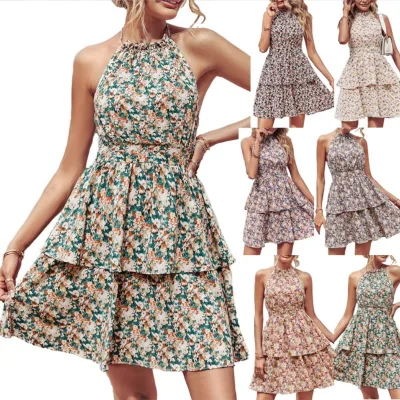
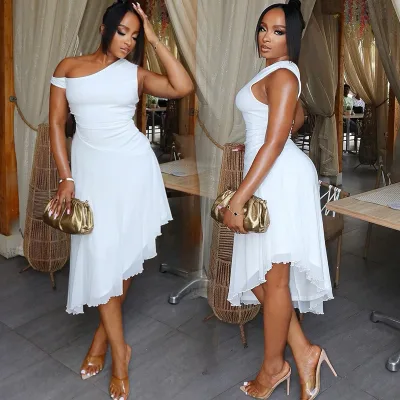
Comprehensive Sourcing Guide
Strategic Sourcing Guide for Anti-Wrinkle Polyester Cotton Halter Dresses
The global B2B market for women's apparel continues to demand garments that balance aesthetic versatility with functional durability. Among the most sought-after categories is the anti-wrinkle polyester cotton halter dress, a product that merges the breathability of natural fibers with the structural resilience of synthetics. For procurement professionals, sourcing this specific item requires a nuanced understanding of material blends, manufacturing techniques, and supply chain logistics. This guide provides a comprehensive framework for evaluating suppliers and products, ensuring that the final procurement aligns with quality standards and operational efficiency.
Material Composition and Technical Specifications
The core of the anti-wrinkle polyester cotton halter dress lies in its material composition. While the specific blend ratio is often a proprietary secret of the manufacturer, the presence of polyester is critical for the "anti-wrinkle" claim, as synthetic fibers resist creasing better than pure cotton. Conversely, cotton provides the necessary comfort and moisture absorption. In the context of the observed product data, specific listings indicate "Polyester" and "Cotton" as distinct material attributes, suggesting that buyers must verify the exact percentage of each fiber to ensure the desired performance characteristics.
Technical specifications for these garments often include specific production models such as BSNX1021, BSNX1045, and BSNX1046. These model numbers serve as unique identifiers for distinct cuts, fabric weights, and finishing treatments. The "Automated Cutting" technique observed in the supply chain indicates a high level of precision in pattern making, which is essential for maintaining the structural integrity of the halter neckline and the flared skirt shape. Buyers should request detailed fabric specifications, including GSM (grams per square meter), to confirm that the fabric weight is sufficient to prevent transparency while remaining lightweight for summer wear.
Furthermore, the "Skirt Shape" is a critical technical differentiator. Data points highlight a "360° Flared (Natural Drape)" design, which requires specific cutting patterns to achieve the desired volume without excessive bulk. The "Soft Curve" neckline is another technical specification that demands precise sewing techniques to ensure the halter straps remain secure and comfortable. When evaluating a supplier, procurement teams should verify that the automated cutting machinery is calibrated for the specific fabric blend, as polyester-cotton mixes can behave differently than pure fibers during the cutting process.
Compliance, Certification, and Standard Verification
In the B2B apparel sector, compliance is not merely a regulatory requirement but a marker of reliability. The observed product data mentions a "customized" standard, which implies that suppliers may tailor their production standards to meet specific buyer requirements rather than adhering to a single universal norm. However, this flexibility necessitates rigorous verification by the buyer. Procurement teams must explicitly request documentation regarding safety standards, particularly for chemical usage in dyeing and finishing processes.
The "prod_standard" field in the data shows dimensions like "40303.5" and "30305," which likely refer to packaging or storage specifications rather than garment quality standards. Buyers should not assume these dimensions apply to the product itself. Instead, they must verify adherence to international textile standards such as ISO 9001 for quality management or specific regional safety regulations like REACH in Europe or CPSIA in the United States. The "Professional Dry Clean Only" care instruction observed in some listings suggests a high-end finish or specific fabric treatment that may require specialized cleaning agents, which could impact the end-user experience.
Certification checks should extend beyond the fabric to the entire supply chain. Since the "prod_origin" is listed as China and the city as Zhejiang, buyers should be aware of the manufacturing ecosystem in this region. Zhejiang is a major hub for textile production, but it is also subject to varying levels of regulatory enforcement. Buyers should request third-party audit reports to ensure that labor practices and environmental regulations are being met. The "Customization" and "OEM" (Original Equipment Manufacturer) attributes indicate that the supplier is capable of private labeling, but this also means the buyer assumes responsibility for ensuring that the final product meets their specific compliance requirements.
Cost Drivers and Pricing Dynamics
Understanding the cost structure of anti-wrinkle polyester cotton halter dresses is essential for budgeting and negotiation. The observed price range of 0.5 to 45.25 USD reflects a wide spectrum of product quality, from basic bulk items to premium, intricately designed garments. Several factors drive these costs. First, the material blend is a primary cost driver; a higher percentage of high-quality cotton or specialized anti-wrinkle treatments will increase the unit price. Second, the "Automated Cutting" technology, while efficient, requires significant capital investment, which may be reflected in the pricing structure.
The Minimum Order Quantity (MOQ) is another critical cost factor. The data shows an MOQ range of 10 to 500 units, with one specific listing indicating an MOQ of 10,000. This discrepancy highlights the importance of aligning order volume with supplier capacity. Suppliers with high MOQs often offer lower unit prices due to economies of scale, but they require larger capital outlays. Conversely, suppliers with lower MOQs provide flexibility for startups or small businesses but may charge a premium per unit.
Packaging costs also influence the final price. The data lists "OPP," "OPP Bag," "Cardboard Box," and generic "Package" as options. Custom packaging, such as branded cardboard boxes, adds to the cost but enhances the product's marketability. Buyers should factor in the cost of these packaging options when calculating the total landed cost. Additionally, the "Supply Type" being an "in-Stock Item" suggests that immediate availability may come at a premium compared to made-to-order production, which could offer cost savings but requires longer lead times.
Typical Applications and Market Segmentation
The versatility of the anti-wrinkle polyester cotton halter dress makes it suitable for a diverse range of applications. The "Season" attribute, listed as "Summer" and "Spring/Summer," confirms its primary use in warmer climates. The "Style" attributes, including "Leisure," "Sexy," and "Loose," indicate that these dresses are marketed towards consumers seeking both comfort and fashion-forward designs. The "Occasion" tags of "Daily" and "Party" suggest that the product can transition from casual wear to social events, making it a high-demand item for retailers targeting a broad demographic.
The "Age Group" is specified as "Adults," which narrows the target market to mature consumers who value quality and fit. The "Suitable for: Home" attribute is interesting and may indicate that these dresses are designed for relaxed, at-home wear, or it could be a misclassification in the data that buyers should verify. The "Pattern" attributes, such as "Letters" and "Classic Polka Dots," further define the aesthetic appeal, catering to specific fashion trends.
For B2B buyers, understanding these applications is crucial for inventory planning. Retailers focusing on casual wear should prioritize the "Leisure" and "Daily" styles, while those targeting evening wear should look for the "Sexy" and "Party" variations. The "Long" and "Short" length options allow for segmentation based on regional preferences and body types. Buyers should analyze their customer base to determine which styles and lengths will yield the highest turnover.
Supplier Evaluation and Operational Capabilities
Selecting the right supplier is the most critical step in the procurement process. The data indicates that suppliers are located in Zhejiang, China, a region known for its textile expertise. However, location alone is not a guarantee of quality. Buyers should evaluate suppliers based on their "Customization" capabilities, "OEM" status, and "Supply Type." A supplier offering "Custom Logo" and "Customization" services is likely more flexible and capable of meeting unique brand requirements.
The "Automated Cutting" technique is a strong indicator of a supplier's technological maturity. This method ensures consistency in sizing and reduces material waste, which is beneficial for both cost control and environmental sustainability. Buyers should request samples to verify the precision of the cutting and the quality of the stitching. The "prod_packing" options, ranging from simple OPP bags to cardboard boxes, also reflect the supplier's attention to detail and ability to handle different order requirements.
When evaluating suppliers, buyers should also consider their response to the "Standard" field. The presence of "customized" standards suggests that the supplier is willing to adapt to buyer specifications. However, buyers must ensure that these customizations do not compromise the product's integrity. A reliable supplier will have a robust quality control system in place to ensure that custom orders meet the agreed-upon specifications.
Quality Control and Long-Term Procurement Strategy
Maintaining consistent quality is paramount in the apparel industry. The "Care Instructions" of "Professional Dry Clean Only" suggest that the fabric may be delicate or treated with chemicals that require special handling. Buyers should implement a rigorous quality control protocol that includes pre-shipment inspections to verify that the garments meet the specified standards. This includes checking for defects in the "360° Flared" skirt, the "Soft Curve" neckline, and the overall fit.
Long-term procurement considerations involve building a sustainable relationship with suppliers. The "in-Stock Item" status offers immediate gratification, but for long-term growth, buyers should consider establishing a partnership with suppliers who can manage larger volumes and offer consistent lead times. The "MOQ" of 10,000 for some items suggests that scaling up production may require a shift to a different supplier or a negotiation of terms with the current one.
Buyers should also monitor the "prod_model" variations to ensure that the product line remains relevant. The existence of multiple models like "Strapless Dress-088X" and "Casual Dress-026M" indicates a diverse product portfolio. A strategic approach involves diversifying the supplier base to mitigate risks associated with supply chain disruptions. By maintaining a relationship with multiple suppliers, buyers can ensure a steady flow of inventory and adapt quickly to changing market demands.
Conclusion
Sourcing anti-wrinkle polyester cotton halter dresses requires a strategic approach that balances technical specifications, compliance, cost, and supplier capabilities. By leveraging the observed data and applying rigorous evaluation criteria, procurement professionals can identify suppliers that deliver high-quality products aligned with their business goals. The key lies in verifying material blends, ensuring compliance with safety standards, and establishing a robust quality control framework. With the right strategy, buyers can secure a reliable supply of these versatile garments, meeting the demands of a dynamic and competitive market.
FAQs
Can I request a custom logo on these dresses?
Yes, custom logo acceptance is available for these garments. Buyers can specify branding details to be applied during the automated cutting and sewing process, ensuring the final product aligns with their brand identity.
What is the minimum order quantity for these items?
The minimum order quantity ranges from 10 to 500 units, with some specific listings requiring 10,000 units. Buyers should verify the exact MOQ for each product model to ensure it fits their inventory planning.
Which materials are used for these dresses?
The dresses are constructed from cotton and polyester materials. These fibers are selected to balance comfort with the anti-wrinkle properties required for summer wear and daily occasions.
How are these dresses packed for shipment?
Packaging options include OPP bags, cardboard boxes, and generic packages. The specific packing method depends on the product model and buyer requirements, with some items requiring professional dry cleaning care.
What is the production location for these garments?
These items originate from Zhejiang, China. This region is a known hub for textile production, offering access to automated cutting techniques and various customization services for international buyers.
Can these dresses be customized for specific styles?
Yes, customization is available for various styles including leisure, sexy, and loose fits. Buyers can select from different lengths, necklines, and skirt shapes to match their specific market demands.