Source Antioxidant Lonicera Japonica Extract for food, medicine, and cosmetics
Compare 30 listings of Antioxidant Lonicera Japonica Extract from suppliers in China. Buyers can review specifications like chlorogenic acid content, extraction methods, and packaging options for health food, medicine, and cosmetic applications.
Key considerations
Products List
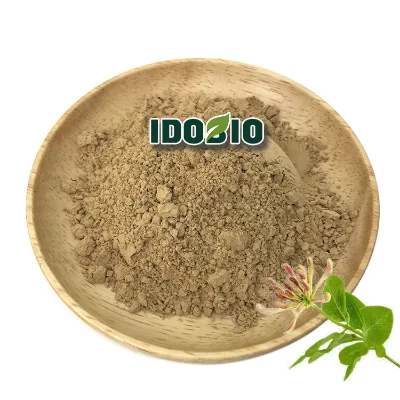


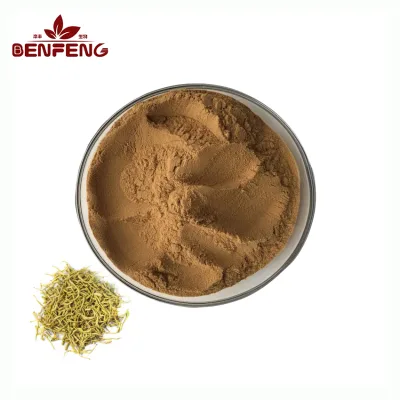


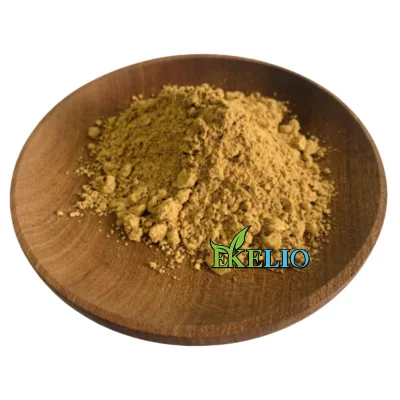
Plant Lonicera Japonica Extract Chlorogenic Acid Powder Honeysuckle Flower Extract Powder
$10.24 - $12.28
MOQ: 1 kilograms
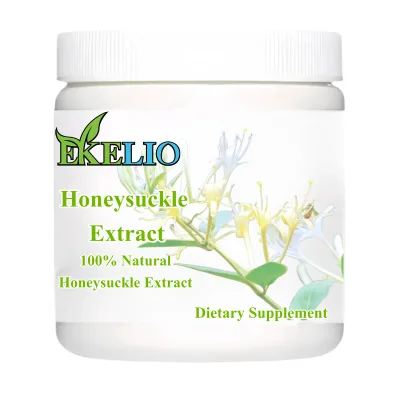




Comprehensive Sourcing Guide
Strategic Sourcing Guide for Antioxidant Lonicera Japonica Extract
Understanding the Botanical Source and Core Attributes
Lonicera Japonica, commonly known as honeysuckle, is a widely recognized botanical source in the global health and wellness supply chain. For buyers seeking an antioxidant-rich extract, the primary active component of interest is typically chlorogenic acid. This compound is responsible for the significant antioxidant properties that drive demand in the functional food, dietary supplement, and cosmetic sectors. The raw material for these extracts is derived specifically from the flower part of the plant, which is often cultivated through artificial planting methods to ensure consistent supply and quality control.
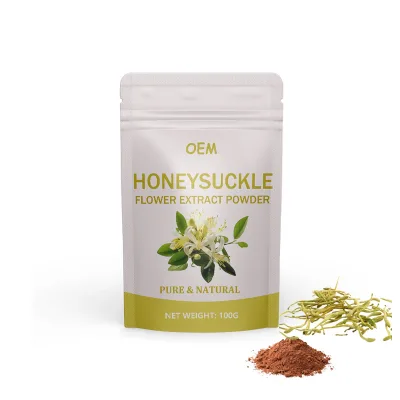
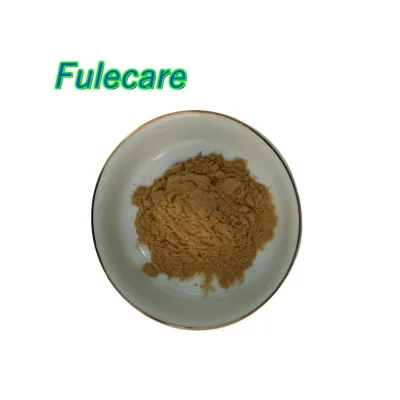
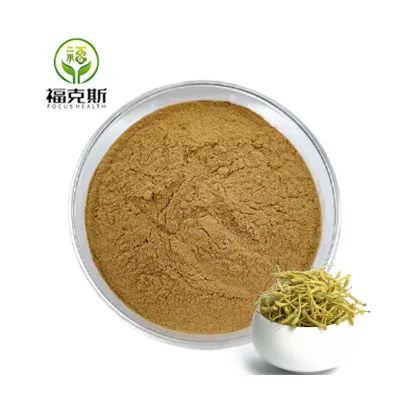
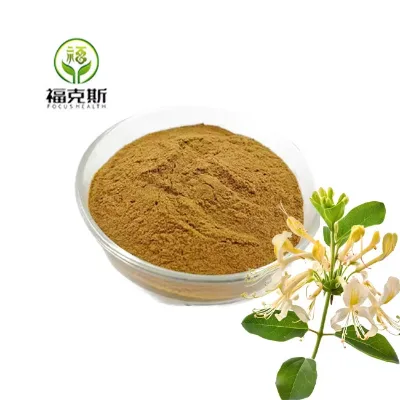
When evaluating product listings, buyers will encounter various descriptions of the physical form. The extract is predominantly available as a powder, with observed appearances ranging from light yellow to brown or brown-yellow hues. This variation in color can depend on the specific extraction parameters and the concentration of active ingredients. The extraction process generally utilizes solvent extraction methods, employing solvents such as ethanol and water to isolate the desired phytochemicals. The resulting product is often categorized under the generic name "Honeysuckle Extract" or more specifically as "Lonicera Japonica Flower Extract."
The botanical identity is critical for verification. The Latin name Lonicera Japonica Thunb serves as the definitive taxonomic reference. Buyers must ensure that the supplier explicitly links the product to this specific species to avoid confusion with other botanical varieties. The part used is consistently the flower, though some listings may refer to the stipites (stems) depending on the specific formulation or regional naming conventions. Understanding these botanical nuances is the first step in establishing a precise procurement specification that aligns with the intended application.
Technical Specifications and Analytical Standards
The technical profile of Lonicera Japonica extract is defined by several key specifications that determine its suitability for manufacturing. The most critical parameter is the concentration of active ingredients, specifically chlorogenic acid. Market observations indicate a wide range of specifications, with some products offering concentrations as low as 5% and others reaching up to 98%. Additionally, extraction ratios such as 10:1 are common, indicating the amount of raw material required to produce one unit of extract. These numerical values are not universal; they vary by supplier and specific product model.
Analytical methods are essential for verifying these specifications. The industry standard for testing chlorogenic acid content includes High-Performance Liquid Chromatography (HPLC) and Ultraviolet (UV) spectroscopy. A reliable supplier should provide test results generated via these methods to confirm the assay values. The CAS number 223749-79-9 is often associated with the active compound, serving as a chemical identifier. However, buyers should verify that the test report explicitly matches the product batch to the claimed specifications.
Packaging and physical form are also part of the technical specification. The product is typically supplied in drums, with a standard weight of 25 kilograms per drum. Alternative packaging options, such as 1 kg bags, are available for smaller orders or sample requests. The shelf life of the extract is generally observed to be around two years when stored under appropriate conditions. The supply ability of manufacturers can vary, with some capable of providing up to 5000 kilograms per month, which is a crucial metric for large-scale procurement planning.
| Specification Parameter | Observed Range / Common Value | Verification Method |
|---|---|---|
| Active Ingredient | Chlorogenic Acid 5% - 98% | HPLC, UV |
| Extraction Ratio | 10:1 (Common) | Certificate of Analysis |
| Physical Form | Powder (Light Yellow to Brown) | Visual Inspection |
| Packaging Unit | 25kg/Drum or 1kg/Bag | Packing List |
| Shelf Life | 2 Years | Expiry Date Label |
| CAS Number | 223749-79-9 | Chemical Database |
Compliance, Certification, and Regulatory Alignment
In the B2B procurement of botanical extracts, compliance is as vital as the chemical composition. The product is marketed for use in food, health care products, and medicine, which necessitates adherence to strict regulatory frameworks. Buyers must verify that the supplier holds relevant certifications that validate their quality management systems and food safety protocols. Common certifications observed in the market include ISO standards, ISO22000, and FSSC22000. These certifications indicate that the manufacturing facility operates under a recognized food safety management system.
Beyond general quality management, specific dietary and religious certifications are often required depending on the target market. Halal and Kosher certifications are frequently listed, ensuring the product is suitable for specific consumer demographics. The grade of the product is typically designated as "Food/Cosmetic level," which dictates the permissible impurity limits and the safety of the raw materials used. It is imperative for buyers to request current, valid certificates of compliance rather than relying on general claims.
The place of origin is another critical compliance factor. The majority of the supply chain for this extract is centered in Shaanxi, China. While this region is a known hub for botanical processing, buyers should verify the specific factory location and ensure that the export documentation aligns with the declared origin. The port of dispatch is usually listed as Tianjin, Shanghai, or Qingdao, which are major logistics hubs. Understanding the supply chain geography helps in assessing potential logistical risks and import duties.
Cost Drivers and Procurement Economics
The pricing of Lonicera Japonica extract is influenced by several dynamic factors, primarily the concentration of active ingredients and the purity of the final product. As noted in the technical specifications, a product with 98% chlorogenic acid will command a significantly different price point compared to a 5% extract. The extraction ratio also plays a role; higher ratios generally imply more raw material usage and processing effort, which can increase costs.
Minimum Order Quantity (MOQ) is a significant economic constraint for buyers. Observed MOQs in the market range from 1 kilogram to 100 kilograms. This flexibility allows small businesses to order samples or trial batches, while larger manufacturers can negotiate bulk pricing. The selling unit is typically a single item, but the economic efficiency increases with volume. Buyers should be aware that the "single item" selling unit often refers to the smallest packaged unit (e.g., 1kg bag) rather than the bulk drum.
Customization is another factor that impacts cost. Suppliers often offer customization services for specifications, packaging, or blending. While this adds value, it may incur additional fees or longer lead times. The supply ability of the manufacturer, often cited as 5000 kilograms per month, suggests that the market can handle substantial volume, but buyers should confirm availability during peak seasons. Lead times are not explicitly standardized in the provided data, so buyers must negotiate this explicitly based on their production schedule.
Typical Applications and Formulation Considerations
The versatility of Lonicera Japonica extract makes it a valuable ingredient across multiple industries. Its primary application is in the health food sector, where it is utilized for its antioxidant properties. The extract is also widely used in the production of health care products and medicine, leveraging its traditional medicinal benefits. In the cosmetic industry, the extract serves as an active ingredient in lotions and other topical formulations, offering skin-protective benefits.
The application form of the extract is flexible, allowing manufacturers to incorporate it into various dosage forms. Common application forms include capsules, tablets, and lotions. Some formulations may also utilize the extract in paste forms. The choice of application form depends on the target consumer and the desired delivery mechanism. For instance, capsules and tablets are preferred for dietary supplements, while lotions are standard for skincare.
When formulating products, the concentration of the extract must be carefully calculated to ensure efficacy without exceeding safety thresholds. The presence of chlorogenic acid as the active ingredient requires precise dosing. Buyers should consult with their R&D teams to determine the optimal inclusion rate based on the specific product model and the desired therapeutic or functional outcome. The fact that the product is available in powder form facilitates easy mixing and homogenization in various manufacturing processes.
Supplier Evaluation and Quality Control Protocols
Selecting a reliable supplier for Lonicera Japonica extract requires a rigorous evaluation process. Buyers should prioritize suppliers who provide transparent documentation regarding their cultivation methods, extraction processes, and quality control measures. The cultivation method is noted as artificial planting, which suggests a controlled agricultural environment. However, buyers should verify if the supplier adheres to Good Agricultural and Collection Practices (GACP) to ensure the raw material is free from contaminants.
Quality control is the backbone of a successful procurement relationship. The test method, whether HPLC or UV, must be consistent and validated. Buyers should request a Certificate of Analysis (CoA) for every batch purchased. This document should confirm the assay results, microbial limits, and heavy metal content. The specification of the product, such as the model number (e.g., IDOBIO, HONE02, Comext-HONE), should be clearly stated on the CoA to ensure traceability.
Supplier evaluation should also include an assessment of their logistical capabilities. The port of dispatch and the packaging standards (25kg/drum) are critical for shipping efficiency. Buyers should verify that the supplier has a robust supply chain to meet their volume requirements, especially given the observed supply ability of 5000 kilograms per month. Customization capabilities should be evaluated based on the buyer's specific needs, such as private labeling or specific packaging requirements.
Long-Term Procurement and Market Sustainability
Sourcing Lonicera Japonica extract is not merely a transactional activity but a strategic partnership that requires long-term planning. The market for antioxidant botanicals is growing, driven by increasing consumer awareness of health and wellness. To maintain a competitive edge, buyers must secure a stable supply of high-quality extract. This involves building relationships with suppliers who can scale their production as demand increases.
Sustainability is an emerging consideration in the botanical supply chain. Buyers should inquire about the environmental impact of the cultivation and extraction processes. Artificial planting can be more sustainable than wild harvesting, but the energy and water usage in the extraction process are also factors. Certifications like ISO22000 and FSSC22000 often include environmental management components, which can be a proxy for sustainability efforts.
Future-proofing the supply chain involves diversifying suppliers and maintaining buffer stock. Given the potential for seasonal variations in raw material availability, having multiple suppliers can mitigate risk. Buyers should also stay informed about regulatory changes in their target markets, as standards for botanical extracts can evolve. Regular audits and quality reviews of the supplier's operations are essential to ensure continued compliance and product quality. By focusing on these long-term considerations, buyers can secure a reliable source of Antioxidant Lonicera Japonica Extract that supports their business growth and brand reputation.
FAQs
What is the active ingredient in Antioxidant Lonicera Japonica Extract?
The primary active ingredient is chlorogenic acid, which provides the antioxidant properties. Concentrations vary from 5% to 98% depending on the specific product model and extraction ratio used by the manufacturer.
How is Antioxidant Lonicera Japonica Extract typically packaged for shipment?
The product is commonly supplied in 25kg drums or 1kg bags. Buyers can often request customization for packaging, but the standard industrial unit is a drum for bulk orders.
Which certifications are available for Antioxidant Lonicera Japonica Extract?
Suppliers often provide ISO, ISO22000, FSSC22000, Halal, and Kosher certifications. These documents verify that the manufacturing process meets international food safety and quality management standards.
Can buyers obtain free samples of Antioxidant Lonicera Japonica Extract?
Yes, free samples of 10 to 20 grams are typically available for evaluation. This allows buyers to verify the powder appearance and active ingredient concentration before placing a larger order.
What is the minimum order quantity for Antioxidant Lonicera Japonica Extract?
The minimum order quantity ranges from 1 kilogram to 100 kilograms depending on the supplier. Small businesses can often start with a 1kg bag, while larger manufacturers may negotiate bulk pricing.
How is the Antioxidant Lonicera Japonica Extract tested for quality?
Quality is verified using HPLC and UV assay methods to measure chlorogenic acid content. Test results are provided to confirm the specific percentage and purity of the active ingredients in each batch.