Source Antioxidant Rosa Roxburghii Herbal Tablet for Health, Beauty, and Food
Find 30 Antioxidant Rosa Roxburghii Herbal Tablet options from China. Compare specifications including 10:1 extracts, OEM services, and certifications like FDA and ISO for medicine, health care, and food applications.
Key considerations
Products List



Support Detoxify & Anti Aging Supplement Pills Organic Herbal Spirulina Tablets
$2.90 - $3.50
MOQ: 1000 Pieces


Dietary Supplement Milk Thistle Extract Tablets Silybum Marianum Antioxidant
$0.02 - $0.08
MOQ: 100000 Capsules


Comprehensive Sourcing Guide
Antioxidant Rosa Roxburghii Herbal Tablet Sourcing Guide
Sourcing antioxidant-rich Rosa Roxburghii herbal tablets requires a nuanced understanding of both the raw botanical extract and the final finished dosage form. The core material, Rosa Roxburghii Tratt., is a fruit extract known for its high concentration of polysaccharides, flavonoids, and Vitamin C, which contribute to its primary function as a potent antioxidant. Buyers must distinguish between sourcing the raw powder for in-house formulation and procuring finished tablets that already incorporate this extract alongside other synergistic ingredients. The observed market signals indicate a wide variance in product states, ranging from pure brown powder with a 10:1 or 20:1 extraction ratio to finished dietary supplements packaged in bottles containing 60 tablets per unit. This divergence necessitates a clear definition of procurement goals before engaging with suppliers, as the quality control protocols and compliance requirements differ significantly between bulk extract and finished consumer goods.
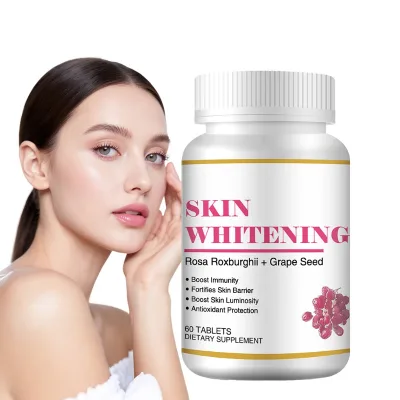
The finished tablet format often combines Rosa Roxburghii extract with complementary actives such as Grape Seed Extract, Vitamin C, Vitamin E, and Coenzyme Q10 to enhance skin brightening, hydration, and overall antioxidant efficacy. These formulations are typically marketed toward adults, including men, women, and middle-aged to elderly demographics, while explicitly excluding pregnant women, children, and newborns due to safety considerations. The dosage form is standardized, with common specifications indicating 400mg per tablet and a recommended intake of two tablets two to three times daily. Understanding this composition is critical for buyers, as the presence of multiple active ingredients affects not only the product’s efficacy claims but also the regulatory classification and labeling requirements in target markets.
Product Scope and Observed Listing Signals
The product landscape for Rosa Roxburghii derivatives is characterized by a broad spectrum of application forms and physical attributes. Raw material listings frequently describe the extract as a brown powder with a shelf life of two years, available in packaging formats such as 1kg aluminum foil bags or 25kg cardboard drums. These raw materials are often certified under FDA and ISO standards, with some suppliers also holding HACCP certification, indicating a focus on food-grade safety and quality management systems. The extraction standards vary, with common ratios including 10:1 and 20:1, and specific nutrient content ranges such as Vitamin C levels between 3% and 15%, or Superoxide Dismutase (SOD) activity ranging from 20,000 to 100,000 units. Buyers must carefully verify these specifications, as the assay methods used to determine potency, such as UV or HPLC, can significantly impact the perceived value and consistency of the raw material.
In contrast, finished tablet products present a different set of signals, focusing on consumer-ready packaging and specific health benefits. These tablets are often branded under OEM or private label services, with single package sizes designed for retail distribution, such as a 5.3x5.3x10 cm bottle containing 60 tablets. The product benefits are explicitly stated as antioxidant support, skin brightening, and hydration, appealing to the beauty and wellness sector. The flavor profile is typically fruity, aligning with the natural taste of the Rosa Roxburghii fruit. However, the minimum order quantities (MOQ) for these finished goods can vary widely, from small trial orders of 10 units to large bulk purchases of up to 150,000 units, reflecting the flexibility of manufacturers to accommodate both small boutique brands and large-scale distributors.
Technical Specifications to Verify
When evaluating technical specifications, buyers must prioritize the verification of assay methods and chemical composition to ensure product potency and consistency. For raw extracts, it is essential to confirm whether the supplier uses UV or HPLC methods for analysis, as these methods provide different levels of precision for identifying active compounds like flavonoids and polysaccharides. The standard extraction ratio, whether 10:1 or 20:1, directly influences the concentration of active ingredients per kilogram of powder. Buyers should request detailed Certificates of Analysis (CoA) that specify the exact range of Vitamin C content and SOD activity, ensuring that the product meets the required therapeutic or functional thresholds for their intended application.
For finished herbal tablets, the focus shifts to dosage accuracy, ingredient synergy, and physical stability. The specification of 400mg per tablet must be verified against the actual weight of the tablet, including excipients and binders, to ensure that the Rosa Roxburghii extract is present in the claimed effective dose. Buyers should also verify the compatibility of the main ingredients, such as the interaction between Rosa Roxburghii extract, Grape Seed Extract, and Vitamins C and E, to ensure that the formulation remains stable over the 24-month shelf life. Additionally, the storage method, which is typically specified as dry and cool, must be clearly communicated to the end-user to maintain product integrity, and buyers should assess whether the packaging, such as bottle packing with desiccants, adequately protects the tablets from moisture and light degradation.
Compliance and Safety Documentation
Compliance with regulatory standards is a non-negotiable aspect of sourcing antioxidant herbal tablets, particularly when targeting international markets. Suppliers in China, the primary origin for these products, often hold FDA and ISO certifications, which are critical for demonstrating adherence to quality management and food safety standards. For raw materials, HACCP certification may also be present, indicating a systematic approach to identifying and controlling biological, chemical, and physical hazards. Buyers must verify the validity of these certifications and ensure that they cover the specific facilities and product lines being sourced, as certifications can sometimes be limited to certain divisions or product categories within a larger manufacturing complex.
Safety documentation for finished tablets must include detailed allergen information, contraindications, and clear labeling instructions. The explicit exclusion of pregnant women, children, and newborns from the applicable user group must be prominently displayed on the packaging and in all marketing materials to mitigate liability risks. Buyers should also verify that the product benefits, such as antioxidant and skin brightening effects, are supported by appropriate scientific literature or regulatory approvals in the target market, as unsubstantiated health claims can lead to regulatory penalties. Furthermore, the storage method of keeping the product in a dry and cool place must be clearly indicated on the label to ensure that the shelf life of 24 months is maintained under proper conditions.
Cost Drivers and Commercial Terms
The cost structure for Rosa Roxburghii herbal tablets is influenced by several key factors, including the extraction ratio, the complexity of the final formulation, and the scale of production. Raw extracts with higher extraction ratios, such as 20:1, or those with specialized nutrient profiles, like high SOD activity, typically command higher prices due to the increased processing and raw material costs involved. Similarly, finished tablets that incorporate multiple premium ingredients, such as Coenzyme Q10 and Grape Seed Extract, will have a higher bill of materials compared to single-ingredient products. Buyers should anticipate that OEM and private label services, which involve custom packaging and branding, may incur additional setup fees or higher per-unit costs, especially for smaller order quantities.
Commercial terms, particularly minimum order quantities (MOQ), play a significant role in determining the overall procurement cost. The observed MOQ range, from 1kg for raw samples to 150,000 units for finished tablets, allows for flexibility but also impacts pricing tiers. Smaller orders, such as the 10-unit MOQ for some finished products, may carry a premium due to the fixed costs of production setup and packaging. Conversely, bulk purchases of raw materials in 25kg drums or large volumes of finished tablets can leverage economies of scale to reduce unit costs. Buyers should negotiate clear terms regarding payment methods, shipping responsibilities, and lead times, ensuring that these factors are factored into the total landed cost of the product.
Supplier Qualification and Quality Control
Supplier qualification for Rosa Roxburghii products requires a rigorous assessment of manufacturing capabilities and quality control systems. Buyers should verify that suppliers have the necessary infrastructure to handle both raw extract production and finished tablet formulation, if applicable. For OEM services, it is crucial to assess the supplier’s ability to maintain consistency in batch-to-batch quality, particularly regarding the assay results for active ingredients. Suppliers should provide detailed documentation of their quality control processes, including in-process checks and final product testing, to ensure that the finished tablets meet the specified dosage and purity standards.
Quality control measures should also extend to the supply chain, from the sourcing of raw botanical materials to the final packaging of the tablets. Buyers should inquire about the supplier’s procedures for verifying the identity and purity of the Rosa Roxburghii fruit, as well as the quality of auxiliary ingredients like vitamins and extracts. Regular audits of the manufacturing facility, including checks for GMP compliance and sanitation practices, are essential to ensure that the products are produced in a safe and controlled environment. Additionally, buyers should establish clear protocols for handling non-conforming products, including procedures for returns, replacements, and root cause analysis, to maintain high standards of product quality and customer satisfaction.
Long-Term Procurement Checks
Long-term procurement success depends on establishing robust mechanisms for ongoing supplier performance monitoring and product quality assurance. Buyers should implement a schedule for periodic re-verification of supplier certifications, such as FDA, ISO, and HACCP, to ensure that they remain valid and up-to-date. Regular sampling and third-party testing of both raw extracts and finished tablets can help detect any drift in quality or potency over time, ensuring that the products continue to meet the specified standards. This proactive approach to quality management can help prevent supply chain disruptions and maintain the integrity of the brand in the market.
Furthermore, buyers should stay informed about evolving regulatory requirements and market trends related to antioxidant herbal supplements. Changes in labeling laws, health claim regulations, or safety standards in target markets may necessitate adjustments to product formulations or packaging. Maintaining open communication with suppliers regarding these changes can help ensure compliance and avoid potential legal issues. Additionally, buyers should consider the sustainability and ethical sourcing of Rosa Roxburghii materials, as increasing consumer awareness of environmental and social responsibility may influence purchasing decisions. By integrating these long-term checks into their procurement strategy, buyers can build a resilient and competitive supply chain for antioxidant herbal tablets.
FAQs
What forms can the Rosa Roxburghii extract be processed into?
The extract is available in capsule, tablet, paste, and suppository forms. This flexibility allows manufacturers to select the most suitable application form for their specific product line and target consumer preferences.
Can I request custom packaging for this herbal supplement?
Yes, customization is available for this product. Buyers can utilize OEM and ODM private label services to tailor packaging and branding to their specific market requirements without needing to meet high minimum order quantities.
What certifications does the Rosa Roxburghii extract hold?
The product holds FDA, ISO, and HACCP certifications. These credentials ensure the extract meets international safety and quality standards required for use in medicine, health care products, and food applications.
How is the Rosa Roxburghii extract typically packaged for shipment?
Packaging options include 1kg aluminum foil bags or 25kg cardboard drums. For finished tablets, the product is often sold in bottle packing containing 60 tablets per unit for direct retail distribution.
What is the shelf life of the antioxidant extract?
The shelf life is two years or 24 months when stored correctly. Buyers should keep the product in a dry and cool place to maintain its potency and ensure the antioxidant benefits remain effective.
Which people should avoid taking this herbal supplement?
Pregnant women, children, and newborns are not applicable for this product. The supplement is intended for adults, including men, women, and middle-aged to elderly people who require antioxidant and skin brightening support.