Source Antique Solid Wood Dining Chair for Hotel Home Living Room
Compare 30 listings of antique solid wood dining chairs from manufacturers in China. Buyers can evaluate options featuring carved designs, oak or birch wood, and velvet or linen upholstery for use in dining rooms, hotels, and living spaces.
Key considerations
Products List
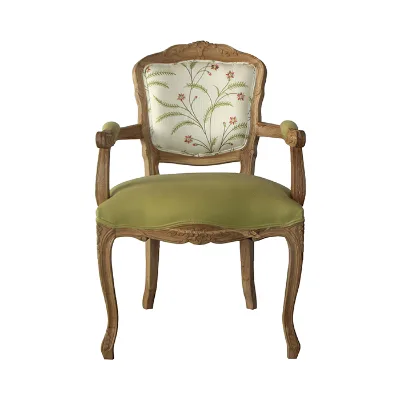
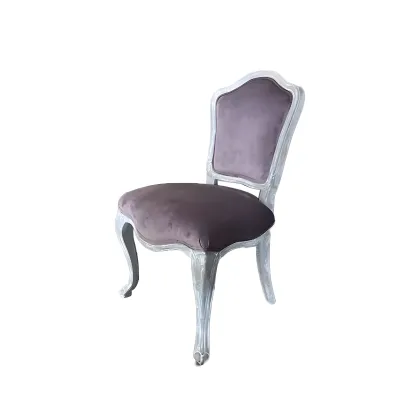
Wholesale Best Quality Classic Wood Comer Chair/restaurant Dinning Chair
$99.00 - $199.00
MOQ: 20 Minimum


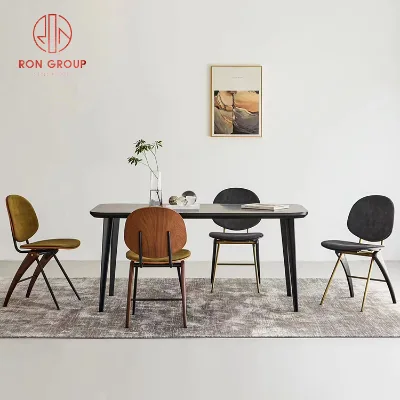


Comprehensive Sourcing Guide
Strategic Sourcing Guide for Antique Solid Wood Dining Chairs
Understanding Product Attributes and Design Variations
When sourcing antique solid wood dining chairs, buyers must first navigate the nuanced landscape of product attributes that define the category. The market presents a diverse array of items that share the core keyword but vary significantly in execution. Based on current market observations, the term "antique" often coexists with descriptors like "classic wood corner chair" or "carving dining chair," indicating a design language rooted in traditional aesthetics rather than a strict historical period. The primary material composition for these items is consistently solid wood, with specific mentions of oak and birch as common wood types. This solid wood construction is frequently combined with fabric upholstery, where velvet, linen, and genuine leather are the standard options for seating surfaces.
The visual presentation of these chairs is a critical differentiator. While the core keyword emphasizes an antique look, product listings often display a mix of styles, including "Modern," "Traditional," and "Carving" designs. This suggests that the "antique" classification in a B2B context often refers to the ornate carving details and the classic silhouette rather than a specific age of the furniture. The structural configuration is predominantly fixed, with many models listed as having no armrests, though some variations may exist. The folding mechanism is generally absent, with products described as "unfolded" or "fixed," ensuring stability for dining room environments.
Size specifications are another vital attribute to verify. While some listings provide standard dimensions such as 626194 cm or 505797 cm, the most common and flexible specification is "Customize." This indicates that the majority of suppliers in this sector operate on a made-to-order basis, allowing buyers to adjust dimensions to fit specific dining room layouts or table heights. The product name often reflects this versatility, appearing as "Chinese style chair solid wood carving dining chair" or "classic wood comer chair," highlighting the cultural and stylistic influences that drive the design.
Technical Specifications and Customization Capabilities
Technical due diligence for antique solid wood dining chairs requires a deep dive into the customization capabilities and structural specifications provided by manufacturers. The flexibility of the supply chain is a defining feature of this category. Most suppliers indicate that customization is available, allowing buyers to specify the wood type, finish, and upholstery material. This is crucial for buyers who need to match existing furniture collections or adhere to specific interior design themes. The "Customized" attribute is frequently paired with "Available" in product descriptions, signaling a high degree of adaptability in the manufacturing process.
The structural integrity of these chairs is often supported by the choice of wood. Oak and birch are the most frequently cited wood types, known for their durability and ability to hold intricate carvings. The surface treatment is a key technical consideration, though specific details like "Tbd" (To Be Determined) in some listings suggest that the finish is a variable that must be negotiated. Buyers should verify the specific surface treatment process, such as lacquering, staining, or oiling, to ensure the finish meets their durability and aesthetic requirements. The standard packing method for these items is often a flat package with a wood crate, which is essential for protecting the carved details during international shipping.
Dimensional customization is a significant technical advantage. While standard sizes like 626194 cm exist, the ability to order custom sizes allows for precise fitting in commercial spaces like hotels or restaurants. The product model numbers, such as "JWDC" or "RN0548F00002," serve as unique identifiers for specific designs, but the "Customize" specification implies that these models are often starting points for bespoke orders. The "Fixed" rotary attribute confirms that these chairs are designed for stationary use, which is typical for dining room furniture where stability is paramount. Buyers should ensure that the custom specifications include details on the joinery methods used, as this directly impacts the longevity of the antique-style carvings.
Compliance, Certification, and Quality Standards
Navigating the compliance landscape for antique solid wood dining chairs requires careful verification of certifications and standards. The supply chain for wooden furniture is subject to various international standards regarding safety, environmental impact, and quality management. In the observed market data, specific certifications like "ISOCCC" are mentioned, though the exact scope and validity of such certifications should be independently verified by the buyer. It is important to note that while some background information may reference standards like CE, ISO 9001, or ISO 14001, these should not be assumed to apply to every product unless explicitly confirmed by the supplier.
Buyers must treat certification claims as observations rather than universal guarantees. The presence of a certification on a product page does not automatically mean the specific batch of chairs meets that standard. Instead, the procurement strategy should involve requesting valid, up-to-date certificates from the supplier for the specific production run. For wooden furniture, compliance with formaldehyde emission standards and wood treatment regulations is critical, especially for products destined for markets with strict environmental laws. The "ISOCCC" mentioned in the data may refer to a specific quality or environmental standard, but its exact definition and applicability must be clarified during the supplier evaluation phase.
Quality standards are also reflected in the production processes and material sourcing. The use of solid wood like oak and birch suggests a higher quality tier compared to engineered wood alternatives, but the quality of the carving and the finish is equally important. Buyers should verify that the supplier adheres to recognized quality management systems, even if the specific standard (e.g., ISO 9001) is not explicitly listed on the product page. The "Condition: New" attribute confirms that the products are manufactured to current standards, but the "Surface Treatment: Tbd" highlights the need for explicit agreement on finish quality. Ensuring that the supplier has a robust quality control process in place is essential to prevent issues like warping, loose joints, or inconsistent coloring in the final product.
Cost Drivers and Pricing Structures
The pricing structure for antique solid wood dining chairs is influenced by several complex factors, making it difficult to establish a single price point. The observed price range in the market spans from 15 to 880 USD, a wide variance that reflects differences in material quality, craftsmanship, customization level, and order volume. The "Price: According to The Quantity" attribute indicates that unit costs are highly dependent on the order size, a common practice in B2B manufacturing where economies of scale significantly reduce per-unit costs.
Material costs are a primary driver of price variation. The choice between oak, birch, or other wood types, along with the selection of upholstery materials like genuine leather versus linen or velvet, will substantially impact the final cost. Genuine leather, for instance, is typically more expensive than fabric options, leading to higher price points for chairs with premium upholstery. Additionally, the level of customization plays a crucial role. Chairs with intricate carvings, custom dimensions, or specific finishes require more labor and time, which increases the cost compared to standard models.
Minimum Order Quantity (MOQ) is another significant factor affecting the total cost of procurement. The observed MOQ range is between 1 and 300 units, suggesting that some suppliers cater to small boutique orders while others require larger commitments for commercial projects. Buyers should be aware that ordering at the lower end of the MOQ spectrum may result in a higher per-unit cost. The "Selling Units: Single item" attribute indicates that individual purchases are possible, but the "Price: According to The Quantity" suggests that bulk orders will yield better rates. Understanding the cost drivers and negotiating based on volume and customization requirements is essential for achieving a favorable price structure.
Typical Applications and Usage Scenarios
Antique solid wood dining chairs are versatile and suitable for a wide range of applications, from residential homes to high-end commercial establishments. The "General Use: Home Furniture" and "Specific Use: Dining Room Chair" attributes confirm their primary function in domestic dining settings. However, the "Usage: Hotel, Home" and "Usage: Bar, Hotel, Dining Room, Indoor" attributes highlight their suitability for commercial environments as well. The durability and aesthetic appeal of solid wood make these chairs ideal for restaurants, hotels, and banquet halls where a classic, elegant atmosphere is desired.
The "Style: carving dining chair" and "Appearance: Antique, Leisure Chair" descriptors suggest that these chairs are particularly well-suited for venues that aim to evoke a sense of tradition and luxury. In hotel lobbies or fine dining restaurants, the intricate carvings and solid wood construction can serve as a focal point, enhancing the overall design theme. The "Fixed" and "Without Armrest" attributes make them practical for dining tables where space efficiency is important, allowing for easier movement around the table.
Furthermore, the "Customization: Available" feature allows these chairs to be tailored to specific venue requirements. For example, a hotel might request a specific wood finish to match its interior decor, or a restaurant might need chairs with a particular height to accommodate custom tables. The "Application: Living Room, Hotel" and "Usage: Indoor" attributes indicate that these chairs are designed for indoor use, where environmental conditions are controlled, ensuring the longevity of the wood and upholstery. The versatility of these chairs makes them a valuable asset for buyers looking to furnish a variety of spaces with a consistent, high-quality aesthetic.
Supplier Evaluation and Long-Term Procurement Considerations
Selecting the right supplier for antique solid wood dining chairs requires a thorough evaluation of their capabilities, reliability, and alignment with the buyer's needs. The "Business Type: Manufacture" attribute indicates that many suppliers are direct manufacturers, which can offer benefits such as better pricing and more control over the production process. However, buyers should verify the supplier's actual production capacity and quality control measures. The "Lead Time: 30-45 days After Receiving Deposit" and "Delivery Time: 25-35 Days" provide a general timeline, but these figures can vary based on order complexity and customization requirements.
Long-term procurement considerations include the supplier's ability to maintain consistency in quality and design. The "OEM & ODM: Welcome" attribute suggests that suppliers are open to working with buyers on custom designs, which is beneficial for brands looking to create unique product lines. However, buyers should ensure that the supplier has the technical expertise to execute these designs accurately. The "Place of Origin: Zhejiang, China" and "Prod Origin: Foshan" locations are known for their furniture manufacturing clusters, but buyers should still verify the specific factory's reputation and track record.
Quality control is paramount, especially for items with intricate carvings and custom finishes. Buyers should implement a rigorous inspection process, including pre-production samples and final inspections before shipment. The "Packing: Flat Package with Wood Crate" is a standard practice, but buyers should ensure that the packaging is robust enough to protect the chairs during transit. Additionally, the "Certification: ISOCCC" and other potential standards should be verified to ensure compliance with international regulations. By carefully evaluating suppliers and establishing clear communication channels, buyers can mitigate risks and ensure a successful long-term procurement relationship.
Summary of Key Procurement Factors
To summarize, sourcing antique solid wood dining chairs involves a careful balance of aesthetic preferences, technical specifications, and commercial considerations. The market offers a wide range of options, from standard models to highly customized pieces, with prices and MOQs varying significantly. Buyers must prioritize verification of material quality, craftsmanship, and supplier reliability to ensure that the final product meets their expectations. By focusing on the key attributes of wood type, customization options, and compliance standards, buyers can make informed decisions that align with their specific procurement goals. The following table provides a quick reference for the critical factors discussed in this guide.
| Factor | Key Considerations | Verification Method |
|---|---|---|
| Material | Oak, Birch, Solid Wood | Request material certificates and samples |
| Customization | Dimensions, Finish, Upholstery | Review design proofs and sample production |
| Certification | ISOCCC, Environmental Standards | Request valid, up-to-date certificates |
| Lead Time | 25-45 Days (Variable) | Confirm timeline in purchase agreement |
| Pricing | Volume-dependent, 15-880 USD | Negotiate based on MOQ and customization |
| Quality | Carving, Joinery, Finish | Conduct pre-shipment inspections |
| Application | Home, Hotel, Restaurant | Match design to venue requirements |
By adhering to these guidelines and maintaining a disciplined approach to supplier evaluation, buyers can successfully navigate the complex landscape of Antique Solid Wood Dining Chair procurement, ensuring high-quality results that meet both aesthetic and functional needs.
FAQs
What materials are used for antique solid wood dining chairs?
These chairs are constructed from solid wood, specifically oak or birch, combined with fabric upholstery. Buyers can choose from velvet, linen, or genuine leather for the seating surface to match their interior design needs.
Can I customize the dimensions of these dining chairs?
Yes, customization is available for the size specifications. While standard dimensions like 62*61*94 cm exist, buyers can request specific measurements to ensure a perfect fit for their dining room or commercial space.
What is the lead time for manufacturing these chairs?
The typical lead time ranges from 25 to 45 days after receiving the deposit. This duration allows for the production of custom orders and ensures quality control before the final shipment is arranged.
Which certifications do the manufacturers hold for these products?
Some manufacturers list ISOCCC certification for their production processes. Buyers should verify specific quality and environmental standards directly with the supplier before placing a large order to ensure compliance.
How are these chairs packaged for international shipping?
The standard packaging method involves a flat package with a wood crate to protect the carved details. This robust packing ensures the furniture arrives safely without damage during long-distance transportation.
What is the minimum order quantity for these dining chairs?
The minimum order quantity varies between 1 and 300 units depending on the supplier. Some vendors accept single item orders, while others require larger commitments to achieve better pricing structures.