Source Antique Style Islamic Prayer Clock for Home, Office, Mosque
Find 30 listings for the Antique Style Islamic Prayer Clock featuring quartz movements, radio features, and various shapes like circular and mosque designs. Buyers can compare specifications including sizes, materials such as acrylic and wood, and battery requirements from suppliers in Fujian, China.
Key considerations
Products List
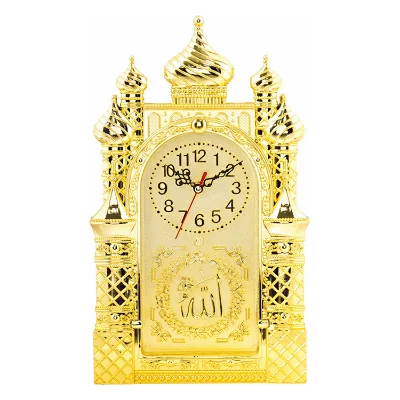
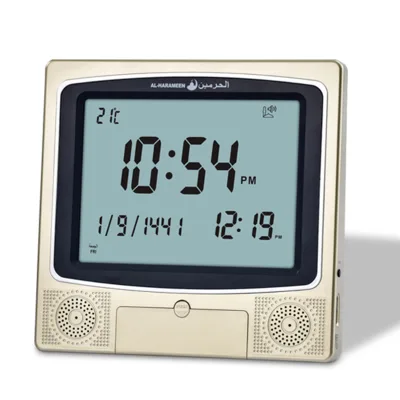
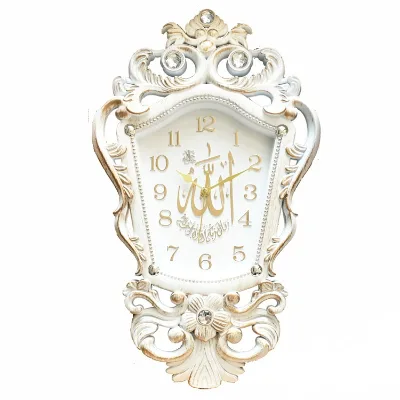
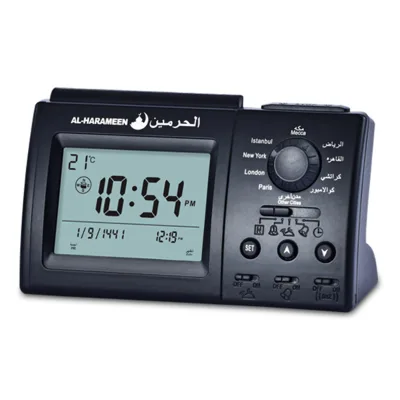
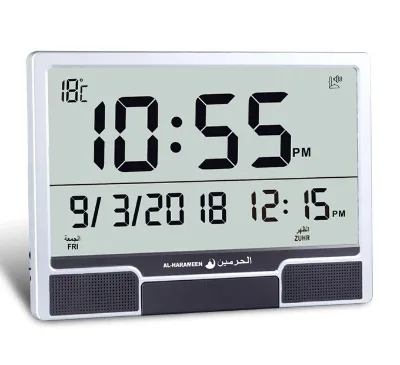
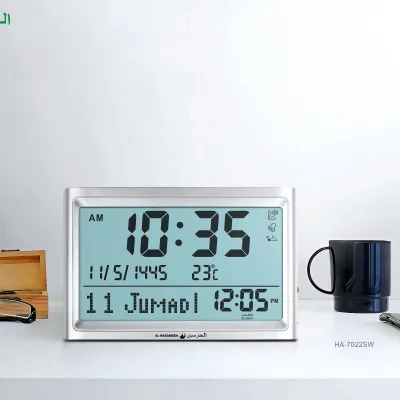


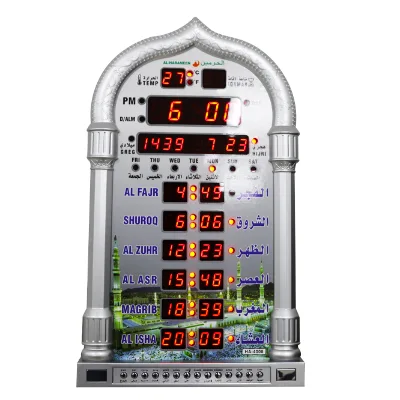
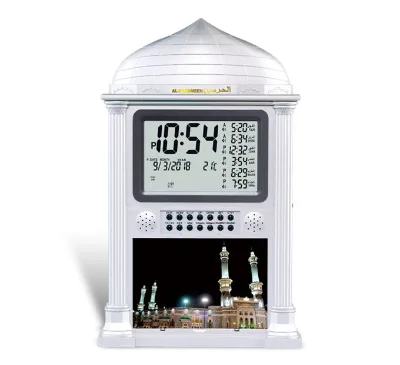
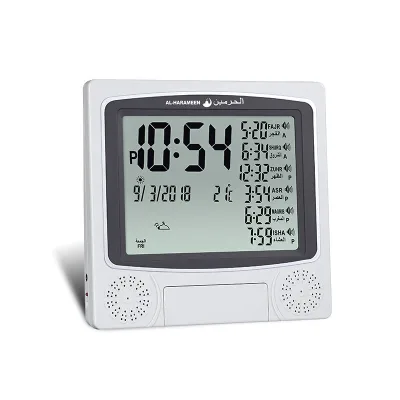
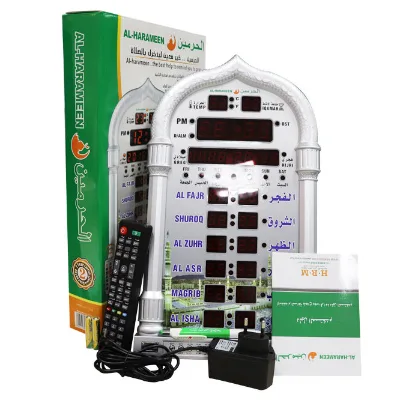
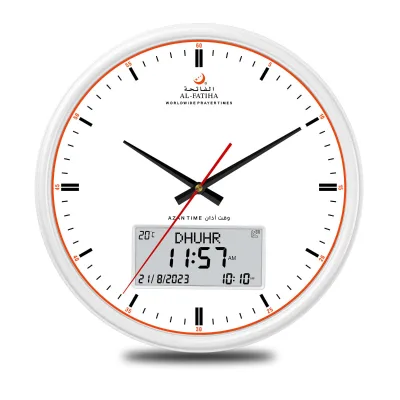
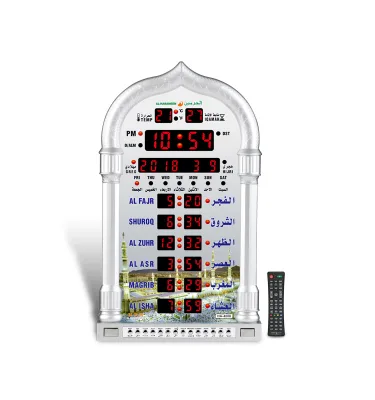
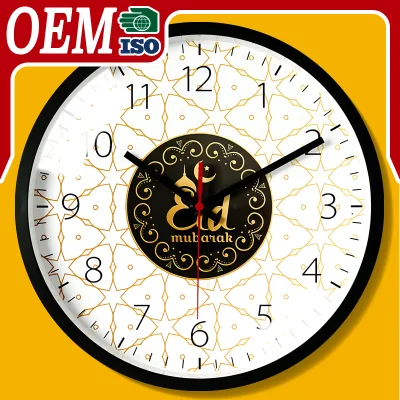
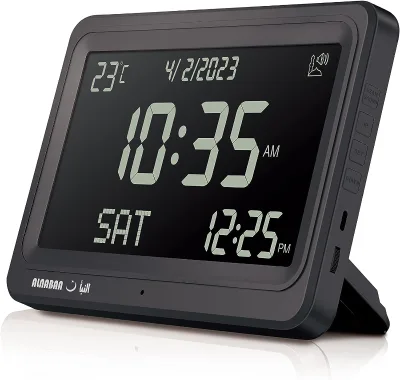
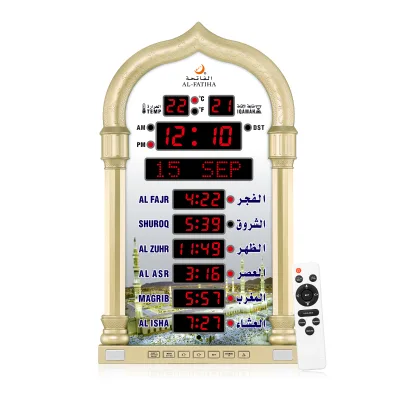
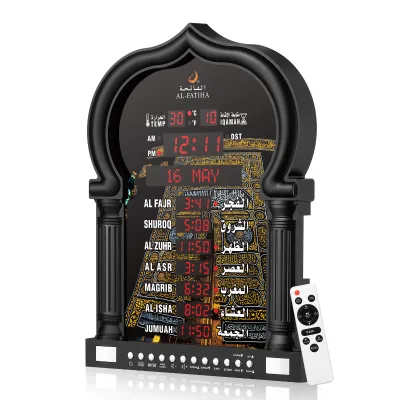
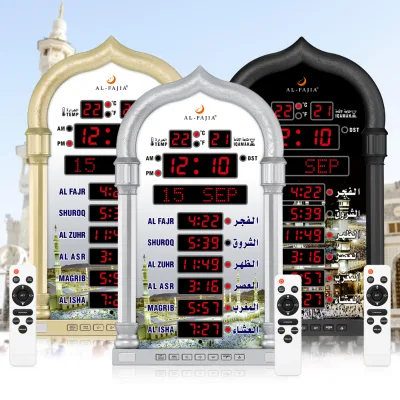
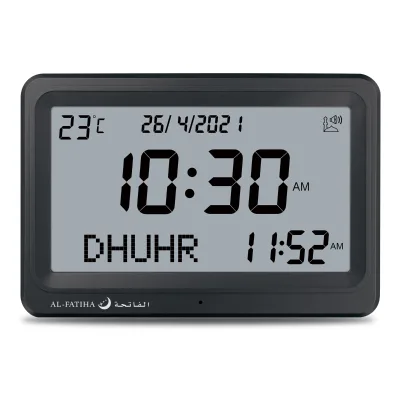
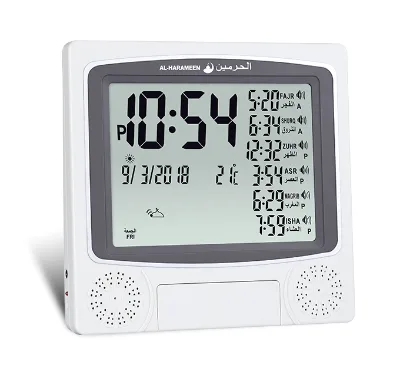
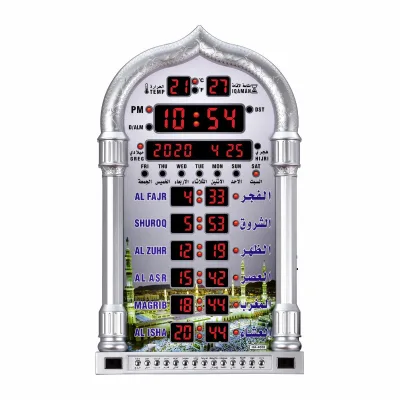
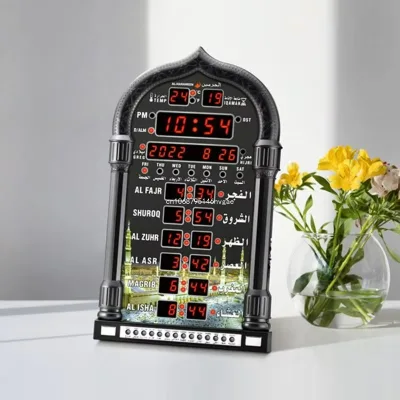
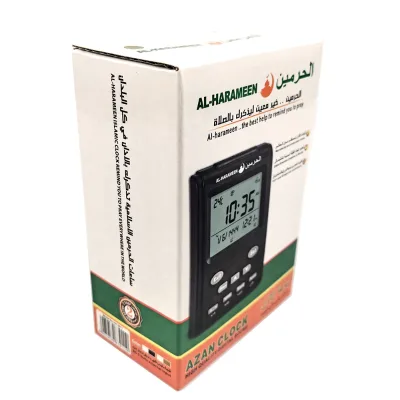

Classic 12-Hour Quartz Clock with Arabic Numerals and Elegant Brass Finish
$49.90 - $99.90
MOQ: 100 Pieces

Comprehensive Sourcing Guide
Strategic Sourcing Guide for Antique Style Islamic Prayer Clocks
Understanding Product Definitions and Core Attributes
When sourcing an Antique Style Islamic Prayer Clock, buyers must first distinguish between the aesthetic requirements and the functional specifications that define this niche. The product category is not monolithic; it encompasses a range of devices that blend traditional wall clock mechanics with digital prayer time functionality. Based on current market observations, the term "antique style" often refers to a specific design language characterized by vintage finishes, such as bamboo color, light yellow, light grey, white, gold, or wooden textures. These finishes are frequently paired with abstract or still-life patterns to evoke a sense of history and tradition.
The functional core of these devices varies significantly. Some units are strictly analog, utilizing quartz movement mechanisms to drive the hands, while others integrate digital LED displays for the Azan (call to prayer) and timekeeping. A critical observation in the current supply landscape is the diversity in physical form factors. Buyers may encounter products described as "circular" or "round," but specific listings also note shapes like "mosque" or "single face" configurations. The thickness of the clock plate is another variable, with observed specifications ranging from 9 mm sheets to 30 mm thick plates. This variance directly impacts the mounting requirements and the visual weight of the installation.
Furthermore, the power source is a key differentiator. While many units operate on a single AA battery, others may feature radio-controlled synchronization or remote control capabilities, as indicated by specific product names referencing "eauto remote control." The display type can be a needle-based analog face or a digital LED screen, and some models are designed as multi-piece sets rather than single items. Understanding these distinctions is essential before initiating a procurement process, as the "antique style" label applies to the visual design, while the "Islamic prayer" function dictates the internal electronics and software logic.
Technical Specifications and Material Composition
Evaluating the technical specifications of these clocks requires a close examination of the materials used in construction and the dimensions of the final product. The supply data indicates a wide array of body materials, including acrylic, wood, and generic "other" materials. Acrylic is often used for the clock face or casing to achieve a glossy, modern look that can be tinted to match antique color palettes. Wood, conversely, provides a more traditional aesthetic, aligning with the "Shabby Chic" or "Southwestern" design styles observed in the market. The choice of material influences both the durability and the perceived value of the item.
Dimensions are equally critical for logistics and installation planning. Observed product sizes vary from compact units measuring 9655131.5 mm to larger wall clocks with dimensions around 22.521.52.5 cm. The single package size can be substantial, with some listings indicating a package size of 39X40X15 cm or 35X40X25 cm. These dimensions are vital for calculating shipping costs and determining the feasibility of air freight versus sea freight. The weight of the individual units also fluctuates, with observed single gross weights ranging from 2.0 kg to 2.500 kg. This weight variance suggests differences in internal components, such as the size of the battery compartment, the thickness of the casing, or the inclusion of additional features like calendars or radio receivers.
The movement mechanism is another technical pillar. Most units rely on quartz motivity, ensuring accurate timekeeping. However, the integration of digital features, such as LCD displays for prayer times, adds complexity to the internal circuitry. Buyers should verify the compatibility of the prayer time calculation software with their specific geographic location, as the accuracy of the Azan times depends on the clock's ability to process latitude and longitude data. Additionally, the presence of features like "LUMINOVA" or "Radio" synchronization indicates a higher level of functionality that may require specific technical verification during the sampling phase.
Cost Drivers and Minimum Order Quantities
The pricing structure for antique style Islamic prayer clocks is influenced by several factors, including material costs, design complexity, and the volume of the order. The observed listed price range in the market spans from $2.50 to $305.96 USD. This wide disparity is not necessarily indicative of quality alone but reflects the diversity in product features. Lower-priced items typically correspond to basic analog models with simple quartz movements and standard acrylic or wood casings. In contrast, higher-priced units likely incorporate advanced features such as radio synchronization, remote control capabilities, intricate still-life patterns, or premium materials like solid wood.
Minimum Order Quantity (MOQ) is a significant constraint in the procurement of these items. The observed MOQ range extends from 1 unit to 500 units. Some suppliers may offer low MOQs of 1 to 50 units, catering to small businesses or individual buyers testing the market. However, other listings specify an MOQ of 500 units, which is common for manufacturers focusing on bulk OEM production. This high MOQ threshold often correlates with the ability to offer lower per-unit costs and the customization of branding, such as OEM logo placement. Buyers must align their order volume with their inventory strategy and cash flow capabilities.
The supply ability of manufacturers also plays a role in cost and lead time. Some suppliers claim a supply ability of 1,000 pieces per day, which suggests a robust production line capable of handling large orders. However, this capacity does not guarantee immediate availability for custom designs, which may require additional setup time. Buyers should be aware that the "antique style" finish, particularly if it involves specific wood treatments or custom molding, may incur additional costs compared to standard mass-produced finishes.
Compliance, Certification, and Safety Standards
While the core product is a consumer good, compliance with international safety and environmental standards is a critical consideration for B2B buyers. The market data includes references to certifications such as CE and RoHS, though these are noted as low-confidence background information. This means that while these certifications are relevant to the category, buyers cannot assume every listed product automatically possesses them without verification. The CE mark indicates conformity with health, safety, and environmental protection standards for products sold within the European Economic Area, while RoHS restricts the use of specific hazardous materials in electrical and electronic equipment.
For Islamic prayer clocks, which contain electronic components and batteries, compliance with battery safety standards is paramount. The observed specification of "1 AA Battery" suggests that the device is designed for standard consumer battery use, but the internal circuitry must still meet electrical safety requirements. Buyers should request specific test reports or certification documents from suppliers to confirm that the products have undergone the necessary testing for the target market. This is particularly important for markets with strict regulatory environments, such as the EU, North America, or the Middle East.
Additionally, the material composition must be verified for compliance with local regulations regarding hazardous substances. If the product claims to be made of wood or acrylic, buyers should ensure that the finishes and adhesives used do not contain prohibited levels of volatile organic compounds (VOCs) or heavy metals. The "antique style" finish, which may involve painting or staining, requires particular scrutiny to ensure that the pigments and solvents used are safe and compliant.
Supplier Evaluation and Origin Verification
Evaluating suppliers for antique style Islamic prayer clocks requires a focus on their origin, production capacity, and customization capabilities. The observed place of origin for many products is Fujian, China, a region known for its manufacturing capabilities in home decor and electronics. Buyers should verify the specific factory location and assess the supplier's ability to maintain consistent quality across large production runs. The presence of OEM (Original Equipment Manufacturer) branding options indicates that many suppliers are willing to customize products, including the design style, color, and packaging.
When selecting a supplier, buyers should look for evidence of a robust quality control process. The ability to produce items with specific design styles, such as "Shabby Chic" or "Southwestern," suggests a level of craftsmanship that must be maintained. Buyers should request samples to evaluate the finish quality, the accuracy of the prayer time calculations, and the durability of the materials. The "Single Face" and "Multi-piece set" variations also indicate that suppliers may offer different configurations, and buyers should ensure that the supplier can consistently deliver the specific configuration required.
It is also important to verify the supplier's communication and responsiveness. Given the technical nature of the product, which involves both mechanical and electronic components, clear communication is essential to resolve any issues regarding specifications or customization. Buyers should avoid suppliers who are vague about their production processes or unwilling to provide detailed product specifications.
Quality Control and Long-Term Procurement Considerations
Implementing a rigorous quality control (QC) process is essential for ensuring that the antique style Islamic prayer clocks meet the expected standards. Buyers should establish clear acceptance criteria for visual defects, such as scratches on the wood or acrylic, misaligned hands, or incorrect color matching. The functional QC should include testing the quartz movement for accuracy, verifying the battery life, and ensuring that the digital display functions correctly. For models with radio or remote control features, these functions must be tested under various conditions to ensure reliability.
Long-term procurement considerations involve building a sustainable relationship with suppliers who can adapt to changing market demands. The "antique style" trend may evolve, and buyers should work with suppliers who can update designs and materials accordingly. Additionally, buyers should consider the lifecycle of the product, including the availability of replacement parts such as batteries or circuit boards. The "Single gross weight" and "Single package size" data provided in the market can help buyers plan for efficient logistics and storage, but they should also consider the potential for packaging changes to reduce environmental impact.
Finally, buyers should monitor the market for emerging trends and technological advancements. The integration of smart home features or improved battery technologies could enhance the value proposition of these clocks. By staying informed and maintaining a proactive approach to supplier management, buyers can ensure a steady supply of high-quality antique style Islamic prayer clocks that meet the needs of their customers.
Comparative Analysis of Product Variants
To facilitate decision-making, buyers can compare key product attributes using the following table. This comparison highlights the diversity in specifications and helps identify the most suitable options for different procurement needs.
| Attribute | Variant A (Basic Analog) | Variant B (Digital LED) | Variant C (Premium Antique) |
|---|---|---|---|
| Design Style | Shabby Chic | Modern / Abstract | Southwestern / Antique |
| Material | Acrylic | Plastic / Acrylic | Wood / Bamboo Color |
| Display Type | Needle (Analog) | Digital LED Display | Hybrid (Analog + LCD) |
| Power Source | 1 AA Battery | 1 AA Battery | 1 AA Battery / Radio Sync |
| Shape | Circular / Round | Circular | Mosque / Circular |
| Thickness | 9 mm Sheet | 9 mm Sheet | 30 mm Thick Plate |
| MOQ | 1 - 500 | 1 - 500 | 500 |
| Price Range | Low ($2.5 - $20) | Mid ($20 - $100) | High ($100 - $305) |
| Key Feature | Standard Time | Prayer Times / Azan | Radio, Calendars, LUMINOVA |
This table illustrates that while the core function remains consistent, the choice of material, display technology, and design complexity significantly impacts the cost and suitability of the product for different market segments. Buyers should use this framework to align their procurement strategy with their specific business requirements.
FAQs
What materials are used for antique style islamic prayer clocks?
These clocks are constructed from materials such as acrylic, wood, or other unspecified body materials. The choice of material influences the aesthetic finish, ranging from bamboo color to light yellow or wooden textures.
How is the power source configured for these wall clocks?
Most units operate using a single AA battery to power the quartz movement and digital display. Some advanced models may also feature radio synchronization or remote control capabilities for enhanced functionality.
Which design styles are available for this product category?
Available design styles include Shabby Chic, Southwestern, and Antique Style finishes. These styles often incorporate abstract or still-life patterns to evoke a traditional and vintage appearance suitable for home decoration.
What are the typical dimensions and weight of the single package?
Product sizes vary from compact units around 96*55*131.5 mm to larger wall clocks measuring 22.5*21.5*2.5 cm. Single package sizes can be substantial, such as 39X40X15 cm, with weights ranging from 2.0 kg to 2.5 kg.
Can buyers customize the brand name and design of the clock?
Yes, many suppliers offer OEM branding options and accept custom design requests. Buyers can specify design styles, colors, and packaging, though some manufacturers may require a minimum order quantity of 500 units for such customization.
What is the minimum order quantity for purchasing these clocks?
The minimum order quantity ranges from 1 unit to 500 units depending on the supplier and product configuration. Lower MOQs are available for testing the market, while bulk OEM production often requires orders of 500 units.