Source Antique Without Armrest Louis Chair for Hotel Home Dining
Compare 30 listings for the Antique Without Armrest Louis Chair suitable for hotels, homes, and dining venues. Options include wooden construction, various styles like modern or antique, and customizations such as PU or fabric covers with delivery times ranging from 15 to 25 days.
Key considerations
Products List


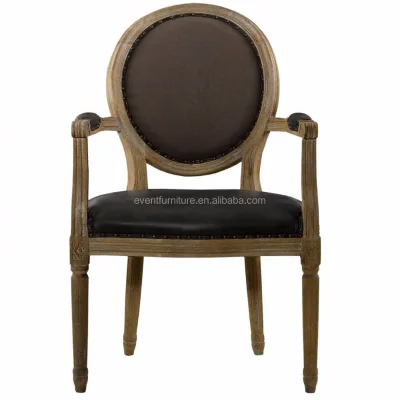
wooden round back louis armrest chair French Louis style solid chair dinning louis chair
$42.92 - $53.14
MOQ: 200 Minimum
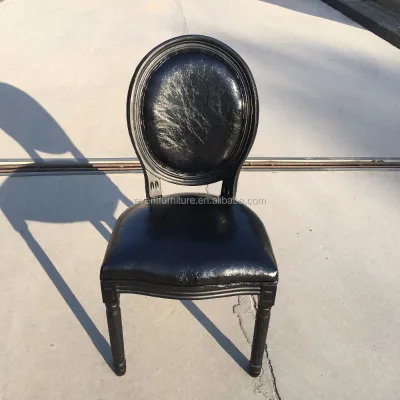
Wholesale french style antique wooden new design stacking louis chair
$42.81 - $53.00
MOQ: 200 Minimum
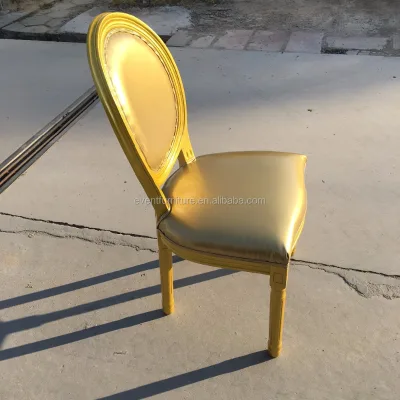
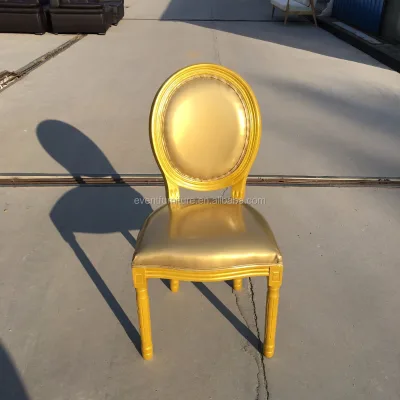
Wholesale Fashion Style France romantic wedding use louis xvi gold chairs
$42.84 - $53.03
MOQ: 200 Minimum


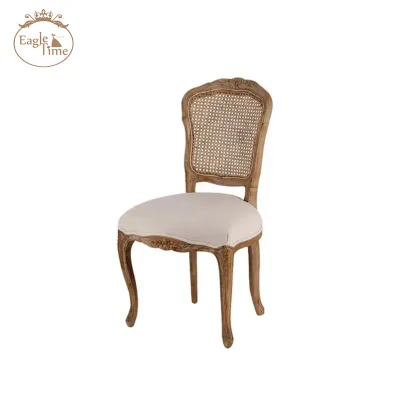
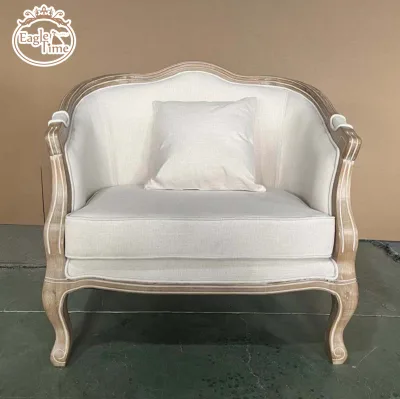
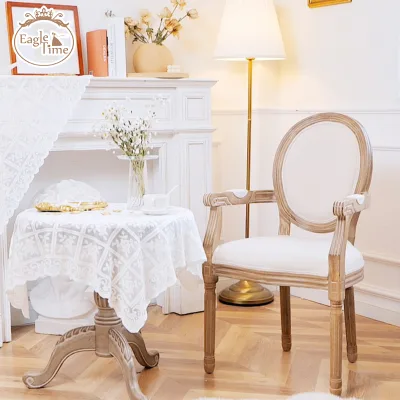
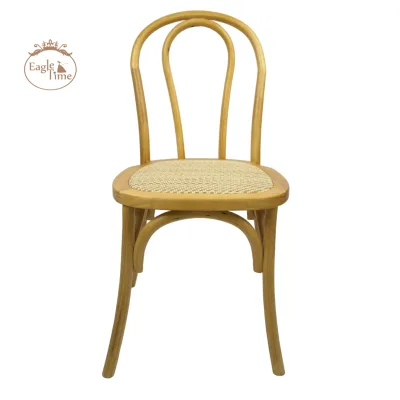


Wholesale Quality Rattan Outdoor Dining Arm Chair Outdoor Restaurant Wicker Chairs
$20.00 - $22.00
MOQ: 100 Pieces

Comprehensive Sourcing Guide
Strategic Sourcing Guide for Antique Without Armrest Louis Chairs
Understanding the Product Category and Design Specifications
The Antique Without Armrest Louis Chair represents a distinct segment within the global furniture procurement market, characterized by its historical aesthetic and functional simplicity. When sourcing this specific item, buyers must first align their requirements with the observable product attributes found in current market listings. The core design identity is defined by a rectangular or round back profile, often finished in a style explicitly categorized as "Antique" or "Modern" depending on the specific manufacturer's interpretation of the Louis aesthetic. A critical physical constraint observed in the available inventory is the absence of armrests, a feature that distinguishes this model from its more ornate counterparts and reduces the overall footprint of the seating unit.
Material composition is a primary verification point for buyers. The supplied data indicates that the predominant material for these units is wood, with specific listings noting "Wooden" as the construction base. This necessitates a rigorous inspection of the timber quality, grain consistency, and finishing techniques to ensure the "Antique" style is authentic rather than merely a superficial veneer. The standard dimensions observed in the market for these chairs vary, with specific models listed at 515096 cm, 564695 cm, and 465996 cm. These variations highlight the importance of verifying the exact standard dimensions against the intended space requirements of the procurement project. Furthermore, the product condition is consistently listed as "New," implying that buyers should expect factory-fresh inventory rather than refurbished or vintage pieces, despite the antique styling.
Technical Standards and Dimensional Verification
When evaluating the technical specifications of antique without armrest Louis chairs, the buyer must move beyond general descriptions to precise dimensional and structural verification. The market data reveals a lack of a single universal standard for these chairs, with suppliers offering a range of standard sizes. For instance, one observed specification lists a standard of 515096 cm, while another provides 564695 cm. This variance suggests that "Louis" style is a design archetype rather than a rigidly standardized product line. Consequently, procurement teams must treat the "standard" attribute as a variable that requires confirmation for every specific order.
The structural integrity of the chair is often influenced by its stacking capabilities. While some listings explicitly state "Stackable: Yes," others do not mention this feature, implying that non-stackable variants are also prevalent in the antique category. This distinction is vital for logistics planning and storage requirements in hotels and banquet halls. Additionally, the folding status is noted as "Unfolded" in the provided data, indicating that these chairs are typically rigid structures rather than collapsible units. Buyers should verify the "Rotary" attribute, which is listed as "Fixed," confirming that the chair does not possess rotating mechanisms, a common feature in office chairs but less common in traditional dining or hotel seating.
Packaging standards also vary significantly across the supply base. Observed packaging configurations include "2PCS/CTN," "2PCS in a Carton," and "Carton Packing." Some suppliers offer "Standard Carton (Custom)" options, which may be necessary for specialized shipping requirements. The product origin is frequently cited as "Shang Dong China" or "Foshan, Guangdong," regions known for furniture manufacturing. However, the lack of a unified standard for dimensions and packaging means that buyers cannot assume consistency across different suppliers. The procurement strategy must therefore include a requirement for detailed packing lists and dimensional drawings prior to finalizing any purchase agreement.
Compliance, Certification, and Safety Considerations
In the realm of B2B furniture procurement, compliance and certification are often the most overlooked yet critical aspects of the sourcing process. While the provided product data does not explicitly list specific certifications such as FSC (Forest Stewardship Council) or BIFMA (Business and Institutional Furniture Manufacturers Association) compliance, the absence of such data does not imply non-compliance. Instead, it places the burden of verification squarely on the buyer. For antique-style wooden chairs intended for commercial use in hotels and restaurants, fire safety standards are paramount. Buyers must inquire about the flame retardancy of the upholstery, particularly given the "Cover Options" of PU and Fabric noted in the market data.
The warranty periods observed in the listings range from 2 to 3 years. This variation serves as a proxy for the manufacturer's confidence in their product's durability and structural integrity. A supplier offering a 3-year warranty on a wooden chair with PU or fabric covers may be demonstrating a higher level of quality control compared to one offering only a 2-year term. However, the terms of these warranties must be scrutinized to understand what is covered, such as frame breakage versus fabric wear and tear. Additionally, the "Payment" terms observed, such as "T/T 40% Deposit," are standard industry practices but should be evaluated in the context of the supplier's financial stability and the specific risks associated with international trade.
Buyers should also verify the "Trade Mark" or brand identity of the supplier. One listing mentions "Beshine" as a trade mark, which could indicate a specific manufacturer's branding. However, the presence of a trade mark does not guarantee adherence to international safety standards. The buyer must request documentation regarding the chemical safety of the finishes used on the wood and the adhesives used in the assembly. Given that the material is wood, there is a potential risk of formaldehyde emissions or other volatile organic compounds (VOCs) depending on the type of varnish or lacquer applied. Verification of compliance with local building codes and fire safety regulations in the destination country is essential before any shipment is authorized.
Cost Drivers and Pricing Dynamics
The pricing of antique without armrest Louis chairs is influenced by a complex interplay of material costs, labor intensity, and logistical factors. The observed price range in the market spans from 20 to 214.61 USD. This wide disparity suggests that the product category encompasses a vast spectrum of quality, from basic mass-produced units to high-end, hand-crafted pieces. The lower end of the price range likely corresponds to chairs made from softer woods, simpler joinery, and basic finishes, while the higher end may reflect the use of premium hardwoods, intricate carving, and superior upholstery materials.
Material costs are a primary driver of price variation. Since the core material is wood, the type of timber used—whether it is pine, oak, teak, or a composite—will significantly impact the final cost. The "Customization" attribute is listed as both "Available" and "Non-Customized" in different listings, indicating that bespoke options are possible. Customization, such as specific wood stains, custom dimensions, or unique fabric choices, typically incurs a premium. Buyers must understand that the "Customized" status is not a binary feature but a spectrum of options that can escalate costs.
Logistics and packaging also play a crucial role in the total cost of ownership. The "prod_packing" variations, ranging from simple cartons to custom packaging, affect shipping efficiency and damage rates. A more robust packaging solution may increase the unit cost but reduce the risk of damage during transit, potentially lowering the overall cost of the procurement. Furthermore, the "MOQ" (Minimum Order Quantity) ranges from 1 to 200 units. Suppliers with lower MOQs may charge a higher unit price to cover the administrative and production setup costs associated with smaller batches. Conversely, larger orders may benefit from economies of scale, but the buyer must balance this against storage costs and cash flow implications.
Typical Applications and Functional Requirements
The functional requirements of antique without armrest Louis chairs are dictated by their intended application environments. The data indicates that these chairs are primarily used in "Hotel," "Home," "Restaurant," "Dining," "Wedding," and "Banquet" settings. The "Usage" attribute specifically highlights "Hotel Restaurant Dining," suggesting a high-traffic commercial environment where durability and ease of maintenance are critical. In these settings, the chair must withstand frequent use, cleaning, and potential spills. The "Feature" list includes "Stackable," "Easy Clean," and "Durable," which are essential attributes for commercial buyers.
The "Style" of the chair, described as "Antique" or "Modern," influences its suitability for different interior design themes. An antique style with a rectangular or round back profile is often chosen for traditional hotel lobbies, fine dining restaurants, or wedding venues seeking a classic aesthetic. The "Color" options, such as "White," allow for customization to match specific decor schemes. However, the "Clolor" (Color) is listed as "Optional," indicating that buyers should expect a range of color choices but must confirm availability for their specific needs.
For wedding and banquet applications, the stackability of the chair is a significant functional advantage. The ability to stack the chairs allows for efficient storage and rapid setup and teardown of event spaces. However, not all listings confirm stackability, so buyers must verify this feature explicitly. The "Application" field also mentions "Party," suggesting versatility in event planning. The "Folded" status being "Unfolded" reinforces that these are permanent seating solutions rather than temporary or collapsible structures, which is ideal for fixed installations in hotels and restaurants.
Supplier Evaluation and Quality Control Protocols
Evaluating suppliers for antique without armrest Louis chairs requires a multi-faceted approach that goes beyond price comparison. The "prod_origin" data points to "Shang Dong China" and "Foshan, Guangdong" as key manufacturing hubs. While these regions are known for furniture production, the specific factory capabilities and quality control processes can vary widely. Buyers should conduct thorough due diligence on potential suppliers, including factory audits, review of past performance, and verification of their production capacity.
Quality control should be a central component of the procurement strategy. Given the "Warranty" periods of 2 to 3 years, buyers can use this as a metric for supplier confidence. A supplier willing to offer a longer warranty period may be more reliable, but the terms must be clearly defined. The "Sample Time" of 15 days observed in the data suggests that the production cycle involves a sampling phase, which is an opportunity for buyers to inspect the quality of the final product before mass production begins. Buyers should insist on receiving samples that match the exact specifications of the final order, including wood grain, finish, and upholstery quality.
The "Customization" availability offers an opportunity for buyers to tailor the product to their specific needs. However, this also introduces complexity into the quality control process. Custom orders require stricter inspection protocols to ensure that the bespoke elements meet the agreed-upon standards. The "prod_packing" variations also highlight the need for a robust inspection of packaging to prevent damage during transit. Buyers should establish clear acceptance criteria for the packaging, ensuring that the "Carton" or "Woven Bag" options provide adequate protection for the fragile wooden components.
Long-Term Procurement and Supply Chain Resilience
Long-term procurement of antique without armrest Louis chairs requires a strategic approach that considers supply chain resilience and sustainability. The "Delivery Time" of 15-25 days observed in the market indicates a relatively short lead time, which is beneficial for just-in-time inventory management. However, buyers must account for potential delays due to raw material shortages, labor issues, or logistical disruptions. Establishing a relationship with a supplier that can guarantee consistent lead times is crucial for maintaining operational continuity in hotels and restaurants.
Sustainability is an increasingly important factor in B2B procurement. While the "Material" is wood, the source of this wood and the environmental impact of its harvesting and processing are critical considerations. Buyers should inquire about the sustainability certifications of the timber used and the environmental practices of the manufacturing facility. The "Customized" nature of the product also allows for the selection of eco-friendly materials and finishes, which can enhance the brand image of the buyer's organization.
Finally, the "Payment" terms, such as the "T/T 40% Deposit," require careful financial planning. Buyers should negotiate payment terms that align with their cash flow capabilities and risk tolerance. A balanced approach might involve a smaller deposit with the balance due upon shipment or after inspection. This ensures that the buyer has leverage to address any quality issues before the final payment is made. By focusing on these long-term considerations, buyers can build a resilient supply chain that supports their operational needs while maintaining high standards of quality and sustainability.
FAQs
What materials are used for antique without armrest louis chairs?
These chairs are primarily constructed from wood, with specific listings noting wooden frames. Buyers should verify timber quality and finishing techniques to ensure the antique style is authentic rather than a superficial veneer.
Which dimensions are standard for this chair model?
Standard dimensions vary by supplier, with observed sizes including 51*50*96 cm, 56*46*95 cm, and 46*59*96 cm. Procurement teams must confirm exact measurements against intended space requirements before ordering.
Can these chairs be stacked for storage?
Some listings explicitly state the chairs are stackable, while others do not mention this feature. Buyers must verify stackability as it is vital for logistics planning in hotels and banquet halls.
How long is the warranty period for these chairs?
Warranty periods observed in the market range from 2 to 3 years. A longer warranty may indicate higher manufacturer confidence in structural integrity, but terms regarding frame breakage versus fabric wear must be scrutinized.
What is the minimum order quantity for these chairs?
The minimum order quantity ranges from 1 to 200 units depending on the supplier. Smaller batches may incur higher unit prices, while larger orders benefit from economies of scale but require more storage capacity.
Which cover options are available for the upholstery?
Cover options include PU and fabric materials to suit different aesthetic and durability needs. Buyers should inquire about flame retardancy standards for these covers to ensure compliance with commercial safety regulations.
Where are these chairs typically manufactured?
Products originate from regions like Shang Dong China and Foshan, Guangdong, known for furniture production. Buyers should conduct due diligence on specific factory capabilities and quality control processes in these hubs.