Source Antique Silver Celtic Rings for Gifts, Decor, and Collections
Explore 30 listings for Antique Silver Celtic Rings suitable for gifts, decoration, and collections. Buyers can compare customization options, plating choices, and MOQs from verified suppliers in Guangzhou. These items feature various shapes, materials like 925 sterling silver, and unique designs including human, flower, and geometry styles. Suppliers offer OEM services with delivery times of 20-30 days.
Key considerations
Products List


Personalised Antique Silver Natural Stone Malachite Chain Rings for Ladies
$11.77 - $13.85
MOQ: 20 Pieces


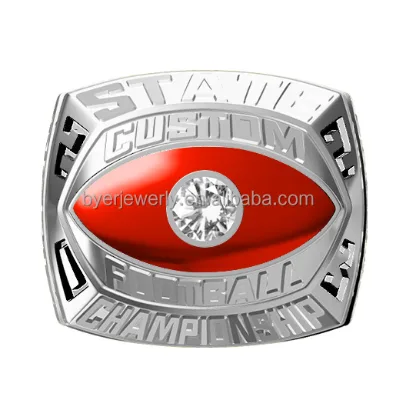
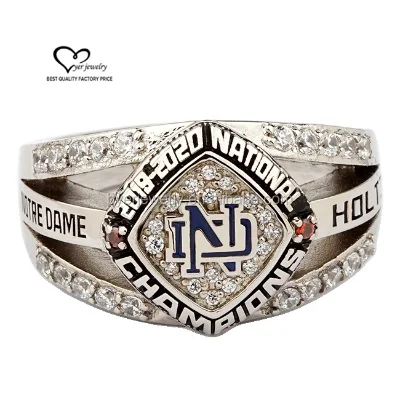
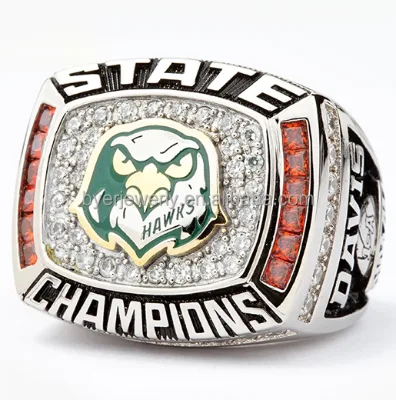
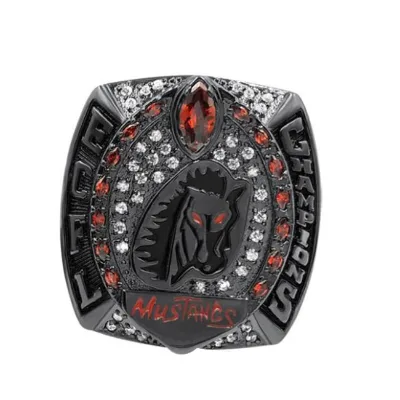
Silver Championship Ring Fantasy Football Women Style Ladies Champions Ring
$51.50 - $56.65
MOQ: 10 pieces


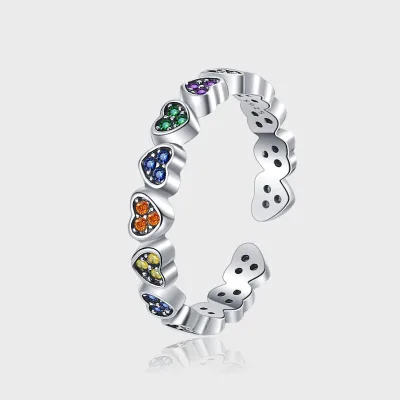
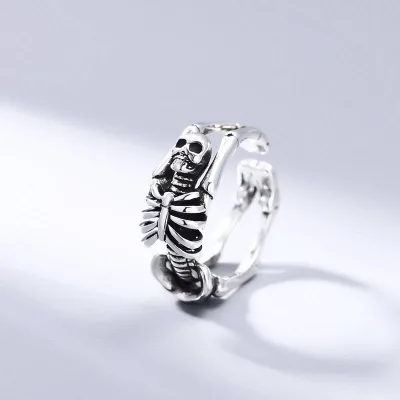
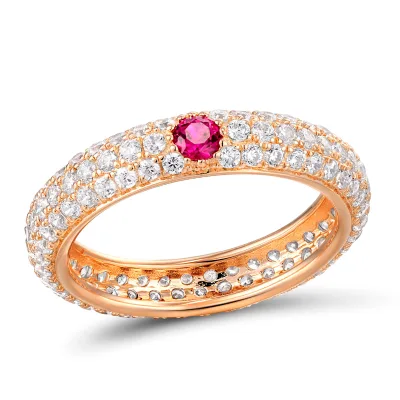


Comprehensive Sourcing Guide
Antique Silver Celtic Rings Sourcing Guide
Antique Silver Celtic Rings occupy a distinctive niche in the sterling silver jewelry trade, combining heritage knotwork and spiral motifs with an aged or oxidized finish that appeals to buyers seeking symbolism and vintage character. For wholesale buyers, distributors, and jewelry retailers, this category offers strong margins when sourced correctly, but it also carries specific verification requirements around silver purity, plating durability, and finish consistency that differ from polished, contemporary designs.
This guide is written for procurement teams evaluating suppliers on B2B platforms and at trade fairs, particularly those sourcing from manufacturing hubs such as Guangzhou, China, where many listed products in this category originate. The framework below walks through the practical stages of a sourcing program: defining the product scope from observed listing signals, verifying technical specifications, demanding appropriate compliance documentation, understanding cost drivers and commercial terms, qualifying suppliers with structured quality control, and establishing long-term checks that protect reorder consistency. Use it as a checklist before committing to a first purchase order, and revisit it each time you onboard a new factory or introduce a new Celtic design into your catalog.
Product Scope and Observed Listing Signals
Listings in this category typically describe rings made from 925 sterling silver, often with 92.5% purity explicitly stated, and finished through casting or hand-made processing with electroplating. Plating options observed across comparable products include rhodium, rose gold, yellow gold, and black gold, giving buyers a range of aesthetic directions within a single design family. Common shapes extend beyond classic knotwork to geometry, flowers, round forms, and even human silhouettes, while stone-set variants feature mother of pearl, cubic zirconia, or emerald accents. Stated usage spans decoration, gifts, collection pieces, and wedding-related jewelry, which tells you the same factory may serve fashion, souvenir, and bridal channels simultaneously.
Observed listing attributes also reveal commercial signals worth reading carefully. MOQ values in this space range widely, from as low as 1 or 10 pieces to 1,000 pieces, and stated MOQs such as 20 PCS are common for customized runs. Price ranges observed in the category span roughly USD 0.73 to 56.65, reflecting differences in material weight, stone setting, and finish complexity. OEM/ODM service, customization availability, and delivery windows of 20-30 days appear frequently; treat these as claims to verify, not guarantees, and ask each shortlisted supplier to substantiate them against a specific design.
Technical Specifications to Verify
Begin with the metal itself. Confirm that "925 sterling silver" and the stated 92.5% purity apply to the entire ring body, not only the surface, and ask how the supplier documents alloy composition, since copper content affects both durability and tarnish behavior in an antique finish. For the antique effect itself, clarify whether the darkened recesses come from oxidation, plating, or hand-applied patina, because each method weathers differently and affects how the knotwork detail reads after wear. Request the plating thickness specification for rhodium, gold, or black finishes rather than accepting "electroplating" as a complete answer.
Then verify dimensional and construction details against observed listing patterns. Confirm size availability: some listings state a single size such as 7#, while others offer customized sizing, so align the supplier's size run with your target market before sampling. Ask whether wax setting is used for stone-set designs, as this setting method influences stone security and repairability. Review product models and stated attributes — for example, listings referencing models like R10986 or R10971 — to confirm each SKU's shape, stone, and plating match your order. Finally, confirm packaging specifications, since observed listings cite OPP bags with strong cartons or customer-specific requirements.
Compliance and Safety Documentation
Compliance in silver jewelry centers on precious metal content and consumer safety, and buyers should treat certificates as verifiable claims rather than marketing copy. Observed listings in this category reference SGS as a certificate and standard, which is a meaningful starting point, but you should confirm what the SGS report actually covers: whether it tests silver content, nickel release, lead and cadmium limits, or plating composition, and whether the report applies to the specific model you are ordering rather than a similar earlier batch. Ask for report numbers you can validate independently.
Beyond the referenced certification, establish which destination-market rules apply to your sales channels. If you sell into the European Union, verify conformity with the applicable nickel-release and restricted-substance requirements for jewelry; if you sell into the United States, confirm limits on lead and cadmium in children's or general-accessory jewelry as relevant to your product positioning. For antique-finish and plated items specifically, request test evidence for surface coatings, since worn plating can expose base metal and trigger complaints or returns. Document all certificate requirements in your purchase agreement, and specify that each production batch remains subject to the same testing basis as the golden sample you approved.
Cost Drivers and Commercial Terms
Material and finishing choices dominate unit cost in this category. Ring weight in sterling silver moves with market metal prices, so ask suppliers to quote with a stated metal price basis and an adjustment mechanism for longer agreements. Antique finishing, hand-made processing, and multi-step electroplating in rhodium, rose gold, yellow gold, or black gold each add labor and chemical costs; stone setting with emerald, mother of pearl, or cubic zirconia adds material, setting labor, and yield-loss considerations. Customization — engraved knotwork, bespoke sizing, or unique 3D designs cited in some listings — carries tooling or model-making fees worth quantifying up front.
Commercial terms should be negotiated as deliberately as price. Observed MOQs in this category range from 1 to 1,000 pieces, with values like 20 PCS and 10 PCS appearing on customized listings, so match order size to the supplier's actual production economics rather than the headline figure. Delivery times of 20-30 days are commonly stated; confirm whether this runs from order confirmation or from sample approval. Payment methods cited in comparable listings include bank transfer, PayPal, Western Union, and Money Gram — weigh each for buyer protection on larger orders. Confirm shipment via DHL, UPS, or FedEx, who bears freight and insurance, and ensure the quoted price includes the agreed packaging format.
Supplier Qualification and Quality Control
Qualify suppliers with evidence, not profile polish. Because many listings in this category originate from Guangzhou, China, prioritize factories that can describe their own casting, electroplating, and setting capabilities in-house versus outsourced steps, since outsourced plating is a common source of finish inconsistency. Ask for photographs of actual production — not renders — showing the antique oxidation depth, knotwork sharpness, and plating tone across a batch. Suppliers offering OEM/ODM and customization should demonstrate design capability with prior work or a paid sample of your own design before you commit to volume.
Structure quality control around a signed-off golden sample and defined inspection points. Specify acceptable ranges for ring dimensions, weight tolerance, stone security after setting, and antique finish coverage, and state the sampling plan you expect before shipment — for example, inspection against the approved sample on an agreed acceptance quality level. For stone-set pieces using wax setting, require a pull-test or equivalent check on stone retention. Because observed listings suit jewelry wholesalers and distributors, ask how the supplier handles reorders of model-specific items to preserve consistency. Record every requirement in the purchase order, and reserve the right to third-party inspection at the factory before balance payment.
Long-Term Procurement Checks
Long-term value in this category depends on repeat-order consistency, so build continuity mechanisms into your supplier relationship from the first order. Archive the golden sample, the approved plating reference, the model numbers (such as the customized or catalog models cited in listings), and the certificate references tied to that model. When metal prices move or the supplier changes plating chemistry, your archived references let you detect drift early. Schedule periodic re-testing of silver content and restricted substances even when certificates exist, since batch-level variation is the practical risk.
Also audit the commercial relationship over time. Reconfirm that stated delivery times of 20-30 days remain realistic at your growing volumes, and renegotiate MOQ flexibility — some suppliers list 10-piece or 20-piece minimums for customization that may tighten or loosen with seasonality. Review packaging against your current retail requirements; observed listings show OPP bags with strong cartons or customer-specific packing, so keep your specification current. Diversify gradually: qualify a second capable factory for your best-selling Celtic designs so a single production disruption does not stall your assortment. Finally, track return and complaint data by plating type and stone type, and feed those findings back into your next specification revision.
FAQs
What materials are used for these rings?
The rings are crafted from 925 Sterling Silver and feature gemstone accessories such as Mother of Pearl, Emerald, or Cubic Zirconia. This combination ensures durability and aesthetic appeal for wholesale buyers seeking high-quality decorative jewelry items.
Can I customize the ring size and design?
Yes, customization is available for both size and design. Buyers can request specific sizes like 7# or unique 3D designs. The supplier supports OEM and ODM services, allowing for tailored production to meet specific client requirements and branding needs.
What is the minimum order quantity for these rings?
The minimum order quantity varies by product, typically ranging from 10 to 20 pieces. Some listings specify an MOQ of 10 PCS, while others require 20 PCS. Buyers should verify the specific MOQ for their selected model before placing an order.
How long does delivery take for these orders?
The standard delivery time is 20 to 30 days. This timeframe applies to the production and shipping process. Buyers should plan their inventory accordingly, considering this lead time for bulk orders shipped via DHL, UPS, or FedEx from Guangzhou, China.
What certifications do these products have?
The products are certified with SGS standards. This certification ensures that the materials and manufacturing processes meet specific quality and safety requirements. Buyers can rely on these documented standards for compliance and quality assurance in their sourcing decisions.
What plating options are available for the rings?
Available plating options include Rhodium, Rose Gold, Yellow Gold, and Black. These finishes enhance the visual appeal of the sterling silver base. Buyers can select the plating that best matches their target market preferences and design specifications.