Source API 16A Forged RAM BOP for wellhead, Oil Drilling, and Well Drilling
Compare 30 listings for API 16A Forged RAM BOP featuring carbon steel construction, variable bore sizes, and engine-driven power types. Buyers can review specifications like drilling diameter, pressure ratings, and overseas engineering support to select suitable equipment for wellhead and oil drilling applications.
Key considerations
Products List
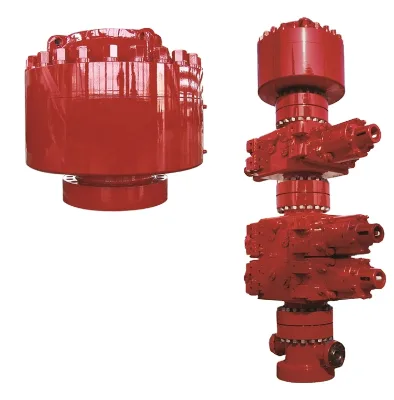
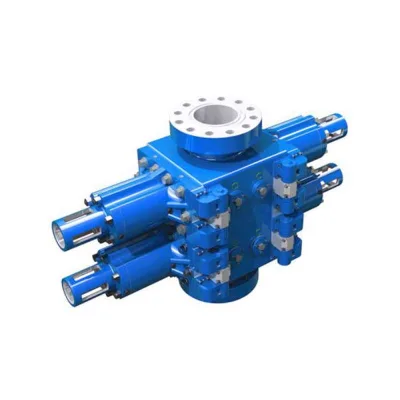
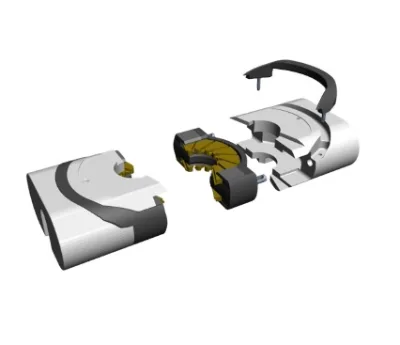
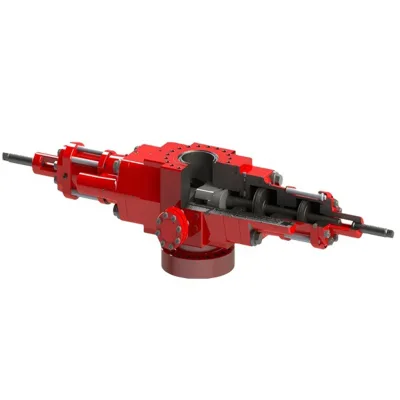


$900.00 - $1000.00
MOQ: 1 Pieces


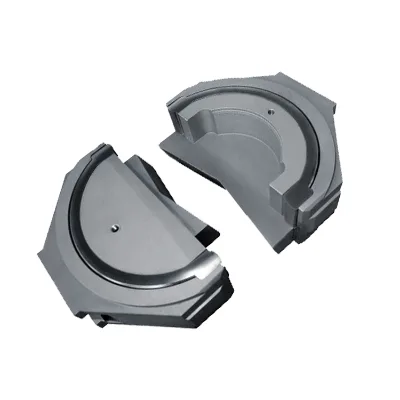
API 16A Rams for BOP Spare Parts
$103.27 - $309.80
MOQ: 1
Dongying Innova Petroleum Technology & Development Co., Ltd.
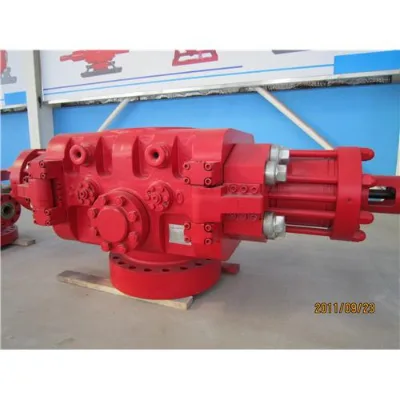


Petroleum Equipment Machinery API 16A High Quality and Durable RAM Bop
$23670.00 - $24100.00
MOQ: 1 Sets


API Pipe RAM /Double RAM Cameron U Bop for Oil Field Blowout Preventer Price
$23670.00 - $24100.00
MOQ: 1 Sets


Double RAM Bop 2 Fz28-35 35MPa, Pipe Rams Assembly, Bop Spare Parts
$9000.00 - $10000.00
MOQ: 1 Pieces

Comprehensive Sourcing Guide
Strategic Sourcing Guide for API 16A Forged RAM BOP Equipment
Procuring critical wellhead control equipment requires a disciplined approach that balances technical precision with rigorous supplier vetting. The core keyword "API 16A Forged RAM BOP" points to a specific class of blowout preventer components designed for high-pressure well control applications. These units are essential for maintaining safety during drilling operations, particularly when managing well pressure and preventing uncontrolled releases. Buyers must navigate a complex landscape of specifications, material requirements, and compliance standards to ensure the acquired equipment meets operational demands. This guide outlines the essential factors for sourcing these components, drawing on observed market data and technical realities to inform procurement decisions.
Technical Specifications and Operational Parameters
Understanding the technical architecture of API 16A forged ram BOPs is the first step in any sourcing strategy. The equipment is defined by its ability to seal the wellbore under extreme conditions. Observed market data indicates that these units often feature a drilling diameter range of 75-300mm, though specific bore sizes can vary significantly based on the wellhead configuration. Buyers should expect to encounter models with bore sizes ranging from 7 1/16 inches to 21 1/4 inches, which dictates the compatibility with existing wellhead assemblies. The pressure rating is another critical parameter, with observed units capable of handling pressures between 2000 and 15000 psi. This wide range necessitates careful selection based on the specific depth and pressure profile of the intended drilling operation.
The physical dimensions and weight of the equipment are equally vital for logistics and installation planning. Typical units observed in the market have dimensions around 5100mm in length, 2300mm in width, and 2850mm in height. The weight of these assemblies can vary, with some units recorded at 500 kg, while others may be lighter depending on the specific configuration and material density. The power requirements for the actuation systems are also significant; observed models often utilize a power type of 380V with a power consumption of approximately 110kw. This electrical specification must align with the power infrastructure available at the drilling site to ensure reliable operation. Furthermore, the drilling depth capability is a key performance indicator, with some units rated for depths up to 200 meters, although deeper applications may require specialized configurations.
Compliance and Certification Verification
Compliance with industry standards is non-negotiable when sourcing blowout preventer components. The API 16A standard serves as the primary benchmark for ram-type BOPs, ensuring that the equipment meets rigorous safety and performance criteria. Buyers must verify that the supplier explicitly states compliance with API 16A, as this standard governs the design, manufacturing, and testing of wellhead and BOP equipment. The presence of this certification is a prerequisite for most major oil and gas operators. In addition to API 16A, the material composition must be verified. Observed listings indicate the use of carbon steel and iron, which are standard materials for these high-stress applications. The forging process is a critical manufacturing step that enhances the material's grain structure and strength, making it suitable for high-pressure environments.
When evaluating certification, buyers should look for documentation that confirms the "Forging" processing type, as this distinguishes high-integrity components from cast alternatives. The standard also requires specific testing protocols, including hydrostatic pressure tests and functional tests, to validate the performance of the ram assembly. While specific test results may not always be publicly listed, the supplier must be prepared to provide third-party inspection reports. The "Video outgoing-inspection" feature observed in some listings suggests that suppliers are increasingly offering remote verification of the manufacturing and testing process. This transparency is a positive indicator of quality control but should be supplemented with on-site inspections for critical orders.
Cost Drivers and Pricing Dynamics
The pricing of API 16A forged ram BOPs is influenced by a complex array of factors, including material costs, manufacturing complexity, and certification requirements. The observed price range in the market is vast, spanning from approximately 103.27 USD to 150,000 USD. This disparity highlights the difference between individual components, such as ram assemblies, and complete wellhead systems or larger BOP stacks. The "Advantage: Prices" noted in some listings suggests that cost competitiveness is a common selling point, but buyers must be wary of prices that seem too low, as they may indicate compromised quality or non-compliance with standards.
Material costs, particularly for carbon steel and iron, are a primary driver of the final price. The forging process adds significant value but also increases production costs compared to casting. Additionally, the complexity of the design, such as the inclusion of shear functions or double ram configurations, impacts the price. The "Single item" selling unit observation indicates that buyers can often purchase individual components rather than entire systems, which allows for more flexible budgeting. However, the Minimum Order Quantity (MOQ) is typically low, ranging from 1 to 2 units, which facilitates smaller procurement cycles. Buyers should also consider the "Supply Ability," which is often cited as 50 sets per month for specific API 16A variable bore ram assemblies. This capacity indicates the supplier's ability to meet demand without significant delays, provided the order volume is within their production limits.
Typical Applications and Operational Context
API 16A forged ram BOPs are primarily designed for wellhead applications in the oil and gas industry. Their core function is to seal the wellbore and control pressure during drilling, completion, and workover operations. The "Use: Well Drilling" and "Application: Oil Drilling" labels confirm their primary role in these sectors. These units are particularly effective in scenarios requiring high drilling efficiency, as noted in the product features. The ability to handle drilling diameters from 75mm to 300mm makes them versatile for various well sizes. The "S type" Ram BOP designation refers to a specific configuration that is widely used in the industry for its reliability and ease of operation.
The versatility of these units extends to their ability to handle different drilling depths and pressure conditions. While some models are rated for depths up to 200 meters, the high-pressure capability (up to 15000 psi) allows them to be used in deeper and more challenging environments. The "Core Drilling Rig" classification suggests that these components are integral to the drilling rig's safety system, working in tandem with other wellhead equipment. The "Engine" as a core component indicates that the actuation system may rely on internal power sources or hydraulic systems driven by engines, ensuring operation even in remote locations. The "Flexible Manufacturing" attribute observed in the market suggests that suppliers can adapt their production to meet specific application requirements, such as custom bore sizes or pressure ratings.
Supplier Evaluation and Selection Criteria
Selecting the right supplier is critical for ensuring the quality and reliability of API 16A forged ram BOPs. Buyers should prioritize suppliers who demonstrate "Flexible Manufacturing" capabilities, as this indicates an ability to customize products to specific project needs. The availability of "Engineers available to service machinery overseas" is a significant advantage, particularly for international buyers who require technical support and maintenance services. This service provision ensures that any operational issues can be addressed promptly, minimizing downtime. The "Video outgoing-inspection" feature is another positive indicator, as it allows buyers to verify the condition and quality of the product before shipment.
When evaluating suppliers, buyers should also consider the "Brand Name" and "Advantage: High quality" claims. While specific brand names like "GM" may appear in listings, the focus should be on the supplier's track record and reputation rather than the brand itself. The "Warranty: 1 Year" is a standard offering that provides a baseline level of protection for the buyer. However, buyers should verify the terms of the warranty to ensure it covers the specific components and failure modes relevant to their operation. The "Place of Origin: Shandong, China" is a common location for these manufacturers, but buyers should not rely solely on geography. Instead, they should focus on the supplier's adherence to quality standards and their ability to provide comprehensive documentation.
Quality Control and Long-Term Procurement Considerations
Quality control is paramount when sourcing critical safety equipment like ram BOPs. The "Forging" process is a key quality indicator, as it produces a denser and stronger material structure compared to casting. Buyers should request detailed process documentation to confirm that the forging standards are met. The "Single gross weight" and "Weight (KG)" specifications provided in listings help buyers verify the material density and ensure that the product matches the expected specifications. Discrepancies in weight can indicate material defects or manufacturing errors.
Long-term procurement considerations include the availability of spare parts and the supplier's ability to support the equipment throughout its lifecycle. The "Supply Ability" of 50 sets per month suggests that the supplier has the capacity to provide replacement parts or additional units if needed. The "After-sales Service Provided" by engineers is crucial for long-term maintenance and troubleshooting. Buyers should establish a clear communication channel with the supplier to ensure that technical support is readily available. Additionally, the "Color: Red" observation, while seemingly minor, can be relevant for safety identification and inventory management on the drilling site. Ensuring that the equipment is easily identifiable can prevent operational errors and improve safety protocols.
Comparative Analysis of Key Product Attributes
To facilitate decision-making, buyers should compare the key attributes of different API 16A Forged RAM BOP options. The following table summarizes the observed specifications and attributes to aid in the evaluation process.
| Attribute | Observed Range/Value | Relevance to Procurement |
|---|---|---|
| Standard | API 16A | Mandatory compliance for wellhead safety |
| Material | Carbon Steel, Iron | Determines durability and pressure rating |
| Processing Type | Forging | Critical for structural integrity and strength |
| Pressure Rating | 2000-15000 psi | Must match wellbore pressure requirements |
| Bore Size | 7 1/16" - 21 1/4" | Must fit existing wellhead assembly |
| Weight | 20 kg - 500 kg | Impacts logistics and installation |
| Power Type | 380V | Requires compatible power infrastructure |
| Warranty | 1 Year | Standard protection period for defects |
| Origin | Shandong, China | Common manufacturing hub, verify logistics |
| Service | Overseas Engineers | Essential for remote maintenance support |
This comparison highlights the diversity of options available in the market. Buyers must carefully match these attributes to their specific operational requirements. For instance, a project requiring high-pressure capabilities will prioritize units with a 15000 psi rating, while a project with limited power infrastructure may need to focus on units with lower power consumption. The "Flexible Manufacturing" attribute suggests that suppliers can often tailor these specifications, making it essential to communicate precise needs during the sourcing process.
In conclusion, sourcing API 16A forged ram BOPs requires a meticulous approach that prioritizes technical compliance, material integrity, and supplier reliability. By adhering to the standards and verification processes outlined in this guide, buyers can secure equipment that ensures the safety and efficiency of their drilling operations. The vast range of observed specifications and prices underscores the importance of detailed due diligence to avoid substandard products and ensure long-term operational success.
FAQs
What is the standard pressure rating for these units?
The observed pressure rating ranges from 2000 to 15000 psi depending on the specific model configuration. Buyers must verify the exact rating matches their wellhead requirements before ordering to ensure safety compliance.
Can I purchase individual ram assemblies instead of full stacks?
Yes, the selling units are listed as single items, allowing for the purchase of individual components like ram assemblies. This flexibility supports budget management for specific replacement needs rather than requiring a full system purchase.
Which certification is mandatory for API 16A forged ram BOPs?
Compliance with the API 16A standard is mandatory for these wellhead control components. Buyers must verify that the supplier explicitly documents this certification to ensure the equipment meets rigorous safety and performance criteria.
How long is the warranty period for this equipment?
The standard warranty period provided for these units is one year. Buyers should review the specific terms to confirm coverage for components and failure modes relevant to their drilling operations.
What is the typical drilling depth capability for these rigs?
Some observed models are rated for drilling depths up to 200 meters. Deeper applications may require specialized configurations, so buyers should confirm the depth rating aligns with their project specifications.
Which materials are used in the construction of these BOPs?
The materials observed include carbon steel and iron, which are standard for high-stress applications. The forging process enhances the grain structure, making these materials suitable for high-pressure environments.
Can suppliers provide overseas engineering support for maintenance?
Yes, engineers are available to service machinery overseas for many listed suppliers. This service provision ensures that operational issues can be addressed promptly to minimize downtime at remote drilling sites.